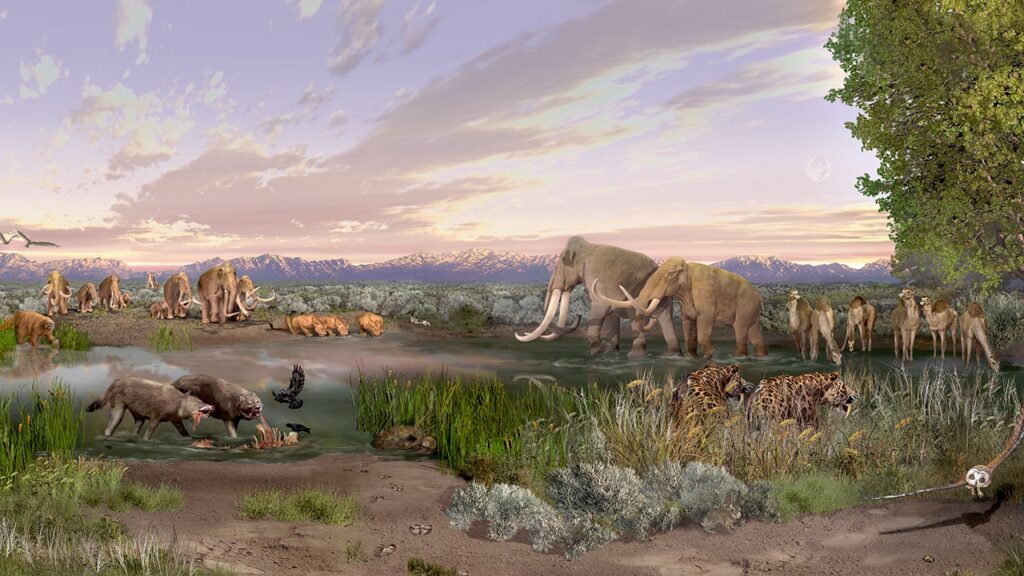
Panama – Deep within the sediments of Lake La Yeguada lie clues to a wilder past, where towering herbivores shaped lush forests and open grasslands. A recent study revealed three sharp declines in these megafauna populations around 13,600, 10,000, and 8,400 years ago, each followed by partial recoveries.[1][2] These events triggered lasting changes in vegetation, seed dispersal, and fire regimes. Scientists now advocate for trophic rewilding, introducing large herbivores to reclaim those lost functions and bolster modern ecosystems.
Unlocking 17,000 Years of History from Lake Sediments
Unlocking 17,000 Years of History from Lake Sediments (Image Credits: Upload.wikimedia.org)
Researchers led by Felix Pym from the University of Exeter examined sediment cores from Lake La Yeguada, a site that preserved environmental traces back 17,000 years. They focused on coprophilous fungal spores, which large herbivores ingested, excreted in dung, and which then entered the lake to form reliable proxies for megafauna presence. This multi-genus approach surpassed traditional single-spore methods, offering sharper resolution of population shifts.
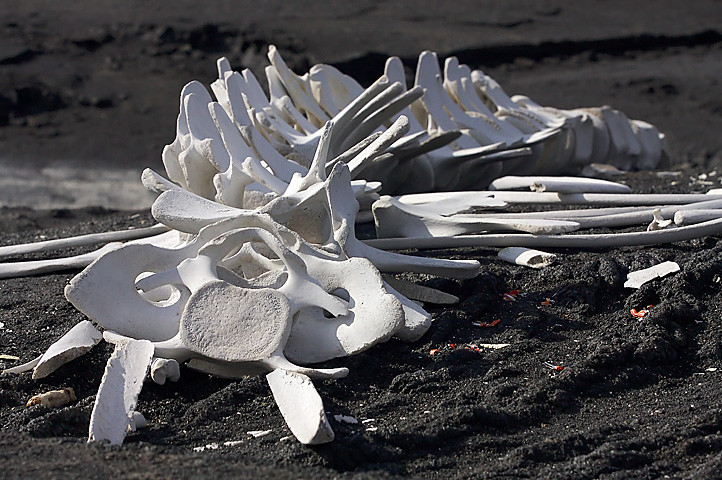
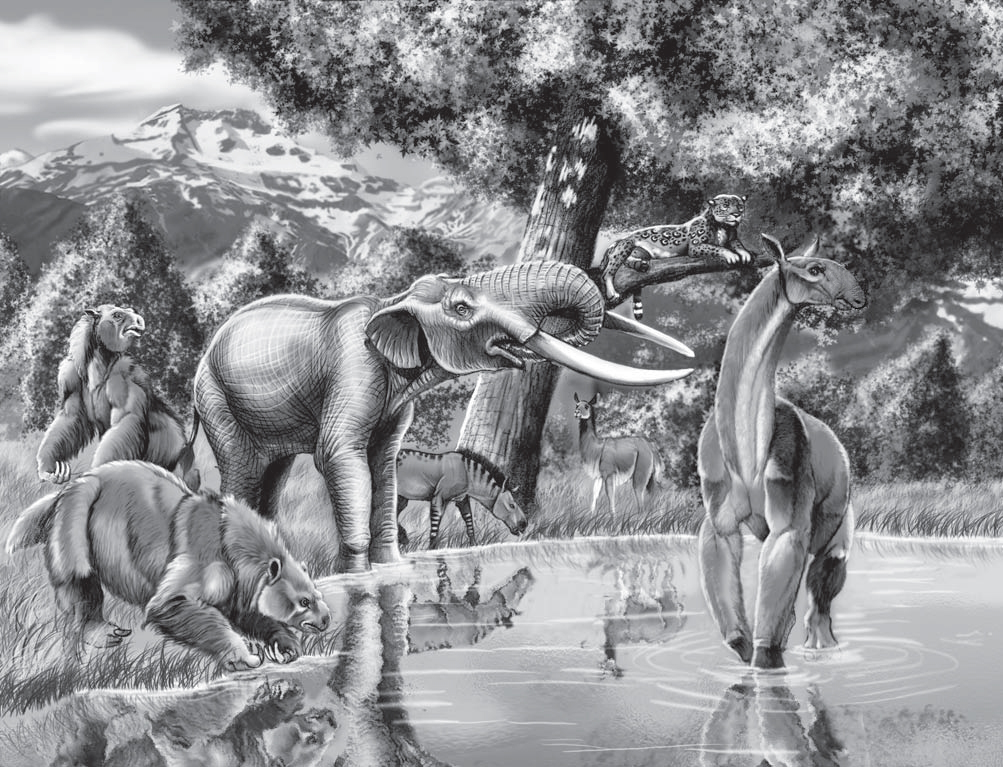
Fossil pollen provided insights into plant communities, while charcoal layers recorded fire activity. Bone fossils from the region confirmed species like the six-meter-long giant ground sloth and elephant-like Cuvieronius roamed Panama. Pym explained the technique: “Large herbivores consume fungal spores from their environment, which are then excreted and grow into fungi in their dung. New fungal spores are dispersed, travel into lakes, and are then preserved in layers of sediment.” The analysis spanned from the Late Pleistocene into the Holocene, revealing dynamic interactions among animals, plants, and climate.
Three Phases of Megafauna Collapse and Resilience
Megafauna – defined as herbivores over 45 kilograms – thrived from at least 16,600 years ago until the first major decline struck around 13,600 years ago. A second drop followed 10,000 years ago, and a third at 8,400 years ago. Each downturn saw ecosystem tremors, though recoveries emerged at 11,200, 9,000, and 7,600 years ago, possibly from shifts in surviving populations.
Human arrival in Central America likely contributed to these patterns, alongside climate fluctuations. The study highlighted massive armadillos and other giants alongside sloths and gomphotheres. These events marked the beginning of profound ecological restructuring on the isthmus.
| Decline Event | Date (cal yr BP) | Recovery Date |
|---|---|---|
| First Decline | ~13,600 | 11,200 |
| Second Decline | ~10,000 | 9,000 |
| Third Decline | ~8,400 | 7,600 |
Cascading Impacts on Vegetation and Wildfires
Abundant megafauna kept wildfires in check by grazing and trampling understory fuels. Declines correlated with rising fire activity and transitions from open grasslands to denser forests. Plants bearing large, fleshy fruits – dispersed by massive guts – suffered sharp drops, including ancestors of the avocado with its oversized seed.
Pym noted: “Just like elephants today, we found that large herbivores had a significant impact on ecosystems during the period we studied. For example, there were fewer wildfires when large herbivores thrived – possibly because they ate and trampled on understory vegetation that can fuel fires.” Seed dispersal faltered, locking ecosystems into altered states that persist today. Grasslands shrank, and forest composition shifted, underscoring megafauna’s keystone role.
Toward Trophic Rewilding: Filling the Ecological Gap
The research offers a baseline for rewilding, akin to bison reintroductions in Europe. Introducing or boosting large herbivores could mimic extinct giants, curbing fires, aiding seed spread, and enhancing biodiversity. Professor Stephen Sitch of the University of Exeter emphasized: “This study uses a novel approach to give us a holistic understanding of the tropical environment through time… Exploring the past can help us understand today’s tropical ecosystems, aid their conservation and together with rewilding approaches, help to restore lost ecosystem functions that we all benefit from.”
Species selection demands caution – proxies from other regions or natives like tapirs might suit Panama. Further declines in current herbivores risk amplifying past losses. Published in Quaternary Science Reviews, the work urges proactive steps amid global biodiversity pressures.
Key Takeaways
- Megafauna declines drove vegetation shifts, higher fires, and lost seed dispersal over 17,000 years.
- Coprophilous spores provide precise tracking of ancient herbivores.
- Rewilding with large herbivores could restore balance, but requires targeted planning.
Panama’s story reminds us that ecosystems evolve through giants, and their absence echoes loudly. Targeted rewilding holds promise to heal these ancient wounds, fostering resilient wilds for the future. What do you think about reintroducing herbivores in Panama? Tell us in the comments.