Panama – Conservationists marked a pivotal moment in amphibian recovery efforts late last year when they released captive-bred Panamanian golden frogs into forested enclosures. The species, a cherished national symbol, vanished from the wild in 2009 after chytrid fungus decimated populations across Central America. This experimental reintroduction tested the frogs’ resilience against ongoing threats while gathering critical data on disease and adaptation.
From National Icon to Captive Refuge
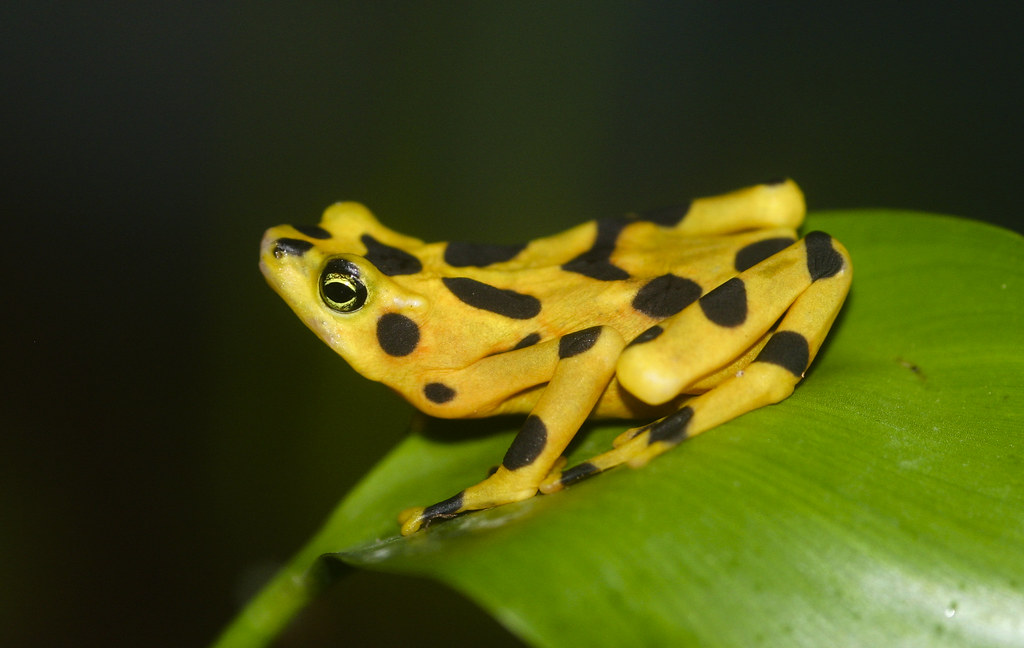
From National Icon to Captive Refuge (Image Credits: Flickr)
The Panamanian golden frog, known scientifically as Atelopus zeteki, holds deep cultural significance in Panama. Its vibrant yellow and black patterns made it a staple on lottery tickets and souvenirs before tragedy struck. Chytrid fungus, which spread through the region in the 1980s, wiped out nearly all wild populations by the end of the decade.
For two decades, experts focused on captive breeding to safeguard the species. Brian Gratwicke of the Smithsonian’s National Zoo and Conservation Biology Institute spearheaded these programs alongside partnering zoos. Their work ensured a stable population in controlled environments, preventing total extinction.
The Bold Release Experiment
In late 2025, Roberto Ibañez, director of the Panama Amphibian Rescue and Conservation Project, introduced 100 frogs into mesh outdoor pens deep in Panamanian forests. These enclosures shielded the animals from predators while exposing them to natural conditions. The frogs remained there for three months, allowing researchers to monitor their responses closely.
The initiative aimed to bridge the gap between captivity and full wilderness. Scientists sought answers on how the frogs might rebuild their natural skin toxins, a key defense mechanism lost in breeding facilities. Tracking devices helped document every movement and health change during this phase.
Facing Familiar Foes: Disease Strikes Again
Challenges emerged quickly. About 70 percent of the frogs succumbed to chytrid fungus within the pens, echoing the pathogen’s devastating history. Survivors showed varying degrees of resistance, providing hope amid the losses.
Researchers fully released the remaining frogs into the wild after the observation period. Ongoing monitoring tracks their survival and behavior. These outcomes reveal the complexities of rewilding species long absent from their habitats.
Insights Paving the Way Forward
Brian Gratwicke explained the project’s core purpose: “This project was designed to see what would happen if we put these golden frogs back into a wild situation, just to kind of understand what are the disease dynamics, and how do these frogs regain their skin toxins.”The Wildlife Society reported on these findings.
Data from the trial will shape broader strategies. Lessons apply not only to golden frogs but also to other amphibians hit by chytrid worldwide. Future releases may incorporate enhanced disease mitigation, such as antifungal treatments or selective breeding for resilience.
- Captive breeding sustained the species for 20 years.
- 100 frogs entered pens; 30 survived to full release.
- Focus areas: toxin regeneration and pathogen exposure.
- Collaborators include Smithsonian and PARC teams.
- Global implications for chytrid-affected species.
Key Takeaways
- Reintroduction trials yield vital disease data despite high mortality.
- Cultural icons like the golden frog drive sustained conservation funding.
- Adaptive strategies could revive multiple amphibian populations.
This effort underscores the delicate balance of restoration work. While losses temper optimism, the knowledge gained positions conservationists for stronger comebacks. What do you think about these rewilding attempts? Tell us in the comments.