

Panama – Researchers have pinpointed three critical declines of large plant-eating animals over 17,000 years ago, offering insights into how reintroducing similar species could heal modern tropical forests.
Three Waves of Megafauna Collapse
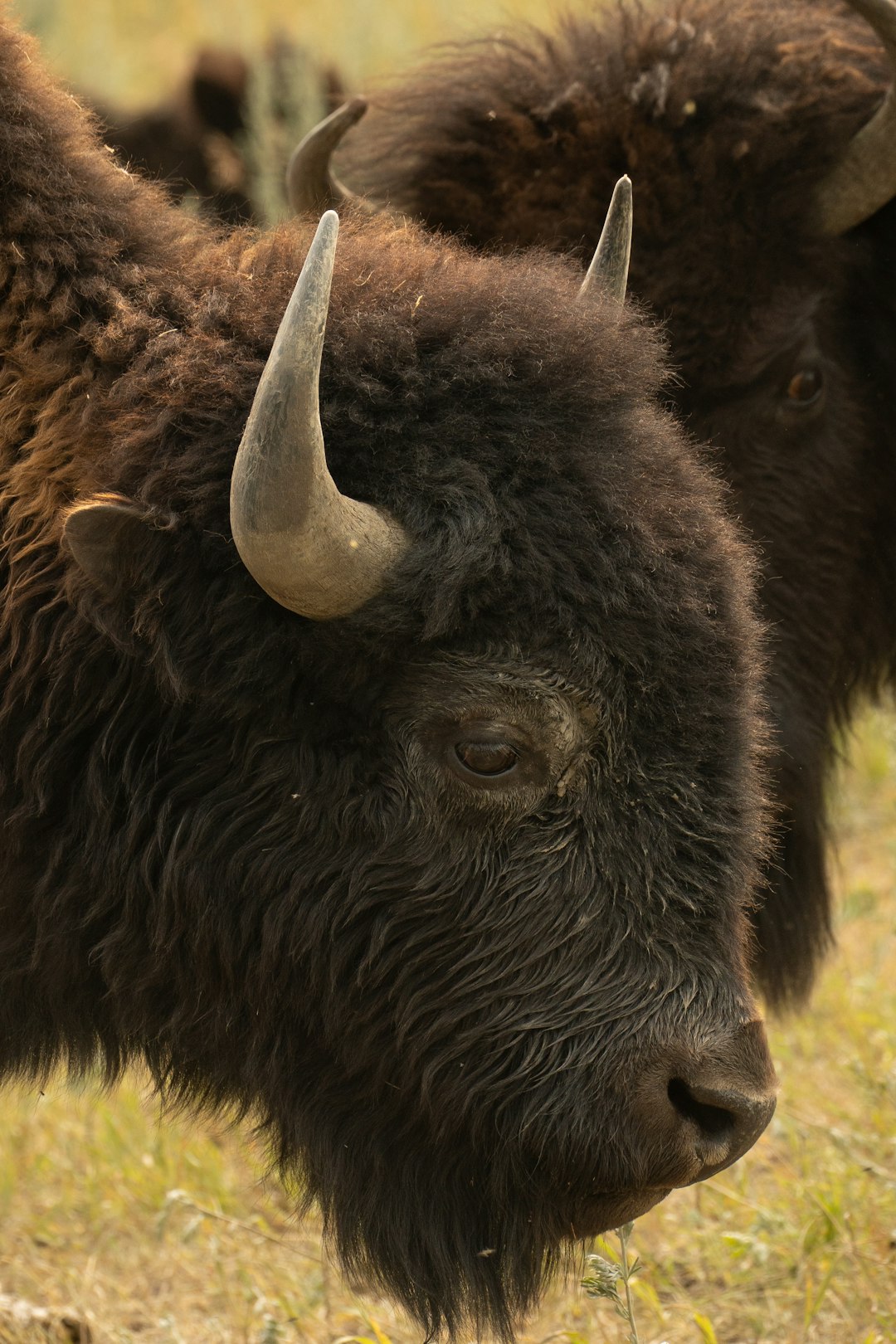
Three Waves of Megafauna Collapse (Image Credits: Unsplash)
Lead author Felix Pym of the University of Exeter revealed that plant-eating megafauna – animals weighing more than 45 kilograms – suffered sharp drops around 13,600, 10,000, and 8,400 years ago. These events marked the beginning of lasting changes in the region’s landscapes. Recoveries followed at 11,200, 9,000, and 7,600 years ago, possibly from shifts in surviving herbivore groups.
The first decline coincided with late Pleistocene warming, while later ones aligned with early human presence in Central America. Giant ground sloths stretching six meters long and elephant-like Cuvieronius roamed the isthmus until these losses mounted. Massive armadillos also joined the roster of vanished giants. Bone fossils confirmed their existence, but populations never fully rebounded to prehistoric levels.
Ecosystem Shifts Tied to Absent Giants
Megafauna shaped Panama’s wilds much like elephants do today. When numbers held strong, wildfires burned less fiercely – likely because the animals grazed and trampled dry undergrowth that fed flames. Forests and grasslands stayed open and diverse.
Declines triggered cascades. Plants bearing large, fleshy fruits and seeds – dispersed by hefty herbivores – waned sharply. Species like avocados, with oversized pits suited for megafauna guts, suffered as a result. Canopy closure followed, with fire activity rising and grasslands yielding to denser woods. “When megafauna declined, so did plants with large fleshy fruits and seeds that are typically spread by large animals,” Pym noted.
- Reduced seed dispersal for big-fruited species.
- Increased wildfires post-decline.
- Shift from open grasslands to closed forests.
- Loss of biodiversity in animal-dependent plants.
Unveiling the Past Through Lake Sediments
Scientists turned to Lake La Yeguada’s layered sediments, preserving clues from 17,000 years back. They measured spores of coprophilous fungi – passed through herbivore digestive systems and preserved in dung-enriched layers. A multi-genus approach sharpened accuracy over older single-spore methods.
Fossilized pollen tracked plant communities, while charcoal logged fire peaks. This multiproxy record spanned the late Pleistocene to Holocene, linking animal presence directly to environmental shifts. “Large herbivores consume fungal spores from their environment, which are then excreted and grow into fungi in their dung,” Pym explained. The study appeared in Quaternary Science Reviews.
| Event | Date (years ago) | Ecological Impact |
|---|---|---|
| Decline 1 | 13,600 | Warming overlap, vegetation shift |
| Recovery 1 | 11,200 | Partial rebound |
| Decline 2 | 10,000 | Human arrival link |
| Decline 3 | 8,400 | Forest densification |
Toward Trophic Rewilding in the Tropics
The research sets a baseline for trophic rewilding – reintroducing large herbivores to mimic lost roles. Europe’s bison releases and North America’s proxy species offer models, though Panama demands tailored choices. Professor Stephen Sitch of Exeter’s Global Systems Institute stressed the holistic view: “Exploring the past can help us understand today’s tropical ecosystems, aid their conservation and together with rewilding approaches, help to restore lost ecosystem functions.”
Current threats to survivors like tapirs underscore urgency. Planned introductions could curb fires, boost seed spread, and enhance resilience against climate shifts.
Key Takeaways
- Megafauna declines reshaped Panama’s flora and fire patterns.
- Sediment spores provide precise timelines for invisible extinctions.
- Rewilding proxies could revive critical functions today.
Panama’s story warns of biodiversity’s fragility while lighting a restoration path. What role should rewilding play in tropical conservation? Tell us in the comments.


