Paleontology has never been a quiet science. Every few years, something gets dug up that forces researchers to rethink everything they thought they knew. Lately, though, the pace of those revelations has accelerated so dramatically that it’s getting hard to keep up. We’re not just finding new species anymore. We’re rewriting entire chapters of prehistory, reshaping our understanding of how dinosaurs lived, evolved, competed, and ultimately died.
A golden era in dinosaur science is driving a global fascination with these ancient creatures. Around 1,400 dinosaur species are now known from more than 90 countries, with the rate of discovery accelerating sharply over the last two decades. Think about that for a moment. These aren’t small tweaks at the margins of knowledge. These are full-scale, textbook-level reversals. And the most astonishing part? Many of the biggest revelations are coming from fossils and specimens that have been sitting in museums for years. Let’s dive in.
Nanotyrannus Is Real, and That Changes Everything We Thought We Knew About T. rex
For decades, one of the most heated debates in all of dinosaur science has been deceptively simple: is Nanotyrannus a real species, or is it just a teenage T. rex? Scientists have argued both sides passionately. Honestly, if you had asked most paleontologists ten years ago, the majority would have shrugged and said “probably just a juvenile.” That comfortable assumption has now been decisively torn apart.
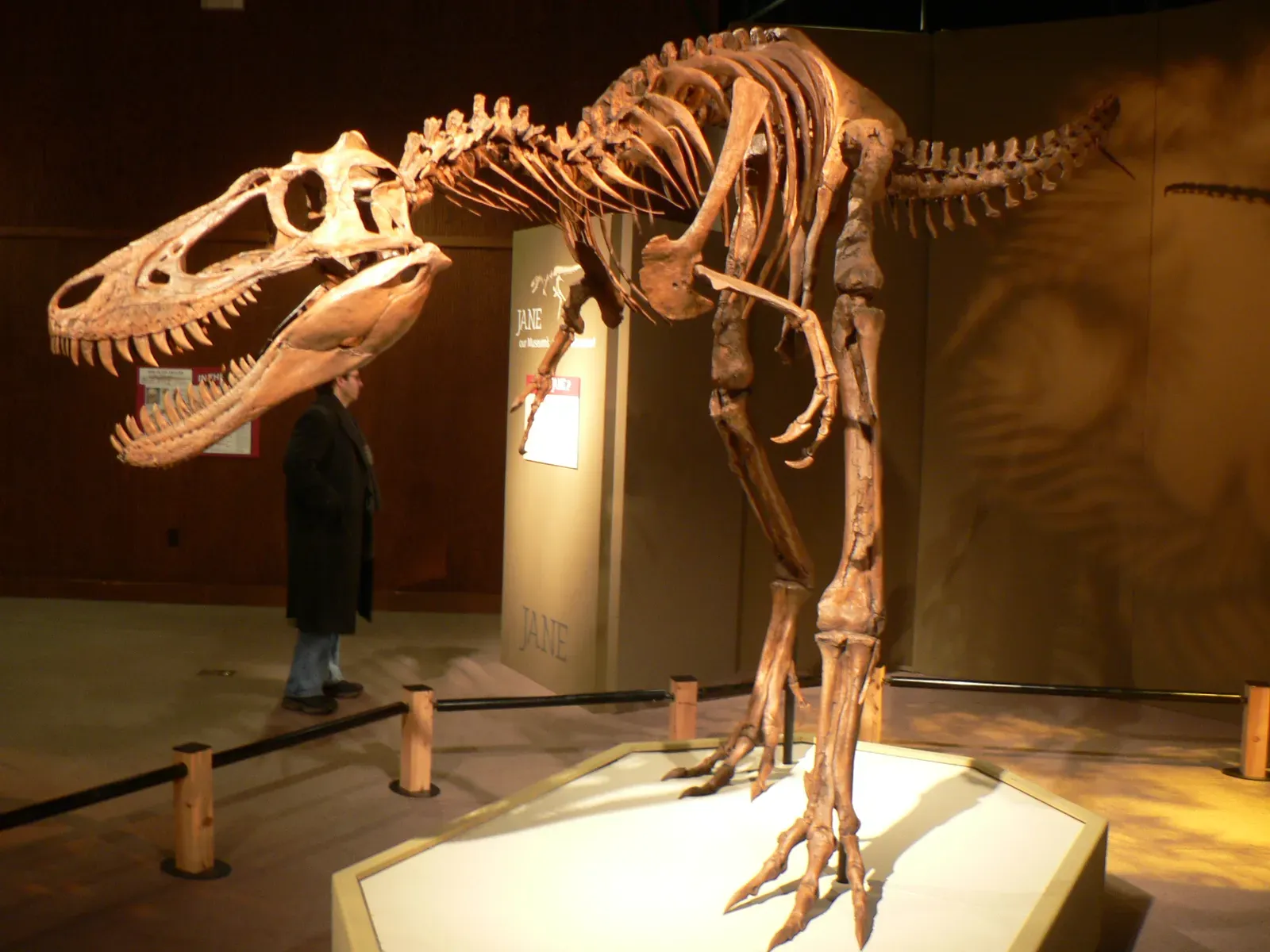
For many years, Nanotyrannus was first named in 1988 and suggested to be a small tyrannosaurid around five meters long that lived alongside the giant Tyrannosaurus rex. Many paleontologists disagreed, arguing that Nanotyrannus fossils were simply young individuals of T. rex. In 2025, paleontologists Lindsay Zanno and James Napoli published a description of a new Nanotyrannus fossil specimen, preserved as part of the Dueling Dinosaurs fossil alongside a herbivorous Triceratops. They showed that this Nanotyrannus was nearly an adult but also different from T. rex in ways that cannot be explained by growth alone, including a notably longer hand.
The skeleton’s fusing spinal sutures and growth rings show it was fully grown when it died at approximately 20 years of age. Its anatomy reveals traits that form early in development and don’t change with age, including fewer tail vertebrae, more teeth, larger hands, and different skull nerve and sinus patterns. This discovery completely reframes the idea that T. rex was the lone predator of its time, challenging long-held assumptions about late Cretaceous ecosystem dynamics. Multiple tyrannosaur species coexisted in the last million years before the asteroid impact, suggesting a richer and more competitive ecosystem than previously imagined.
Dinosaurs Were Thriving Right Up Until the Asteroid Hit
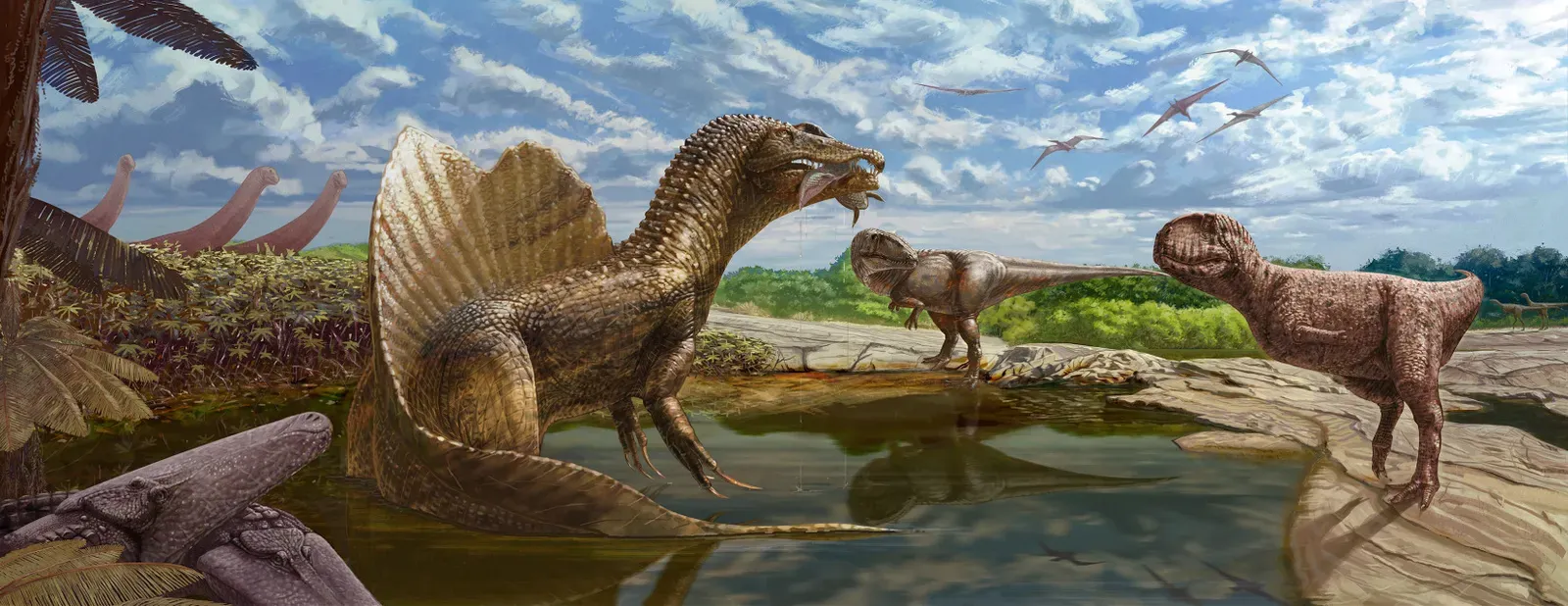
Here’s a theory that has been floating around scientific circles for years: dinosaurs were already struggling before the asteroid delivered the final blow. They were supposedly in decline, biodiversity dropping, ecosystems weakening. It was a comforting narrative, the idea of a slow fade rather than a brutal, instant curtain call. New evidence from New Mexico has essentially dismantled that narrative entirely.
In the Naashoibito Member of the Kirtland Formation, researchers uncovered evidence of vibrant dinosaur ecosystems that thrived until just before the asteroid impact. High-precision dating techniques revealed that fossils from these rocks are between 66.4 and 66 million years old, placing them right at the catastrophic Cretaceous-Paleogene boundary. Using ecological modeling, the team found that dinosaur communities across North America were highly diverse, stable, and regionally distinct right up until the asteroid struck. Their findings counter the long-held idea that dinosaurs were already on the decline and instead show ecosystems shaped strongly by temperature and geography.
The dominant herbivore in New Mexico was the sauropod Alamosaurus. A type of crested duck-billed hadrosaur, called lambeosaurine, was also present. In contrast, Hell Creek in the north had hadrosaurs without crests and lacked Alamosaurus altogether. Sauropods were likely sensitive to colder temperatures, suggesting climate played a big role in determining which animals lived where. The picture that emerges isn’t of a dying world, but of a thriving, regionally complex one, simply stopped cold by cosmic bad luck.
Spicomellus: The “Punk Rock Dinosaur” That Rewrote Armored Dinosaur Evolution
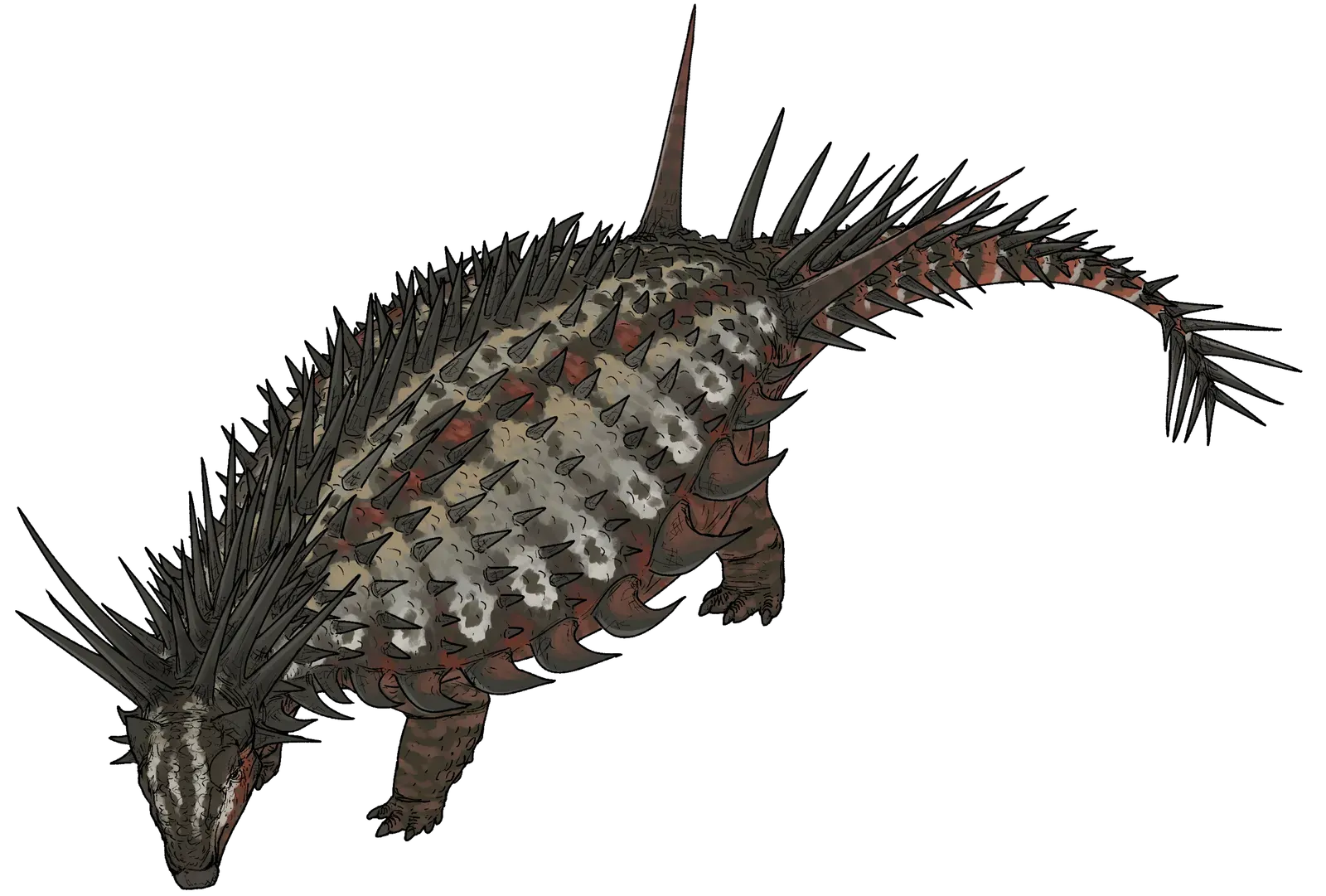
Imagine discovering that the weird, spiky-looking creature you assumed was an evolutionary novelty is actually the oldest known ancestor of an entire group. That’s essentially what happened with Spicomellus, an armored dinosaur from Morocco that has upended everything paleontologists believed about how ankylosaurs evolved. I think “punk rock dinosaur” might be the most accurate nickname ever bestowed on a prehistoric creature.
The armored dinosaur was more than 165 million years old and yet had large spikes and a tail club normally associated with ankylosaurs that lived tens of millions of years later. The dinosaur’s anatomy demonstrated that ankylosaurs evolved extremely spiky armor very early in their history, which apparently was lost or modified only to later converge on a similar array of armor in the Cretaceous. Spicomellus upended how paleontologists thought ankylosaurs evolved.
The new fossils show that Spicomellus is the oldest known member of the ankylosaurs, heavily armoured, low and squat plant-eaters. It is characterised by its bizarre armour, bristling with long spines all over the body, including a bony collar around the neck with spines the length of golf clubs sticking out of it. Dubbed the “punk rock dinosaur” by the BBC, Spicomellus is changing our understanding of ankylosaur evolution, while also highlighting the importance of the Moroccan fossil record. What this suggests is that complex body armor didn’t gradually accumulate over time. It appeared, in full force, early, and then partly disappeared before re-emerging. Evolution, it turns out, is a recycler of radical ideas.
Preserved Blood Vessels in T. rex: The Fossil Record Has Been Hiding Soft Tissues All Along
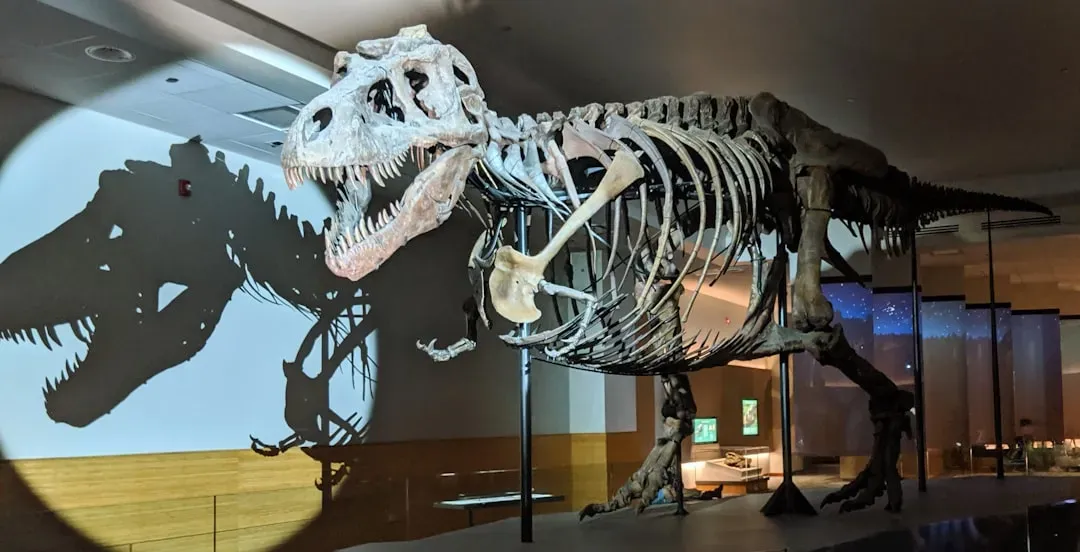
If you think finding a dinosaur bone is exciting, imagine finding what’s inside it. The discovery of preserved soft tissue structures in dinosaur fossils remains one of the most controversial and genuinely thrilling frontiers in modern paleontology. It’s the kind of thing that sounds impossible, until the evidence keeps stacking up and you can’t look away anymore.
The powerful synchrotron X-rays produced by the Canadian Light Source at the University of Saskatchewan enabled researchers to create a detailed 3D model of both the T. rex bone and the soft tissue structures that reside inside, without damaging the 66-million-year-old fossil. Using chemical analysis, the researchers determined what elements and molecules make up the vessel structures, allowing them to hypothesize how those structures were preserved over millions of years. The X-rays of Scotty’s rib also revealed a healed fracture, possibly from a fight with another dinosaur.
Using a spectroscopy technique on dinosaur fossils has revealed the presence of hemoglobin in blood vessel-like structures. The discovery, in Tyrannosaurus rex and Brachylophosaurus canadensis fossils, may advance an ongoing debate about whether soft tissue can be preserved over geological time. Scientists believe these tissues could provide crucial details on dinosaur physiology, appearance, and genetic relatedness. Research from NC State University provides further evidence for the preservation of soft tissues and structures in fossils through deep time. It seems as though the preservation of vessels through deep time may not be that uncommon. The implications of this for how you study prehistoric biology are enormous.
Diplodocus Was Colorful, Not Dull Gray: The Death of the “Generic Giant” Myth
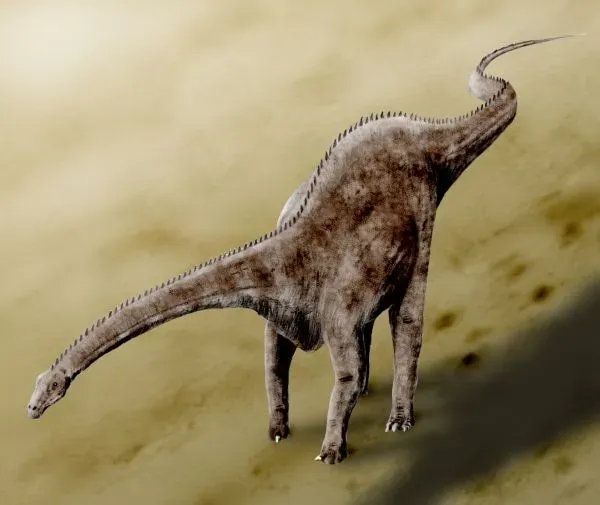
There’s a mental image most people carry around of giant sauropods. Big, gray, lumbering. Basically featureless. Like a whale on legs. For as long as dinosaur art has existed, the classic palette for these creatures has been muddy browns and flat grays. A stunning discovery from Montana has essentially retired that entire visual tradition.
Sauropod skin impressions and soft tissue fossils are very rare. From the Jurassic rocks of Montana’s Mother’s Day Quarry, however, paleontologists uncovered fossils of sauropod skin so delicately preserved that they include impressions of pigment-carrying structures called melanosomes. Some other dinosaur fossils with melanosomes preserved in their scales or feathers have been reconstructed in color. While researchers were reluctant to fully reconstruct the color of the juvenile Diplodocus the skin came from, they detected that the dinosaur would have had conspicuous patterns across its scales. The finding suggests sauropod dinosaurs were not uniformly gray or brown but had complex color patterns like other dinosaurs, birds, and reptiles.
Let’s be real, this is a profound shift. You’ve been imagining these animals wrong your whole life, and so has every museum illustrator who ever picked up a paintbrush. Microscopic clues found in fossil Diplodocus skin indicate these dinosaurs were colorful. The natural world of the Jurassic was almost certainly far more visually vivid than we ever gave it credit for.
Zavacephale: The Dome-Headed Dinosaur Reshaping Understanding of Pachycephalosaur Origins
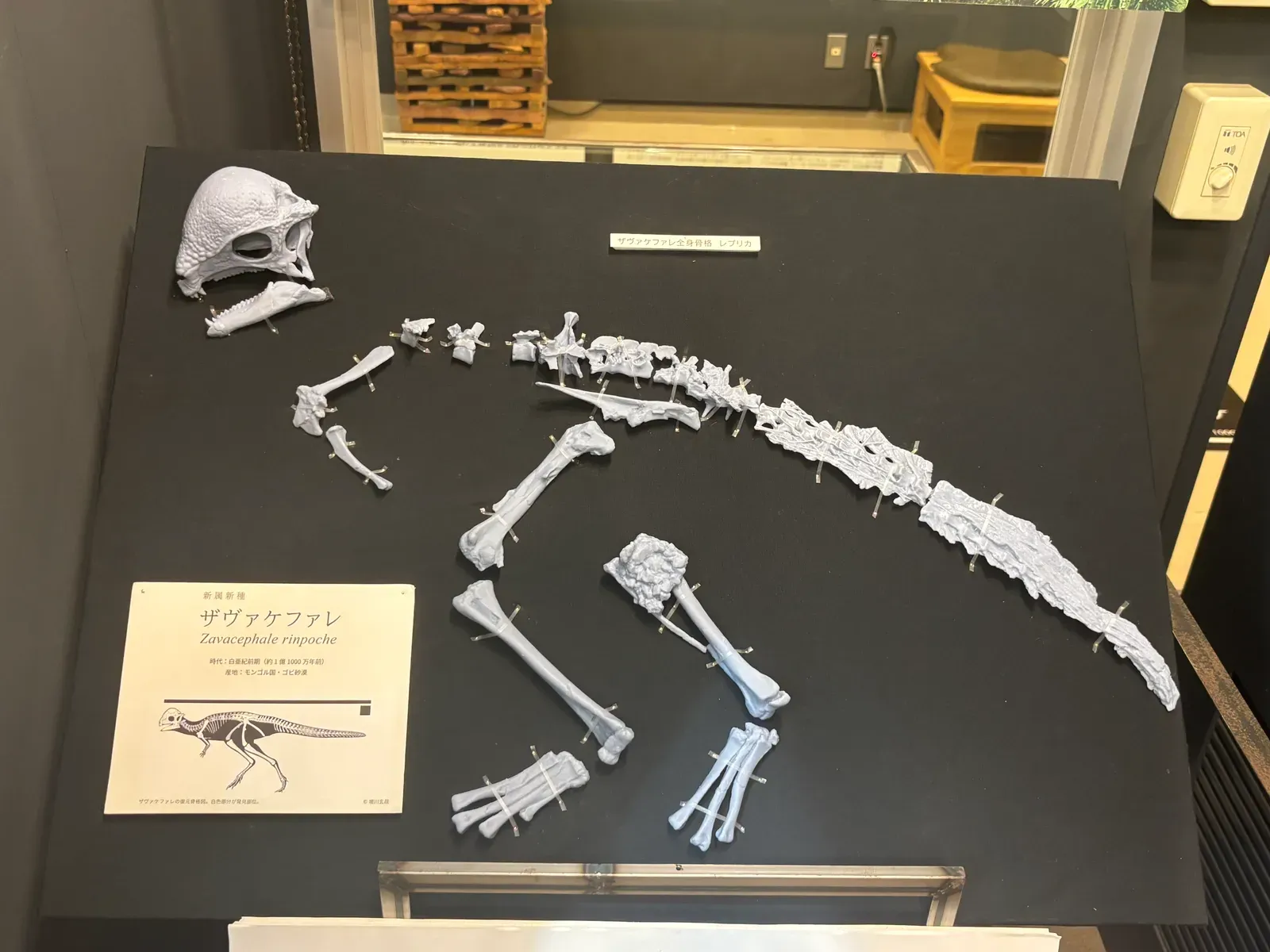
Some discoveries send a ripple through the field. Others cause a wave. The unearthing of Zavacephale, a remarkable dome-headed dinosaur from Mongolia, belongs firmly in the second category. It’s the kind of skeleton that makes experienced paleontologists at academic conferences audibly gasp, and that doesn’t happen by accident.
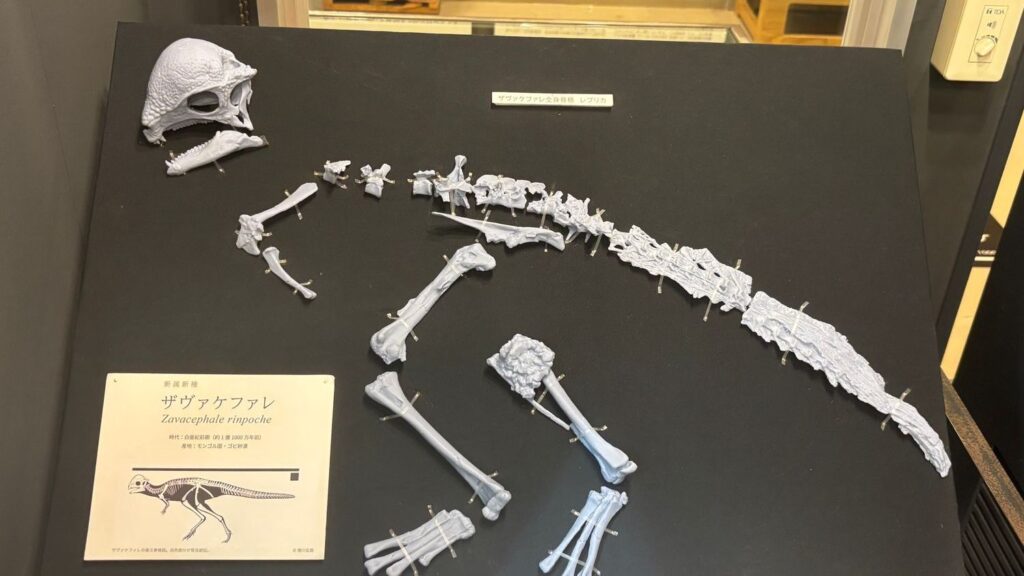
The stunning skeleton of this one-metre-long plant-eating dinosaur was discovered in 110-million-year-old rocks in the Gobi Desert of Mongolia. Zavacephale is the oldest known member of the pachycephalosaurs, a group of dinosaurs famed for their domed skulls, probably used to butt heads like today’s bighorn sheep. Pachycephalosaurs have long been one of the most enigmatic dinosaur groups, and the discovery of Zavacephale is critical to understanding their early evolution.
Zavacephale is a new and remarkable “dome-headed” dinosaur. This group of dinosaurs is poorly understood, with most known only from incomplete skulls, but Zavacephale preserves a largely complete skeleton and is the most complete skeleton known from this strange group. The skull of Zavacephale suggests that the domes of pachycephalosaurs grew more quickly than the rest of their body. Think of it like discovering the first ancestor of something you’ve always known without fully understanding. It’s a skeleton that doesn’t just fill a gap; it illuminates the entire journey.
Dinosaur Origins Pushed Back and Relocated: The Ahvaytum Discovery Upends the Gondwana Theory
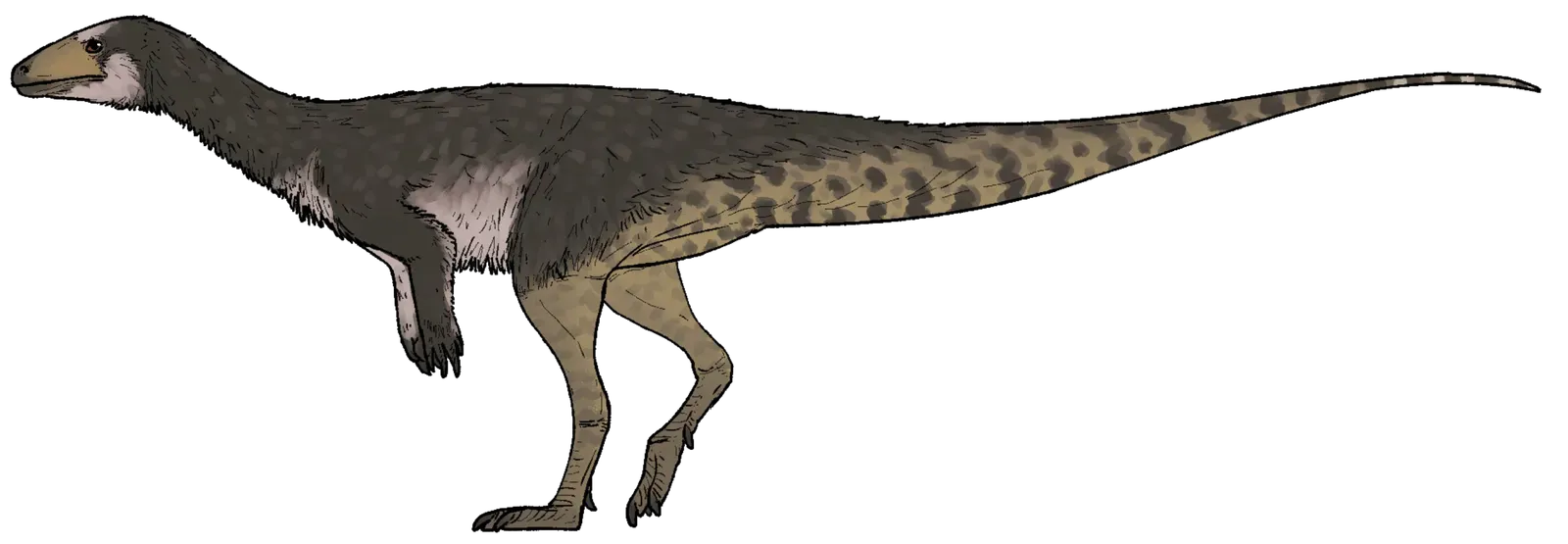
For generations, paleontologists have operated under a foundational assumption: dinosaurs originated in the high-latitude southern hemisphere, in the ancient supercontinent Gondwana, and only gradually spread northward millions of years later. It was a tidy, well-supported model. Then a fossil from Wyoming quietly blew a hole straight through it.
Paleontologists in the United States uncovered the fossilized remains of a new species of sauropodomorph dinosaur that lived in the northern hemisphere during the Carnian age of the Late Triassic epoch, around 230 million years ago. Named Ahvaytum bahndooiveche, it is the oldest known low-latitude dinosaur species globally. Until this discovery, the origin of dinosaurs was thought to be deeply rooted in the high-latitude southern hemisphere. Gondwanan dinosaur faunas and the oldest known dinosaur occurrence in the northern hemisphere were separated by 6 to 10 million years. The newly described Laurasian species, however, lived at the same time as the oldest known southern dinosaurs.
The presence of a 230-million-year-old, low-latitude early sauropodomorph from the northern hemisphere, along with a silesaurid, challenges the hypothesis of a delayed dinosaurian dispersal out of high-latitude Gondwana. In other words, dinosaurs were not slowly trickling north from a southern origin. They were apparently already everywhere, far earlier than anyone had supposed. It’s the kind of revision that forces you to reconsider not just one chapter of the story but the entire prologue.
Hollow Skin Spikes and Tiny Trailblazers: New Species Redefine Dinosaur Anatomy and Body Size
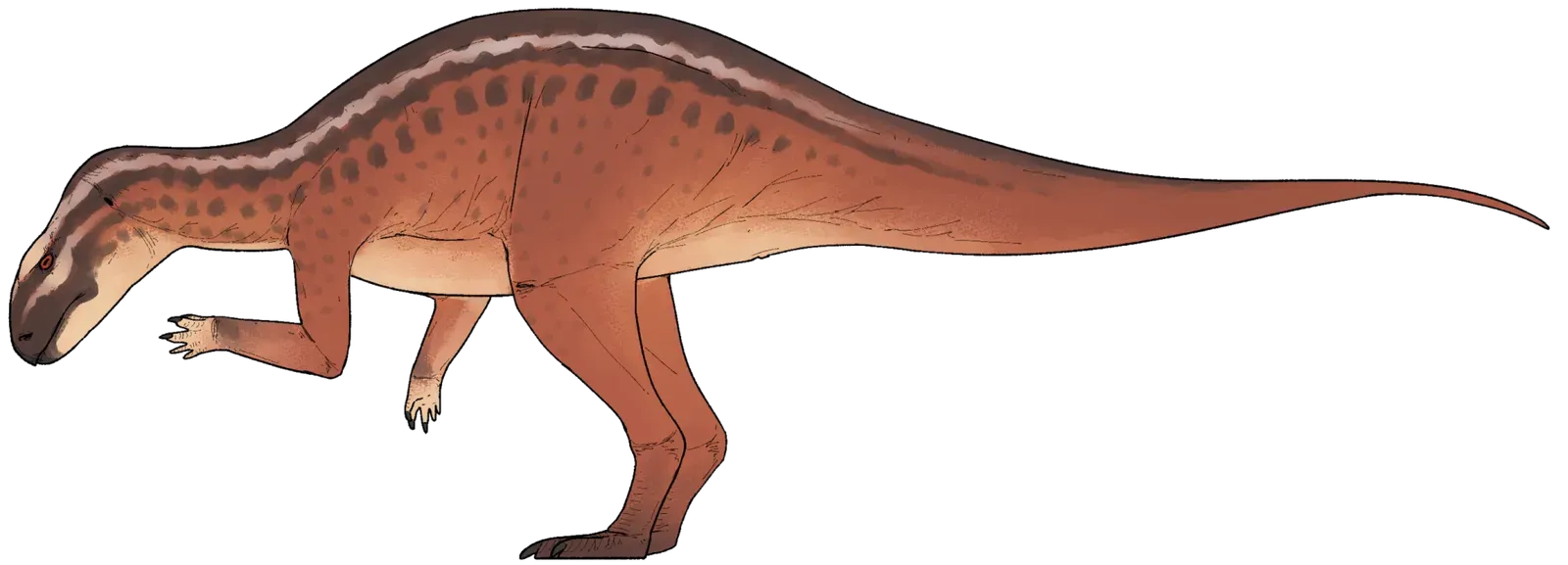
Some of the most surprising paradigm shifts don’t come from the biggest discoveries. They come from the smallest ones. Two recent finds, one a tiny plant-eater from Spain and the other a Chinese dinosaur covered in a body feature never before documented in any dinosaur, are forcing a complete rethink of how varied and experimental prehistoric anatomy actually was.
Researchers identified a previously unknown species that carried a type of body covering never before documented in any dinosaur. Scientists from the CNRS and collaborating institutions made the discovery in China, where they uncovered the fossilized remains of a remarkably well-preserved young iguanodontian. What makes this specimen extraordinary is not just its skeleton, but its preserved skin. Soft tissues rarely survive for millions of years, yet in this case, even microscopic details endured. These spikes, originating in the skin, covered much of the dinosaur’s body. Unlike horns or bony plates, they were not solid extensions of bone. Instead, they were hollow structures, a feature that has never previously been observed in dinosaurs.
A newly identified tiny dinosaur, Foskeia pelendonum, is shaking up long-held ideas about how plant-eating dinosaurs evolved. Though fully grown adults were remarkably small and lightweight, their anatomy was anything but simple, featuring a bizarre, highly specialized skull and unexpected evolutionary traits. Detailed bone studies show these dinosaurs matured quickly with bird- or mammal-like metabolism, while their teeth and posture hint at fast, agile lives in dense forests. As researchers put it, these fossils prove that evolution experimented just as radically at small body sizes as at large ones. It’s a humbling reminder that in the ancient world, even the little guys were quietly revolutionary.
Conclusion: Paleontology Is Not a Closed Book – It’s a Story Still Being Written
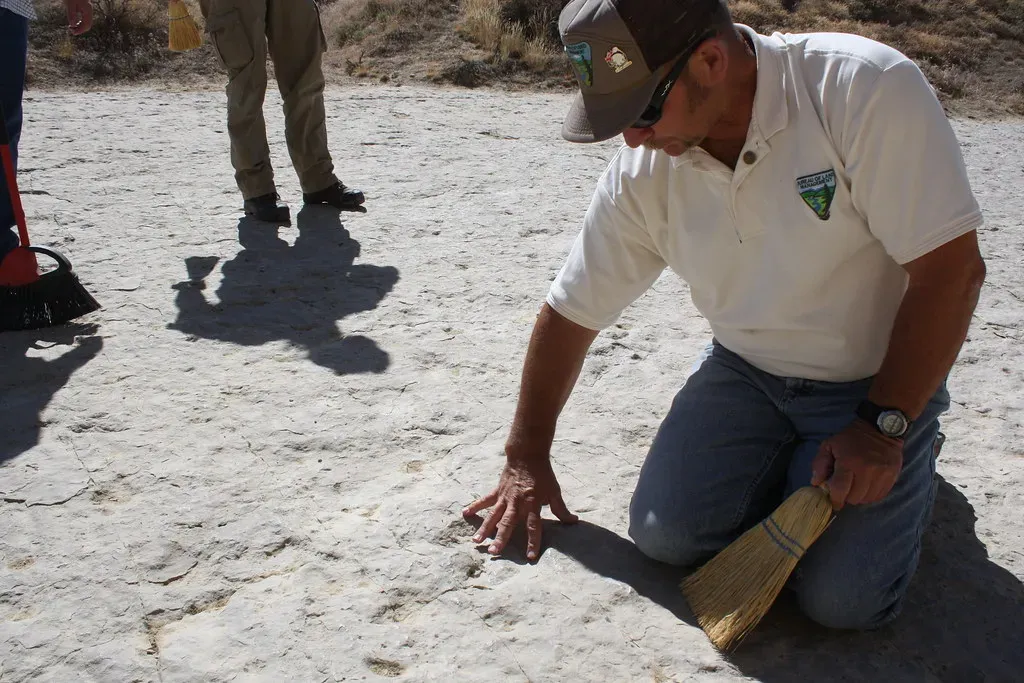
What all of these discoveries share is a single, thrilling implication: the version of dinosaur history you learned in school is almost certainly incomplete. Dinosaurs may be long extinct, but 2025 made it abundantly clear that they’re anything but settled science. New fossils, reanalyses of famous specimens, and the use of increasingly sophisticated tools have continued to upend what we thought we knew about how these animals lived, moved, fed, and evolved. Every assumption is a door waiting to be opened.
From the confirmation that T. rex shared its world with a separate, smaller tyrannosaur, to the evidence that soft tissue can persist across tens of millions of years, to the revelation that colossal plant-eaters wore complex color patterns instead of muted gray, the field is in a state of exhilarating upheaval. The year 2025 alone saw the discovery of 44 new dinosaur species, nearly one a week, with many coming from paleontological hotspots like Argentina, China, Mongolia, and the US, but also from places as unexpected as a Serbian village and the rainswept coast of northwest Scotland.
Here’s the thing: the most exciting discoveries may still be buried in the ground, or locked inside museum specimens waiting for the right technology to reveal their secrets. The picture of life in the Mesozoic is getting richer, stranger, and far more surprising than the textbooks ever predicted. What version of prehistoric life do you think we’re still getting completely wrong?