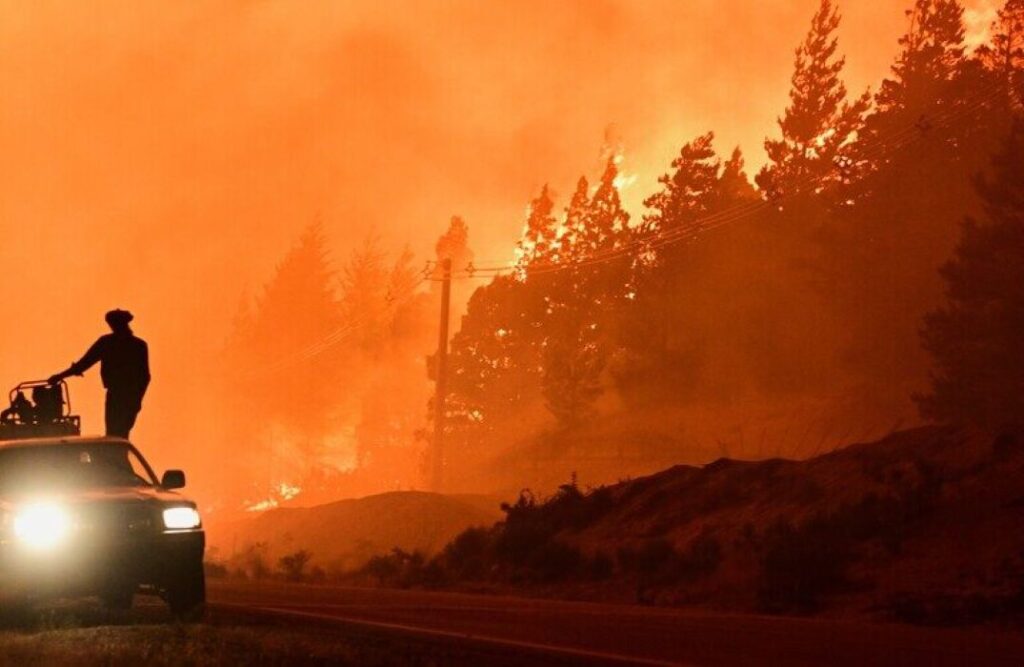
Chubut Province, Argentina – Wildfires that erupted in early January have charred tens of thousands of hectares across Patagonia, intensifying concerns about the nation’s strained capacity to protect its natural treasures.
Devastation Unfolds in Los Alerces National Park

Devastation Unfolds in Los Alerces National Park (Image Credits: Imgs.mongabay.com)
Officials described the blazes as the worst environmental tragedy in two decades after flames consumed between 12,000 and 21,000 hectares of forest and grassland near Los Alerces National Park. The fires broke out on January 5 in the park’s southern sector between Lakes Rivadavia, Futalaufquen, and Menéndez, with another igniting on northern hillsides. Prosecutors confirmed one started intentionally, while the cause of the second remained under investigation. Around 3,000 residents and tourists evacuated as smoke billowed toward National Route 40, prompting road closures.
Containment efforts persisted amid challenging conditions, including high winds, low humidity, and temperatures reaching 30 degrees Celsius. Some hotspots reignited, pushing total damage in Chubut beyond 35,000 hectares. Firefighters battled on multiple fronts, but extreme weather often grounded aircraft.
Irreplaceable Ecosystems at Risk
Los Alerces National Park, a UNESCO World Heritage site spanning 259,000 hectares, sheltered some of the planet’s oldest trees, including alerce cypresses exceeding 3,600 years in age. Endemic species such as the monito del monte marsupial and Magellanic woodpecker faced threats from the inferno’s spread beyond park boundaries. One blaze, sparked by lightning on December 9, escalated rapidly and destroyed a home while forcing additional evacuations near Villa Lago Rivadavia.
Chubut’s forests suffered nearly 32,000 hectares of loss in 2025 alone, a nearly threefold increase from the prior year, signaling a troubling trend linked to drier conditions.[1] Fire seasons, typically beginning in March, arrived earlier this year due to rising temperatures fueled by greenhouse gases and ozone depletion.
Budget Slashes Hamper Firefighting Response
Critics attributed prolonged outbreaks to severe funding reductions for environmental agencies since President Javier Milei assumed office in 2023. The former Environment Ministry downgraded to an undersecretariat saw its budget shrink 79.4% between 2023 and 2024. The National Fire Management Service lost 81% of its allocation, while the National Fund for Native Forests recorded zero spending.
The National Parks Administration operated with just 400 firefighters against a minimum need of 700, stretching thin across 5 million hectares. Low wages, averaging $500 monthly, prompted staff departures and multiple jobs among remaining personnel. Advocacy groups warned that such cuts transformed preventable incidents into major disasters.
| Agency | Budget Change |
|---|---|
| Environment Undersecretariat | -79.4% (2023-2024) |
| National Fire Management Service | -81%; 2026 down 70% from 2023 |
| National Parks Firefighters | 400 vs. needed 700 |
Experts Demand Urgent Reforms
Environmental organizations issued stark warnings. The Foundation for Environment and Natural Resources stated, “Reducing funds allocated to environmental protection translates into concrete and devastating damage to both ecosystems and people.” Greenpeace Argentina urged more prevention resources, firefighters, and penalties for forest destruction.
- Increase firefighter numbers and training budgets.
- Invest in water-bomber aircraft and early detection systems.
- Enhance national-provincial coordination for rapid response.
- Prioritize prevention over reaction amid climate pressures.
- Penalize arson and illegal land practices.
Hernán Giardini of Greenpeace emphasized, “The climate crisis demands preparation for an increase in fires, and political leaders must stop denying or underestimating this situation.” Chubut Governor Ignacio Torres deployed 400 firefighters alongside volunteers and aircraft, yet resource gaps persisted.
Key Takeaways
- Fires destroyed over 35,000 hectares in Chubut, threatening UNESCO-listed biodiversity hotspots.
- Budget cuts since 2023 left agencies critically understaffed and underequipped.
- Advocates push for restored funding to avert future catastrophes.
These blazes underscore the high stakes of environmental stewardship in a warming world; restoring adequate resources now could prevent tomorrow’s tragedies. What steps should Argentina take next? Tell us in the comments.