Peterborough Cathedral – A colossal full-scale skeleton of Patagotitan mayorum will soon dominate the historic nave, marking the first time London’s Natural History Museum has displayed this prehistoric giant outside the capital.
Scale That Defies Imagination
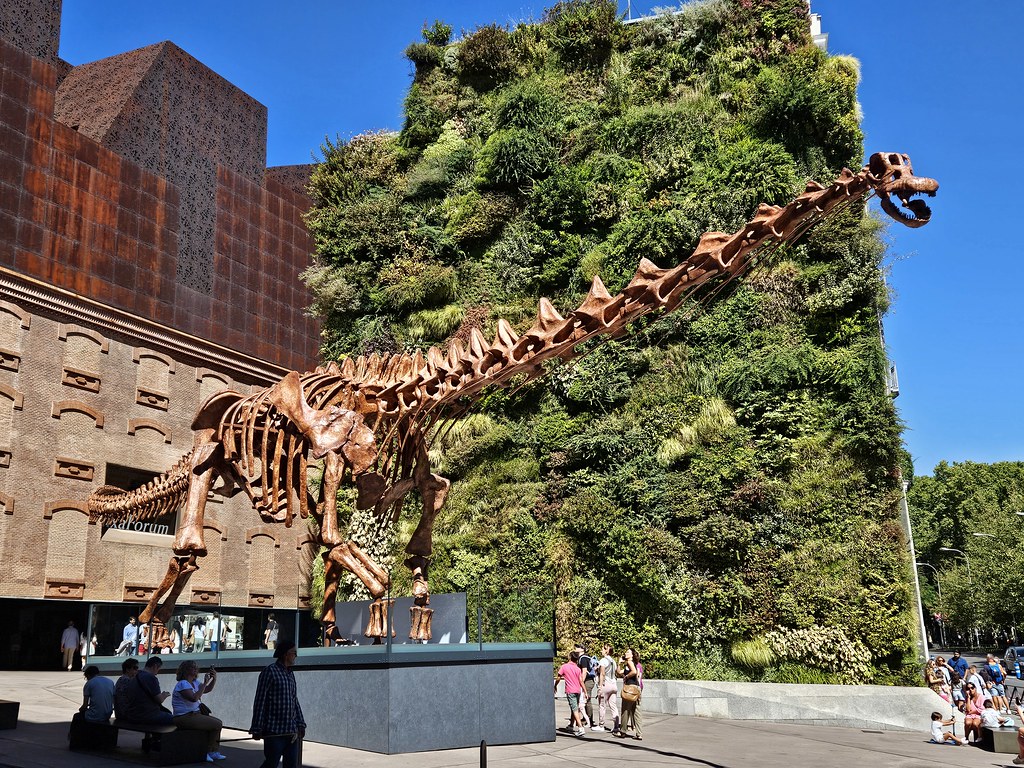
Scale That Defies Imagination (Image Credits: Flickr)
Stretching 37 meters from head to tail and rising up to eight meters tall, the Patagotitan mayorum cast dwarfs most modern structures and rivals the length of a basketball court. This herbivorous sauropod, capable of weighing 60 to 70 tonnes in life, will command the cathedral’s central crossing beneath its soaring arches. The sheer presence of the skeleton promises to transport visitors 101 million years back to the Early Cretaceous period in Patagonia, Argentina.
Discovered in 2010 when a local farmer spotted a massive bone protruding from the ground at La Flecha Ranch, excavations between 2012 and 2015 unearthed around 280 fossils from at least six individuals. That thigh bone alone measured 2.4 meters – longer than the height of an average adult. Such completeness sets Patagotitan apart as one of the best-preserved giant dinosaurs known to science.
From Argentine Plains to English Stones
The Natural History Museum crafted this precise cast from the original fossils, capturing the long-necked titanosaur’s pillar-like legs and peg-like teeth suited for stripping vegetation. Hatchlings grew rapidly, ballooning to ten times their birth weight within two months from grapefruit-sized eggs. Adults roamed South America, far predating humanity or even the construction of Peterborough Cathedral nearly 900 years ago.
Jack Pishhorn, chief operating officer at the cathedral, described the event as “one of the most ambitious and internationally significant exhibitions the cathedral has ever presented.” He highlighted how the display supports Peterborough’s cultural ambitions, including its 2029 City of Culture bid. The exhibit, titled “Seeing Is Believing,” bridges deep time with the present, even noting the Jurassic marine fossils embedded in the cathedral’s Barnack limestone walls.
Conservation Message Amid the Majesty
Bethan Parry, director of strategy and innovation at the Natural History Museum, emphasized the skeleton’s role in sparking wonder. “Its immense scale reminds us of the extraordinary giants that once roamed our planet and of the remarkable animals we still share it with today,” she stated. Parry connected the dinosaur’s legacy to modern threats facing elephants, rhinos, and blue whales from habitat loss and human activity.
The exhibition runs from April 13 to May 31, 2026, with tickets priced at £6 per person – available online via TicketSource or at the door. Supporter options include a voluntary donation to fund the cathedral’s upkeep and community programs. A dedicated chapel remains open for free prayer, ensuring spiritual access alongside the spectacle. Selected family activities and talks on prehistoric science will enhance visits.
Key Takeaways
- Patagotitan mayorum: 37m long, up to 70 tonnes, discovered in Argentina 2010.
- First display outside London, April 13–May 31, 2026, at Peterborough Cathedral.
- Tickets from £6; supports conservation and local culture.
This unprecedented fusion of medieval architecture and Mesozoic marvel offers a rare chance to confront Earth’s ancient giants up close. As the Titanosaur looms large, it invites reflection on our planet’s shared history and fragile future. What draws you to this prehistoric spectacle? Tell us in the comments.