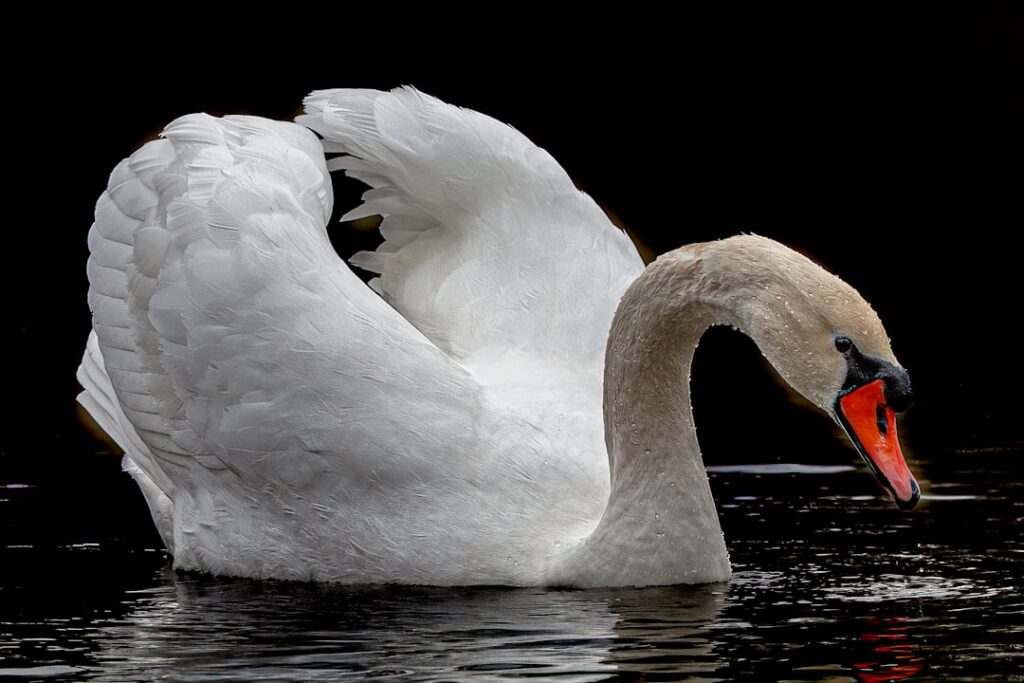
Apex Mountain, Canada – A pilot’s unexpected detour through snowy evergreen forests uncovered an injured trumpeter swan, prompting a swift rescue that restored the rare bird to its wetland home.
A Startling Sight on a Quiet Road
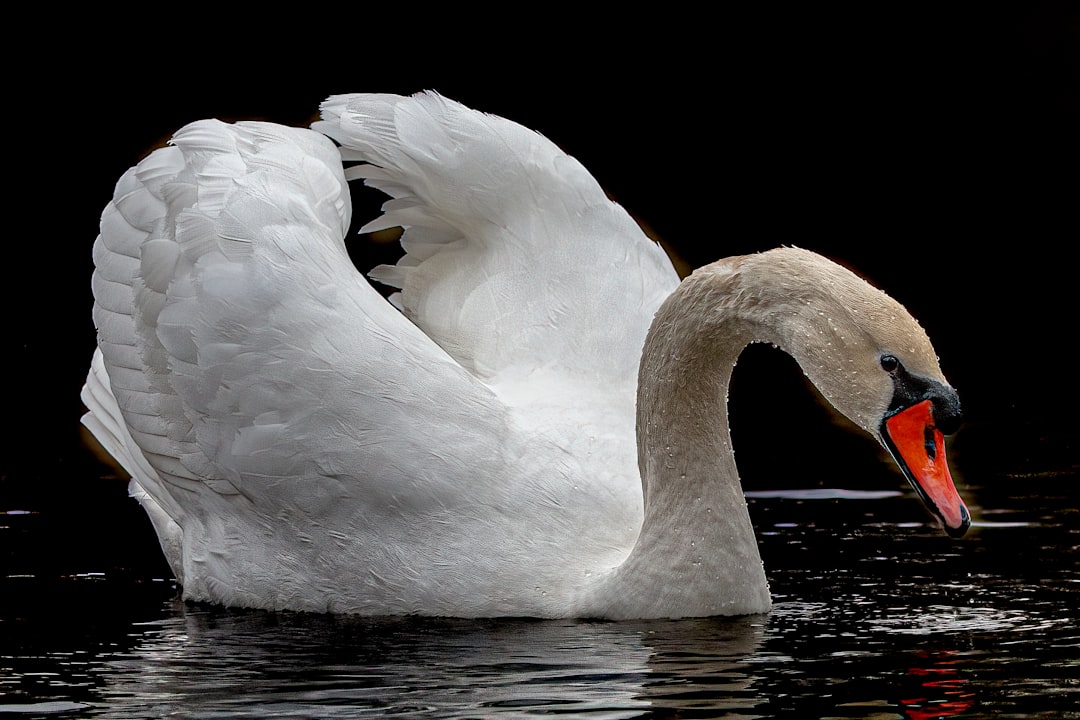
A Startling Sight on a Quiet Road (Image Credits: Unsplash)
Trumpeter swans seldom wander into alpine terrain, yet one lay motionless on an Apex Mountain road one crisp morning. Brandi Hansen, a local pilot and wildlife enthusiast with search-and-rescue experience, spotted the large white bird while driving her Jeep. Blood stained its feathers, and its unusual calm demeanor signaled severe distress rather than typical wariness.
Hansen noted the bird’s steps toward her, a sign of exhaustion or shock. Healthy wild swans usually flee humans, but this one appeared desperate. She decided immediate action outweighed any risks.
Calm Handling and Urgent Transport
Hansen enlisted her daughter Sienna to assist. They approached slowly and draped a wool blanket over the swan, covering its eyes to minimize stress. This technique kept the bird composed as they lifted it into the vehicle.
Rather than her impending flight duties at the nearby airport, Hansen prioritized the swan. She drove 40 minutes to the SPCA Penticton Veterinary Hospital, ensuring professional intervention without delay. Her training proved invaluable in those critical moments.
Expert Treatment Begins
At the hospital, veterinarian Dr. Mike Tigchelaar examined the swan promptly. He treated visible wounds and administered pain relief, recognizing how wild birds often conceal suffering until critical.
The trumpeter swan, North America’s largest native waterfowl, required specialized care due to its size and rarity in the region. Initial stabilization focused on comfort and infection prevention. Progress appeared within days.
Rehabilitation and Triumphant Release
Once stable, staff transferred the swan to the Interior Wildlife Rehabilitation Society for extended recovery. There, it received rest, nutrition, and habitat-suited therapy in a controlled environment.
Officials soon deemed the bird fit for the wild. They released it into a protected wetland, ideal for feeding and socializing far from mountain perils.
- Trumpeter swans thrive in low-elevation wetlands, making the Apex Mountain sighting exceptional.
- Quick human intervention prevented further injury or predation.
- Collaborative efforts between individuals and organizations ensured full recovery.
- Rescues like this bolster conservation for vulnerable species.
- Proper handling techniques, such as eye covering, reduce stress in wild animals.
Key Takeaways
- Spot distress signals like unusual calm in wild animals and act fast.
- Transport to experts rather than attempt solo treatment.
- Organizations like wildlife rehab centers play vital roles in successes.
This rescue highlights how vigilance and expertise can turn a chance encounter into a conservation win. The swan’s return to its habitat reminds us of fragile ecosystems and human impact. What wildlife encounters have you witnessed? Share in the comments.