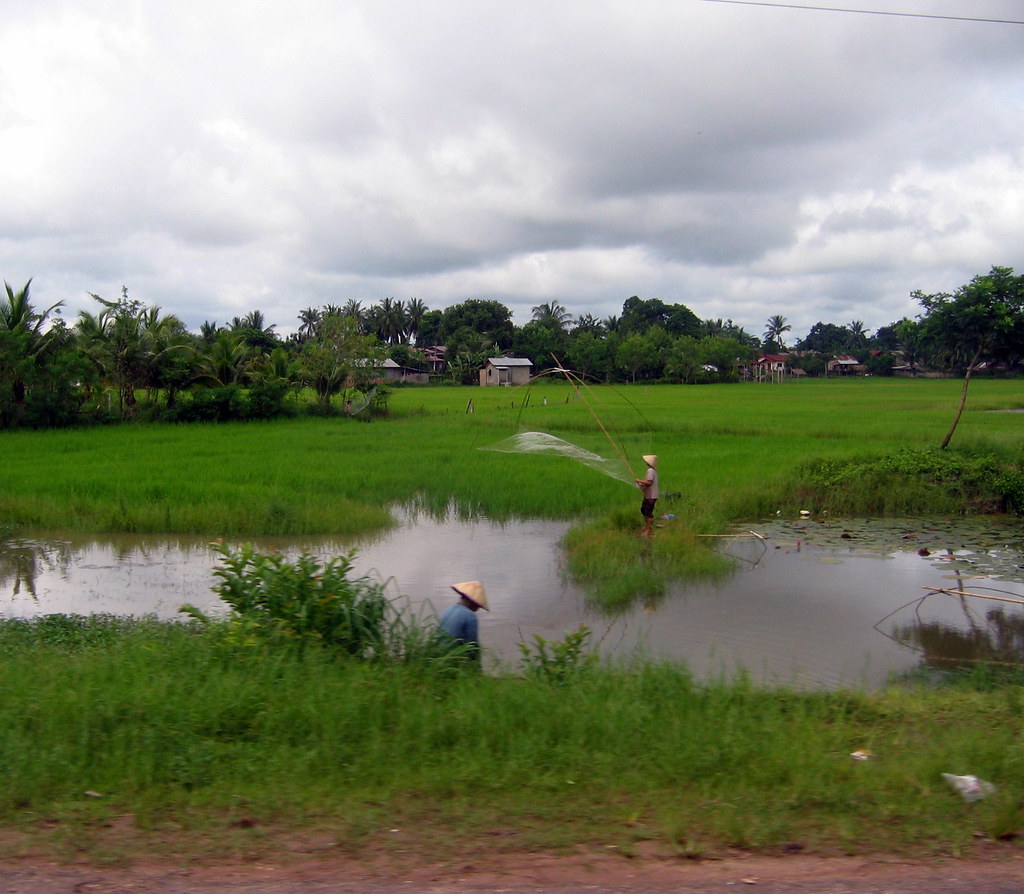
Pontal do Paranapanema, Brazil – Vast expanses of sugarcane dominate the horizon along the Paraná River, marking the border between São Paulo and Mato Grosso do Sul states. This region, once blanketed in semideciduous seasonal forest of Brazil’s Inland Atlantic Forest, now supports expansive monocultures that have displaced much of the original ecosystem. Land reform settlers, descendants of families who endured decades of struggle for secure tenure, have shifted from clearing land to restoring it through ambitious reforestation efforts.
Roots in Conflict, Branches Toward Restoration
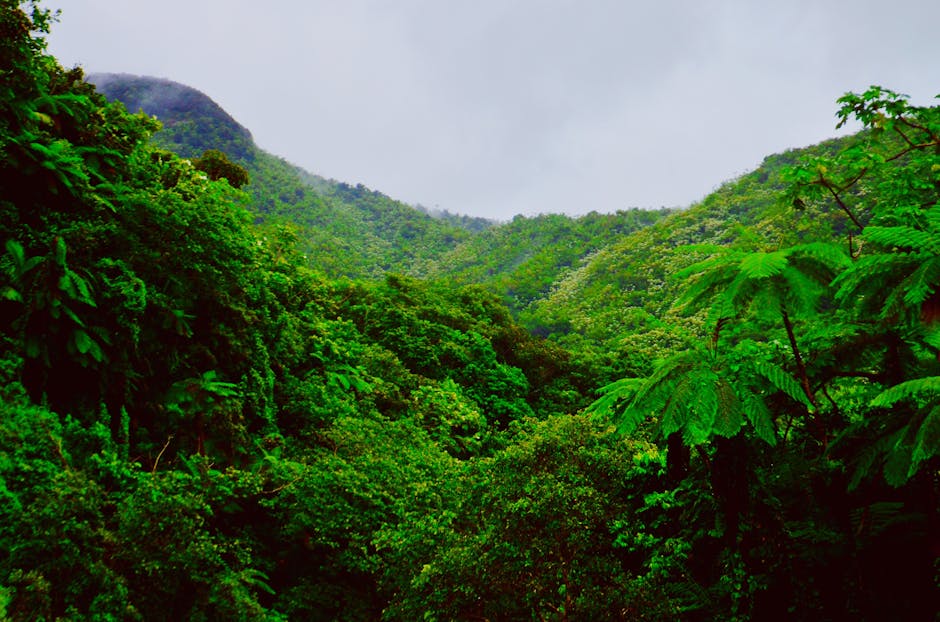
Roots in Conflict, Branches Toward Restoration (Image Credits: Pexels)
The Pontal do Paranapanema region endured severe deforestation starting in the early 20th century, fueled by the Sorocabana Railway’s expansion for coffee and timber transport. Land grabs followed, displacing Indigenous groups like the Kaiowá and Kaingang while cattle ranching and sugarcane plantations claimed native habitats. By the mid-20th century, forest cover dwindled to just 1.8% in parts of the area.
Agrarian reform in the 1990s brought thousands of landless families, creating São Paulo’s highest concentration of settlements: 98 state-run sites spanning 120,000 hectares and 23 federal ones covering 30,000 hectares. Initial tensions arose from hunting and farming pressures, but partnerships transformed these communities into conservation allies.
Today, only 8% of native vegetation persists regionwide, with some municipalities below 2%. Yet, recovery efforts signal a profound turnaround.
Corridors of Life: A Monumental Push Since 2002
Launched by the Institute for Ecological Research (IPÊ) in 2002, the Corridors of Life project unites settlers in restoring degraded lands. Families have planted 10 million trees across more than 6,000 hectares, using nearly 70 native species like ipês, aroeiras, and guarantãs. The initiative targets ecological corridors linking protected areas such as Morro do Diabo State Park.
General coordinator Laury Cullen Jr. noted that up to 250,000 hectares of degraded land from the past four decades remain restorable. The project’s vision extends to 75,000 hectares across 30 municipalities by 2041 – roughly New York City’s size – potentially yielding 150 million trees and over 28 million carbon credits.
- Over 1,500 hectares of corridors reforested, connecting forest fragments.
- Community nurseries producing hundreds of thousands of seedlings annually.
- Integration of assisted natural regeneration and enrichment planting.
- Carbon sequestration projected at more than 36 million tons of CO2 equivalent over 44 years.
Empowering Families Through Green Businesses
Haroldo Gomes, IPÊ field coordinator and son of settlers, recalled arriving at an encampment at age 11 and fleeing gunfire during occupations. Now, he transports saplings in his truck, guiding plantings on dirt roads. Brothers Edmilson Bispo and José do Carmo exemplify the shift: Their Bispo Ecological Restoration Services grew from three to 10 employees, restoring 170 hectares at Categeró Farm in Teodoro Sampaio.
A network of 21 “rural startups” founded by settlers handles planting and maintenance, employing 342 people. More than 2,000 individuals from settlements have received training in agroecology and seed collection. Women-led groups like Coperamas, under president Maria Nazaré da Silva Montemor, restored 120 hectares in 2024, using profits to enhance local services like milk production.
| Type | Number | Area (hectares) |
|---|---|---|
| State settlements | 98 | 120,000 |
| Federal settlements | 23 | 30,000 |
Edmilson Bispo found stability in restoration: “Here, if we do things right, I can plan the income I’ll have at the end.” Nazaré added, “One woman gives strength to another,” as community efforts rippled into broader economic gains.
Reviving Wildlife in a Fragmented Landscape
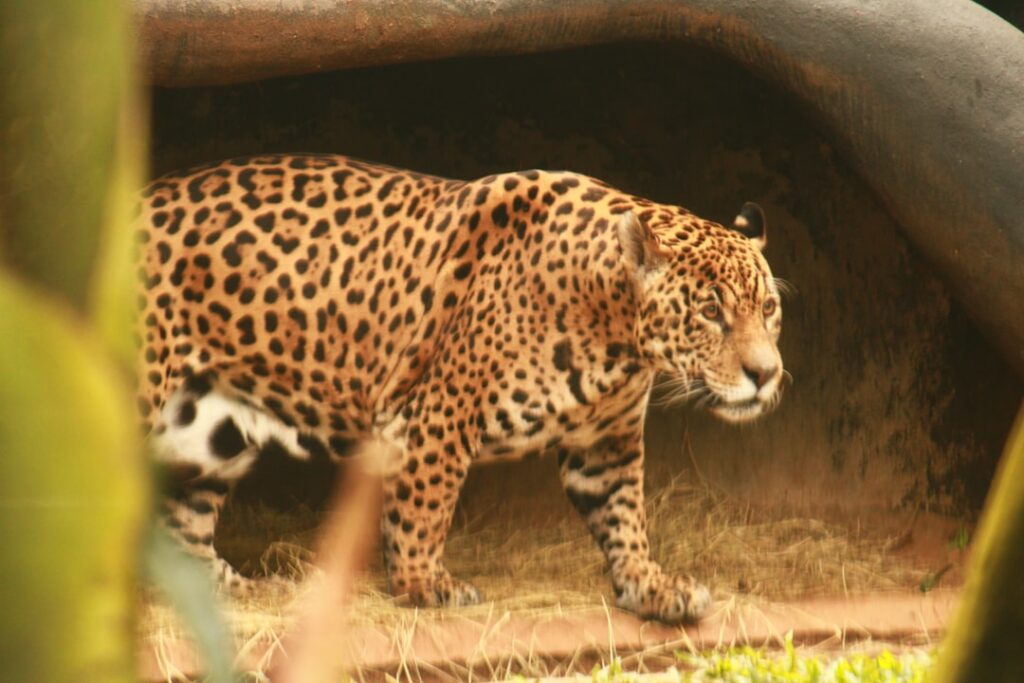
Restoration reconnects habitats for endangered species, including the black lion tamarin, jaguars, and giant anteaters. Corridors link Morro do Diabo State Park to fragments, reducing edge effects and enabling movement, as tracked by camera traps and eco-acoustics. The tamarin population, once feared extinct, has stabilized through these efforts.
Agroforestry stepping stones boost bird and butterfly diversity while providing livelihoods like shade-grown coffee, yielding up to $1,000 per hectare annually.
Key Takeaways
- 10 million trees planted, restoring 6,000+ hectares since 2002.
- 75,000-hectare goal by 2041, empowering 2,000+ trained settlers.
- Wildlife corridors aid species recovery amid 92% forest loss.
This settler-driven model proves restoration can align conservation with human prosperity. As forests regrow, Pontal do Paranapanema offers a blueprint for Brazil’s Atlantic Forest recovery. What do you think about these efforts? Tell us in the comments.