Austin, Texas – A young porcupine on the brink of death received a second chance at Austin Wildlife Rescue after a Good Samaritan delivered the ailing animal to the facility.
A Shocking Arrival Demands Swift Intervention
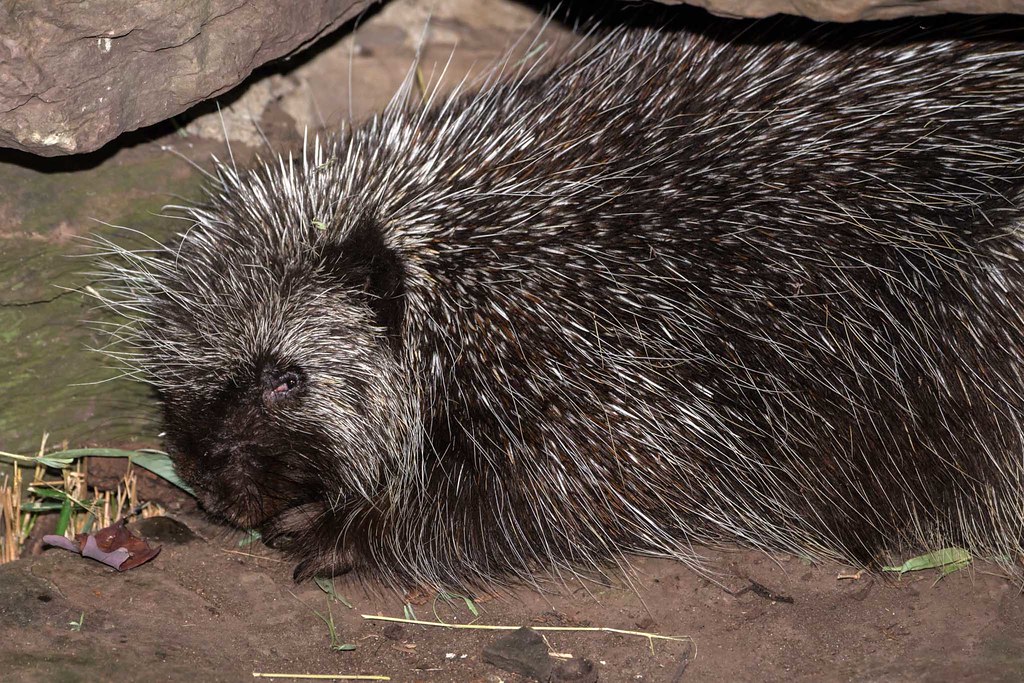
A Shocking Arrival Demands Swift Intervention (Image Credits: Flickr)
The porcupine arrived in the worst condition staff had ever witnessed for such a young animal. Thick, dry scales covered its body, with only sparse patches of quills and fur remaining. Exhaustion left it too weak to eat, compounded by dehydration and a systemic infection.
Rescuers identified severe mange and ringworm as the culprits. These conditions caused intense irritation, hair loss, quill shedding, and abnormal keratin buildup that formed crust-like growths. Kathryn Mattison, operations manager at the rescue, recalled the urgency: “the animal was in such rough shape that staff did not hesitate. They began medications and fluids right away to address dehydration and systemic infection.”
Without prompt care, the porcupine faced a grim outcome. The team acted decisively to stabilize it.
Tailored Treatment Sparks Visible Progress
Treatment commenced immediately with fluids, pain relief, and targeted medications. Aggressive antifungal and antiparasitic therapies included oral doses and topical applications to eliminate mange mites. Staff housed the porcupine in a large incubator to maintain warmth in its nearly naked state.
No sedation or baths proved necessary. The animal shed the thick crusts naturally through scratching, avoiding added stress. Within days, scales began flaking away to reveal healthier skin underneath.
- Days after arrival: Crusts loosen and fall off.
- Weeks into care: Posture improves; confident movements return; quill stubble appears.
- Ongoing: Continued medications for several more weeks.
Playful Traits Surface as Strength Returns
As physical recovery advanced, the porcupine’s personality emerged. Staff nicknamed it CW and noted its mischievous side. It tipped over food and formula bowls, stretched out with feet in the air, and lounged comfortably in the incubator.
Mattison described the change fondly: “watching his journey from a miserable, scaly animal into what she affectionately called a ‘naked baby’ sporting a ‘killer mullet’ of remaining quills along his back.” Rescuers called it “quite the ham,” highlighting its growing comfort and exploratory nature. This shift signaled deeper healing beyond the surface.
Path to Freedom Lies Ahead
Full regrowth of quills and fur will take about a year due to the slow natural process. Release remains on track for around this time next year, once the porcupine regains full strength, sharp instincts, and independence. Ongoing supervision ensures no setbacks, including confirmation that the infection spared its lungs.
Austin Wildlife Rescue continues its dedicated work with wildlife in distress. Stories like CW’s underscore the impact of timely intervention.
- Severe mange and ringworm transformed the porcupine into a “naked” figure, but targeted treatments reversed the damage.
- Self-shedding crusts and incubator care minimized stress during recovery.
- Playful behaviors now indicate a strong candidate for wild release next year.
This porcupine’s story exemplifies resilience and expert care in wildlife rehabilitation. What do you think about such heartwarming rescues? Tell us in the comments.