Think you know all about North America’s prehistoric animals? Sure, everyone’s heard of the woolly mammoth and the saber-toothed cat. Those creatures get all the attention, splashed across museum exhibits and nature documentaries. They’re the rock stars of the Ice Age. Yet beneath the surface of popular knowledge lies a hidden world of extraordinary beasts that stalked, grazed, and dominated this continent thousands of years ago.
You’ve probably never encountered most of these creatures in textbooks or on television. Some were utterly bizarre in appearance, while others were so massive they’d dwarf modern animals. Their stories have been pieced together from fossilized bones scattered across the continent, from tar pits in California to caves in Wyoming. Let’s dive into a fascinating journey through time to meet eight prehistoric animals that once called America home, creatures so incredible they seem almost fictional.
The American Cheetah: A High-Speed Predator That Wasn’t Really a Cheetah
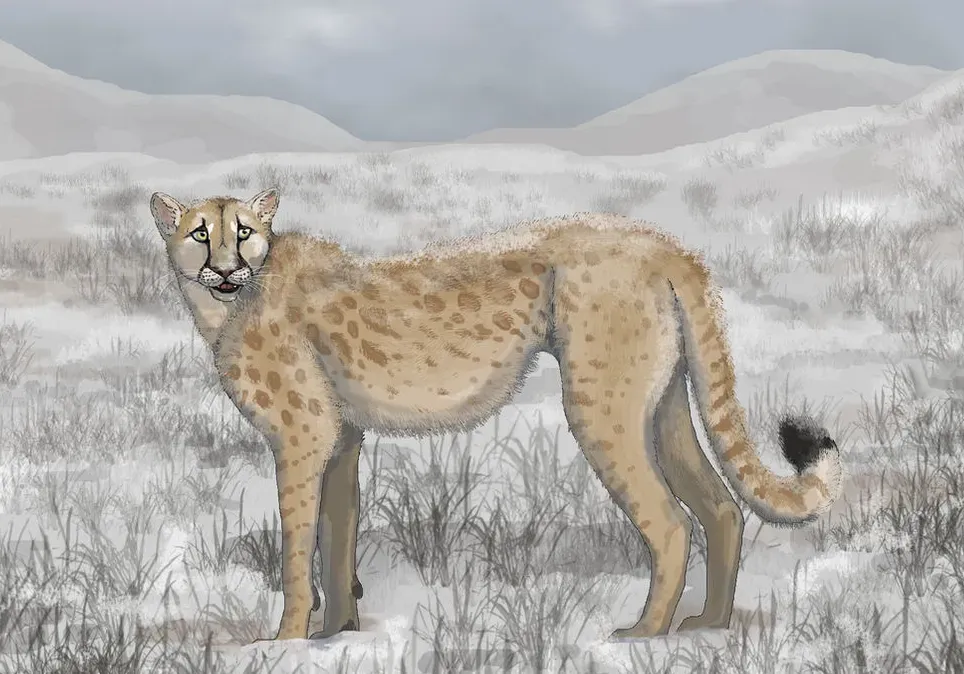
Thousands of years ago, snow leopard-like cheetahs hunted mountain goats across tricky terrain in America, with the big cat known as the American cheetah (Miracinonyx trumani) ruling the landscape in ways that might surprise you. Here’s the twist that makes this animal so fascinating: despite its name and cheetah-like build, it wasn’t actually related to African cheetahs at all.
American cheetahs are closely related to modern cougars, and stood about 2.75 feet high and weighed about 156 pounds, making them formidable hunters perfectly adapted for pursuing prey across varied terrain. Unlike their African namesakes that prefer flat savannas, these cats navigated rocky outcrops and mountainous regions with remarkable agility. The convergent evolution that gave them their cheetah-like appearance is a testament to how similar environmental pressures can shape completely unrelated species into strikingly similar forms.
Glyptodon: The Volkswagen-Sized Armadillo
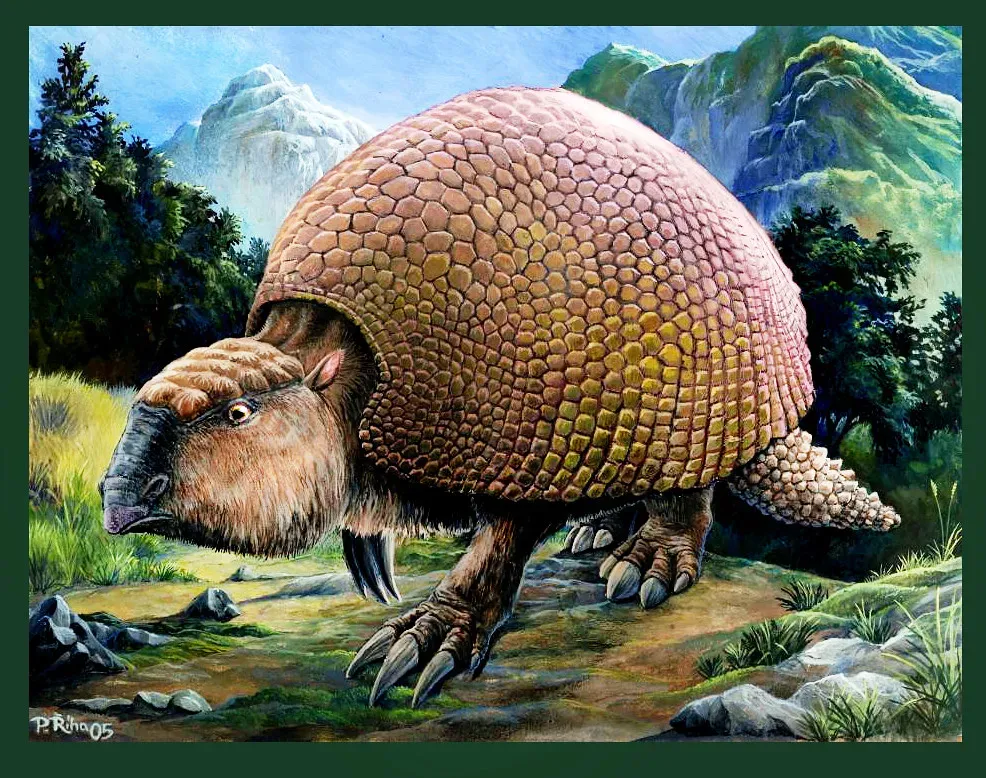
The creature that we have come to know as the Glyptodon looked like a giant version of its distant relative, the armadillo, with a shell made of bony plates, and the armored, 1-ton creature probably traveled across the Isthmus of Panama to North America from South America. Imagine encountering something that looks like an armadillo but weighs as much as a small car.
The American cheetah and ground sloth lived in North America alongside enormous armadillolike creatures until they mysteriously died out about 10,000 years ago, with American cheetahs, enormous armadillo-like creatures and giant sloths calling North America home until the end of the last ice age. The Glyptodon’s protective armor made it nearly invincible against most predators, though it couldn’t outrun them. Its clubbed tail could deliver devastating blows to any creature foolish enough to attack. Overhunting by humans caused the last glyptodons to die out shortly after the last Ice Age, ending millions of years of evolutionary success.
Giant Short-Faced Bear: The Largest Carnivorous Mammal in North America
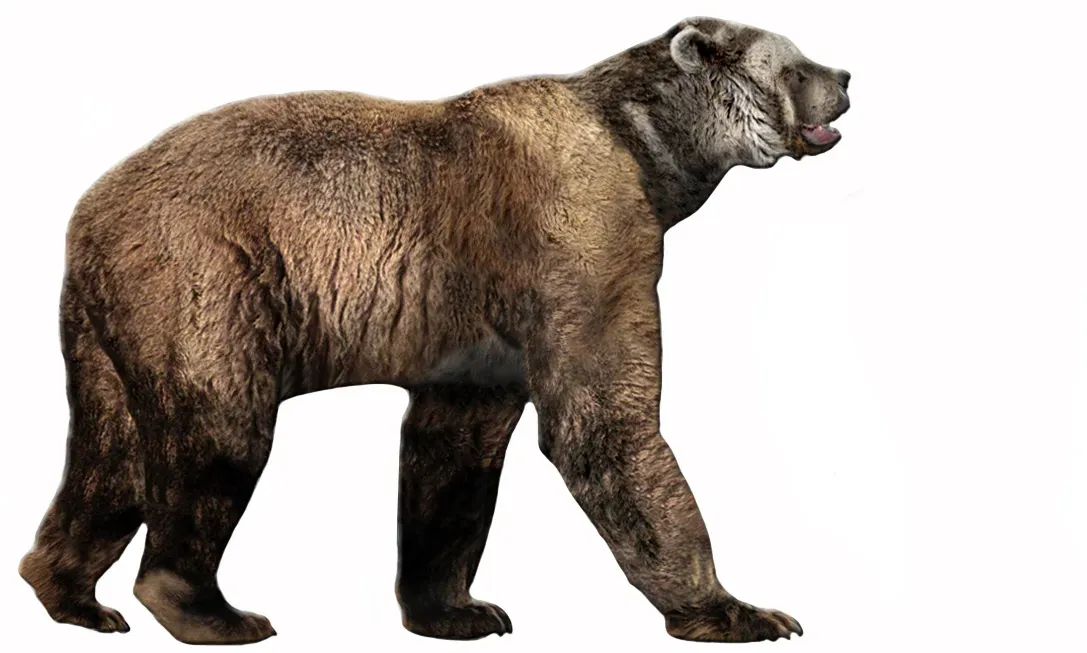
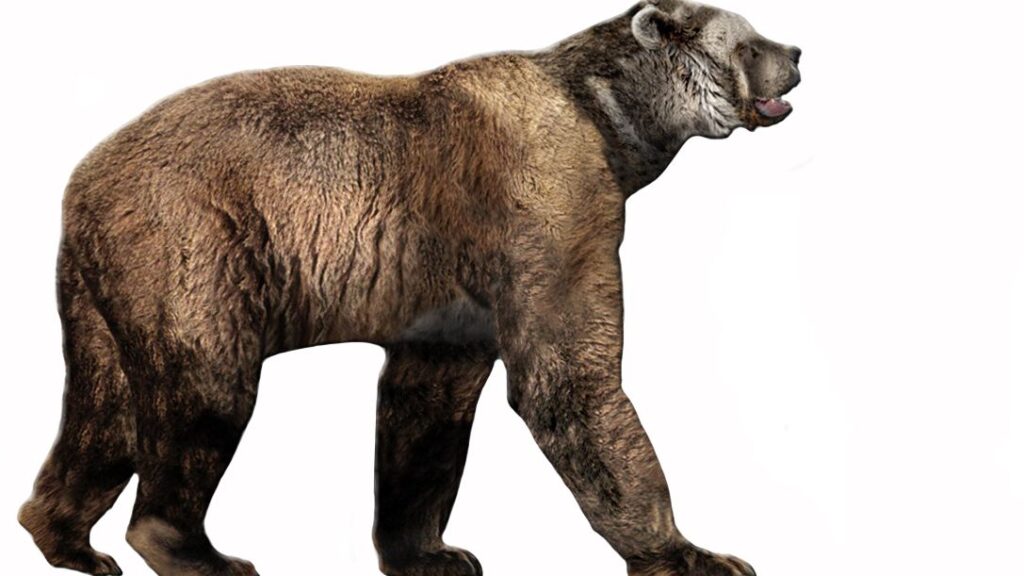
The giant short-faced bear (Arctodus simus) was the largest carnivorous mammal to ever roam North America, and standing on its hind legs, an adult giant short-faced bear boasted a vertical reach of more than 14 feet. Let’s be real, this bear would make a modern grizzly look like a cuddly teddy by comparison.
The most striking difference between modern North American bears and the giant short-faced bear were its long, lean and muscular legs, which has given rise to the idea that it was a ‘cursorial’ predator that ran after prey. To survive, these bears would have had to consume approximately 35 pounds of meat each day, requiring them to be incredibly efficient hunters or scavengers. Around 11,000 years ago, the short-faced bear inhabited North America, and at the height of its existence, short-faced bears were the most common bear found in North America.
Camelops: North America’s Native Giant Camel
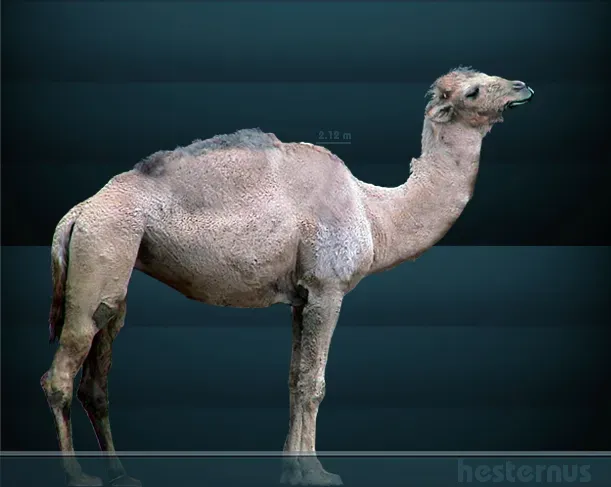
Camelops are extinct large camels from western North America, which existed between 3.6 million years ago and 11,700 years ago, though beyond the Mississippi River, there is no record of Camelops. Most people assume camels are exclusively Middle Eastern animals, yet they actually evolved right here on this continent.
About 45 million years ago, the camelid family evolved in North America during the Eocene period, and an adult Camelops stood about 7 feet tall and weighed 1,764 pounds. These impressive herbivores roamed in large herds across the western landscapes, grazing on vegetation that no longer exists in those regions. Eventually, some camelid ancestors migrated across the Bering Land Bridge to Asia, where they evolved into the dromedaries and Bactrian camels we know today, while their North American cousins vanished at the end of the Ice Age.
Giant Beaver: A Rodent the Size of a Black Bear
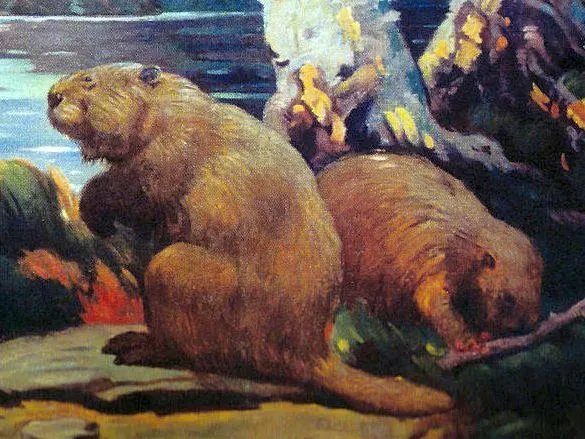
Giant beavers (Castoroides ohioensis) were once found in North America as the largest rodent to have ever lived, part of the megafauna living in North America during and after the last ice age, and this rodent was the largest ever found in North America. Try wrapping your head around that: a beaver that could look a bear in the eye.
In size, it was comparable to a black bear, and an aquatic plant-eating animal, the giant beaver lived in lakes and ponds. Unlike modern beavers, these giants probably didn’t build elaborate dams or lodges. Their massive size and different tooth structure suggest they had a lifestyle distinct from their smaller descendants. Encountering one of these creatures emerging from a pond would have been truly startling, perhaps even terrifying, given their sheer bulk and imposing presence.
Dire Wolf: The Real Beast Behind the Fantasy
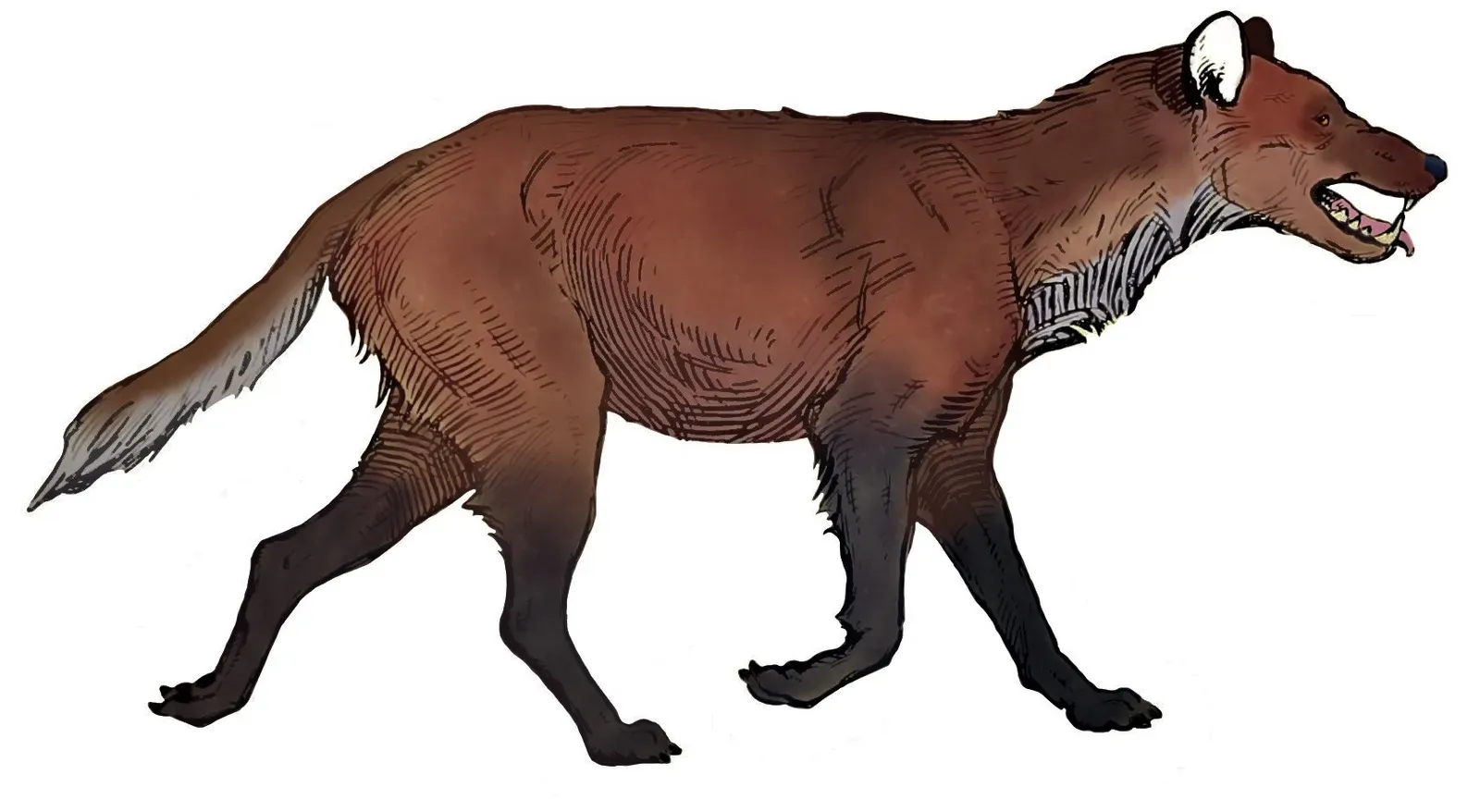
Game of Thrones didn’t invent the dire wolf breed, as in North America, they actually existed, and although dire wolves went extinct about 13,000 years ago, their bones are abundant in California’s La Brea Tar Pits and Wyoming’s Natural Trap Cave. These predators were very real and considerably different from modern wolves.
About 5.7 million years ago, dire wolves split from wolves, making them distant relatives of today’s wolves on the canid family tree. They had stockier builds, more powerful jaws, and were adapted for crushing bones rather than just slicing flesh. Their hunting strategies likely differed significantly from modern wolf packs, specializing in taking down the massive megafauna that shared their environment. The La Brea Tar Pits alone have yielded thousands of dire wolf specimens, making them one of the most studied extinct carnivores.
Megalonyx: The Giant Ground Sloth That Puzzled Thomas Jefferson

When President Thomas Jefferson learned about a strange claw fossil found in Ohio, he asked explorers Meriwether Lewis and William Clark to search for giant lions during their western trek to the Pacific, though the claw didn’t belong to a lion but was part of Megalonyx, an extinct ground sloth. Jefferson believed these creatures might still be alive in unexplored western territories.
Megalonyx traveled to North America from South America, and ground-sloth fossils indicate that these animals began living in South America about 35 million years ago, with researchers uncovering a 4.8 million-year-old Megalonyx fossil in Mexico, and later, specimens found in present-day America, especially in areas that used to have forests and wetlands. These sloths were nothing like the slow-moving tree dwellers of today. They were massive terrestrial herbivores that could rear up on their hind legs to reach high vegetation, using their enormous claws to pull down branches.
Hemiauchenia: The Swift Llama of Prehistoric America

Hemiauchenia was a long-legged llama and a fast-moving grazer, found from coast to coast across the continent, inhabiting environments that ranged from grasslands to semi-arid regions. This elegant creature represents yet another member of the camelid family that thrived in prehistoric North America before disappearing entirely.
Unlike modern llamas, Hemiauchenia had significantly longer limbs built for speed rather than mountain climbing or pack carrying. They likely lived in large herds and could outrun many predators across open terrain. These swift grazers filled an ecological niche similar to modern pronghorn antelope, demonstrating remarkable adaptation to the varied landscapes of Ice Age America. Their fossils have been discovered from coast to coast, showing just how widespread and successful this species once was before climate shifts and possibly human arrival contributed to their extinction.
Conclusion: Vanished Giants and Lingering Mysteries
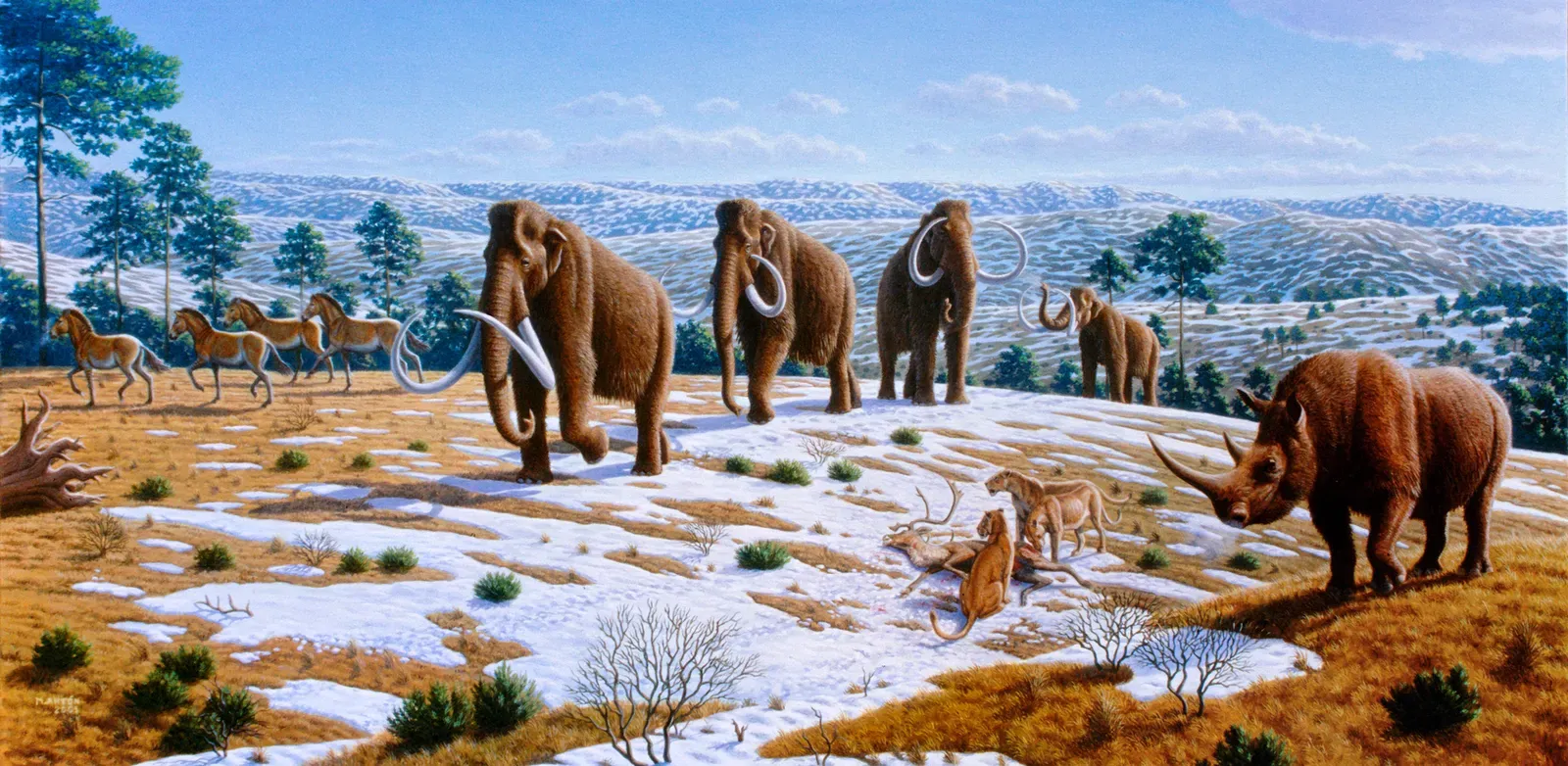
When the glaciers receded in the late Pleistocene, North America was home to dozens of thriving species of extra-large mammals known as megafauna, though around 10,000 years ago, nearly all of those giant creatures were wiped out. The disappearance of these magnificent beasts remains one of paleontology’s most compelling mysteries.
Given the large amount of megafauna in the northeast, and the lack of evidence for human involvement in their demise, climate and environmental stresses must have also played a key role in these extinctions. Whether it was rapid climate change, human hunting pressure, disease, or some combination of factors, we lost an entire world of incredible creatures that had dominated this continent for millions of years. These eight animals represent just a fraction of the bizarre and wonderful megafauna that once roamed America, creatures so extraordinary that they challenge our imagination and remind us how dramatically our world has changed. What other incredible beasts might still be waiting to be discovered in the fossil record?