Picture yourself standing on a windswept cliff millions of years ago, watching something extraordinary unfold in the sky above. A shadow passes over you, so vast it momentarily blocks out the sun. You look up and freeze. What you see defies everything you know about birds.
This isn’t science fiction. These colossal creatures actually existed, soaring through ancient skies with wingspans that would make modern aircraft engineers do a double take. Let’s dive in and explore the fascinating world of prehistoric giants that truly ruled the air.
Pelagornis Sandersi: The Record Holder Nobody Saw Coming

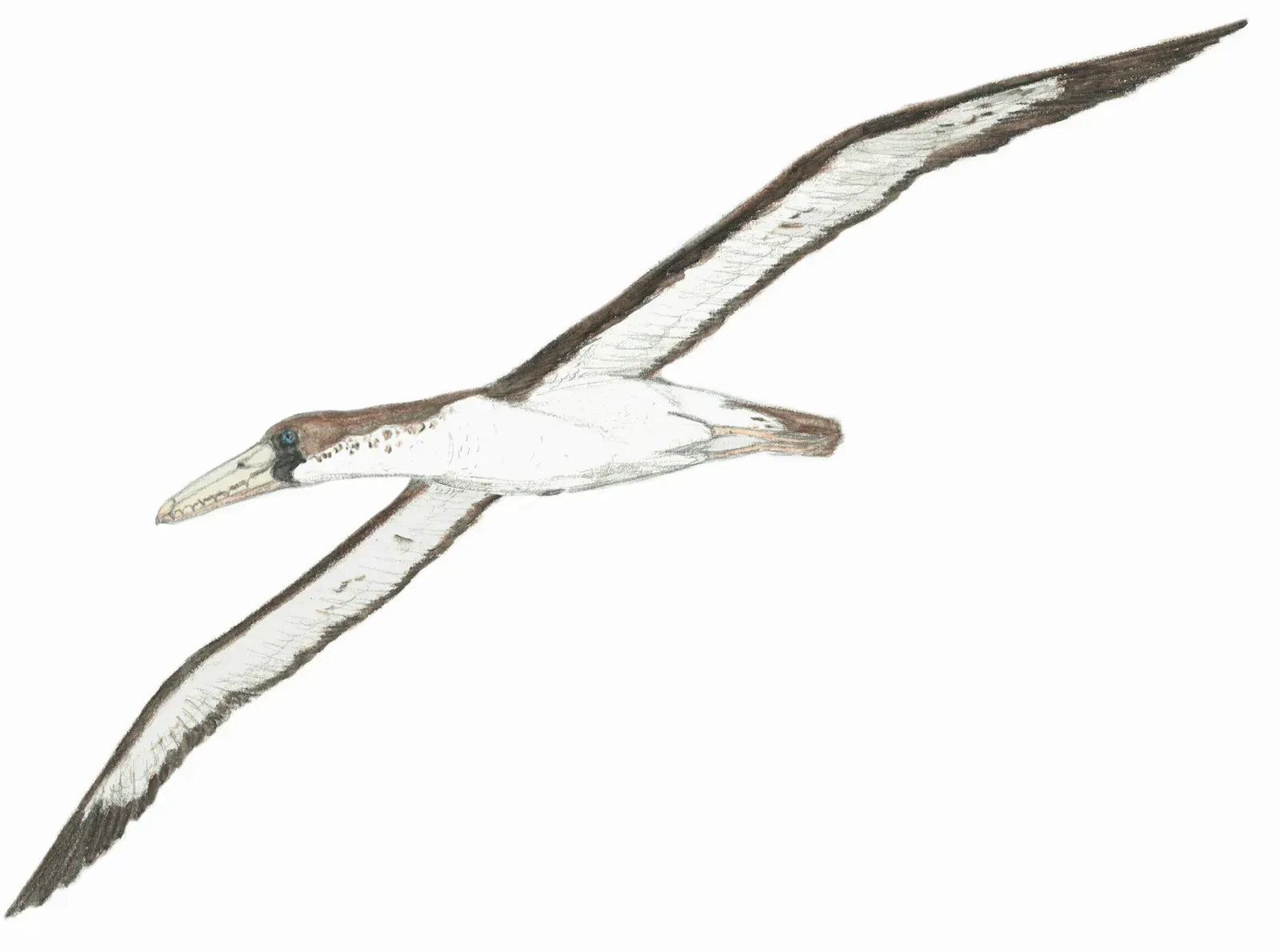
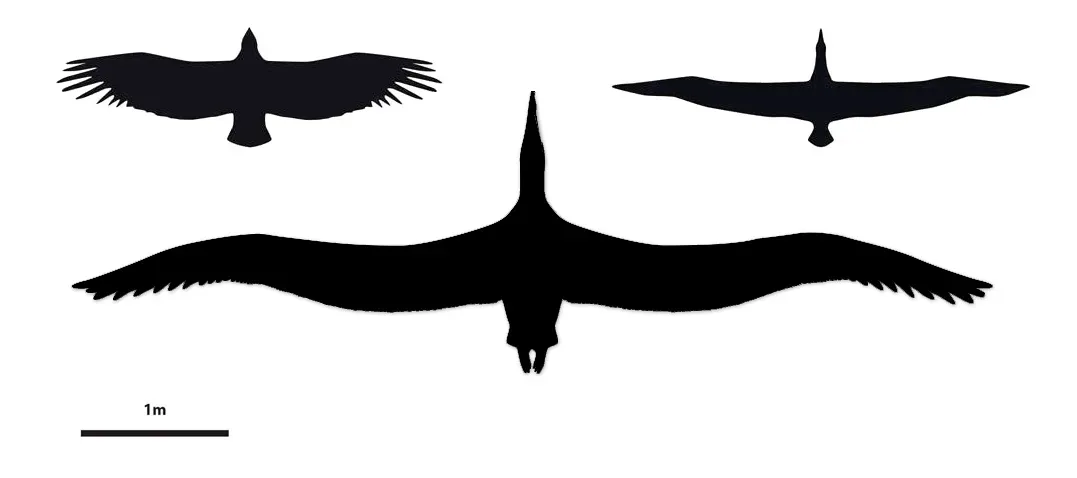
When construction workers were digging at Charleston International Airport back in 1983, they had no idea they’d just unearthed what would turn out to be the largest flying bird ever discovered. Pelagornis sandersi lived roughly 28 million years ago in what is now North America, and honestly, its dimensions are hard to wrap your head around.
The wingspan of this ancient seabird ranged from about 19 feet 11 inches to an astonishing 24 feet 3 inches. That’s longer than a stretch limousine, and nearly twice the size of today’s largest flying birds. Its wingspan vastly exceeded that of any living flying birds, almost twice that of the largest living albatrosses. Let’s be real, imagining a bird this size is genuinely mind blowing.
The Terrifying Teeth That Weren’t Really Teeth
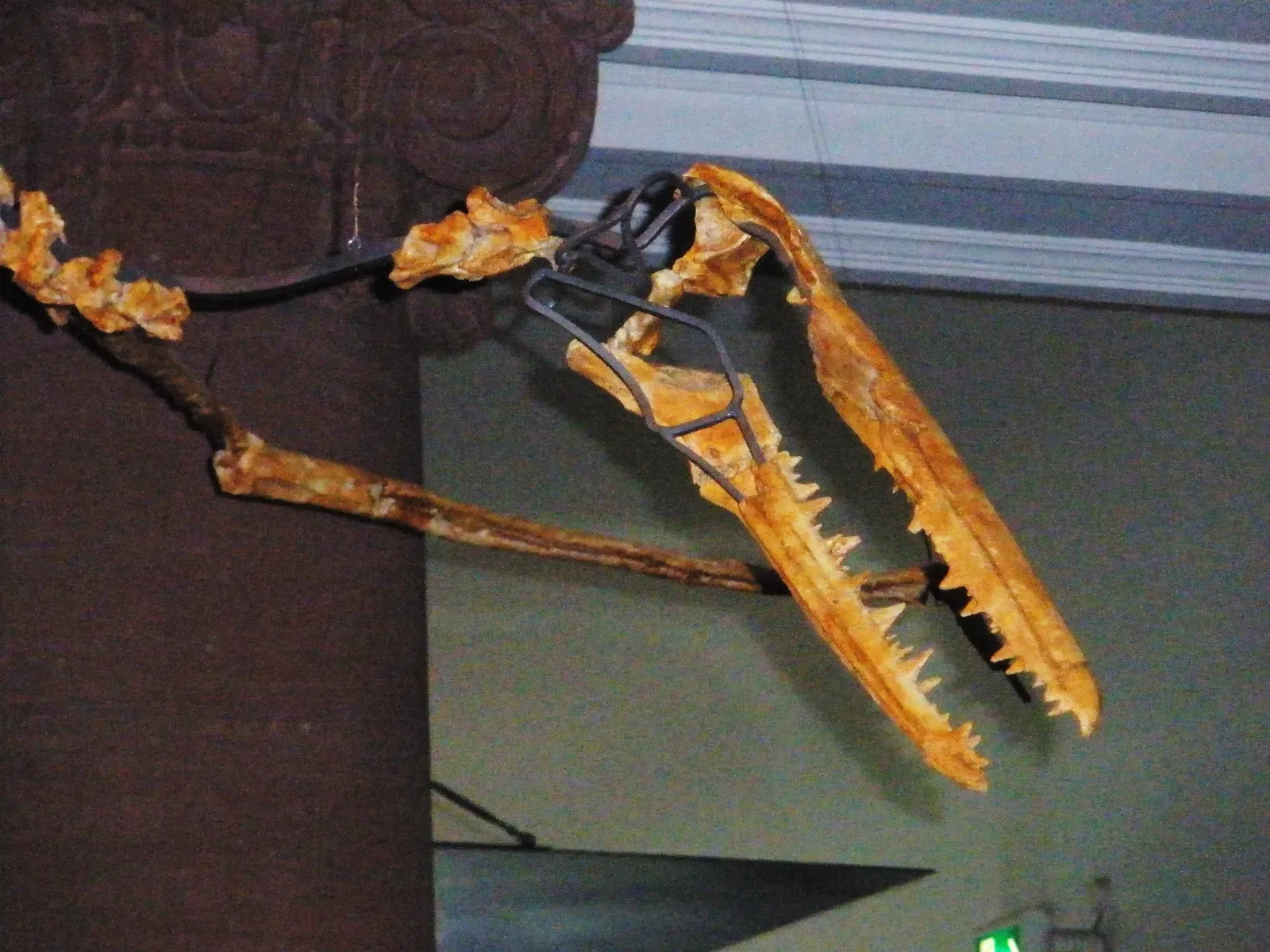
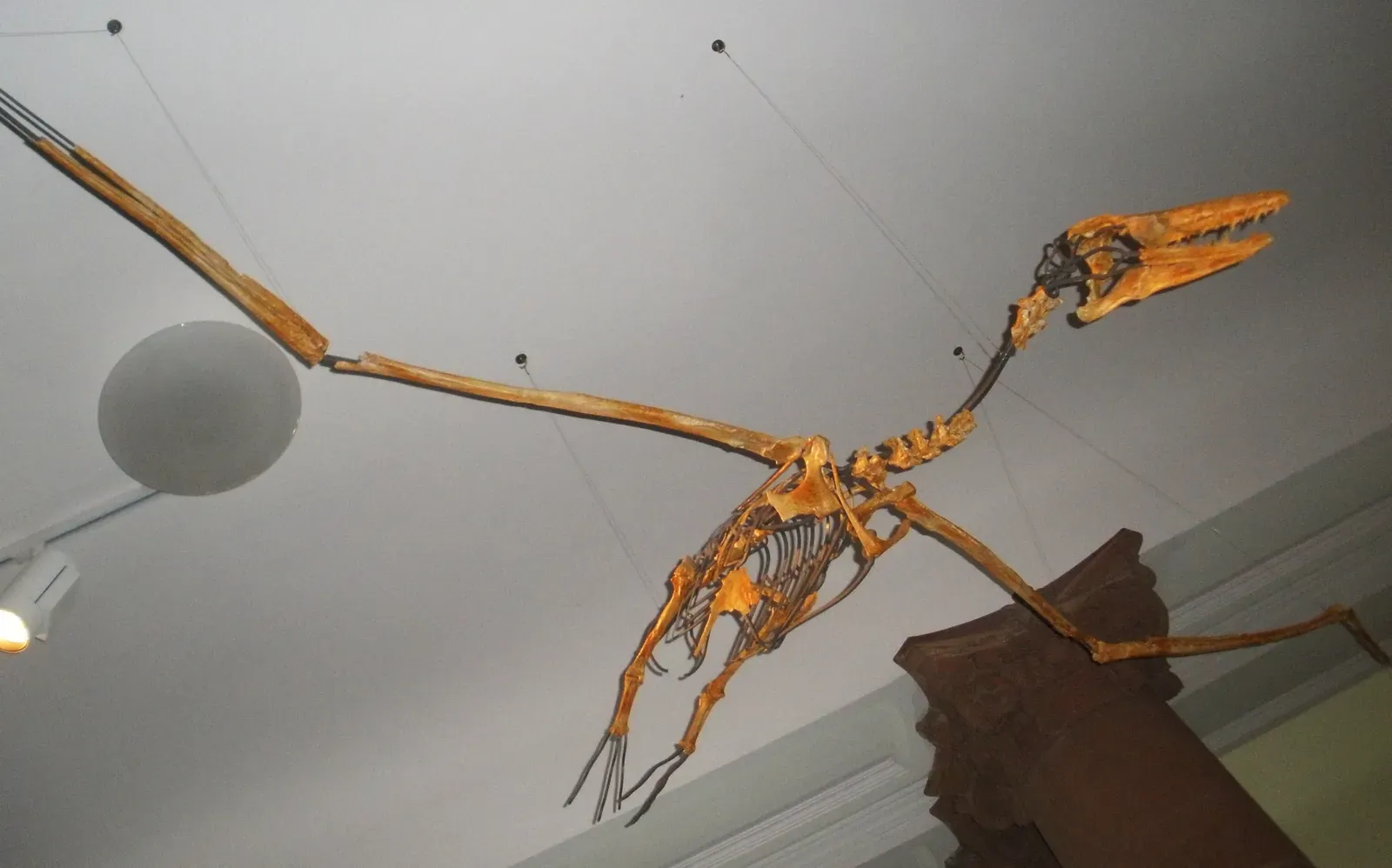
Here’s where it gets really interesting. Pelagornis belonged to an extinct group of giant seabirds known for bony tooth like spikes that lined their upper and lower jaws. Some scientists affectionately described it as a dragon, basically.
These pseudo teeth don’t have enamel, they don’t grow in sockets, and they aren’t lost and replaced throughout the creature’s life span. Instead, they’re simply bony projections from the jawbone itself. The bony spikes would have served a similar role to teeth and aided these gliding coastal birds in catching slippery prey swimming near the ocean surface. Think of them as nature’s version of grippers, perfect for snagging fish and squid from the water.
Argentavis Magnificens: The Heavyweight Champion
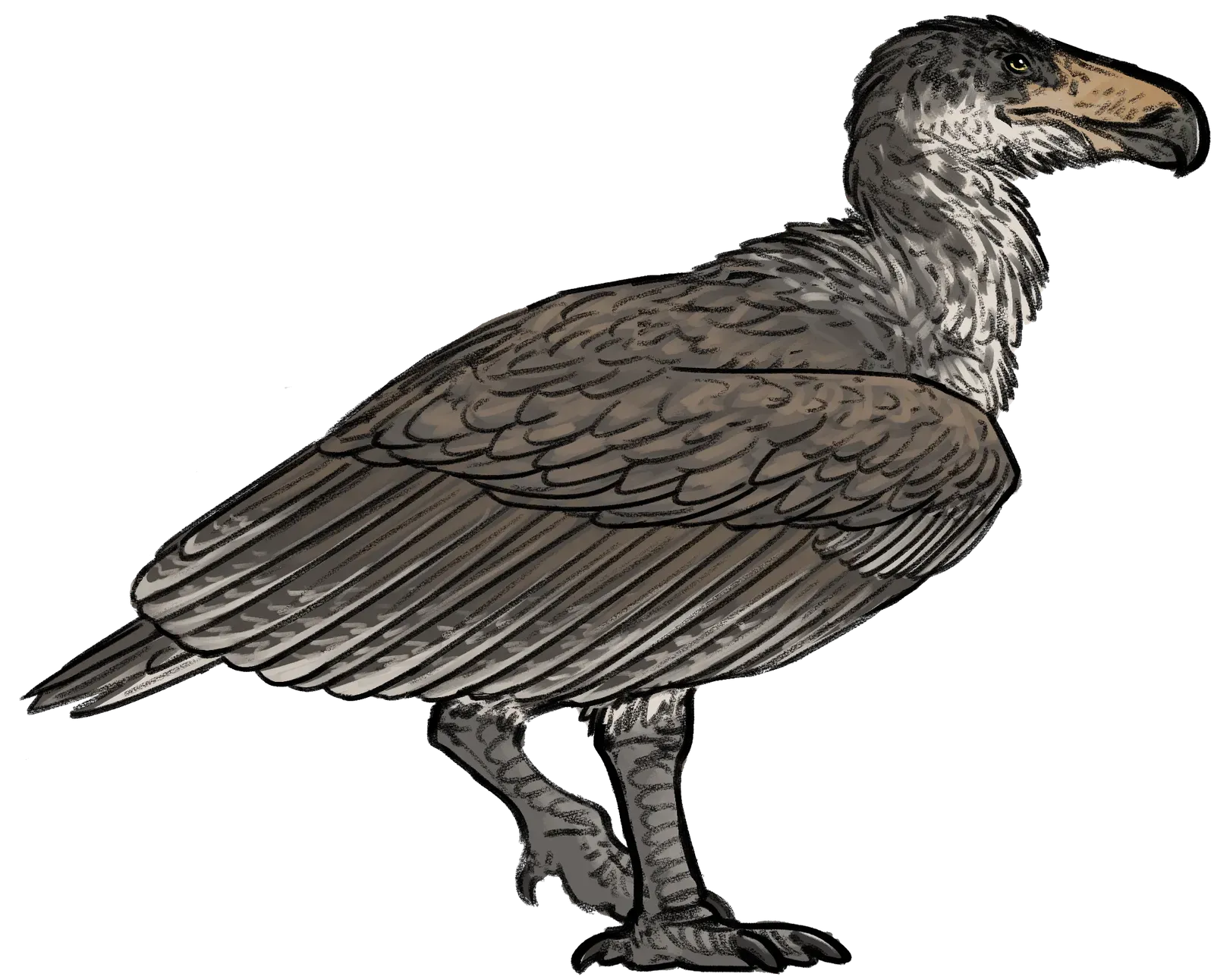
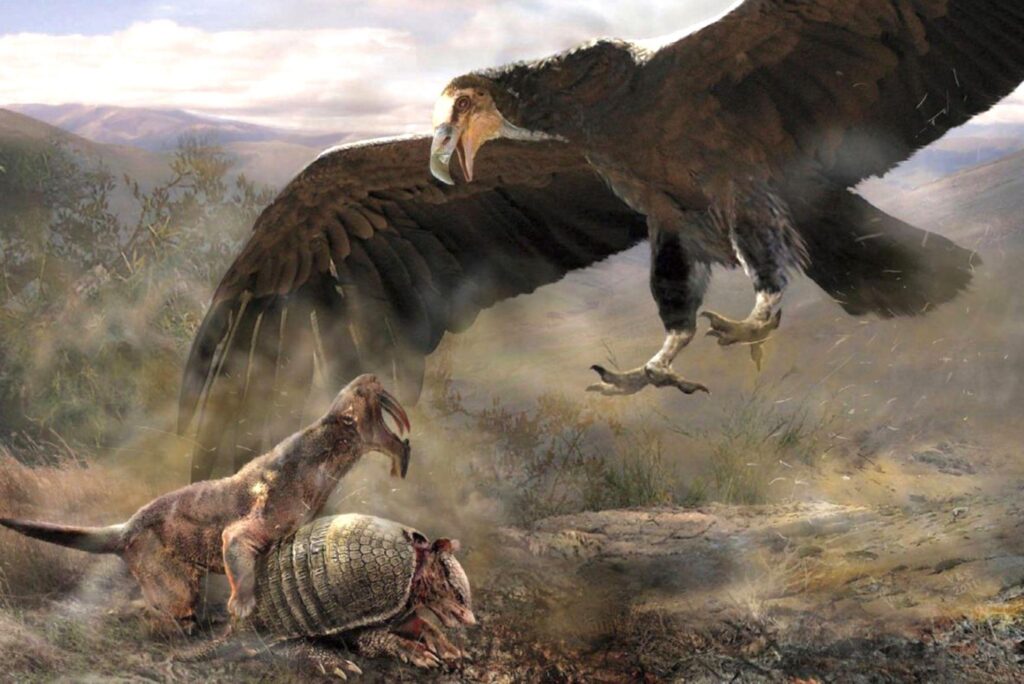
While Pelagornis claimed the wingspan title, another prehistoric giant held a different record. Argentavis magnificens remains the heaviest known flying bird by a considerable margin. This magnificent creature soared over Argentina roughly six million years ago.
With an estimated mass of about 70 to 72 kilograms and a wingspan of approximately 7 meters, it was about the size of a Cessna 152 light aircraft. To put that in perspective, it weighed as much as an adult human but somehow managed to get airborne. These birds had a wingspan of about 20 to 25 feet, the same size as a small airplane. I know it sounds crazy, but the fossil evidence backs it all up.
The Physics of Giants: How Did They Even Fly
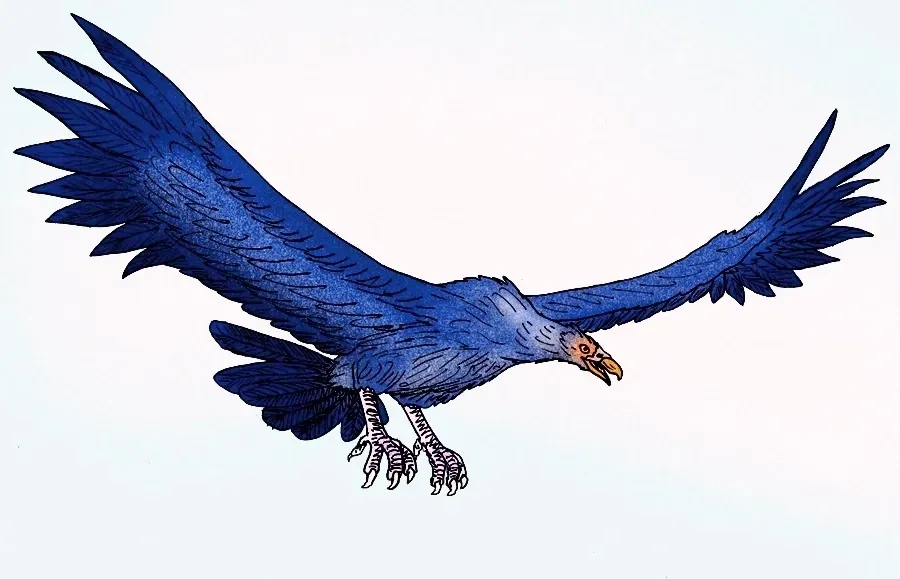
You’re probably wondering how something this massive could possibly fly. It’s hard to say for sure, but scientists have some compelling theories. Argentavis flew mainly by soaring, using flapping flight only during short periods, with skeletal evidence suggesting its breast muscles were not powerful enough to enable flapping of the wings for extended periods.
Argentavis was a master glider, capable of soaring for great distances at a shallow angle of about 3 degrees, continually re shaping its wings to control its glide. It was an excellent glider with a gliding angle close to 3 degrees and a cruising speed of 67 kph. These birds didn’t so much fly as they floated on invisible highways of air.
Taking Off Was the Hardest Part
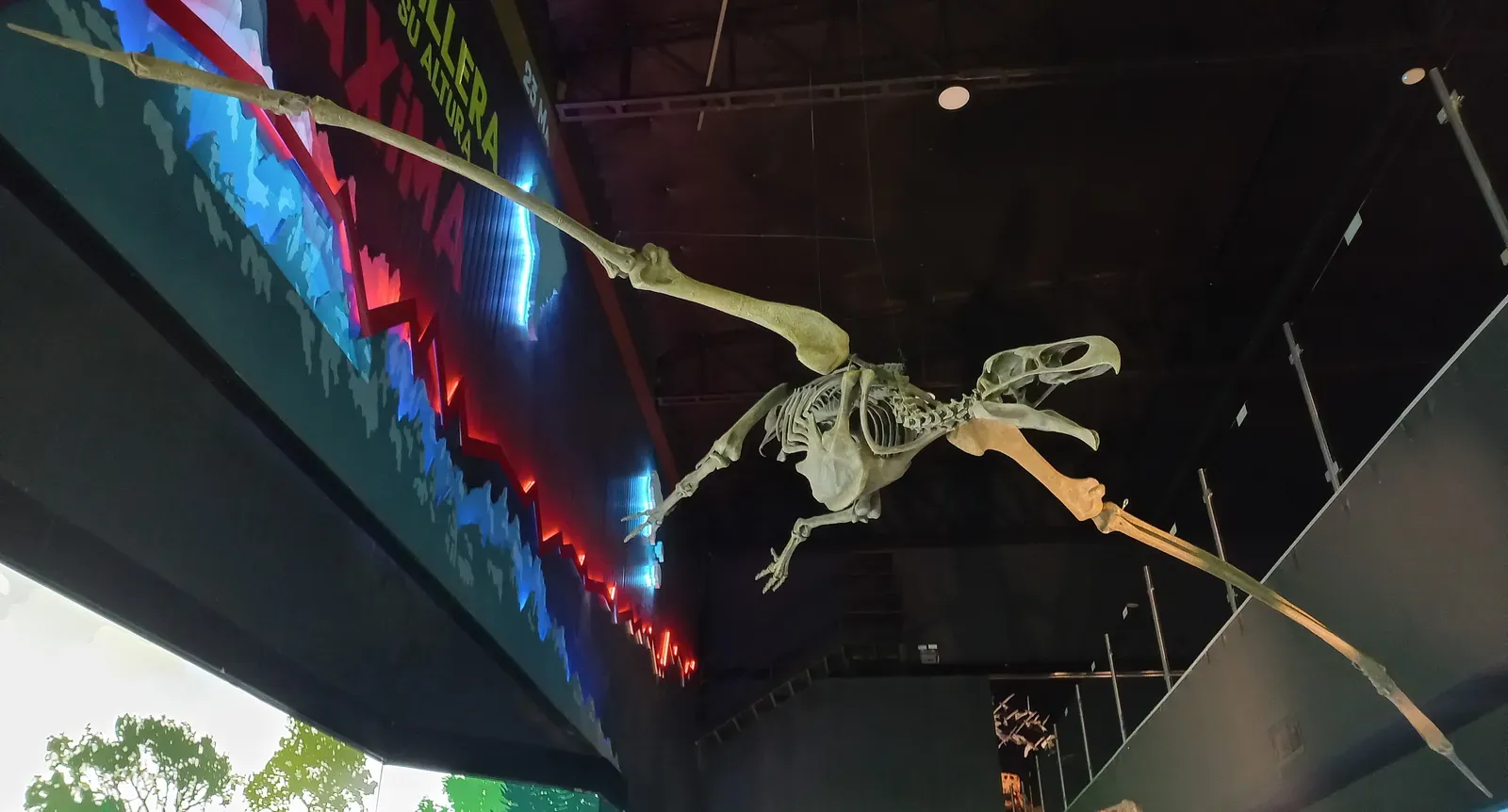
Getting airborne presented these giants with their biggest challenge. The wings were simply too long to flap effectively until the bird had gained some vertical distance, meaning that especially for takeoff, Argentavis would have depended on the wind.
Scientists suspect that the bird might have run downhill into a headwind or simply waited for a wind gust to take to the air, much like a hang glider pilot. They just waited on the beach for a strong wind to carry them aloft. Once up there though, they were unstoppable masters of the sky. Still, you have to wonder how nerve wracking those first few moments must have been.
Hunting From Above: The Lifestyle of Aerial Giants
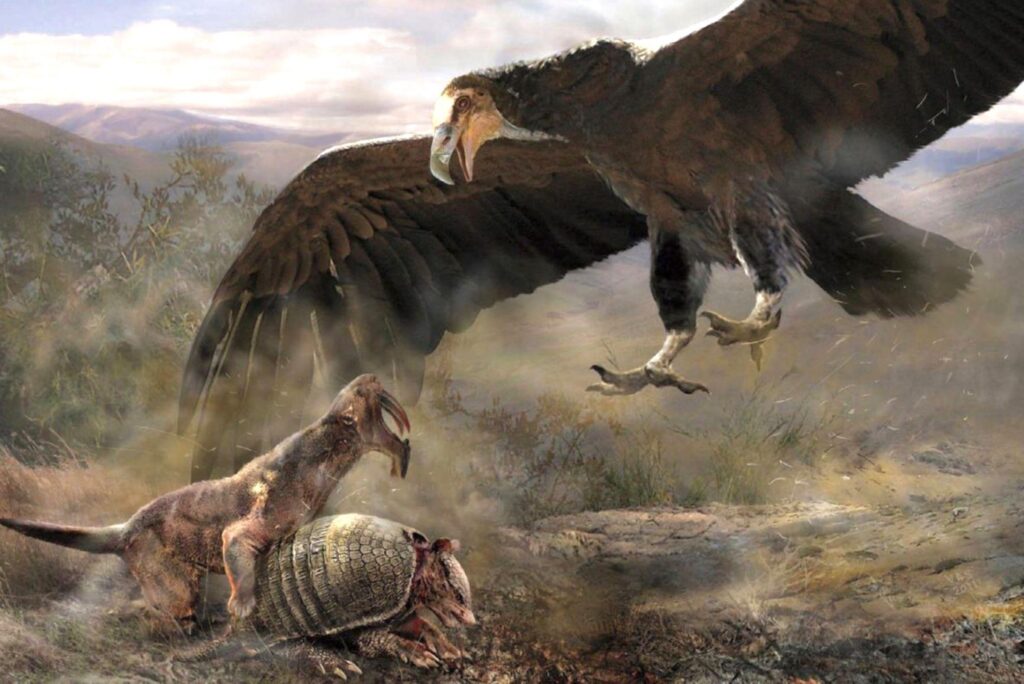
What did these enormous birds eat to fuel their massive bodies? Argentavis seems less aerodynamically suited for predation than its relatives and probably preferred to scavenge for carrion, possibly using its wings and size to intimidate mammals and small phorusrhacids to take over their kills.
It was probably a diurnal predator, dependent on thermals for flight activity much like large broad winged carnivorous birds we see today, and was capable of catching sizeable prey with its formidable beak. Meanwhile, Pelagornis likely hunted fish and squid near the ocean’s surface. These weren’t timid creatures by any stretch.
The Pterosaur Connection: Even Bigger Wings
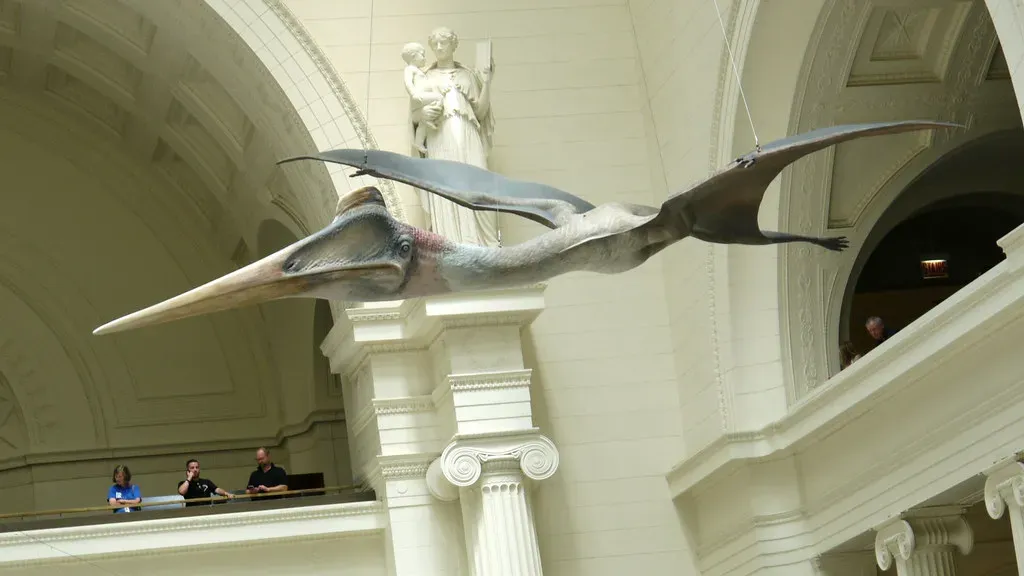
Though not technically birds, we can’t talk about giant flying creatures without mentioning pterosaurs. Quetzalcoatlus northropi stood about 5 meters tall and had a wingspan of up to 11 meters or 36 feet. That’s absolutely massive, even compared to our giant birds.
The pterosaur Quetzalcoatlus boasted a 40 foot or 12 meter wingspan and likely flew by launching itself 8 feet or 2.4 meters in the air. Honestly, the mechanics of how these creatures functioned push the boundaries of what seems physically possible. These extinct flying reptiles that lived alongside the dinosaurs achieved the largest wingspans of any flying creatures, reaching about 36 feet or 11 meters.
Perfect Conditions for Giant Fliers
Why don’t we see birds this large today? The environment plays a crucial role. Six million years ago Argentina was much hotter and drier than it is today, just the weather needed for generating the powerful thermals needed to lift such a large bird.
During the time Pelagornis lived, global temperatures were substantially warmer than they are today and sea levels were higher since there was less ice at the poles, with Charleston where this fossil was found being completely underwater. These ancient giants evolved to perfectly exploit conditions that simply don’t exist anymore. The warmer oceans created stronger air currents that these massive birds rode like invisible escalators in the sky.
Why They Vanished Remains a Mystery
Here’s the thing that keeps scientists puzzled. The cause of their extinction however is still shrouded in mystery. Pelagornithids thrived from about 55 million years ago to three million years ago before becoming extinct for reasons unknown.
Was it climate change? Competition with other species? Changes in food availability? We’re still piecing together the clues. What we do know is that roughly about three million years ago, these magnificent creatures disappeared from our skies forever. Their bones tell us they existed and thrived for tens of millions of years, but the final chapter of their story remains tantalizingly unclear.
A Sky We’ll Never See Again
Imagine looking up and seeing these creatures in action. Pelagornis sandersi could have traveled for extreme distances while crossing ocean waters in search of prey. These weren’t clumsy, struggling fliers. They were apex predators of the air, perfectly adapted to their world.
The prehistoric skies were a very different place, filled with creatures that make our largest modern birds look positively tiny by comparison. These weren’t evolutionary mistakes or awkward experiments. They were successful, dominant species that ruled their ecological niches for millions of years. Though they’re gone now, the fossils they left behind continue to challenge our understanding of what’s possible in the natural world. What other incredible discoveries might still be waiting in the ground beneath our feet?