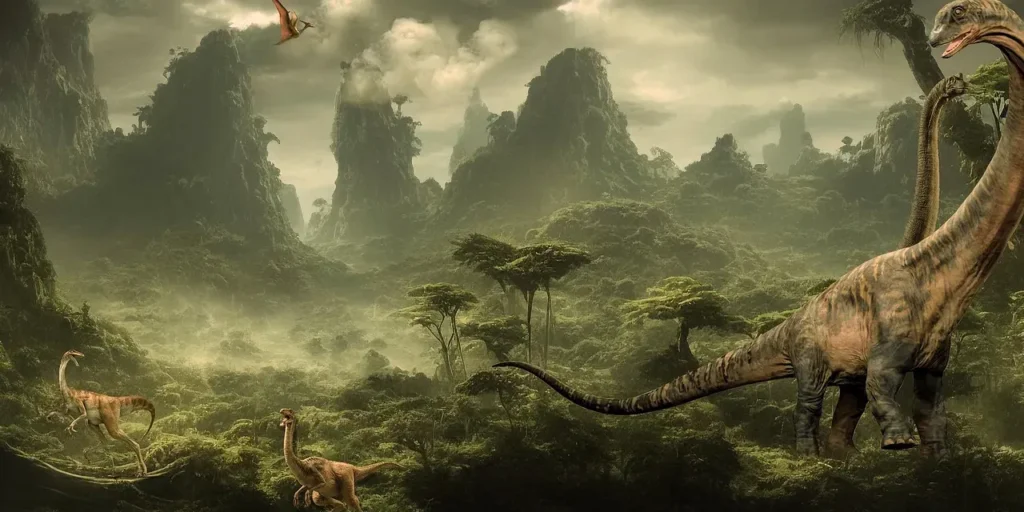
Think for a moment about wandering through a forest where nothing looks familiar. No oak trees reach toward the sky. No roses bloom in the undergrowth. Instead, you’d encounter towering club mosses as tall as telephone poles and trees crowned with bizarre fronds that look nothing like modern foliage. This isn’t fantasy. This was Earth’s reality hundreds of millions of years ago, when prehistoric forests dominated landscapes in ways we’re only beginning to understand.
Recent discoveries are revealing that these ancient woodlands were far stranger and more diverse than we ever imagined. Scientists continue to unearth fossilized remains of plants that defy classification, organisms that belonged to families now completely extinct. These weren’t primitive proto-forests struggling to survive, either. They were thriving, complex ecosystems where plants experimented with wildly different growth strategies, architectural forms, and survival mechanisms. So let’s dive in and explore what made these prehistoric forests such extraordinary worlds.
The Dawn of Earth’s First Forests
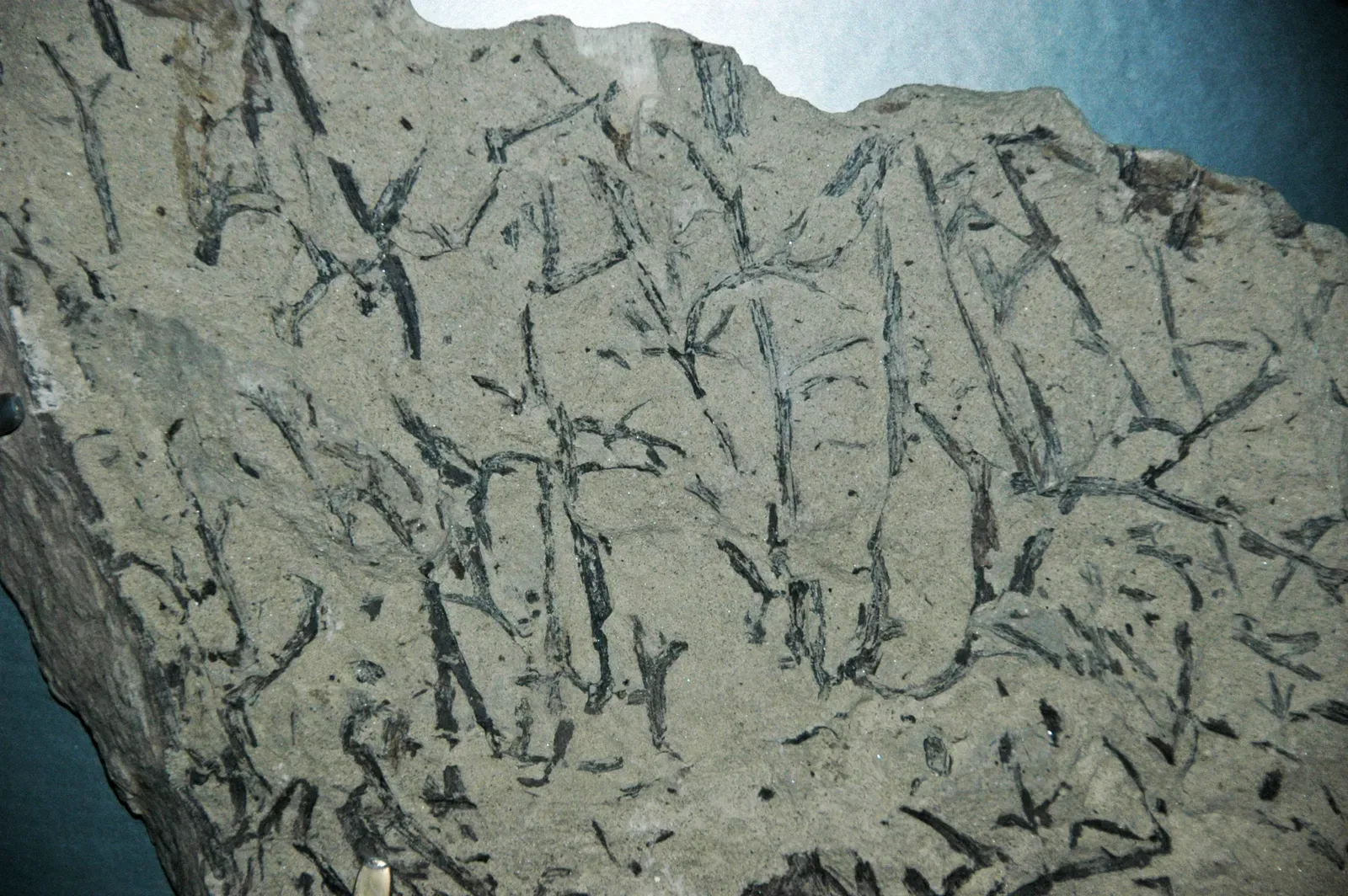
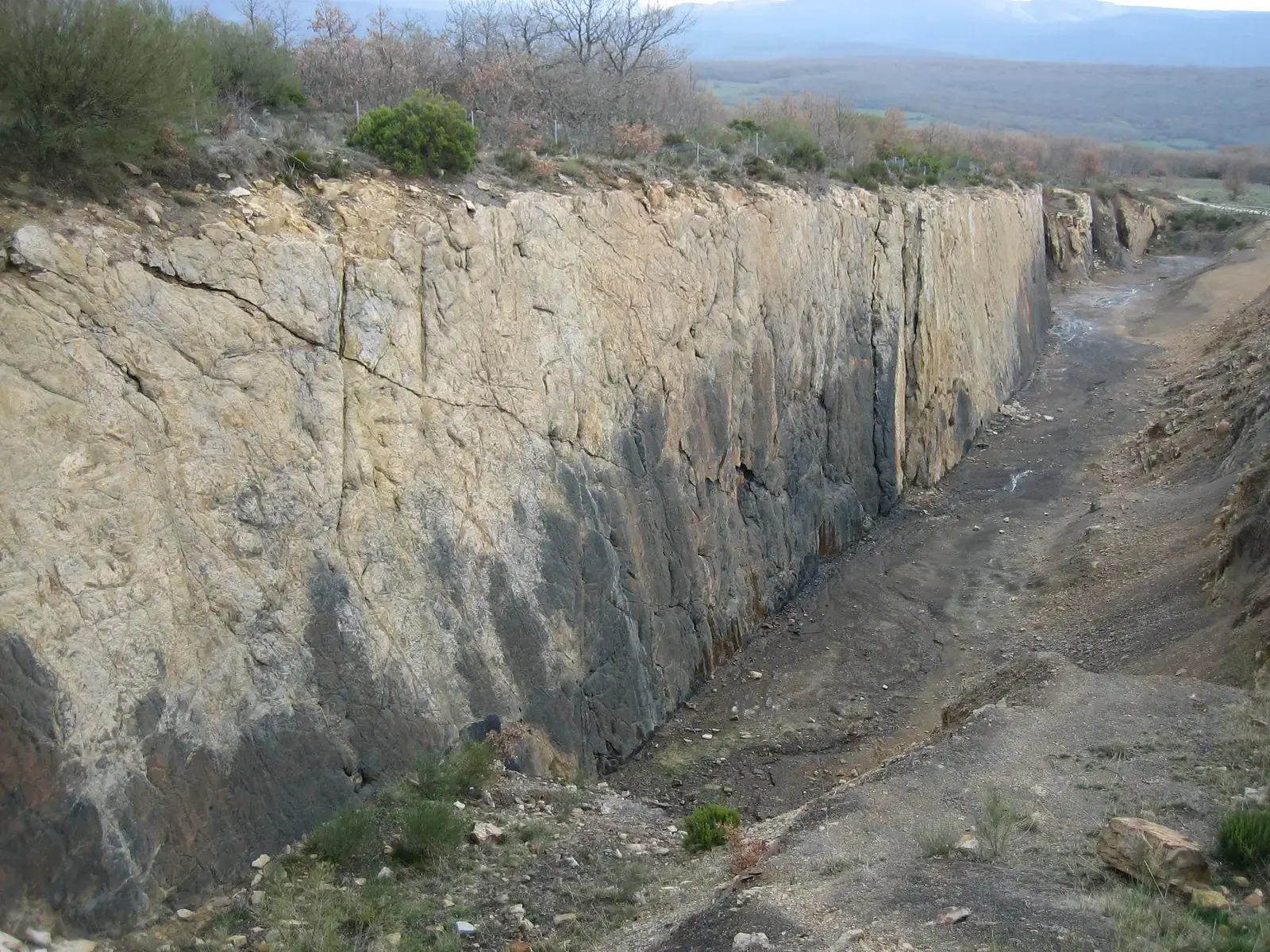
The planet’s oldest forest was discovered in Cairo, New York, with fossilized root systems dating back approximately 385 million years. That places these ancient woodlands roughly 140 million years before dinosaurs even existed. Back then, upstate New York was a tropical paradise positioned near the equator, later traveling thousands of miles to its current location thanks to continental drift.
What really catches your attention about this discovery is how sophisticated these early forests already were. Located near Cairo, New York, these weren’t merely primitive plants struggling to survive but sophisticated trees with root systems remarkably similar to modern forests. The Cairo site is older than the previously discovered Gilboa forest by several million years, fundamentally changing our timeline for when complex forest ecosystems first emerged. Let’s be real, finding out that forests evolved faster than we thought challenges everything we believed about plant evolution.
Bizarre Trees That Redefined What Forests Could Look Like
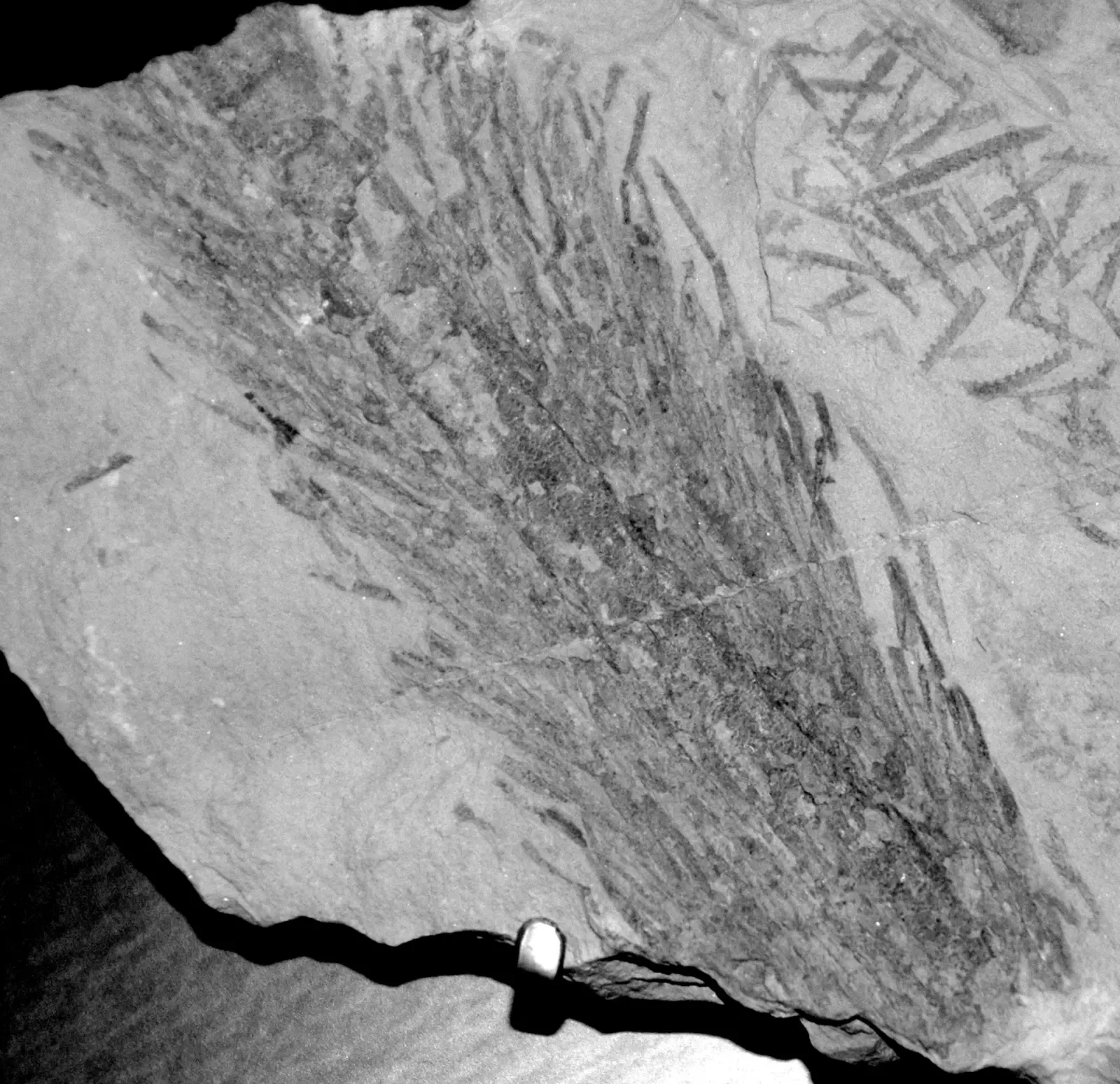
The Cairo forest contained trees with fernlike fronds instead of leaves or needles, giving them a hair-like appearance, and there were no birds or large animals yet, just primitive insects. Imagine standing beneath these strange canopies where nothing moved except crawling arthropods. Scientists identified Eospermatopteris, palm tree-like plants with short roots that reached 30 feet tall but lacked woody structure.
Sanfordiacaulis densifolia existed between 359 and 347 million years ago in what is now New Brunswick, Canada, with an architecture consisting of an unbranched trunk with compound leaves arranged in spirals. This tree had leaves measuring over 1.75 meters in length spiraling around its trunk in a crown shape unlike anything alive today. Here’s the thing: evolution was clearly experimenting with radically different blueprints back then, testing out forms that seem almost alien to us now.
Root Systems That Changed the Planet Forever
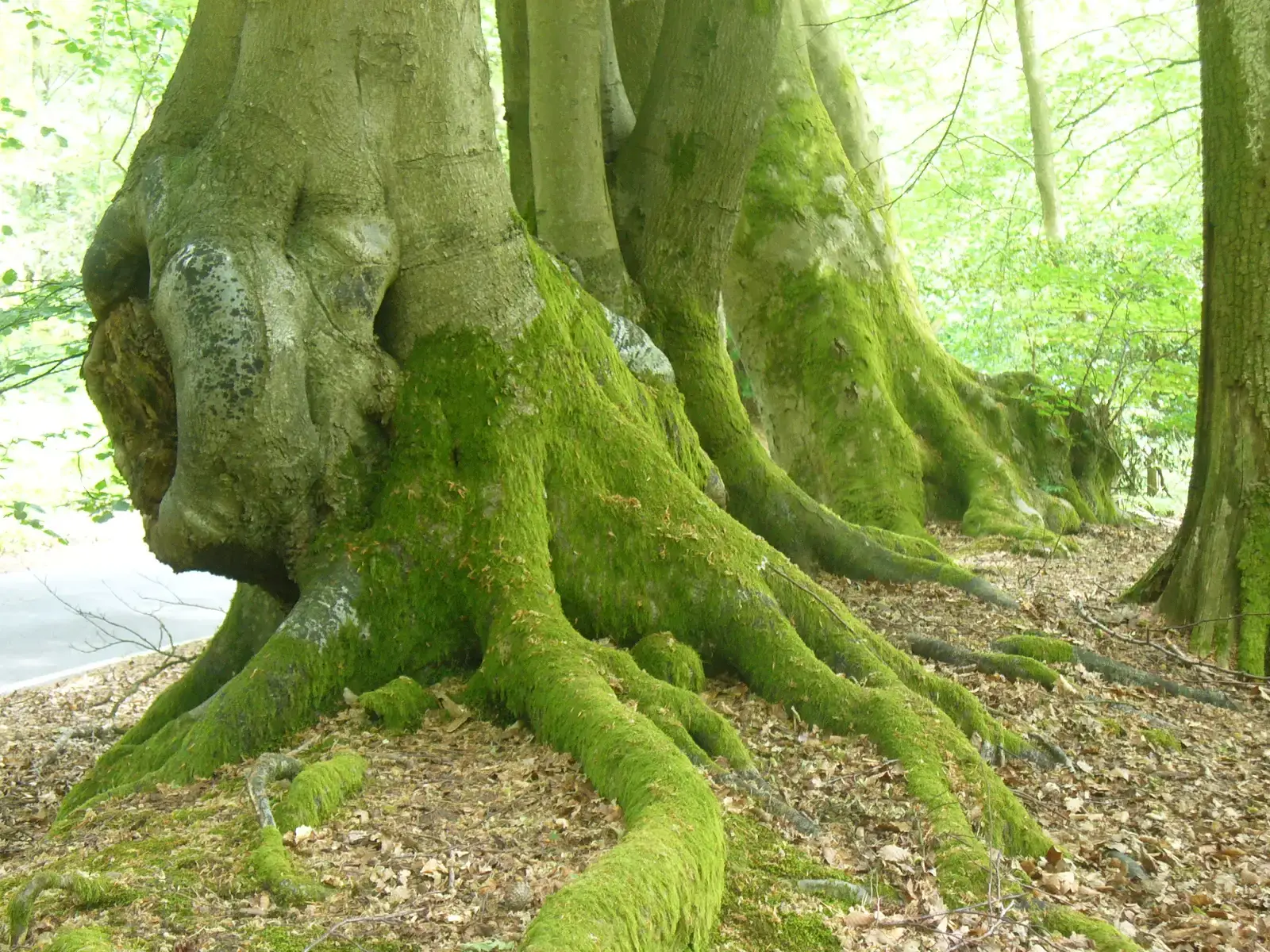
The environmental impact of these early forests was nothing short of revolutionary. When these large root systems formed, they helped absorb carbon dioxide from the air and lock it away, profoundly altering Earth’s atmosphere, with atmospheric CO2 levels dropping to modern levels soon after the emergence of these ancient woody forests. Think about that for a second. Trees literally terraformed the planet, making it habitable for the complex life that would eventually follow.
Root systems discovered at the Cairo site were much larger and more intricate than previously known to exist this early in Earth’s history. This process dropped atmospheric CO2 levels from 10 to 15 times higher than today to roughly modern concentrations, and these ancient trees helped create atmospheric conditions that made complex life possible. Without these prehistoric forests doing the heavy lifting, we wouldn’t be here discussing them.
Diversity Beyond Imagination
Here’s where things get really fascinating. The Cairo site presents three unique root systems, suggesting Devonian period forests were diverse ecosystems with different trees occupying different environmental niches, much like today’s forests. This challenges the old assumption that early forests were uniform, simple places. They weren’t. They had ecological complexity from the very beginning.
Main early Carboniferous plants included Equisetales (horse-tails), Sphenophyllales (scrambling plants), Lycopodiales (club mosses), Lepidodendrales (scale trees), Filicales (ferns), and Medullosales. Each occupied its own ecological niche. The Carboniferous lycophytes of the order Lepidodendrales were huge trees with trunks 30 meters high and up to 1.5 meters in diameter. These weren’t the tiny club mosses you’d trip over in a modern forest. They were giants that formed dense canopies over swampy landscapes.
Reproduction Without Seeds or Flowers
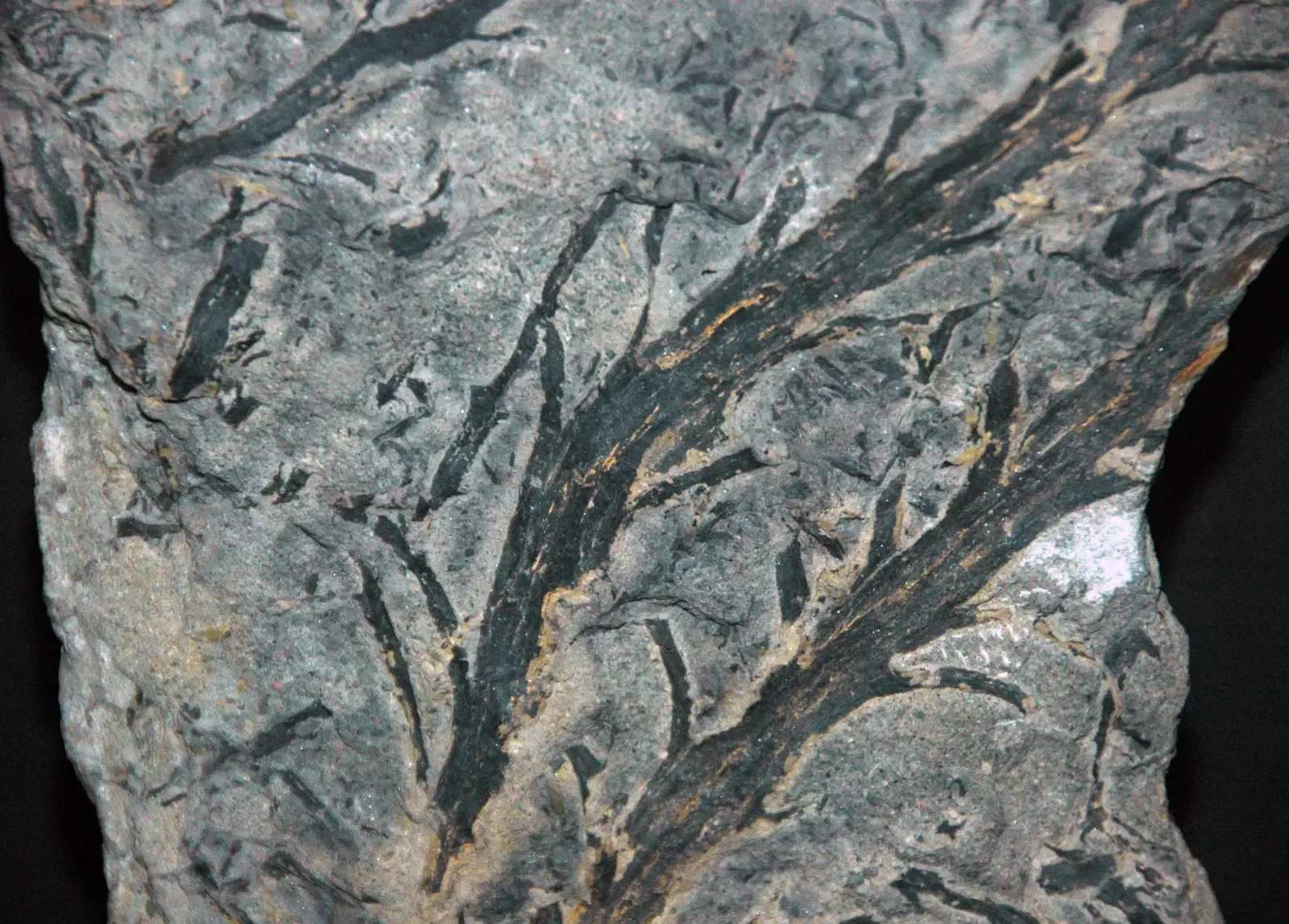
One of the most mind-bending aspects of these ancient forests is how the plants reproduced. All reproduced through spores rather than seeds, millions of years before seeds evolved, and this tropical environment had no grass, flowers, or flying insects, just towering trees creating Earth’s first complex forest canopy. I know it sounds crazy, but these forests thrived without any of the reproductive strategies we associate with successful plant life today.
Archaeopteris was around 10 meters tall, a progymnosperm that looked like modern gymnosperms but reproduced via spores instead of seeds. It had woody stems with annual growth rings and extensive root systems, yet still relied on airborne spores like ferns do. By the end of the Devonian, the first seed-forming plants had appeared, and this rapid appearance of many plant groups has been referred to as the Devonian Explosion.
Mysterious Species That Defy Classification
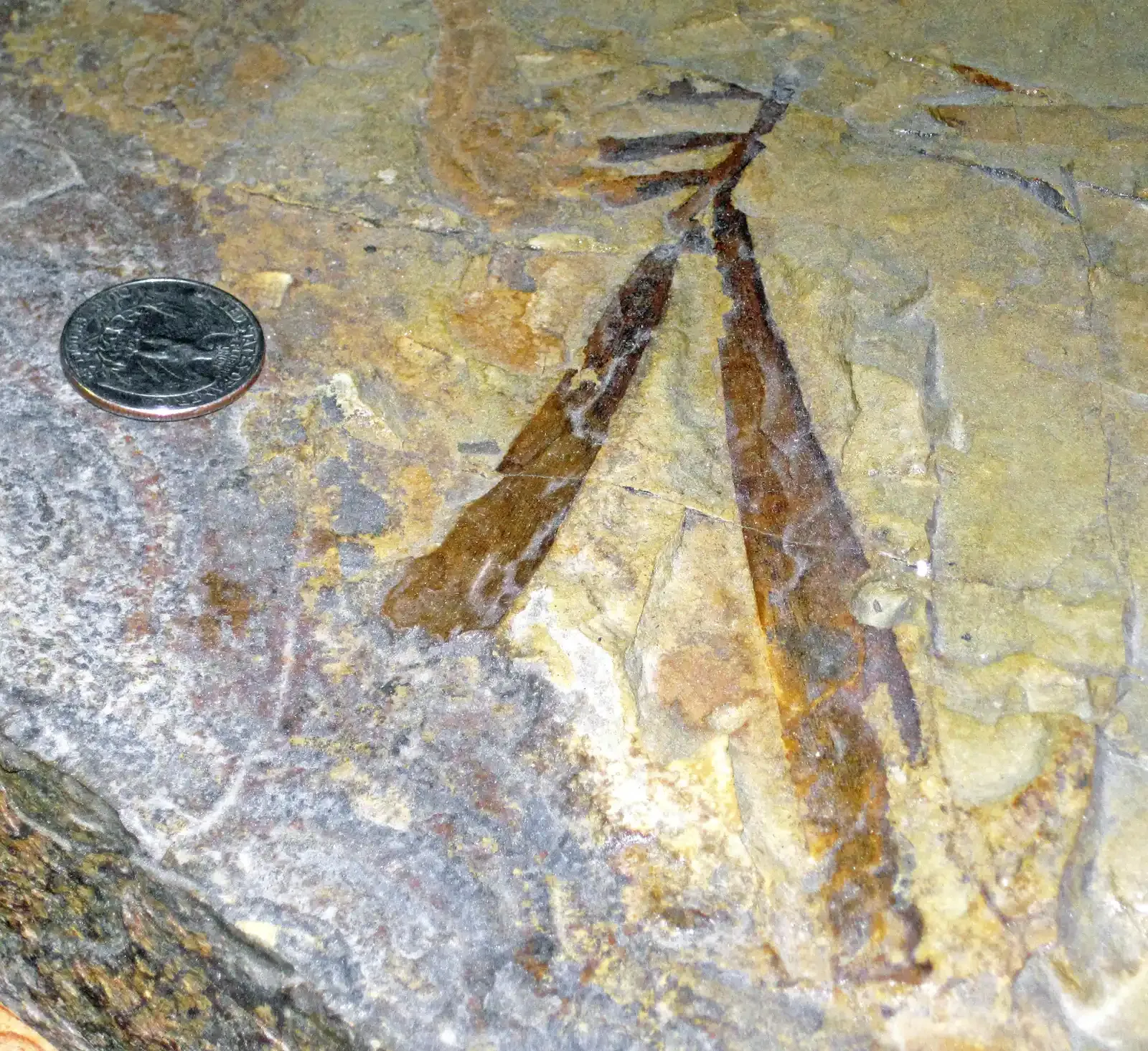
Not every ancient plant fits neatly into our taxonomic boxes. An extinct plant once thought to be related to modern ginseng is now considered the lone representative of an unknown family, and new fossil specimens show that Othniophyton elongatum is even stranger than scientists first thought. This 47-million-year-old mystery plant has features that don’t match any living or extinct plant family we know.
There are over 400 diverse families of flowering plants alive today, but researchers couldn’t match the fossils’ strange assortment of features with any of them, and the team searched for extinct families it might have belonged to but came up empty-handed. It’s hard to say for sure, but discoveries like these suggest we’ve lost entire lineages of plants whose existence we can barely reconstruct from fragmentary fossils. How many more unknown botanical wonders are still buried, waiting to be found?
The Carboniferous Coal Swamps and Their Collapse
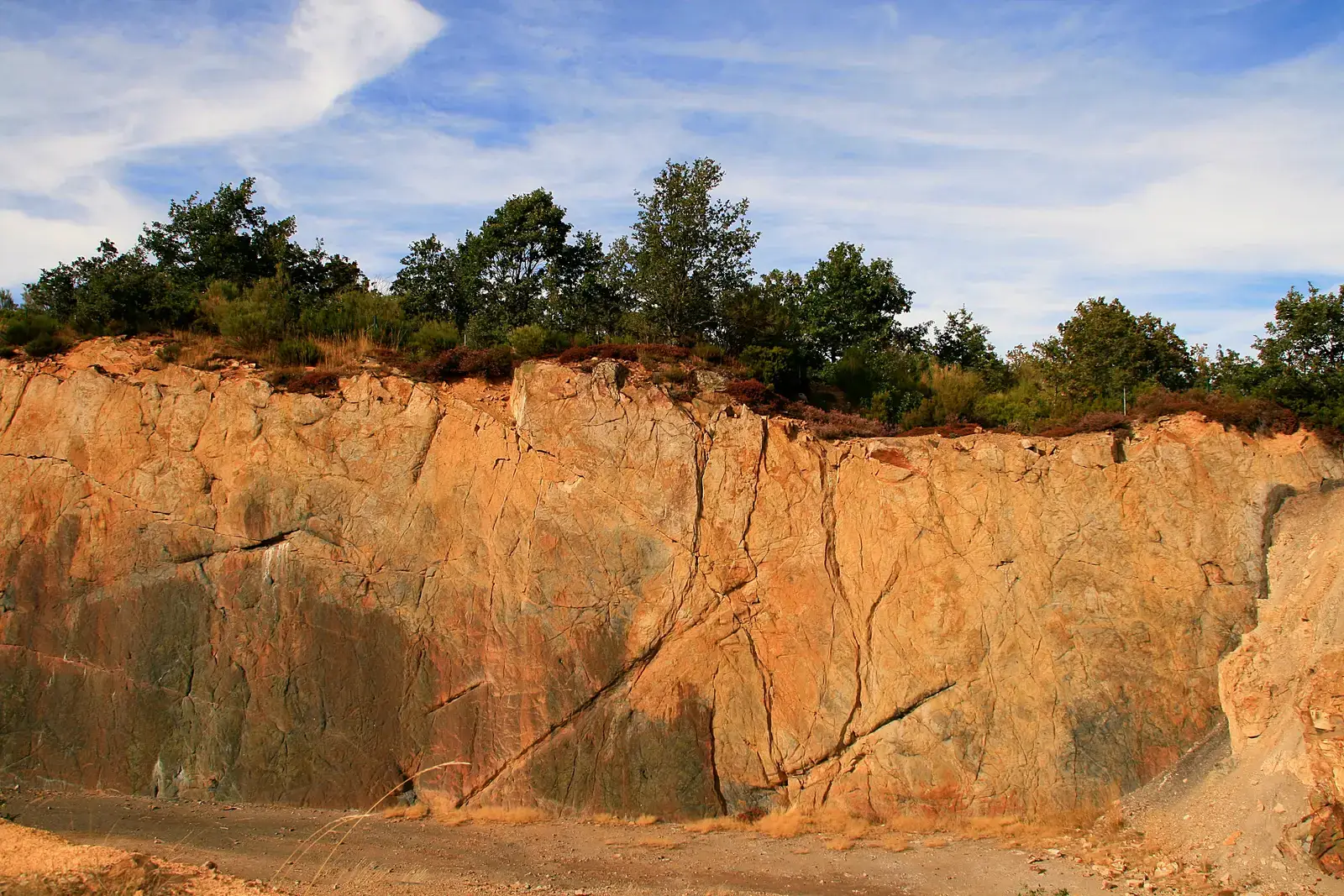
The Carboniferous Period, approximately 359 to 299 million years ago, witnessed the proliferation of dense forests dominated by giant ferns, lycophytes, and horsetails. These weren’t just forests. They were the birthplaces of today’s coal deposits. The remains of the first forests were buried under the soil and decayed into peat which compressed and heated over time, eventually becoming coal.
The story doesn’t end happily for these forests, though. An extinction event referred to as the Carboniferous rainforest collapse occurred when vast tropical rainforests collapsed suddenly as the climate changed from hot and humid to cool and arid. Rainforests shrank into isolated islands surrounded by seasonally dry habitats, and towering lycopsid forests with heterogeneous vegetation were replaced by much less diverse tree fern dominated flora. This dramatic shift reminds us that even the most dominant ecosystems can vanish when environmental conditions change.
Conclusion
Prehistoric forests weren’t just early versions of modern woodlands. They were entirely different worlds where evolution experimented with botanical forms we can barely comprehend. From trees with spiral crowns of massive fronds to plants that belonged to families now completely extinct, these ancient ecosystems showcased nature’s incredible capacity for innovation. They transformed Earth’s atmosphere, created the coal we depend on today, and established the ecological complexity that would eventually support all terrestrial life.
Every new fossil discovery rewrites what we thought we knew about these ancient landscapes. The truth is, we’re still scratching the surface of understanding just how diverse and strange prehistoric forests really were. These weren’t failed experiments or evolutionary dead ends. They were thriving, bustling ecosystems that successfully dominated Earth for hundreds of millions of years. What do you think about these alien forests from our planet’s past? Did you expect them to be so radically different from what we see today?