Imagine standing in the middle of what’s now a bustling city, surrounded not by skyscrapers but by creatures that would make modern elephants look modest in comparison. Ancient North America was once home to some of the most impressive mammals ever to walk the Earth. These colossal beasts dominated the landscape for millions of years, shaping entire ecosystems in ways we’re still trying to understand today.
What happened to these giants remains one of the most fascinating mysteries in paleontology. These enormous animals vanished relatively suddenly around ten to eleven thousand years ago, leaving behind only their fossilized remains and endless questions. Let’s dive into the world of these magnificent prehistoric mammals and discover what made them so extraordinary.
The Columbian Mammoth: North America’s Towering Titan
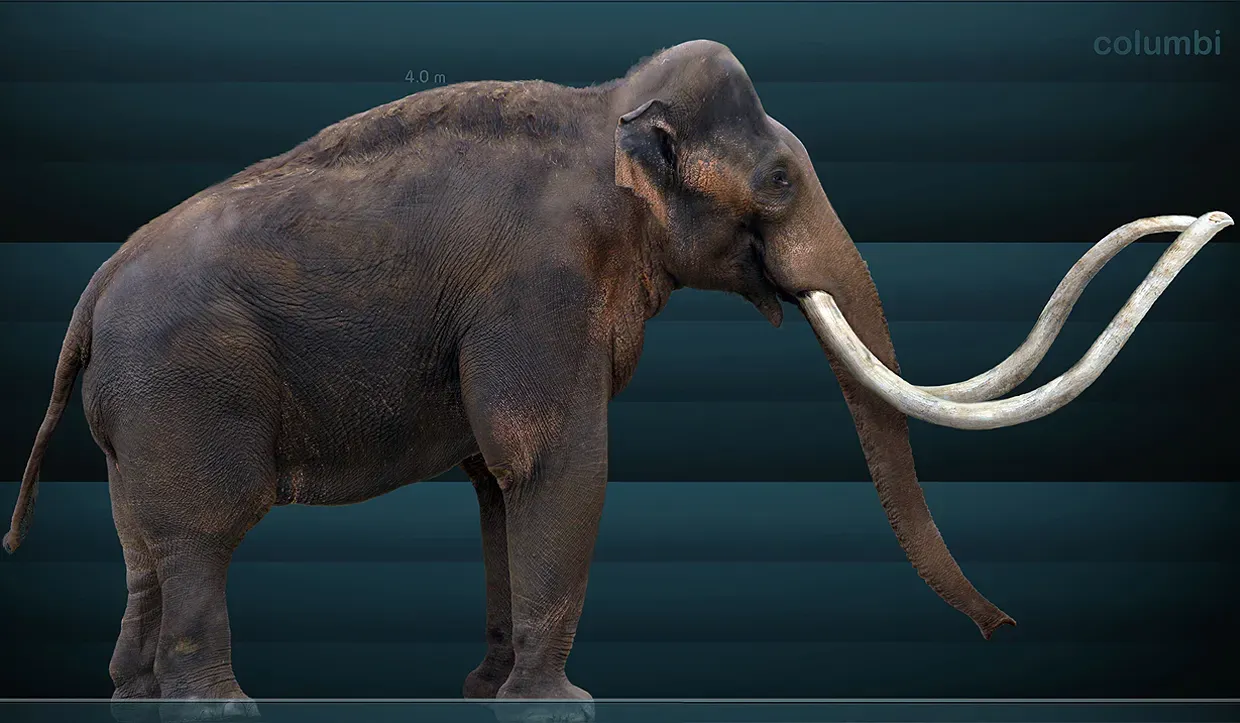
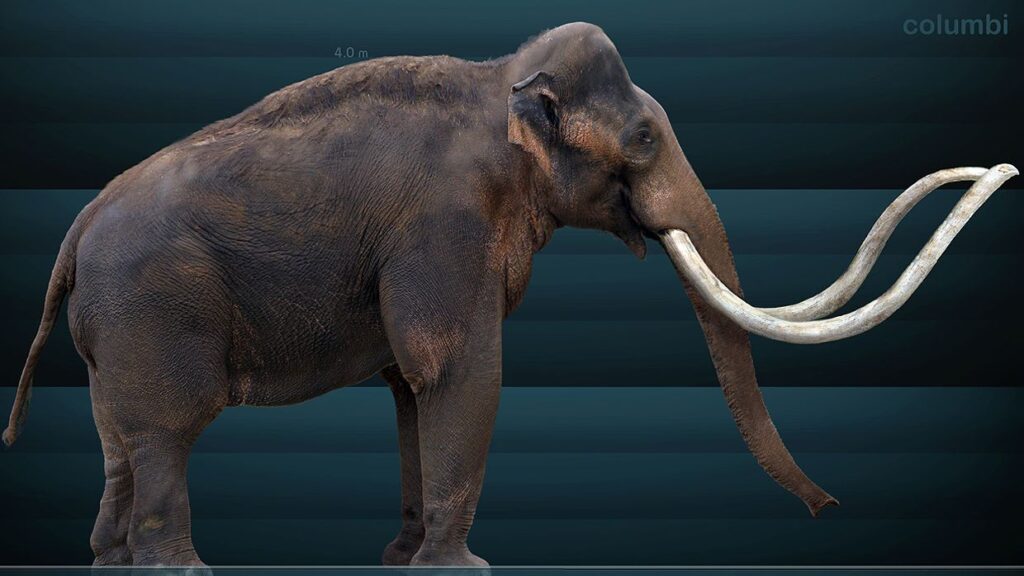
You would have been absolutely dwarfed by the Columbian mammoth, which reached heights of around thirteen feet at the shoulder and could weigh up to twelve and a half tons. Think about that for a moment. This creature was substantially larger than today’s African bush elephant, making it one of the most massive land animals to ever exist on the continent.
These mammoths descended from steppe mammoths that crossed the Bering Strait into North America roughly one and a half million years ago. Their curved tusks could grow to incredible lengths, and they used them for everything from digging under snow to find food to defending themselves against predators. These gentle giants fed on leaves, grasses, twigs, and flowers, adapting their diet to whatever regional plants were available.
Giant Ground Sloths: The Massive Herbivores That Defied Imagination
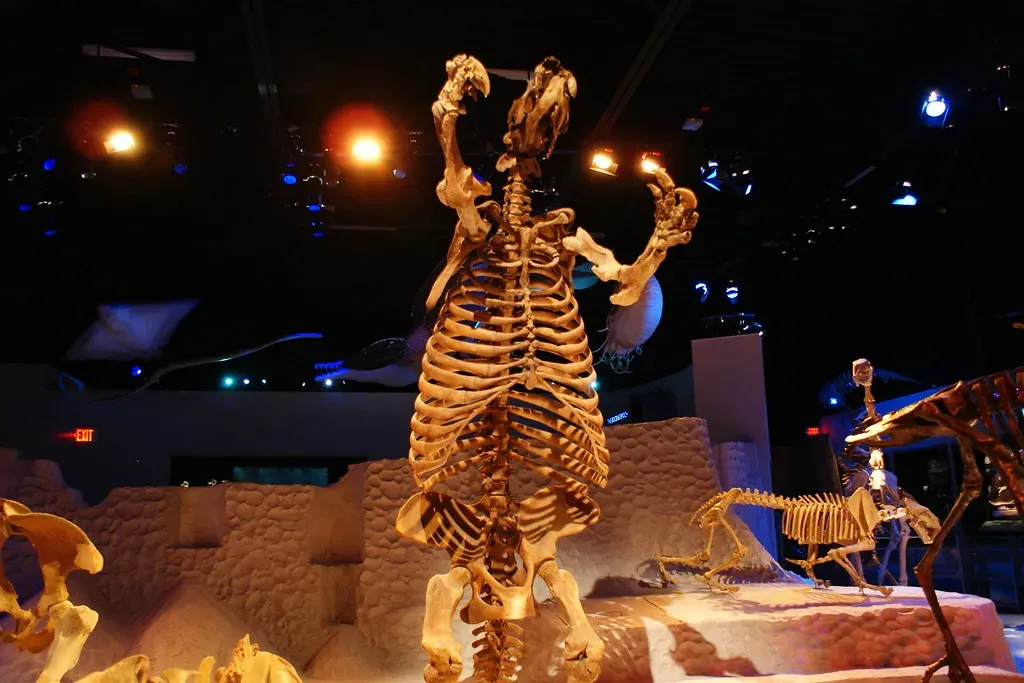
Picture a sloth weighing up to three thousand pounds and standing twelve feet tall on its hind legs. Honestly, it’s hard to fathom how different these creatures were from the slow, small tree sloths we know today. These ice age giants weighed roughly a ton and stood three meters tall, growing to the size of an ox.
The largest ground sloths belonged to genera like Megatherium and Eremotherium, which were roughly elephant-sized. These massive sloths originated in South America and migrated northward, eventually reaching as far north as Alaska during certain periods. They were slow-moving herbivores that used their enormous claws not for hunting but for stripping bark and pulling down branches to feast on foliage.
The Giant Short-Faced Bear: North America’s Supreme Predator
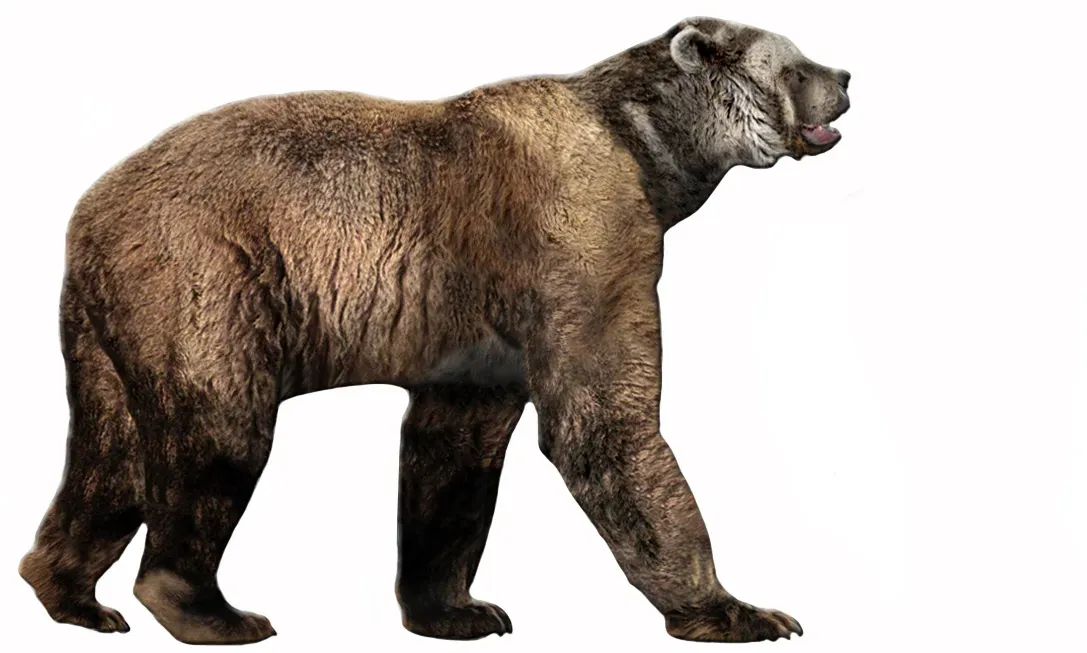
Here’s something that might send chills down your spine. The giant short-faced bear was the largest carnivorous mammal to ever roam North America, and when standing on its hind legs, an adult could reach more than fourteen feet tall. Let’s be real, encountering one of these beasts would have been absolutely terrifying.
This bear had long, lean, and muscular legs that allowed it to reach speeds topping forty miles per hour, making it the fastest bear to ever live. Unlike modern bears with their more robust, stocky builds, the short-faced bear was built for speed and pursuit. It dominated the North American landscape as the apex predator, and honestly, nothing else really came close to challenging its supremacy.
The American Mastodon: Ancient Cousin of the Mammoth
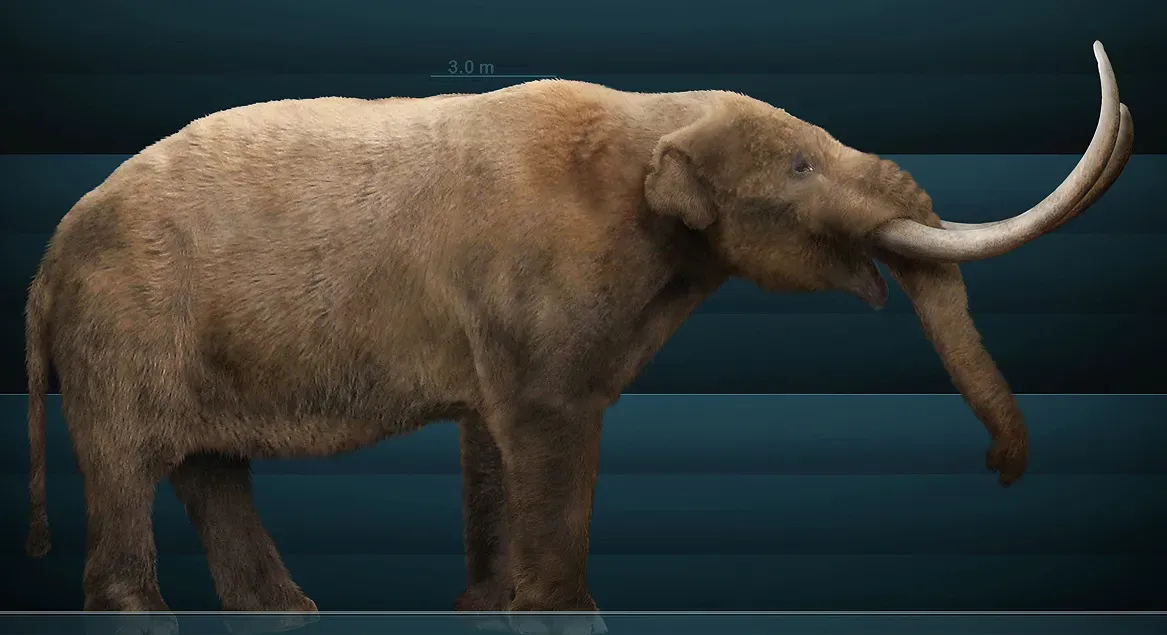
The American mastodon’s ancestors crossed the Bering Strait from Asia roughly fifteen million years ago, evolving into the American mastodon around three and a half million years ago. While they’re often confused with mammoths, mastodons had their own distinct characteristics and lifestyle.
These creatures were shorter and stockier than mammoths, and the shape of their teeth reveals that they didn’t graze on grass like their mammoth cousins but instead ripped off leaves and entire tree branches for food. They were covered with thick, shaggy fur to survive the harsh Pleistocene climate. Their preference for forested areas set them apart from the more grassland-dwelling mammoths.
Giant Beavers: Rodents of Unbelievable Proportions
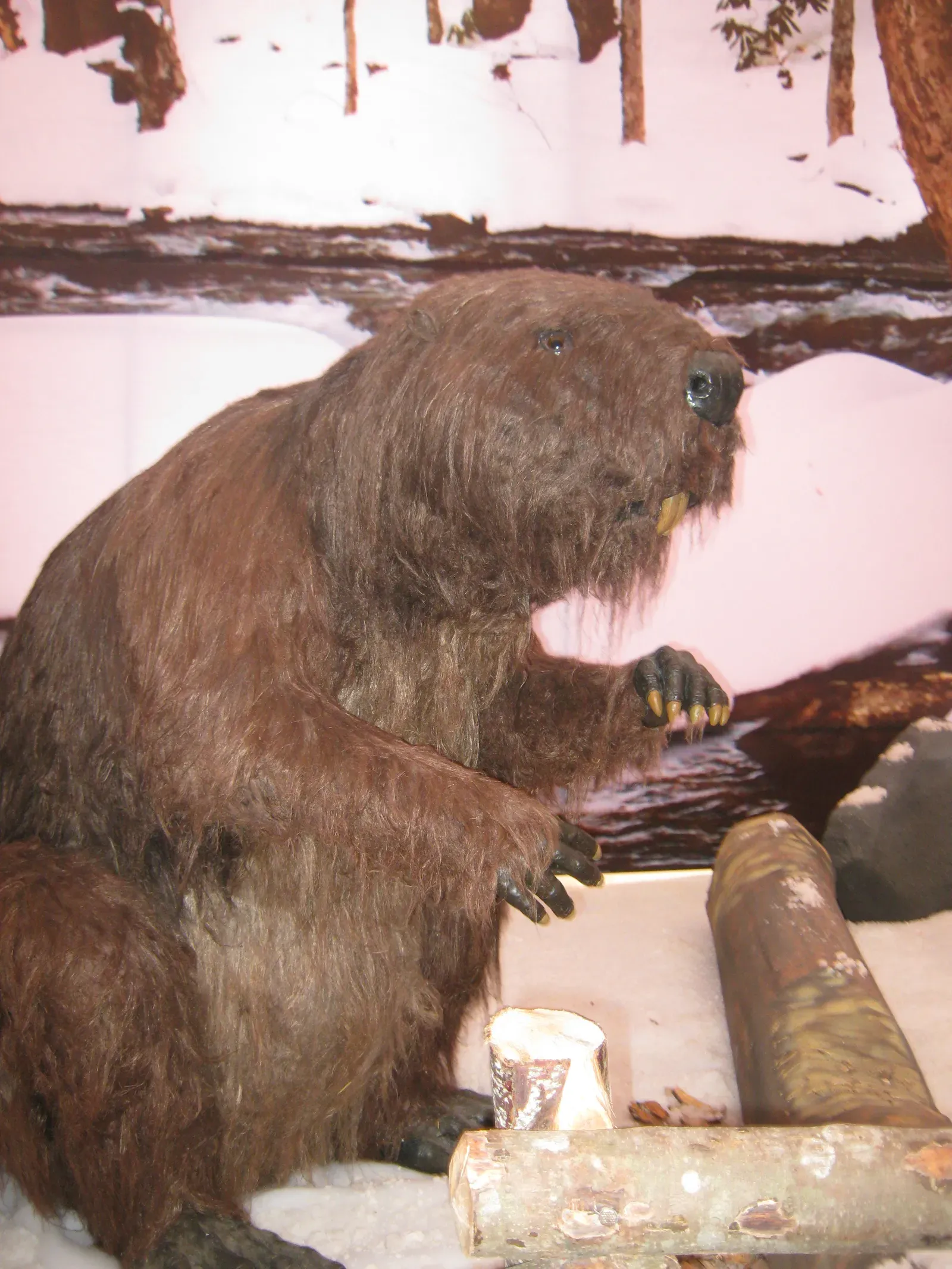
The giant beaver of North America grew over two meters in length and weighed roughly ninety to one hundred twenty-five kilograms. These beavers were literally the size of bears. Try picturing that next time you see a modern beaver at your local pond.
These enormous rodents plied the lakes and ponds across the continent, though their exact behavior and habitat preferences are still being studied. They were among the largest rodents to ever exist, making them a truly remarkable example of how megafauna evolved to fill various ecological niches during the Pleistocene epoch.
American Horses and Camels: Surprising Native Species
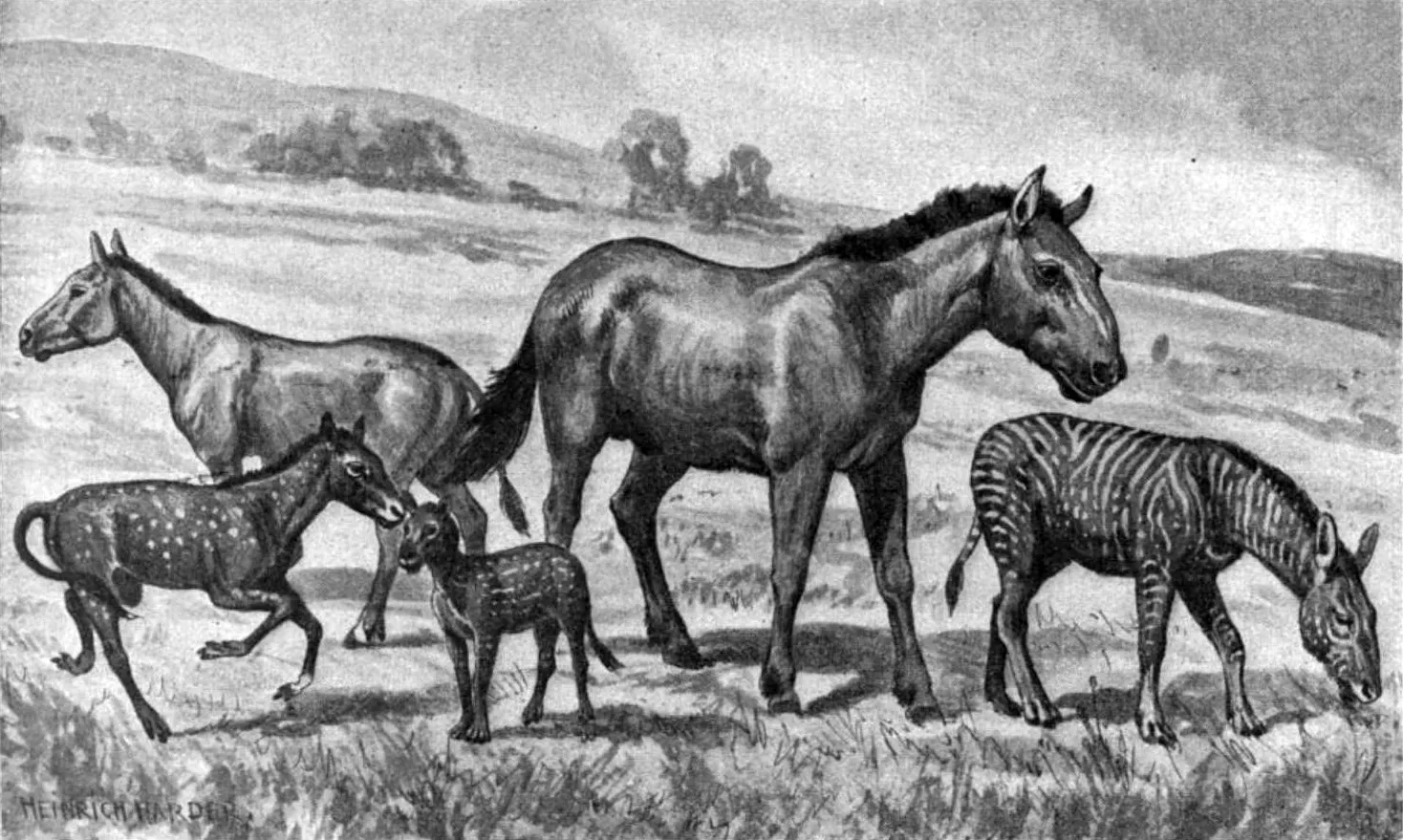
Indigenous horses roamed North America for fifty-five million years before going extinct along with other Ice Age megafauna roughly ten thousand years ago. It might sound crazy, but horses actually originated in North America before migrating to other continents. Around two to three million years ago, herds of American horses traveled westward over the land bridge into Asia, eventually spreading to Africa and becoming the ancestors of domesticated horses that Spanish settlers later reintroduced.
Camels also evolved in North America around forty-four million years ago, later migrating westward over the Bering land bridge roughly seven million years ago to become the dromedary and Bactrian camels we know today. The idea that camels and horses were native North Americans challenges everything most people think they know about these animals.
The American Lion: A Massive Predatory Cat
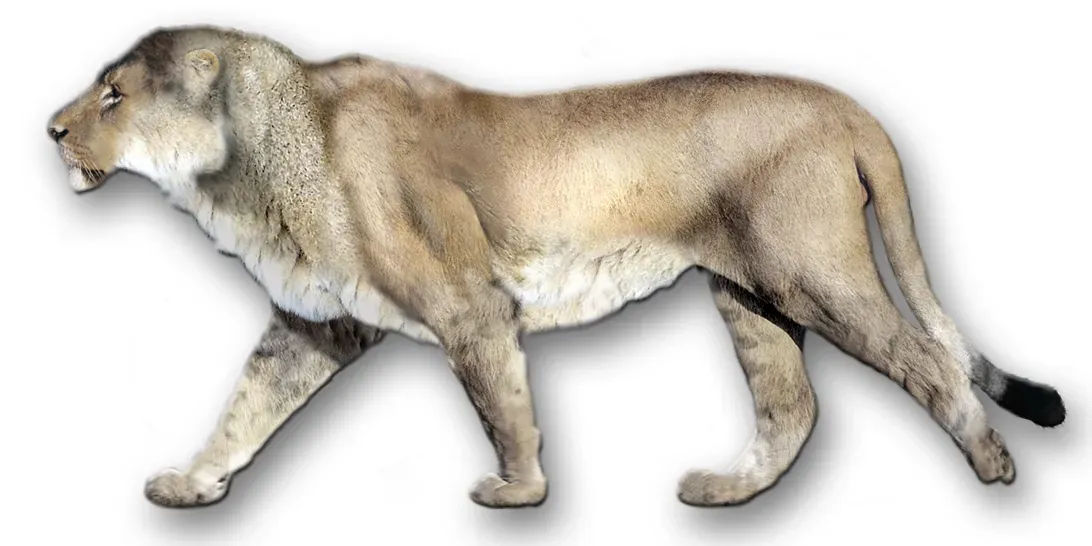
The American cave lion was one of the largest known cats, almost twenty-five percent bigger than modern African and Indian lions, standing over a meter at the shoulder and weighing up to four hundred twenty kilograms. These powerful predators dominated the ice age landscape alongside the giant short-faced bear.
Paleolithic art found in caves in France and Russia shows that similar prehistoric lions had faintly striped coats and no manes, quite different from modern lions, and scientists think they could have lived in prides, working together to hunt and raise young. Prey was plentiful during the ice age, with horses, deer, and camels roaming the land in great numbers.
Dire Wolves: Legendary Pack Hunters
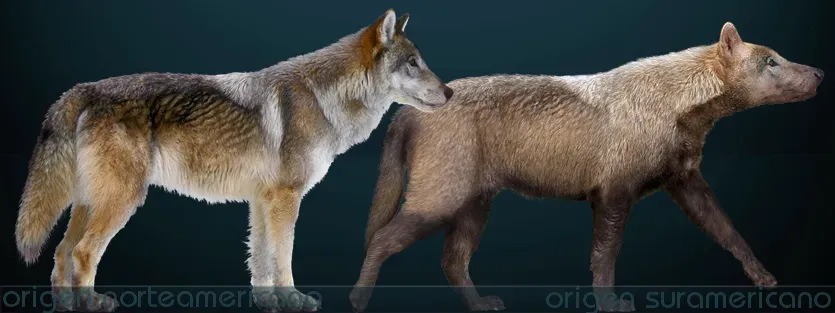
Dire wolves were the largest members of the Genus Canis group, which includes wolves, coyotes, jackals, and domestic dogs. Though they went extinct about thirteen thousand years ago, their bones are abundant in places like California’s La Brea Tar Pits, and roughly five and a half million years ago they split from modern wolves, making them distant relatives.
Dire wolves evolved in South America and ventured north, while today’s grey wolves migrated from Asia, so the two species aren’t closely related. These formidable pack hunters had more powerful teeth than modern wolves, perfectly adapted for taking down the large, slow-moving herbivores that populated their world.
The Mystery of Their Disappearance: What Really Happened?
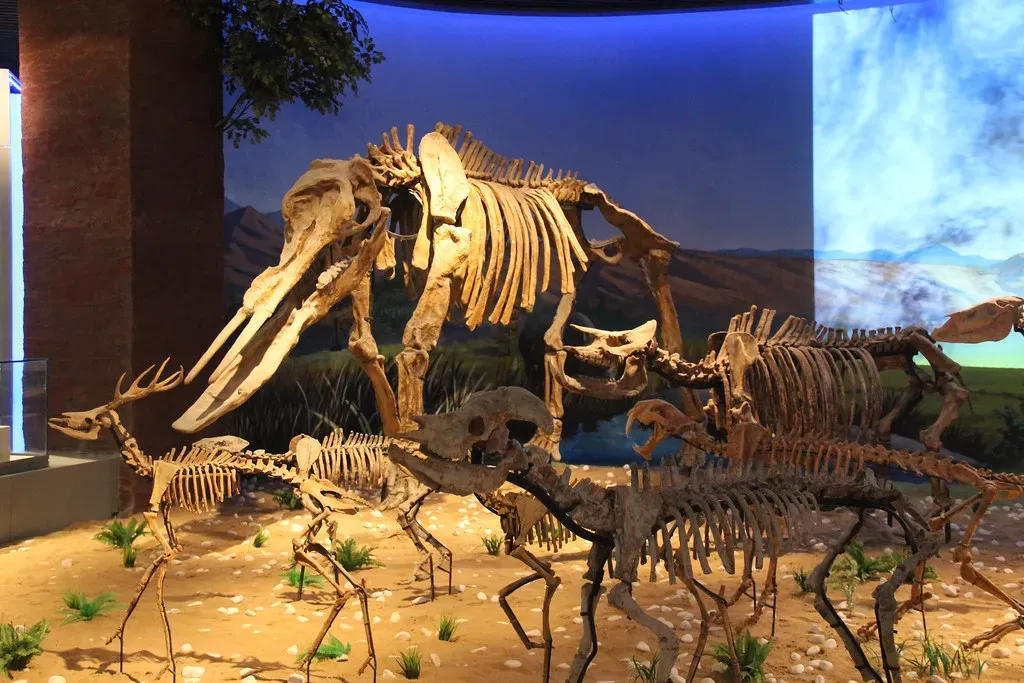
The Late Pleistocene witnessed the extinction of many mammals weighing more than forty kilograms, including around eighty percent of mammals over one ton, with extinction rates being highest in Australia, and North and South America. The debate about what caused these extinctions continues to fascinate researchers today.
While many researchers have blamed incoming Paleoindians who allegedly hunted these animals to extinction, newer studies point to climate and environmental changes as the primary culprit. Some researchers suggest that a combination of both factors could be plausible, as overkill would be much easier to achieve with populations already stressed by climate change. The timing of megafaunal crashes corresponds with major climatic events like the Younger Dryas cold snap that lasted thirteen hundred years. Whatever the true cause, the loss of these magnificent creatures fundamentally transformed North American ecosystems in ways that still echo through the landscape today.
These prehistoric giants left behind more than just fossils. They shaped the very environment we see around us, from the plants that evolved to be dispersed by their massive bodies to the predator-prey dynamics that influenced countless other species. Their story reminds us how dramatically our world can change and how precious the megafauna we still have truly are. What do you think could have saved these incredible creatures from extinction?