You’ve probably seen the movies. You know, the ones where some massive aquatic beast drags an unsuspecting swimmer into the depths. Well, here’s the thing: the oceans of prehistoric Earth were home to creatures that make those Hollywood monsters look like goldfish. We’re talking about marine reptiles that dominated the seas for millions of years, armed with weapons nature spent eons perfecting.
Most people think they know about ancient sea monsters. Maybe you’ve heard of plesiosaurs or mosasaurs. Perhaps you remember that scene from a certain dinosaur franchise. The reality, though, is so much more fascinating and frankly, more terrifying than anything a screenplay could conjure. These weren’t just big fish or overgrown lizards. These were apex predators with bite forces that exceeded modern-day great whites, hunting strategies that would make orcas jealous, and sizes that rivaled whales. Some could sense prey through electroreception. Others had eyes the size of dinner plates to hunt in pitch-black depths.
Let’s be honest here: if you thought sharks were scary, wait until you learn what really lurked beneath the waves when dinosaurs walked the Earth. Ready to dive in?
They Had Bite Forces That Would Crush Modern Predators
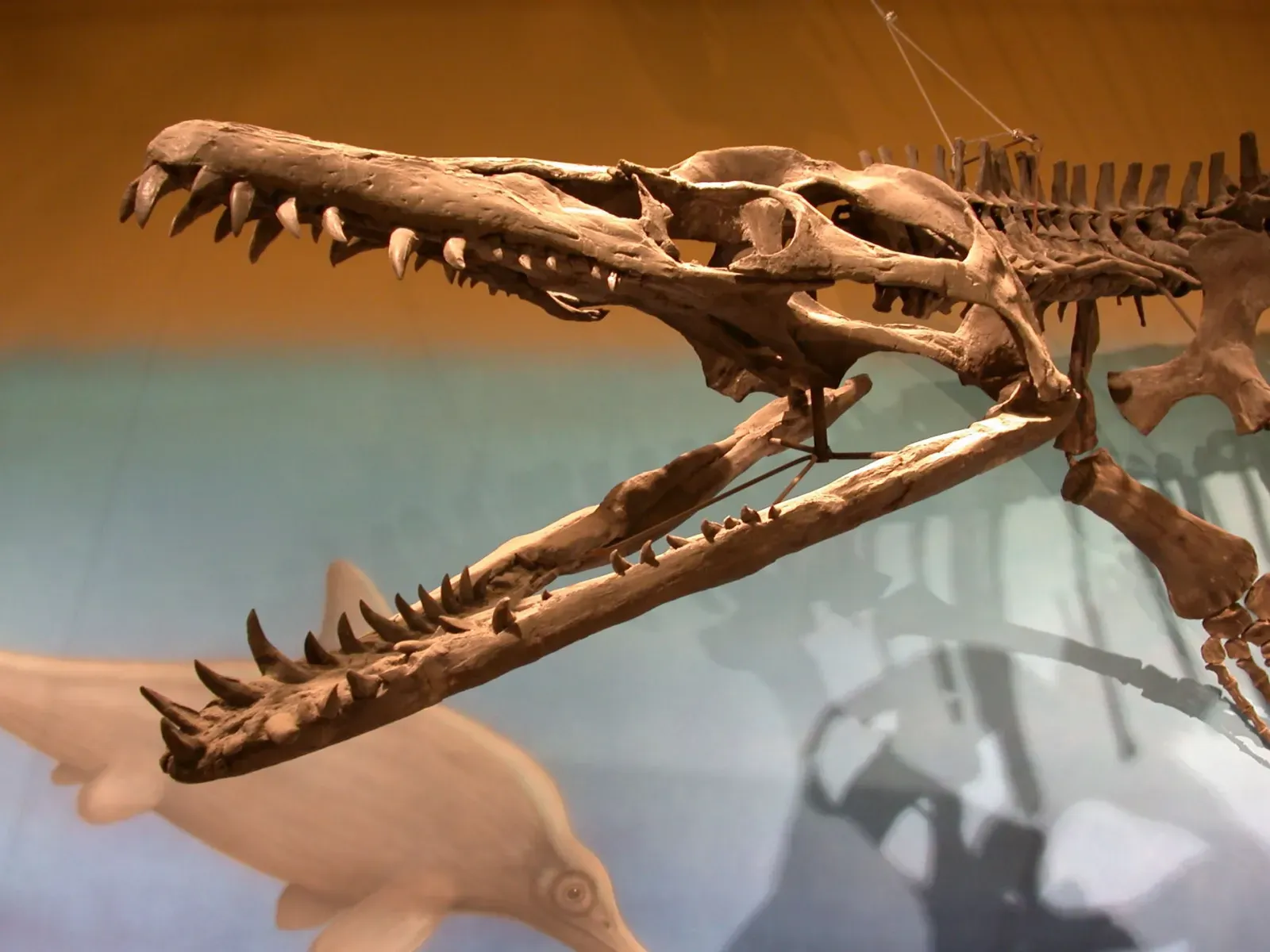
The jaws of certain pliosaurs produced bite forces estimated at around 33,000 Newtons, with fossilized skulls nearly two meters long. To put that in perspective, that’s roughly four times stronger than a Tyrannosaurus rex and vastly more powerful than any living predator today. One study indicated that extinct marine reptiles could generate forces around 15 tonnes per square inch.
Recent research using computed tomography and finite element analysis determined that bite forces ranged from 9,600 to 48,000 newtons depending on jaw positioning. What’s particularly chilling is how these creatures used their devastating power. The force was concentrated at the back of the jaw, suggesting they used biting strategies designed to puncture or crush robust prey through direct, powerful bites that quickly incapacitated large animals. They didn’t need to shake or thrash their victims. One bite was often enough.
Some Species Reached Sizes That Rivaled Blue Whales
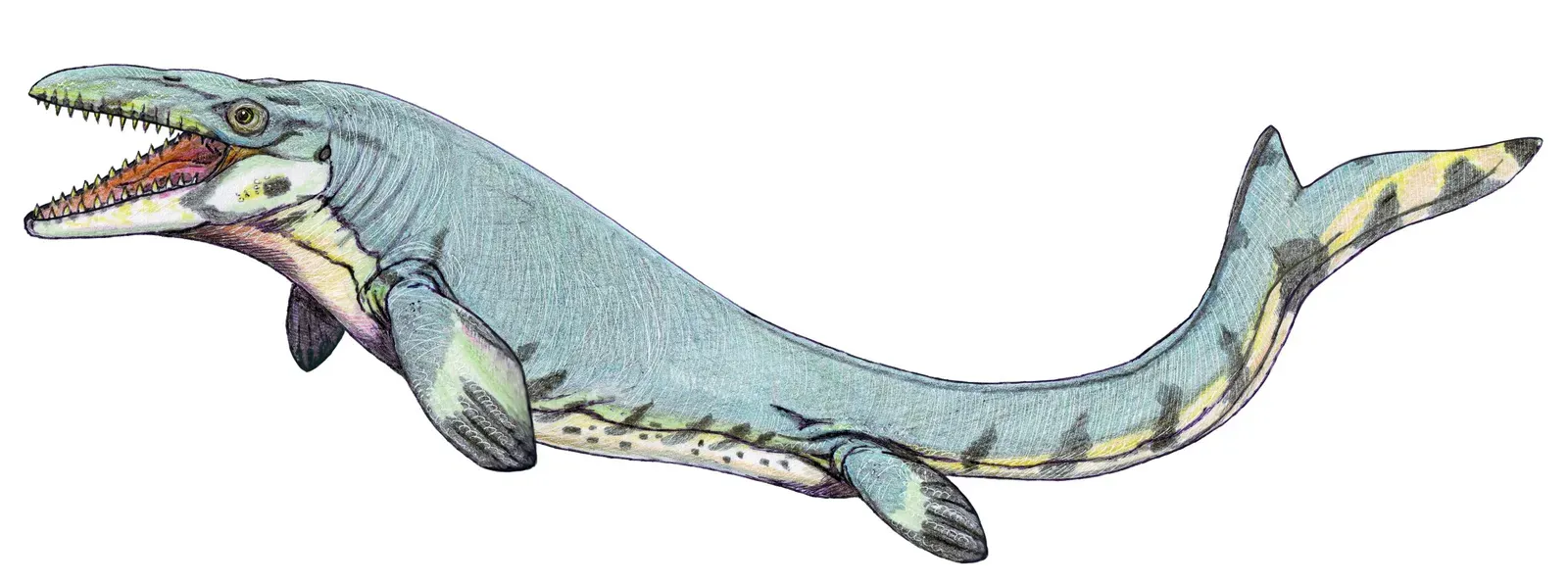
The recently described Ichthyotitan is considered the biggest marine reptile that ever lived, measuring approximately 25 meters from snout to tail, making it only a few meters shorter than a blue whale. Think about that for a moment. The largest animal ever to exist on Earth nearly had a prehistoric competitor.
Mosasaurus hoffmanni grew to be around 56 feet long, while pliosaurs like Kronosaurus and Pliosaurus macromerus reached lengths exceeding 11 meters and weighed approximately 11 tonnes. These weren’t just big animals. They were massive, apex predators that completely dominated their environments. The shastasaurid ichthyosaurs could reach up to 21 meters long, sizes that ichthyosaurs would never achieve again after their extinction.
Their Eyes Were Bigger Than Your Head
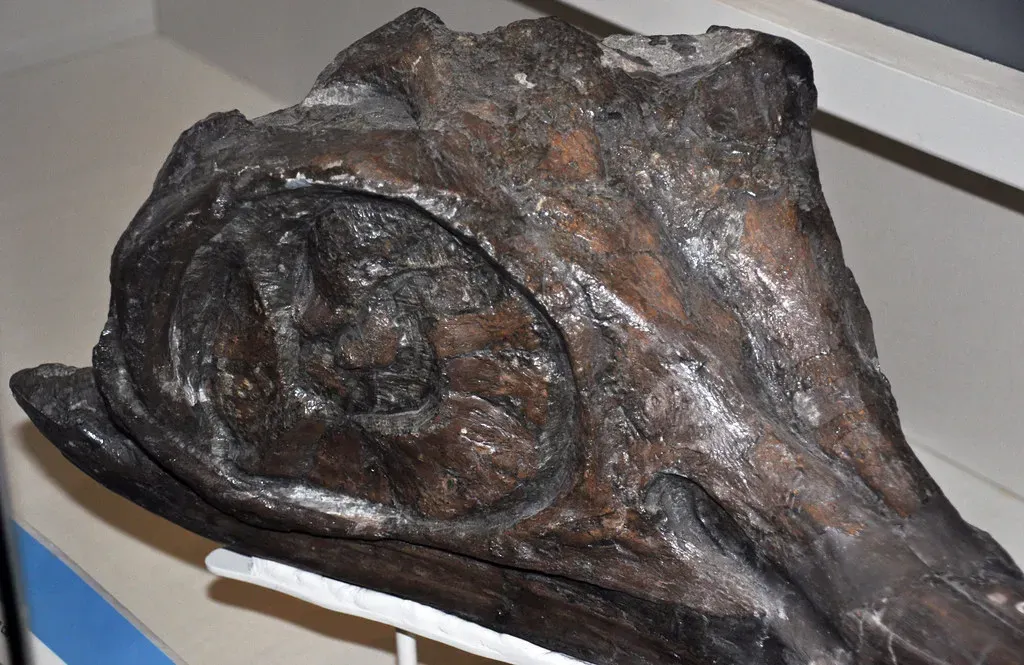
Here’s something that’ll keep you up at night. Some species like Temnodontosaurus had eyes up to 20 centimeters wide, among the largest of any known animal. Why would they need eyes that massive? Simple: they hunted in the deepest, darkest parts of the ocean where sunlight couldn’t penetrate.
The cause for these extraordinarily large eyes was their responsiveness to low light at extreme depths in deep-diving genera like Ophthalmosaurus. These reptiles weren’t just surface hunters. They could pursue prey into the abyss where most creatures couldn’t see a thing. The large eyes allowed them to specialize in living in dimly lit, murky environments such as those at the sea floor. Imagine something the size of a bus silently approaching from the darkness below, those enormous eyes locked onto you.
They Were Faster Than You’d Ever Imagine
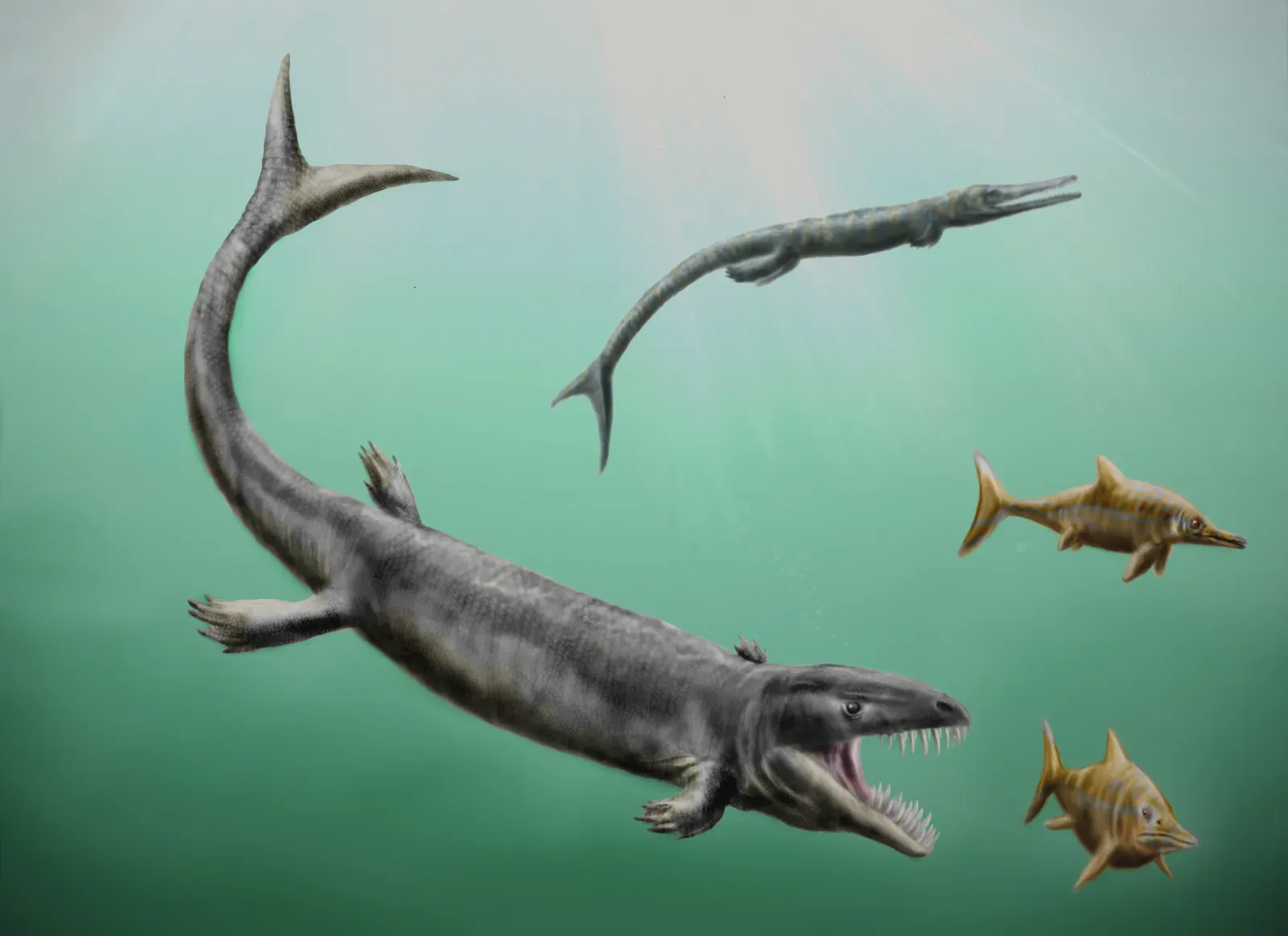
Ichthyosaurs could swim at speeds estimated up to 40 kilometers per hour. That’s roughly 25 miles per hour underwater. Advanced ichthyosaurs had body shapes like living tunas and mackerels, the fastest fish in the ocean, with streamlined bodies built for speed.
The physics behind their movement was remarkable. Their hydrodynamic efficiency approached that of dolphins, measuring about 0.8, making them roughly a fifth faster than plesiosaurs. Pliosaurs were strong, fast swimmers, probably as fast as a modern orca, and very maneuverable. Let’s be real: if one of these things decided you looked like lunch, there was absolutely no escape. The combination of speed, power, and maneuverability made them the ultimate aquatic hunters.
Mosasaurs Were the Ultimate Ambush Predators
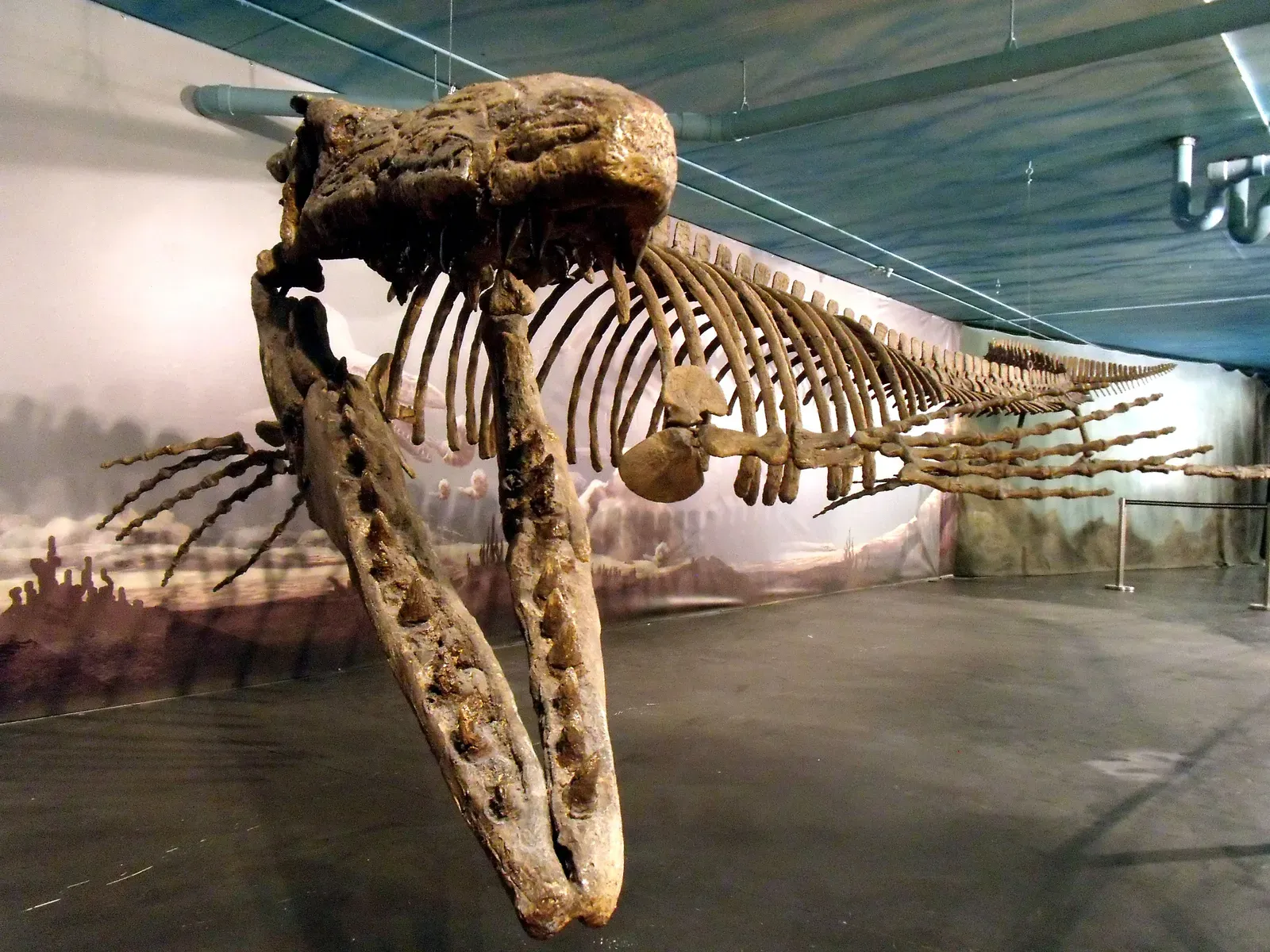
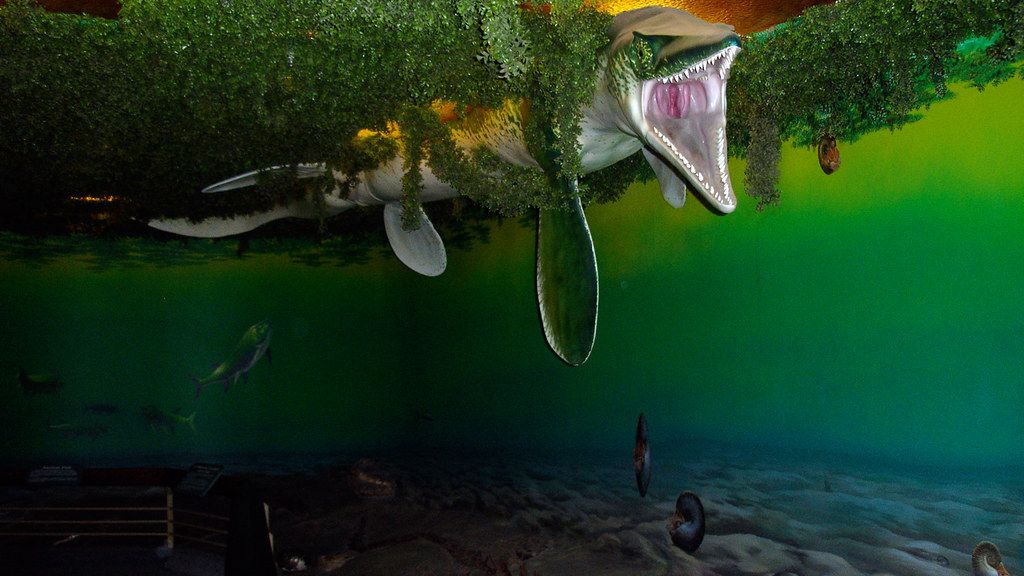
Mosasaurus had a rather savage feeding behavior, with large tooth marks found on giant sea turtle scutes and fossils showing re-healed fractured jaws, and likely hunted near the ocean surface as an ambush predator using large two-dimensionally adapted eyes. They weren’t just opportunistic feeders either.
As ambush predators, they may have benefited from nonreflective, keeled scales for lurking and quickly capturing prey using stealth tactics, and some genera used their front flippers in a breaststroke motion for added bursts of speed during attacks. Before their extinction, mosasaurs roamed the world’s oceans, consuming almost anything that moved, including other mosasaurs. Honestly, the fact that they’d eat their own kind tells you everything you need to know about how ferocious these creatures were.
Pliosaurs Could Sense Prey Like Modern Sharks
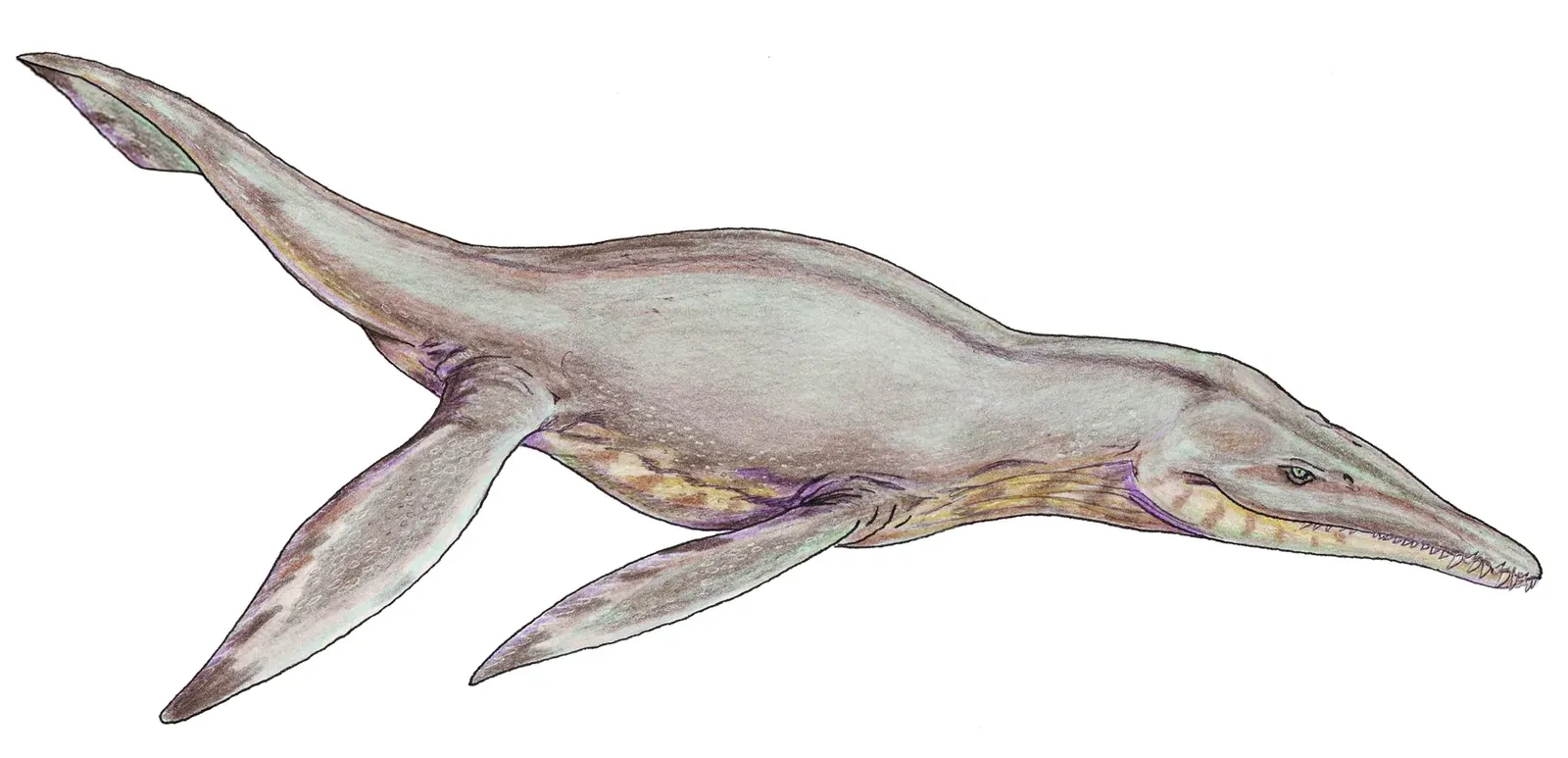
Research on pliosaur specimens revealed a complex system of vascular and nerve canals with ramifications up to 23 millimeters in diameter, suggesting a high degree of sensitivity in the anterior skull region, probably related to detecting prey in aquatic environments via electroperception. This means they could literally sense the electrical signals your muscles produce when you move.
Preserved seafloor sediment shows grooves and marks suggesting these animals ploughed or dug in mud, and the idea that giant predatory species hunted along shores and grabbed terrestrial animals from the water’s edge is likely, given that this strategy is present in several groups of living aquatic predators. They didn’t just hunt in open water. They patrolled coastlines, waiting for anything unfortunate enough to venture too close. The prehistoric equivalent of a monster lurking at the beach.
They Dominated the Oceans for Over 100 Million Years
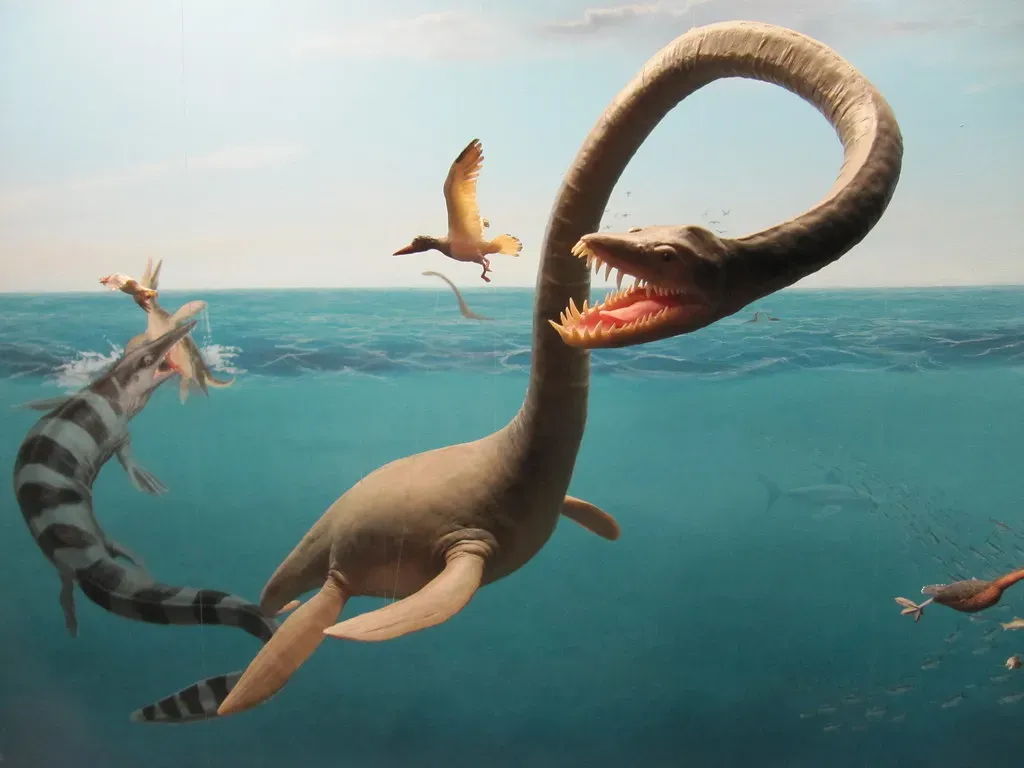
In today’s oceans, food chains typically reach six levels with apex predators like great white sharks and orcas, but researchers discovered a previously unseen seventh level filled with enormous marine reptiles, including hyper-apex predators like Sachicasaurus and Monquirasaurus that could grow beyond 10 meters long. Think about that. An entire level above what we consider apex predators today.
In the Mesozoic era, ichthyosaurs, plesiosaurs, and mosasaurs were extremely common and occupied the top levels of the ancient ocean food chains. Pliosaurs were the largest marine reptiles for the majority of their existence, ruling the world’s oceans as apex predators for more than 80 million years. For context, humans have only existed for a tiny fraction of that time. These creatures were the undisputed rulers of the seas for longer than we can truly comprehend.
Kronosaurus Had Teeth Like Bananas
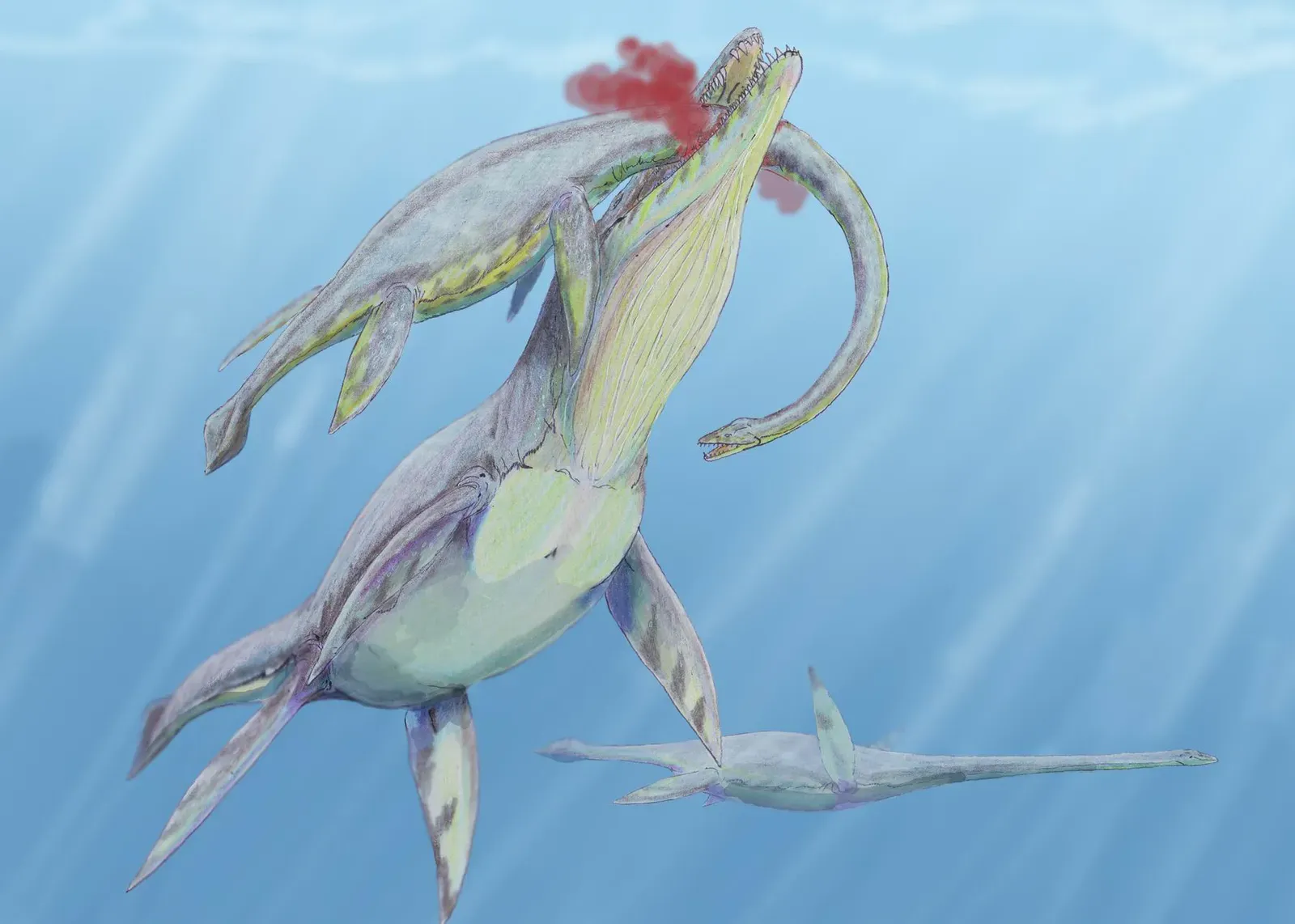
Kronosaurus was a Cretaceous apex predator from Australia’s ancient seas, dominating as a 9-10 meter pliosaur with a 2.7-meter skull and conical, 30-centimeter teeth that were smooth and un-serrated. Thirty centimeters. That’s nearly a foot long. Some of Kronosaurus’s teeth grew an entire 12 inches long, the same size as Predator X’s teeth.
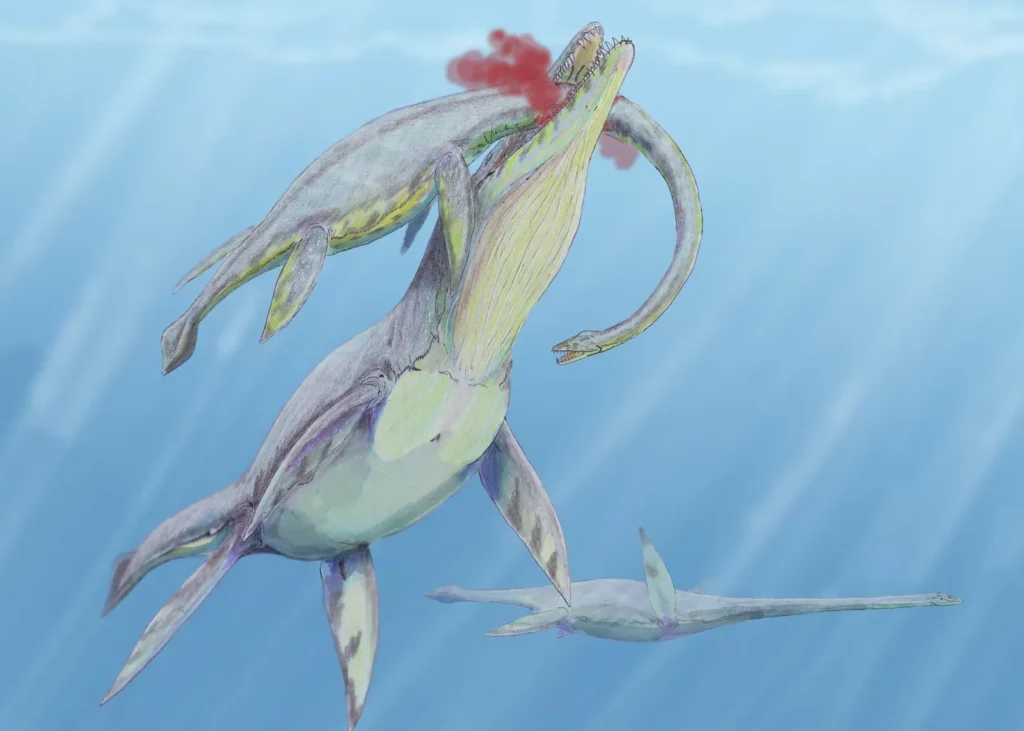
Kronosaurus would likely have been an apex predator in its sea, with fossil evidence showing it preyed on sea turtles and other plesiosaurs, and estimates of its bite force suggest it reached between 15,000 to 27,000 newtons. Evidence for predation comes from an Eromangasaurus skull that appears to have Kronosaurus bite marks, and the fact that only the skull was found might suggest the head was torn off in the attack. Imagine the sheer power required to decapitate another massive marine reptile with your jaws. It’s the stuff of nightmares.
Conclusion: The Ocean’s Most Terrifying Chapter
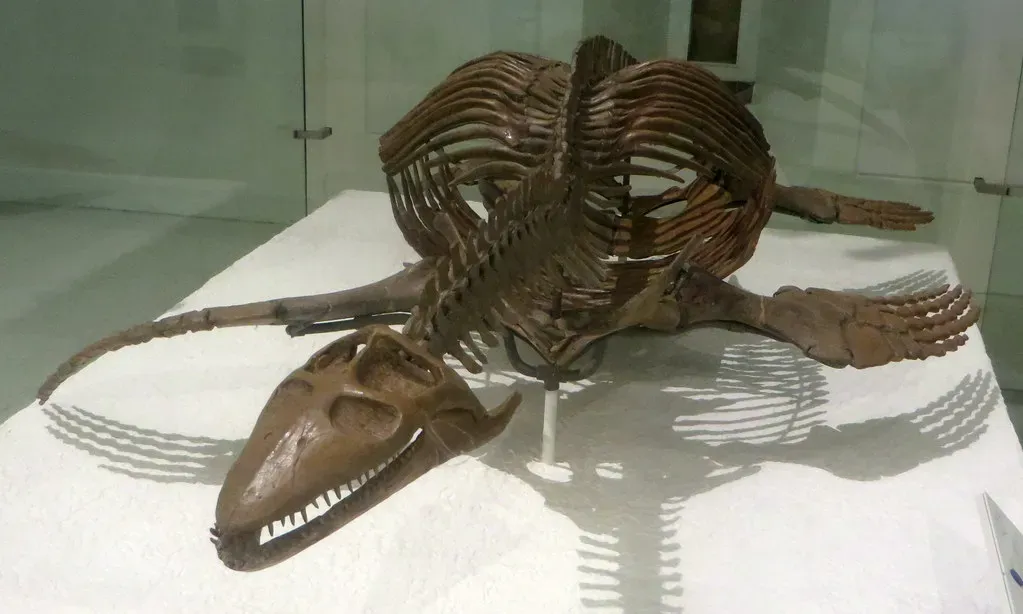
The prehistoric oceans weren’t just bigger or stranger than we imagine. They were fundamentally more dangerous, hosting predators with capabilities that surpassed anything swimming today. Fossil records show that plesiosaurs, ichthyosaurs and mosasaurs inhabited polar waters during cool, seasonally dark periods, and some were insulated by blubber with endothermy present in all main groups. These weren’t cold-blooded sluggish reptiles. They were warm-blooded, intelligent, and relentless hunters that thrived everywhere from tropical shallows to frozen polar seas.
What’s truly remarkable is that we’re still discovering new species and uncovering secrets about how these animals lived, hunted, and dominated their world. Every fossil tells us that the reality was even more impressive than our wildest reconstructions. The next time you’re swimming in the ocean and feel that primal unease about what might be lurking below, remember: your ancestors’ fears weren’t entirely irrational. They just had their timeline wrong by about 65 million years.
What do you think? Would you have dared to dive into those prehistoric seas?