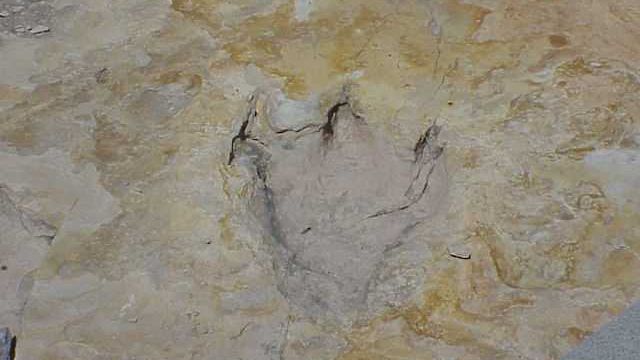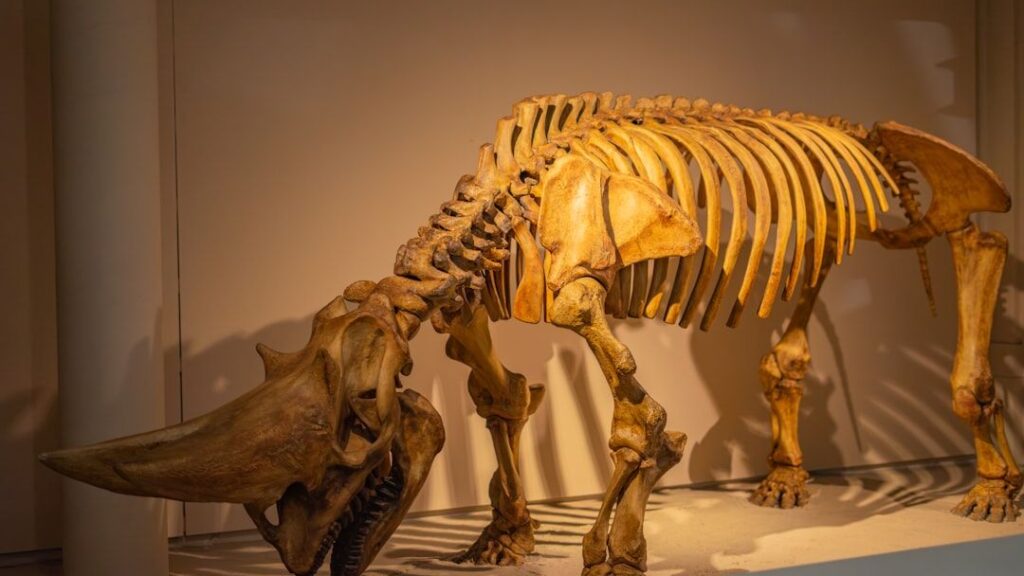
Imagine a world where giant kangaroos the size of small cars hopped across Australia, where woolly mammoths thundered across frozen tundra, and where enormous ground sloths the height of giraffes browsed peacefully through South American forests. This was the reality of our planet not so long ago – geologically speaking, barely a blink of the eye. Then, in what amounts to a stunning and still-controversial chapter of Earth’s story, these colossal creatures vanished.
What wiped them out? For decades, scientists have traded blows over climate change versus human hunters as the prime culprit. Honestly, the debate is messier and more gripping than most people realize – and the answers, now emerging with fresh clarity from modern research, are reshaping everything we thought we understood about our own ancestors. Let’s dive in.
The Scale of Loss Was Staggering
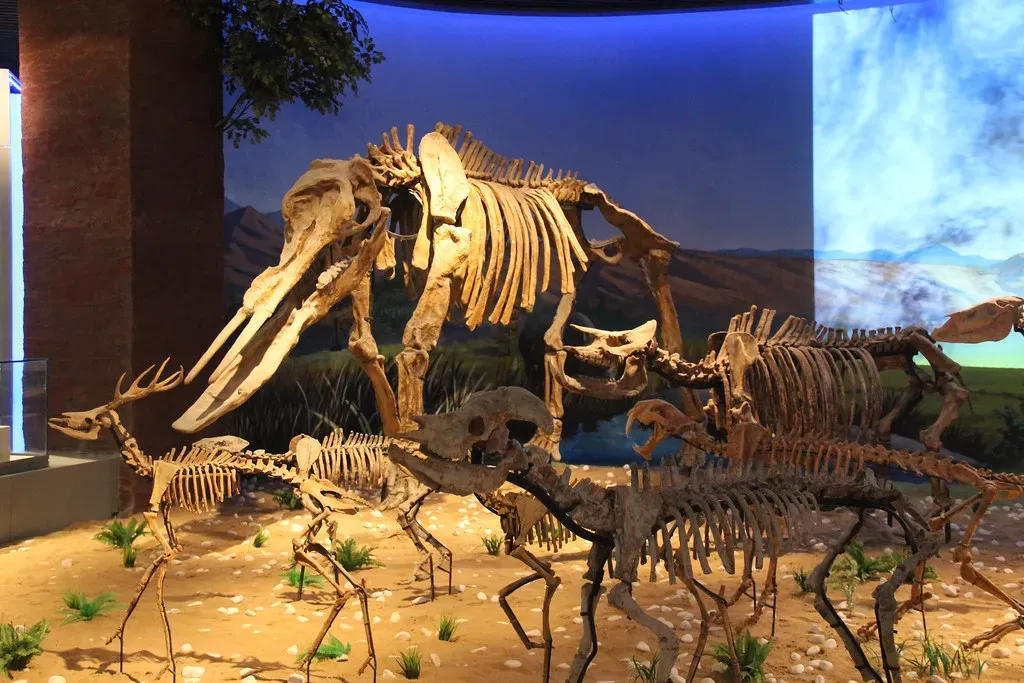
Before we even get into the “who” or “why,” you need to grasp just how enormous this extinction event truly was. The Late Pleistocene to the beginning of the Holocene saw the extinction of the majority of the world’s megafauna, typically defined as animal species having body masses over 44 kg, which resulted in a collapse in faunal density and diversity across the globe. Think about that. Nearly every large creature on Earth was gone within a relatively short geological window.
The Earth has lost approximately half of its large mammal species over the past 120,000 years, resulting in depauperate megafauna communities worldwide. If you could somehow rewind the clock 50,000 years and take a walk across what is now North America, you would encounter creatures that seem almost mythological today – towering mammoths, short-faced bears, giant ground sloths, and the ferocious saber-toothed cat.
Not All Continents Suffered Equally
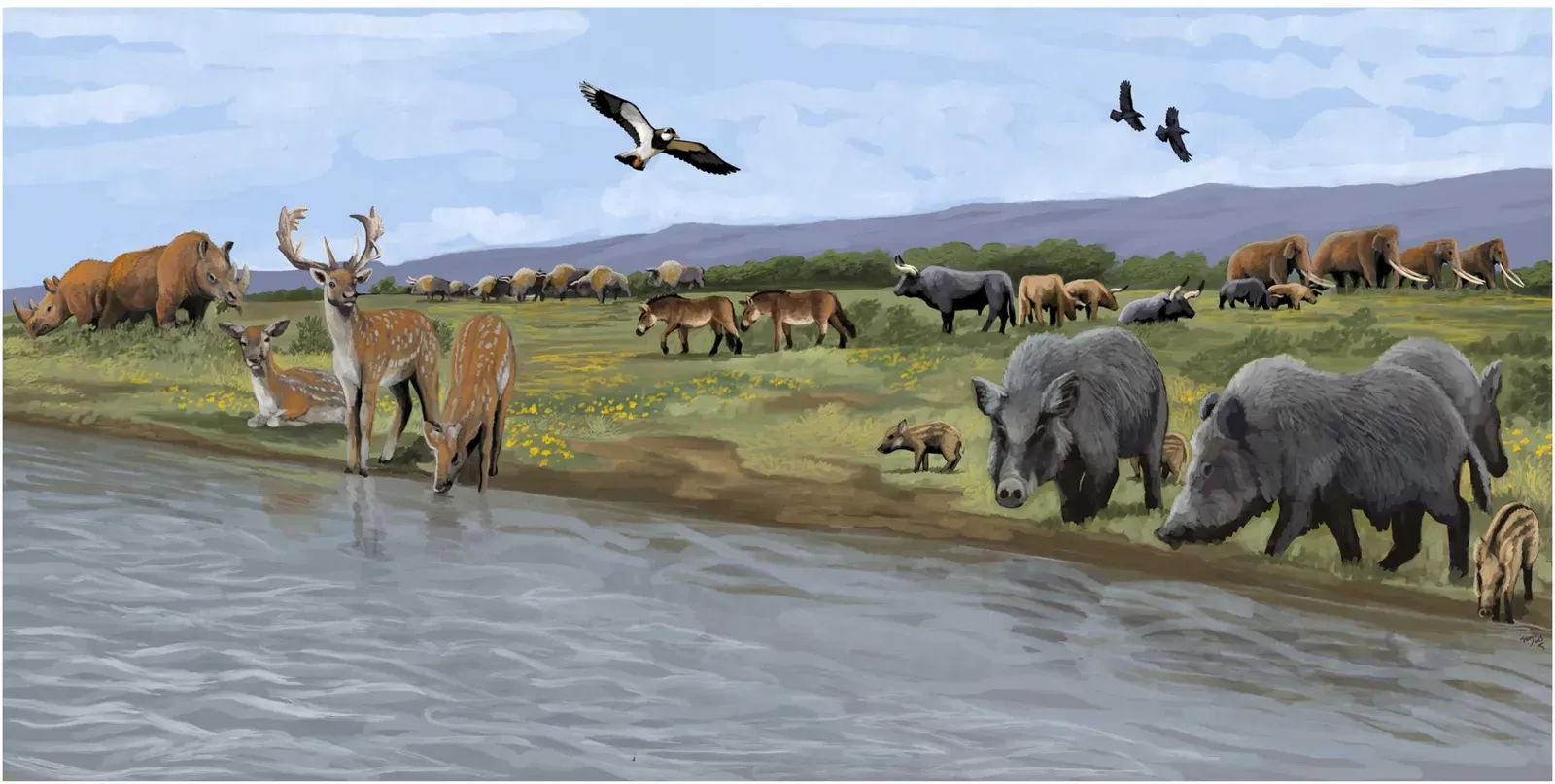
Here’s the thing – the extinction was not a uniform, global catastrophe that swept across all continents at the same moment. It unfolded in waves, and the variation in timing and severity between regions turns out to be one of the most important clues in this whole mystery. Overall, during the Late Pleistocene about 65% of all megafaunal species worldwide became extinct, rising to 72% in North America, 83% in South America and 88% in Australia, with all mammals over 1,000 kg becoming extinct in Australia and the Americas, and around 80% globally.
The prehistoric late-Quaternary extinctions exhibit well-documented geographic contrasts, with moderate extinctions in the Afrotropics and Indomalaya, more severe extinctions in the Palaearctic, even more severe extinctions in the Nearctic and Neotropics, and near-total loss in Australasia. Africa, interestingly, retained far more of its large animal diversity than any other continent. That simple geographical pattern, it turns out, holds a powerful message about what really happened.
The Overkill Hypothesis – Humans as the Hidden Weapon
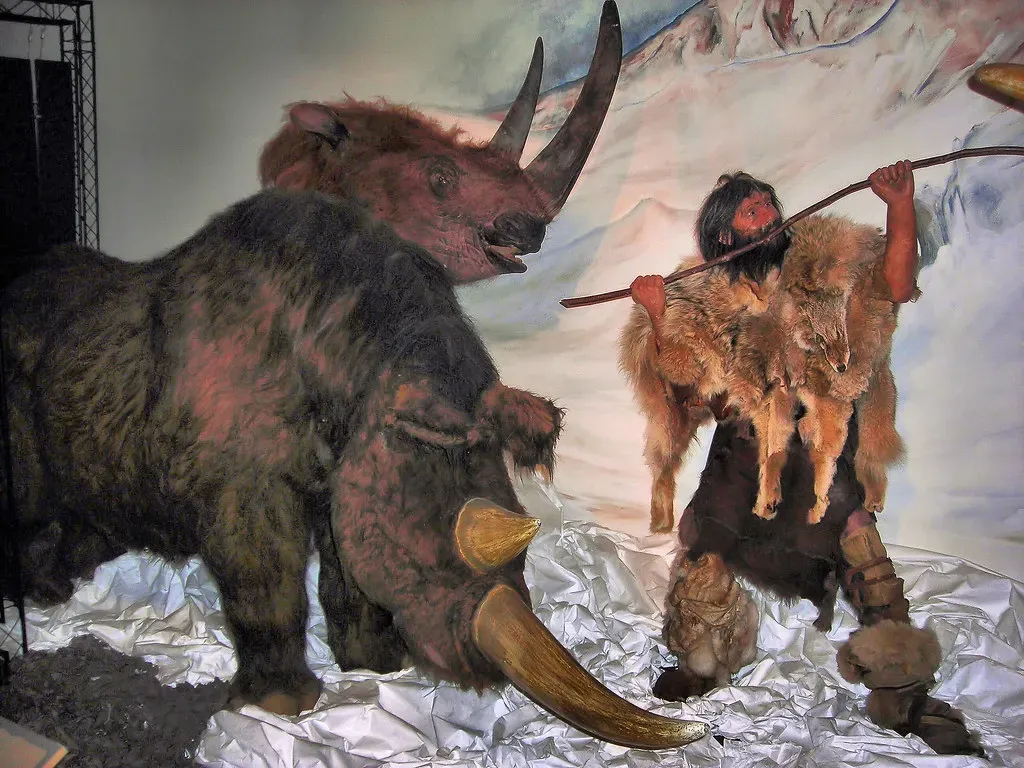
The most explosive and contested explanation for the mass die-off is the so-called “overkill hypothesis.” Simply put, it argues that early modern humans were so effective as hunters that, wherever they arrived on a new continent, they drove the biggest animals to extinction. The large animals did not possess the appropriate anti-predator behaviors to deal with a novel, highly social, tool-wielding predator, which made them particularly easy to hunt. According to proponents of this “overkill hypothesis,” humans took full advantage of the easy-to-hunt prey, devastating the animal populations and carelessly driving the giant creatures to extinction.
The evidence for this is surprisingly compelling. Extinction through human hunting has been supported by archaeological finds of mammoths with projectile points embedded in their skeletons, by observations of modern naive animals allowing hunters to approach easily and by computer models. More damning still, the timing of megafauna extinctions was not consistent across the world; instead, the timing of their demise coincided closely with the arrival of humans on each continent. That is not the fingerprint of a random climate event. That is the pattern of a predator on the move.
Climate Change – A Real Factor or a Convenient Excuse?
I’ll be honest – this is where the science gets genuinely complicated. Not every researcher is convinced that humans alone swung the axe. Some scientists point to the enormous climate fluctuations of the Pleistocene as an equally powerful force. Around the time of the extinctions, between 15,000 and 12,000 years ago, there were two major climatic changes. The first was a period of abrupt warming that began around 14,700 years ago, and the second was a cold snap around 12,900 years ago during which the Northern Hemisphere returned to near-glacial conditions. One or both of these important temperature swings, and their ecological ramifications, have been implicated in the megafauna extinctions.
The climate camp makes a reasonable point that cannot simply be dismissed. Findings based on a new statistical modelling approach suggest that populations of large mammals fluctuated in response to climate change, with drastic decreases of temperatures around 13,000 years ago initiating the decline and extinction of these massive creatures. Still, the weight of accumulated global evidence has shifted the scientific conversation considerably. Models including human factors outperformed all purely climatic models when researchers tested the predictive power of each hypothesis across all six biogeographic realms.
Islands Tell a Story That Is Hard to Ignore
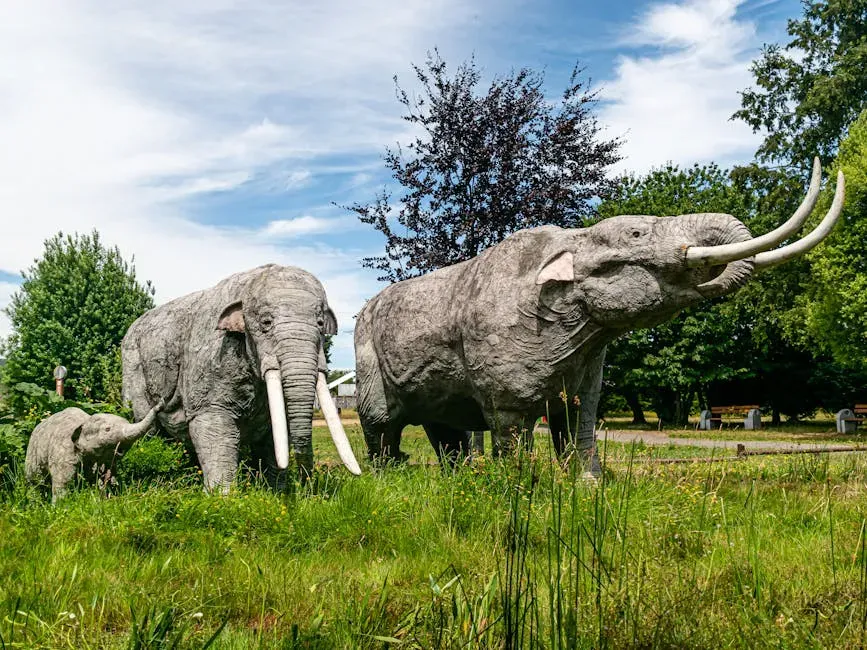
If you want a compelling natural experiment that helps separate the human impact argument from the climate one, look no further than isolated islands. The pattern found there is frankly stunning. Evidence supporting the prehistoric overkill hypothesis includes the persistence of megafauna on some islands for millennia past the disappearance of their continental cousins. For instance, ground sloths survived on the Antilles long after North and South American ground sloths were extinct, woolly mammoths died out on remote Wrangel Island 6,000 years after their extinction on the mainland, and Steller’s sea cows persisted off the isolated and uninhabited Commander Islands for thousands of years after they had vanished from the continental shores of the north Pacific.
Think about what that means. As long as humans were not present, the giant animals hung on. The moment people arrived, the clock started ticking. The appearance of humans introduced a novel predator that could hunt adult megafauna and with populations that rise independently of their prey, which could have had severe impacts on megafauna populations, analogous to the undisputed rapid extinctions of megafauna in Madagascar and New Zealand following human arrival. The island evidence is, to put it simply, the smoking gun that shifts the balance of the argument.
The Ecological Wreckage Left Behind
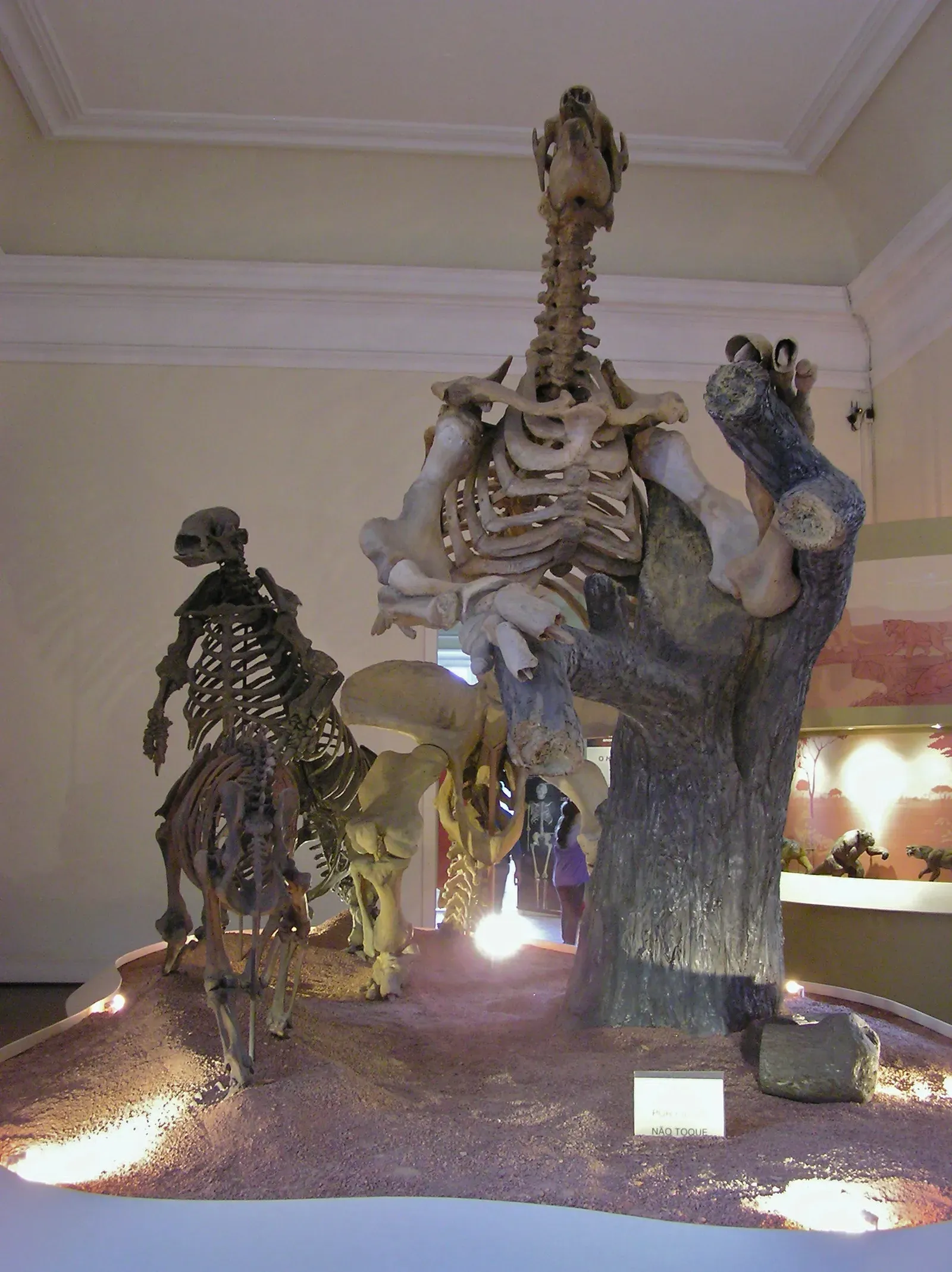
Here is where the story becomes genuinely heartbreaking in a way that connects directly to the world you live in today. The loss of megafauna was not just the loss of impressive animals. It fundamentally rewired how entire ecosystems function. Large animals play a central role in ecosystems by influencing vegetation structure, such as the balance between dense forests and open areas, seed dispersal, and nutrient cycling. Their disappearance has resulted in significant changes in ecosystem structures and functions.
In South America’s Amazon Basin, it is estimated that the lateral diffusion of nutrients was reduced over 98% following the megafaunal extinctions that occurred roughly 12,500 years ago. Given that phosphorus availability is thought to limit productivity in much of the region, the decrease in its transport to other areas is thought to have significantly impacted the region’s ecology, and the effects may not yet have reached their limits. The Amazon you think of as pristine and ancient is actually a diminished, altered landscape – still recovering, in geological terms, from a catastrophe thousands of years ago. It’s a sobering thought.
What This Means for Conservation Today
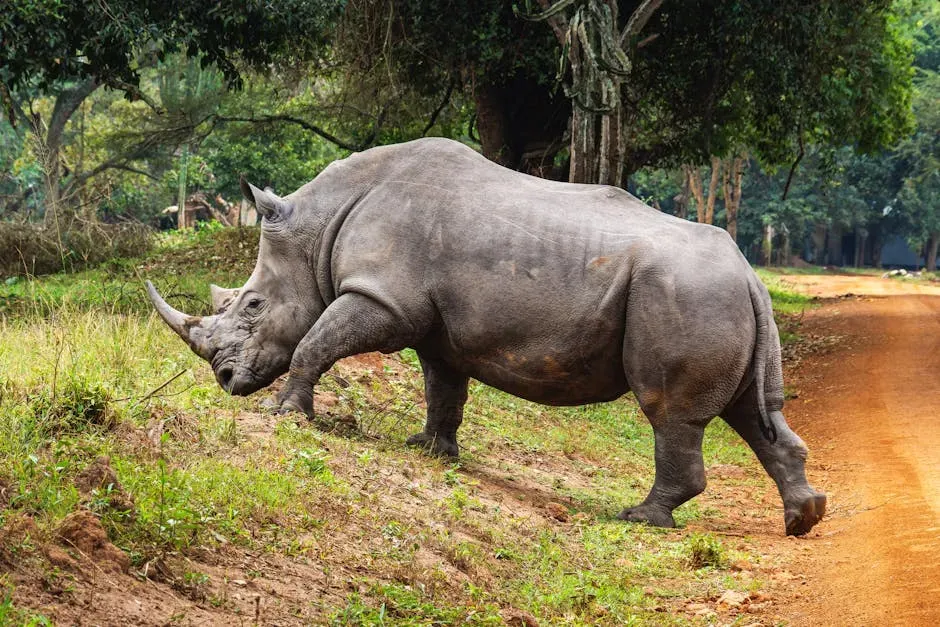
The loss of prehistoric megafauna is not just ancient history – it is actively shaping conservation science and policy right now. A broad range of evidence indicates that the megafauna extinctions have elicited profound changes to ecosystem structure and functioning. The late-Quaternary megafauna extinctions thereby represent an early, large-scale human-driven environmental transformation, constituting a progenitor of the Anthropocene, where humans are now a major player in planetary functioning.
Research concludes that megafauna restoration via trophic rewilding can be expected to have positive effects on biodiversity across varied Anthropocene settings. The concept of “rewilding” – strategically reintroducing large animals to restore ecological function – is gaining serious traction. Studies advocate for “trophic rewilding,” the deliberate reintroduction or population boosting of large herbivores to reinstate lost ecological processes. While many of the original species no longer exist, nearby ecological equivalents or closely related taxa could serve similar functional roles in modern ecosystems, a strategy already explored in parts of Europe and North America. The deep past, it turns out, holds the blueprint for healing our present.
Conclusion
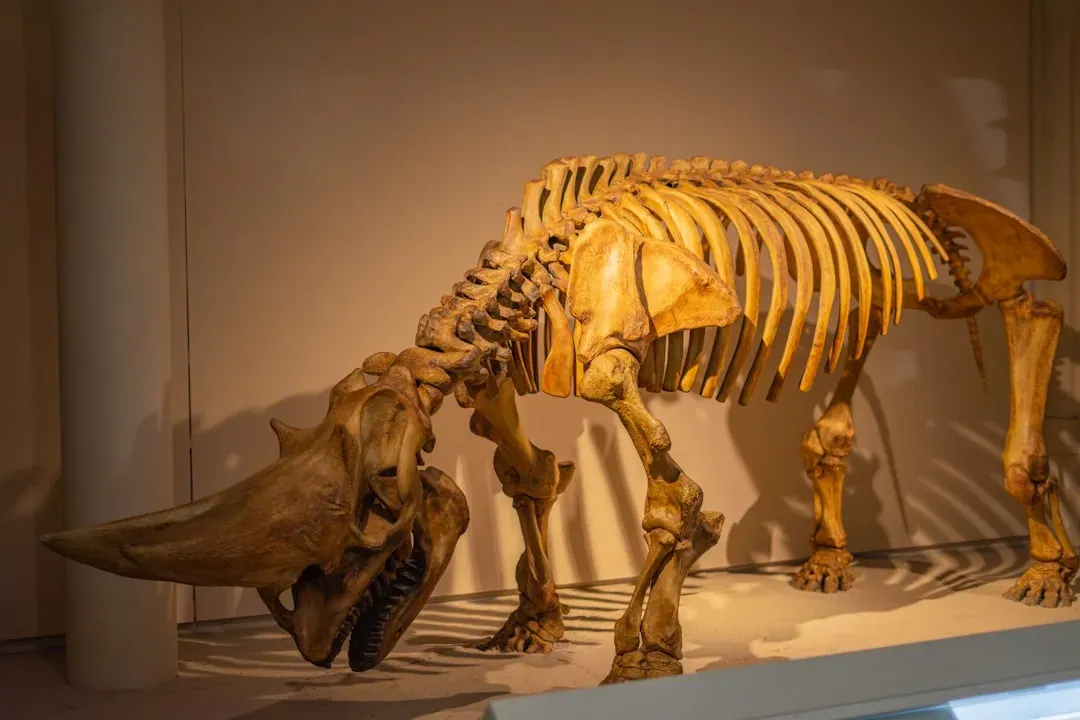
The story of prehistoric megafauna extinction is not a neat, tidy narrative with a single villain. It is a complex, continent-spanning event shaped by the deadly combination of human arrival, ecological naivety of prey animals, climate stress, and the slow-motion unraveling of interconnected ecosystems. What is becoming increasingly clear – especially in light of the most recent research – is that human impact played a far greater and earlier role than many were willing to admit just a generation ago.
We are not simply the inheritors of a world that was already emptied by forces beyond anyone’s control. The current low diversity in large mammals in many continental areas is an anthropogenic phenomenon, not a natural one, with important implications for nature management. The megafauna crisis of prehistory and the biodiversity crisis of today share the same author. Recognizing that uncomfortable truth is, perhaps, the most important step toward writing a different ending.
What surprises you most – that our early ancestors wielded such devastating power over the planet, or that the scars of their actions are still visible in the ecosystems around you today? Share your thoughts in the comments.