You probably know the big names from Earth’s distant past: T. rex, Triceratops, the towering sauropods. But here’s a thought that honestly deserves more attention – none of those creatures would have existed without a quietly extraordinary cast of green heroes working behind the scenes. Plants. Ancient, resilient, often overlooked.
Long before the first dinosaur set foot on land, prehistoric plants were already reshaping the chemistry of the atmosphere, stabilizing soils, building food chains, and engineering entire ecosystems from the ground up. They did it without fanfare. Without teeth. Without claws. Let’s dive into their remarkable story.
The First Land Plants: Life’s Most Daring Pioneers
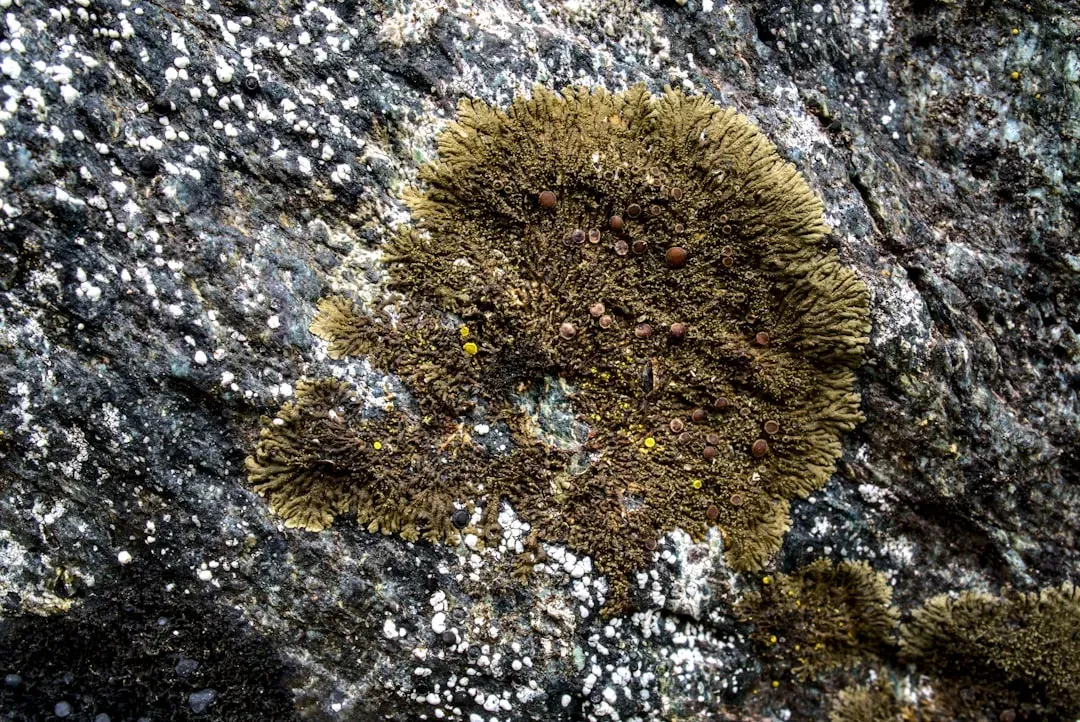
Imagine a barren, rocky landscape with no grass, no trees, and no soil as you know it – just bare stone, wind, and water. That was Earth before plants made the crossing from ocean to land. For hundreds of millions of years after life began, plants were largely restricted to the oceans. The first land plants, descended from aquatic algae, appeared about 500 million years ago and resembled today’s mosses and liverworts.
It sounds modest, but that move changed absolutely everything. These pioneers would have made the land more habitable for animals, by providing a source of food and fertilising the atmosphere with oxygen, a byproduct of photosynthesis. Think of it like this: every breath you take today is partly a debt owed to those first tiny, moss-like organisms clinging to ancient rocks half a billion years ago.
How Prehistoric Plants Rewrote the Atmosphere
Here’s the thing – the air you breathe wasn’t always 21 percent oxygen. Getting there was a long, complicated process, and prehistoric plants were central to it. The earliest plants, which colonized the land from 470 million years ago onward, first increased atmospheric oxygen to present levels by around 400 million years ago, and this instigated fire-mediated feedbacks that have stabilized high oxygen levels ever since.
The consequences were staggering. Much of the carbon in the peat deposits produced by ancient coal forests came from photosynthetic fixation of atmospheric carbon dioxide, which released accompanying oxygen into the atmosphere. This process may have greatly increased the atmospheric concentration of oxygen to possibly as high as about 35 percent, making the air more breathable by animals with inefficient respiratory systems. That oxygen-rich world is also what allowed insects to grow to what can only be described as nightmare proportions – but that’s a story for another time.
The Carboniferous Coal Forests: Earth’s Green Skyscrapers
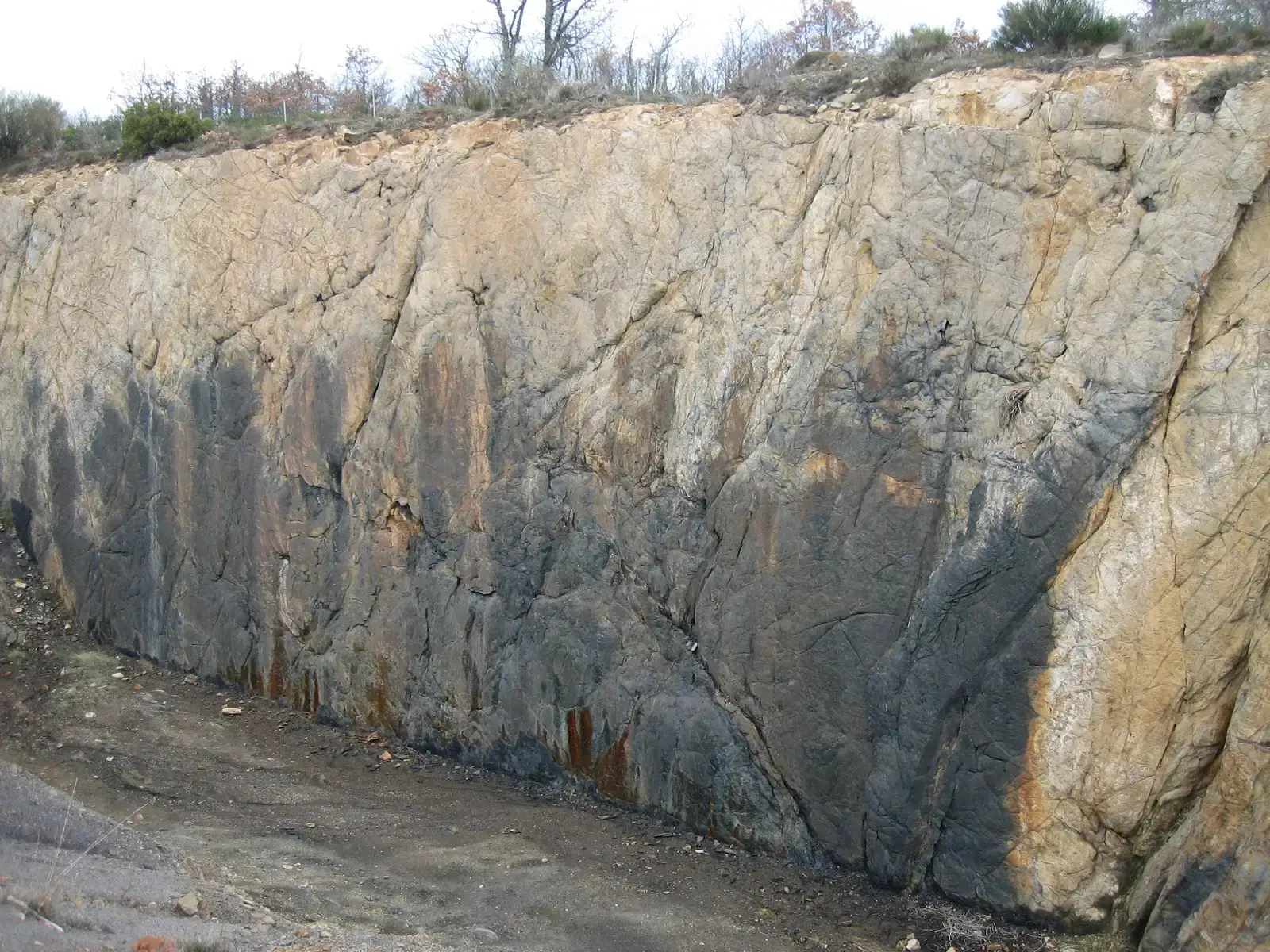
If you could travel back roughly 300 to 360 million years, you would find yourself inside one of the strangest, most spectacular forests that ever existed. Carboniferous coal was produced by bark-bearing trees that grew in vast lowland swamp forests. Vegetation included giant club mosses, tree ferns, great horsetails, and towering trees with strap-shaped leaves. It looked nothing like any forest alive today.
The main plants of the Coal Forests were tree-like lycophytes, or club mosses, that could grow up to 50 meters tall. Unlike a modern tree, most of the trunk of these giant lycophytes did not consist of wood, but of soft cork-like tissue. When these giants died, trees had loaded themselves with a molecule called lignin, which formed a massive amount of tree bark. The bark-to-wood ratio was so high that hardly any decomposing organism could digest Carboniferous tree bark. The result? Dead plant matter piled up for millions of years – and eventually became the coal that powered the Industrial Revolution.
Ferns: The Ancient Survivors That Still Thrive Today
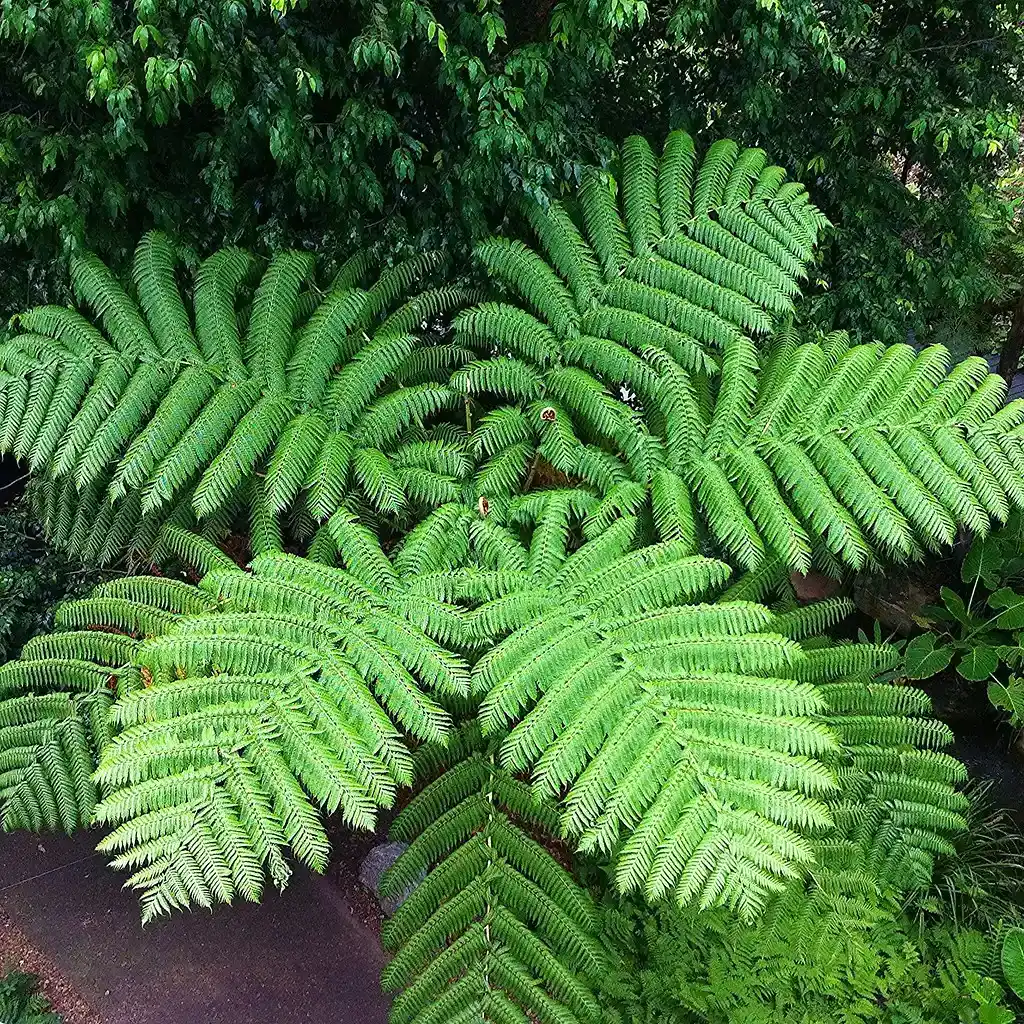
Ferns are easy to take for granted. You see them in gardens, in forests, tucked into shady corners. But their story is far older and stranger than most people realize. True ferns are an extremely diverse group of vascular plants that first appear in the fossil record during the Devonian period, around 380 million years ago. That is roughly twice as old as the dinosaurs themselves.
Ferns were once the primary vegetation covering the earth! The ancient species were probably similar to the tree ferns, now found only in some tropical regions. These dominant plants of the dinosaur era decomposed to become a major component of coal deposits. Today, the ability of ferns to adapt and evolve has resulted in more than 12,000 known living species growing in climates from the tundra to the tropics. That is not a fossil record. That is a success story of almost incomprehensible proportions.
Cycads and the Age of Dinosaurs: Rulers of an Ancient Landscape
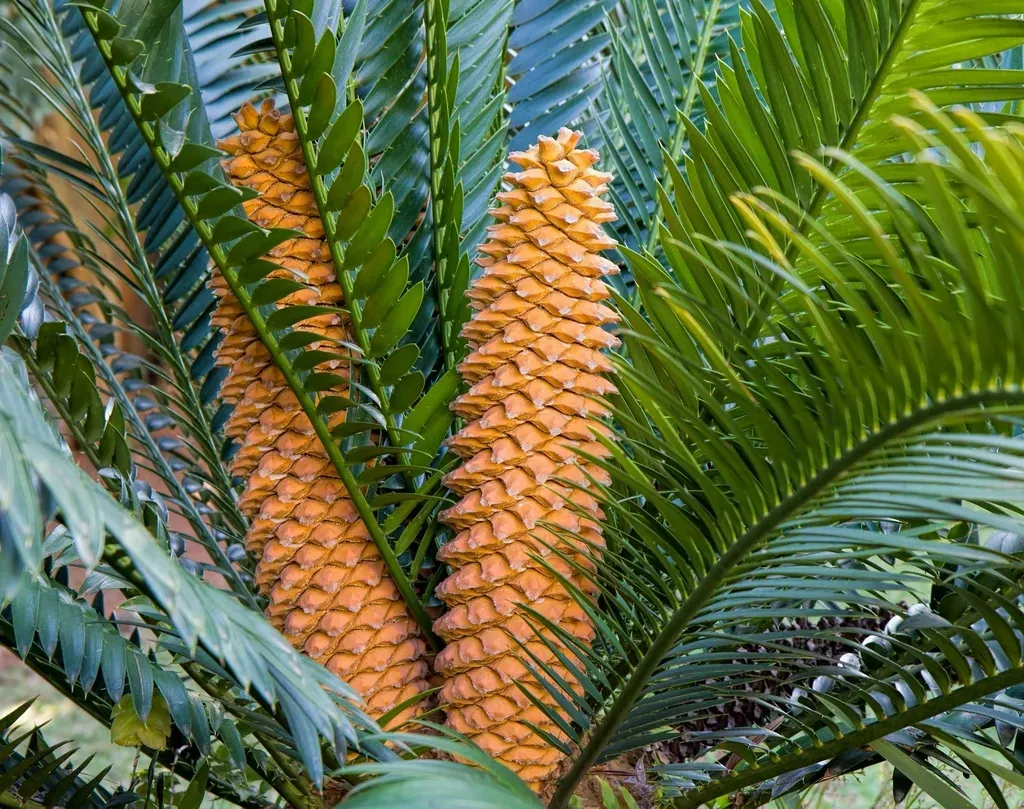
If the Carboniferous was the age of club mosses and tree ferns, then the Mesozoic Era had a different star. The age of the dinosaurs could equally have been called the age of the cycads. These palm-like members of the gymnosperms were among the first plants to produce seeds rather than spores. Cycads became dominant during the Triassic, Jurassic and Cretaceous periods, spanning 252 to 66 million years ago, and they would have been a plentiful source of fodder for the herbivorous reptiles that roamed the Earth.
What makes cycads fascinating is how their story challenges what you might assume. Living cycads are not simply ancient fossils – they evolved only within the past 12 million years. Today’s cycads, famed as living fossils because they’ve survived since the last dinosaurs munched on them 65.5 million years ago, are really only a few million years old, according to a study by University of California Berkeley scientists. So while the cycad lineage is ancient beyond imagination, the cycads and their look-alike ancestors have been around 280 million years and have survived several mass extinctions.
The Ginkgo Tree: A Lone Survivor from Deep Time
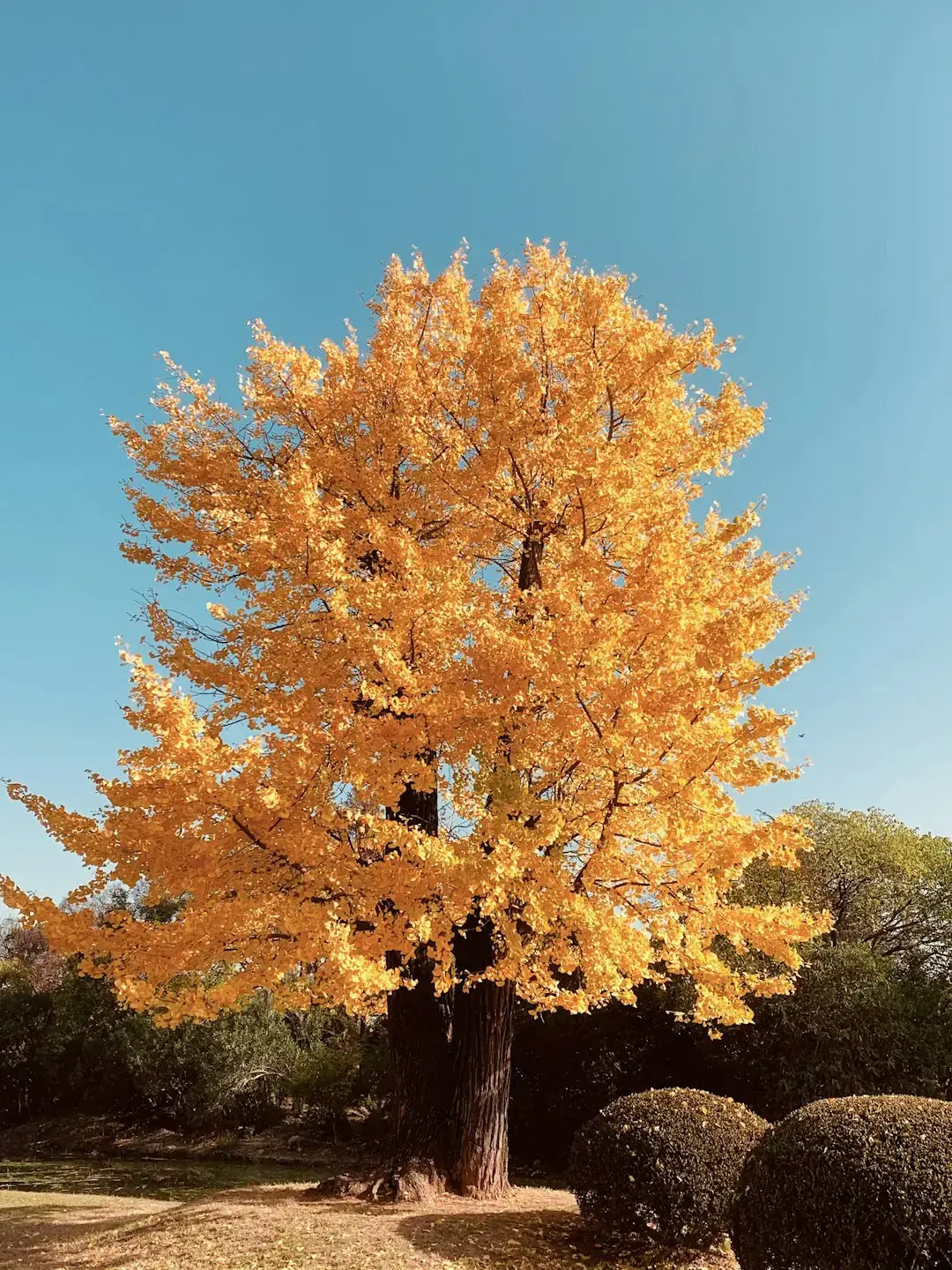
Of all the plants you could call a true survivor, the ginkgo tree stands in a category almost entirely its own. Ginkgos evolved alongside ferns and cycads in the time before flowering plants. They are first found in fossils from the Early Jurassic, and have existed virtually unchanged since that time. And if you think that sounds impressive, wait – it gets better.
At the end of the Pliocene, about 3 million years ago, ginkgos disappeared worldwide. The species survived only in central China, where it was cultivated for millennia by Chinese monks. Honestly, the idea that Chinese monks essentially saved one of the world’s oldest tree species from total extinction is both humbling and extraordinary. The fan-leaved tree has grown alongside primeval ferns and cycads, provided shade for dinosaurs, inspired Song Dynasty poets, and survived the 1945 atom bomb in Hiroshima. Today you can find ginkgos lining city streets around the world, completely unbothered by modernity.
The Rise of Flowering Plants: A Late but Explosive Revolution
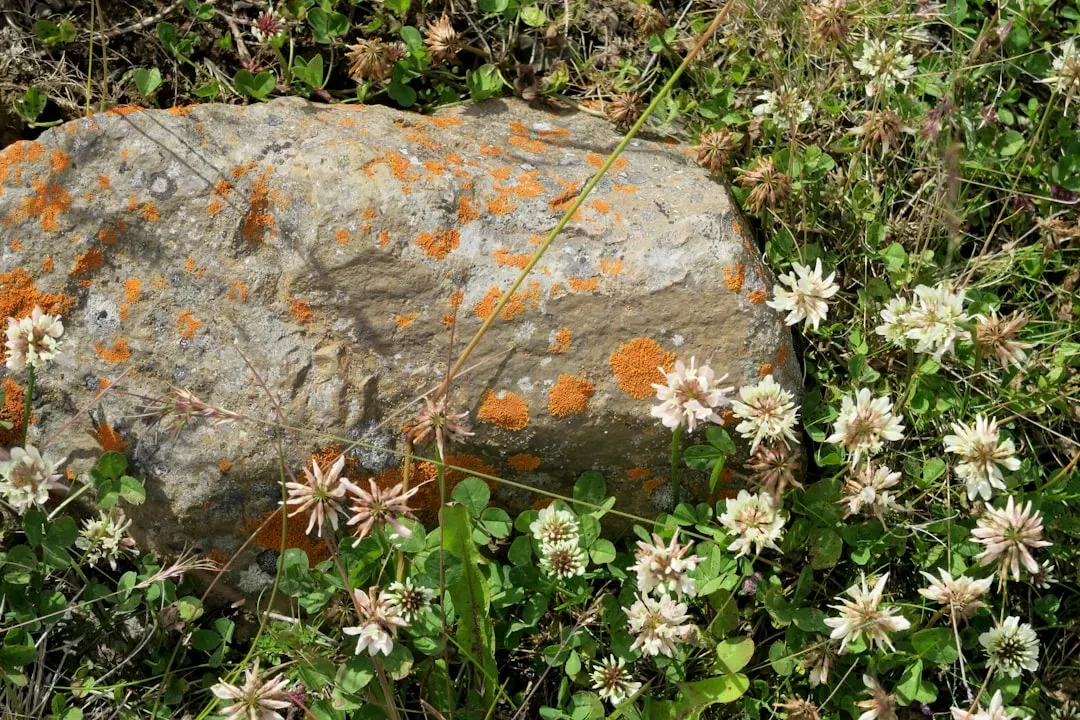
You might be surprised to learn that the lush, flower-rich, seed-producing world you see today is actually a relatively recent development in Earth’s deep history. Throughout human history, most of the planet’s vegetation has been composed of flowering plants, or angiosperms, in the form of trees, grasses, herbs, shrubs and bushes. But flowering plants didn’t appear until 130 million years ago. Before that, the world was dominated by other groups.
When flowering plants finally arrived, their rise was nothing short of explosive. Flowering plants ruled the Cretaceous period. These angiosperms included magnolias, sycamores, figs, beech, poplar, and palms, and consequently added quite a bit of diversity to a dinosaur’s diet. The Cretaceous climate was tropical and subtropical, perfect for these nutrient-rich flowering plants. Interestingly, magnolias and their close ancestors were around in the Cretaceous period, and these plants were around before bees existed, so beetles pollinated them instead. It is a reminder that every ecological relationship you take for granted today had to be invented somewhere along the way.
Conclusion: The Green Foundation Beneath Everything
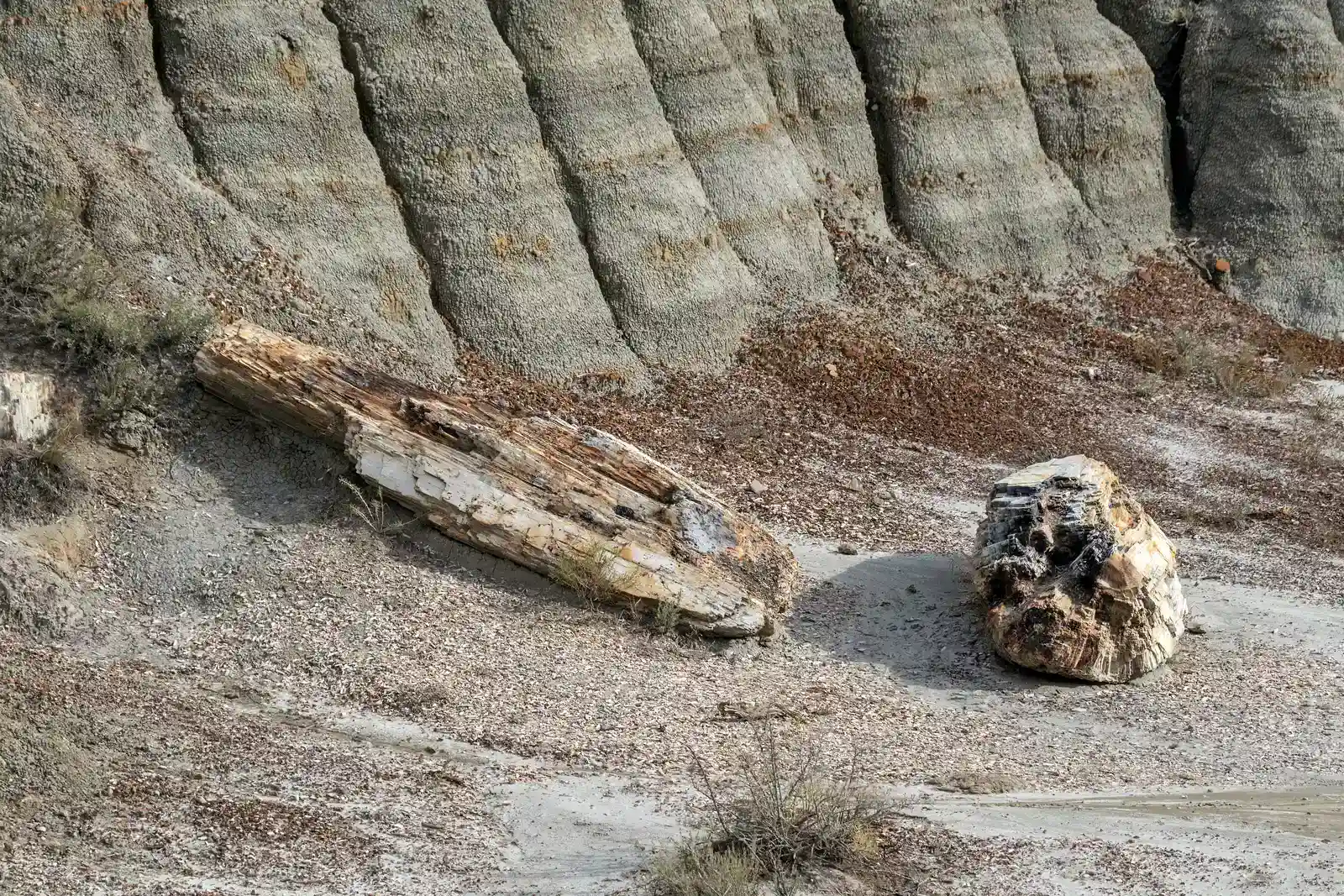
Prehistoric plants rarely get their moment in the spotlight. You can walk into any natural history museum and find dinosaurs dominating every room, every billboard, every children’s book cover. Yet without the oxygen manufactured by ancient mosses and ferns, the coal forests that transformed the atmosphere, the cycads that fed giants, and the early angiosperms that rewired entire ecosystems, there would have been nothing for those dinosaurs to eat, no air for them to breathe, no food chain to stand on at all.
Every forest, every field, every tree-lined street you walk through today is built on hundreds of millions of years of green, quiet, extraordinary innovation. These plants survived mass extinctions, ice ages, shifting continents, and catastrophic asteroid impacts. They didn’t just endure – they shaped the world that made complex life possible, including yours. That is not a footnote in natural history. That is the whole story. So next time you walk past an ancient ginkgo tree or spot a fern growing in a shady corner, take a moment to appreciate it. It has been around far longer than anything else in that landscape – and it has earned every bit of that staying power. What other prehistoric survivor do you think deserves more recognition?