Imagine walking through a museum and coming face to face with a piece of fossilized dinosaur dung. Your first reaction might be disgust, but what if I told you that this ancient excrement holds secrets more valuable than gold? Welcome to the fascinating world of coprolites – fossilized feces that have become treasure troves of prehistoric information.
The Ancient Art of Preservation
Coprolites form when animal droppings become rapidly buried in sediment, creating an oxygen-free environment that prevents decomposition. This process, called mineralization, replaces organic matter with minerals like calcium phosphate or silica over millions of years.
The conditions for coprolite formation are remarkably specific. Dry, arid environments or areas with rapid sedimentation provide the best chances for preservation. Think of it like nature’s time capsule – sealing away digestive secrets for future scientists to uncover.
Dinosaur Dung Detective Work
Paleontologists have developed sophisticated techniques to extract information from these fossilized remains. CT scanning allows researchers to peer inside coprolites without damaging them, revealing undigested bones, plant matter, and even parasites.
Chemical analysis can determine the pH levels of dinosaur digestive systems, while microscopic examination reveals pollen grains, spores, and cellular structures. It’s like CSI for the Cretaceous period – every fragment tells a story.
The size and shape of coprolites also provide clues about their creators. Carnivorous dinosaurs typically produced spiral-shaped droppings, while herbivores left behind more cylindrical deposits.
Carnivorous Clues from T-Rex Toilets
The largest coprolite ever discovered, measuring over 17 inches long, is believed to have come from a Tyrannosaurus rex. This massive specimen contained crushed bone fragments, revealing the incredible bite force and complete bone-crushing abilities of these apex predators.
Analysis of carnivorous coprolites shows that meat-eating dinosaurs weren’t picky eaters. They consumed everything from fish scales to small mammal bones, suggesting opportunistic feeding behaviors rather than specialized hunting strategies.
Herbivore Dining Habits Decoded
Plant-eating dinosaur coprolites paint a picture of diverse dietary preferences across different species. Hadrosaur droppings contain evidence of conifer needles, ferns, and flowering plants, indicating these duck-billed dinosaurs were selective browsers.
Sauropod coprolites reveal a different story – these massive, long-necked dinosaurs appear to have been less discriminating, consuming whatever vegetation was available. Their coprolites contain a mix of plant materials, from tough woody stems to delicate leaves.
The presence of silica-rich plant matter in some herbivore coprolites suggests these dinosaurs had incredibly strong digestive systems capable of breaking down tough, fibrous vegetation.
The Gut Microbiome Mystery
Recent advances in DNA extraction techniques have allowed scientists to identify ancient bacteria preserved within coprolites. These microscopic hitchhikers provide insights into dinosaur digestive health and gut ecology.
Some coprolites contain evidence of parasitic worms, revealing that dinosaurs suffered from intestinal parasites much like modern animals. This discovery helps scientists understand the complete ecosystem that existed within dinosaur bodies.
Seasonal Eating Patterns Revealed
Coprolites from different geological layers show seasonal variations in dinosaur diets. Spring coprolites often contain more young shoots and tender leaves, while autumn specimens show evidence of fruits and seeds.
These patterns suggest that dinosaurs, like modern animals, adapted their eating habits to seasonal food availability. Migration patterns may have also influenced dietary choices, with some species following food sources across vast distances.
The Poop That Changed Everything
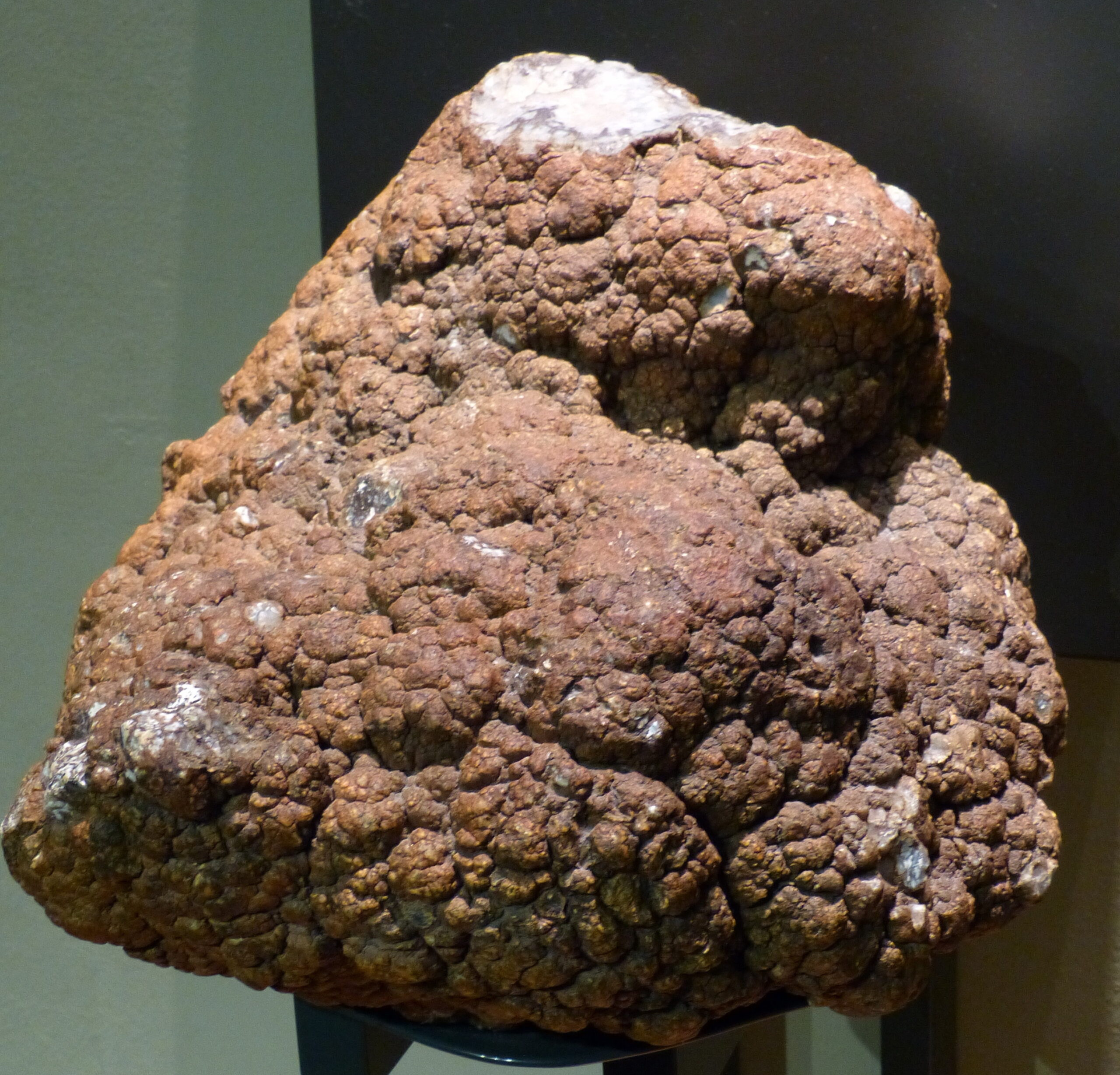
One particular coprolite discovery revolutionized our understanding of dinosaur behavior. Found in Montana, this specimen contained the bones of three different juvenile dinosaurs, providing the first direct evidence of cannibalistic behavior among certain species.
This finding challenged previous assumptions about dinosaur social structures and parental care. It is suggested that some dinosaurs, particularly during times of food scarcity, would resort to consuming their own young.
Prehistoric Pharmacy in Feces
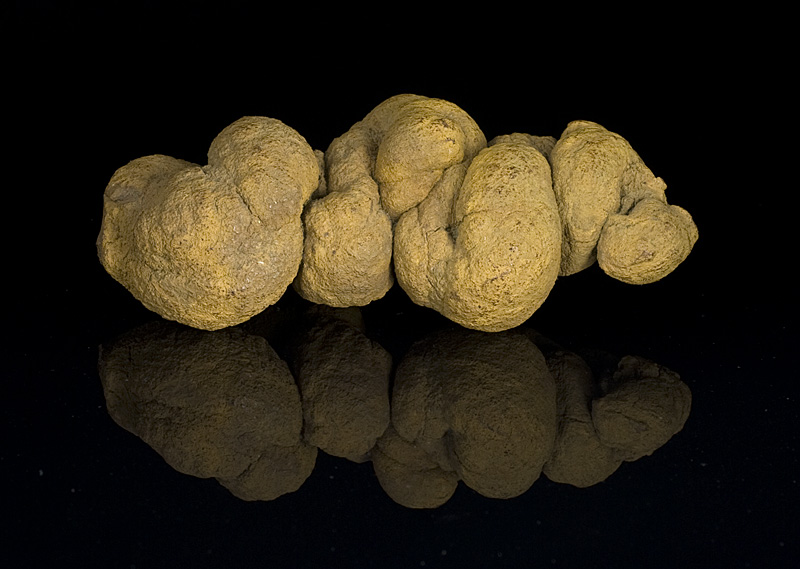
Analysis of coprolites has revealed that dinosaurs may have engaged in self-medication. Some specimens contain high concentrations of clay minerals, suggesting that certain dinosaurs deliberately consumed clay to aid digestion or neutralize toxins.
Other coprolites show evidence of charcoal consumption, which modern animals use to detoxify their systems. This behavior indicates a level of intelligence and self-awareness previously underestimated in dinosaur species.
Plant Evolution Through Poop
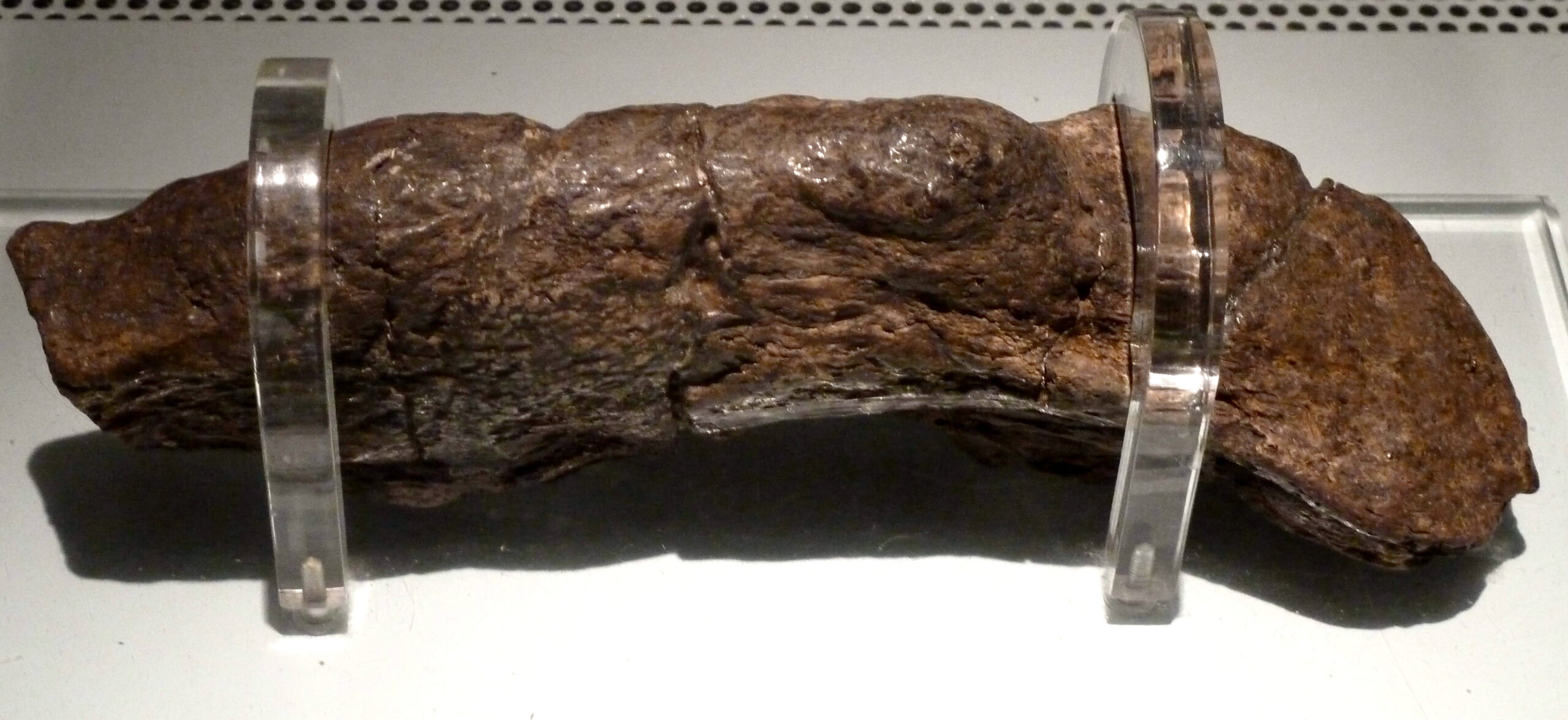
Coprolites serve as windows into ancient plant communities, preserving pollen and spores that might otherwise be lost to time. These microscopic remnants help paleobotanists reconstruct prehistoric ecosystems and understand plant evolution.
The discovery of flowering plant pollen in late Cretaceous coprolites provided crucial evidence for the timing of angiosperm evolution. This finding helped establish the relationship between dinosaur herbivory and plant diversification.
The Great Coprolite Hoax
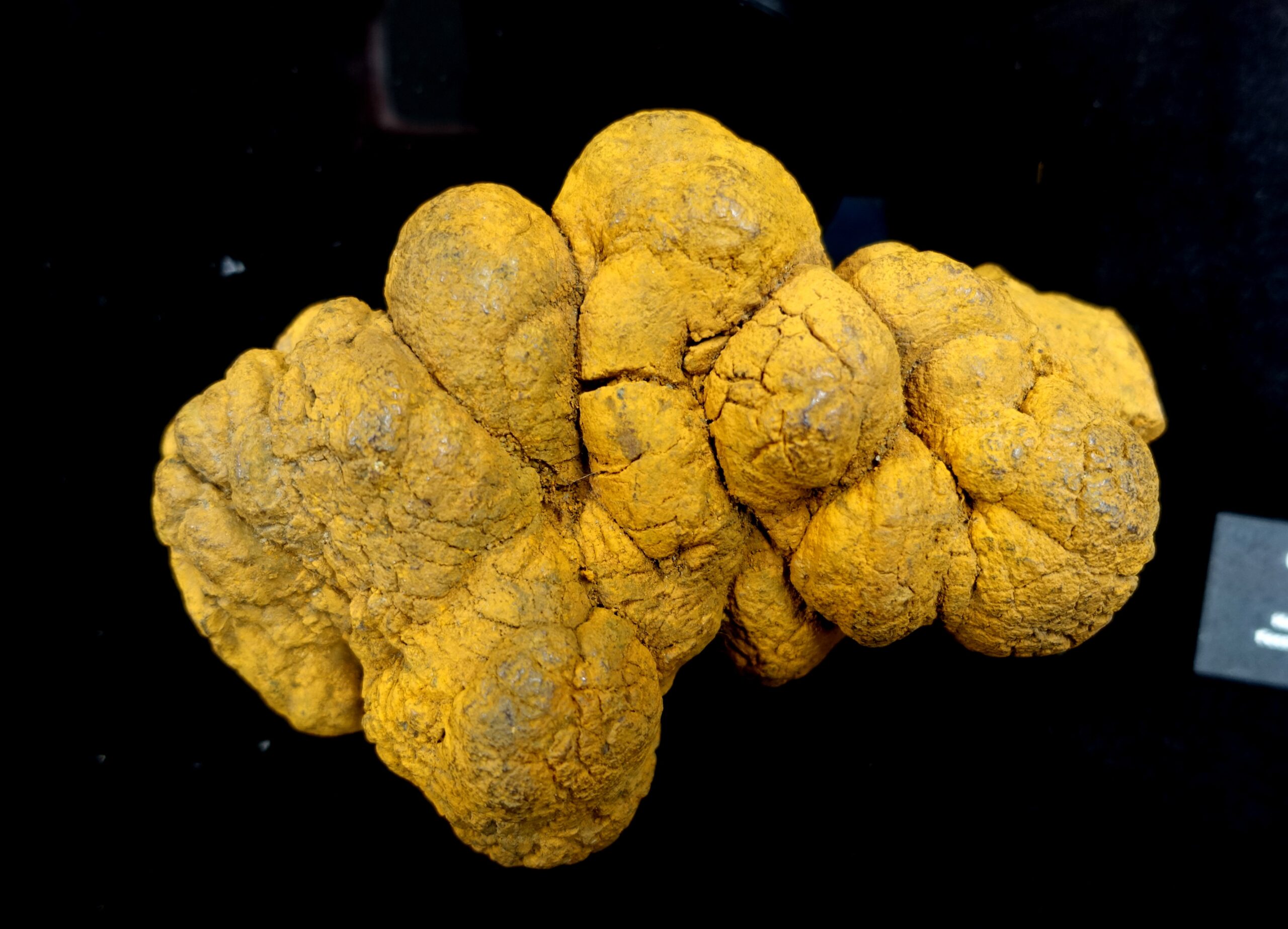
Not all coprolite discoveries are legitimate. The scientific community has encountered several instances of fake coprolites, created by enterprising fossil dealers looking to capitalize on the growing interest in dinosaur dung.
Authentic coprolites have specific characteristics that distinguish them from modern animal droppings or manufactured fakes. Real specimens show evidence of mineralization, contain period-appropriate inclusions, and come from verified geological contexts.
This has led to the development of sophisticated authentication techniques, including isotope analysis and microscopic examination of mineral composition.
Modern Technology Meets Ancient Waste
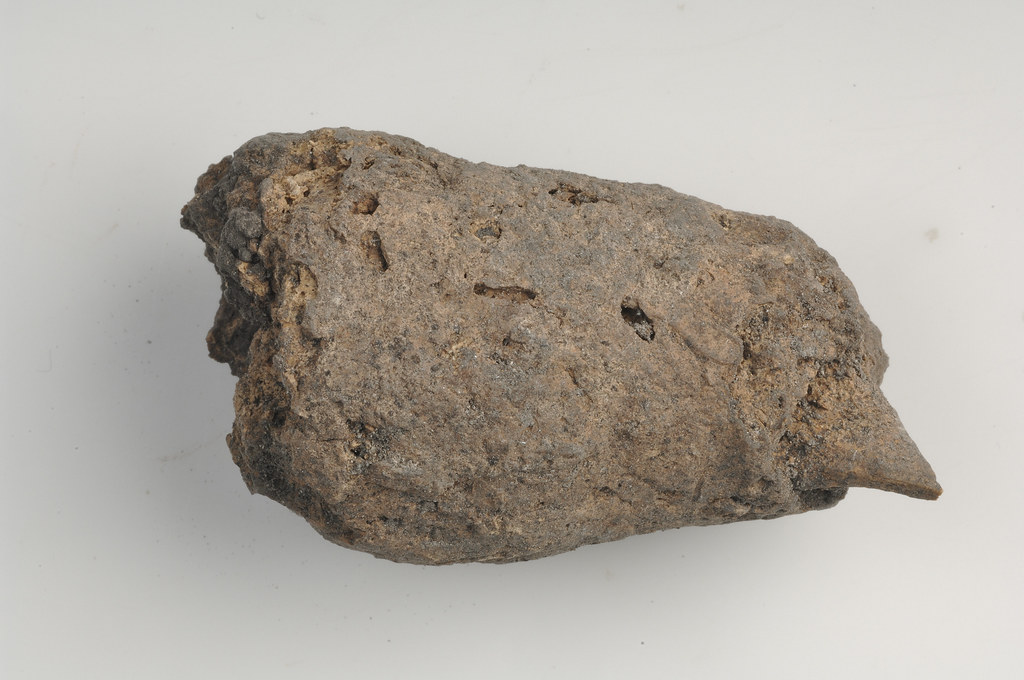
Today’s scientists use cutting-edge technology to squeeze maximum information from coprolite specimens. Synchrotron radiation and advanced mass spectrometry can identify organic compounds that survived the fossilization process.
3D printing technology allows researchers to create detailed models of coprolite interiors, making it possible to study fragile specimens without risking damage to the originals.
The Ecosystem Connection
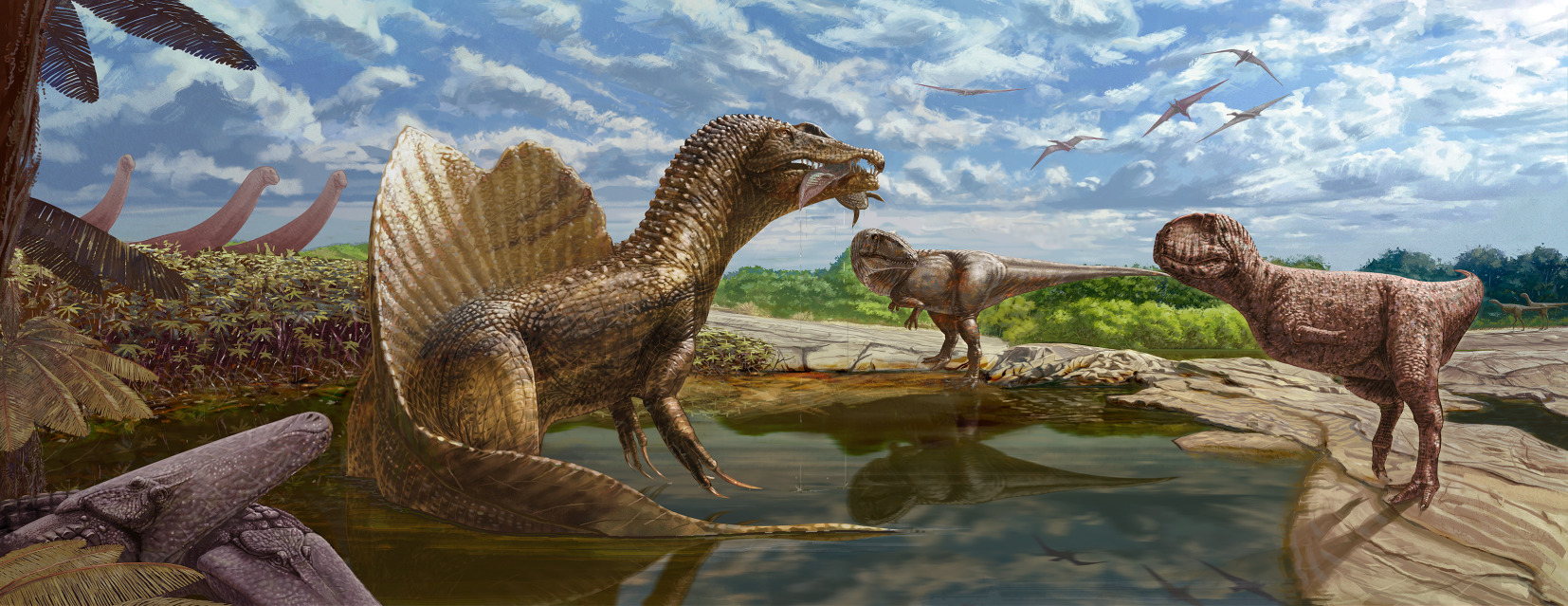
Coprolites don’t just tell us about individual dinosaurs – they reveal entire ecosystem relationships. The presence of certain seeds in herbivore coprolites suggests that dinosaurs played crucial roles in seed dispersal across prehistoric landscapes.
Some coprolites contain evidence of multiple trophic levels, with predator droppings containing remains of prey that had previously consumed plants. This creates a detailed food web spanning millions of years.
Climate Clues from Dino Droppings
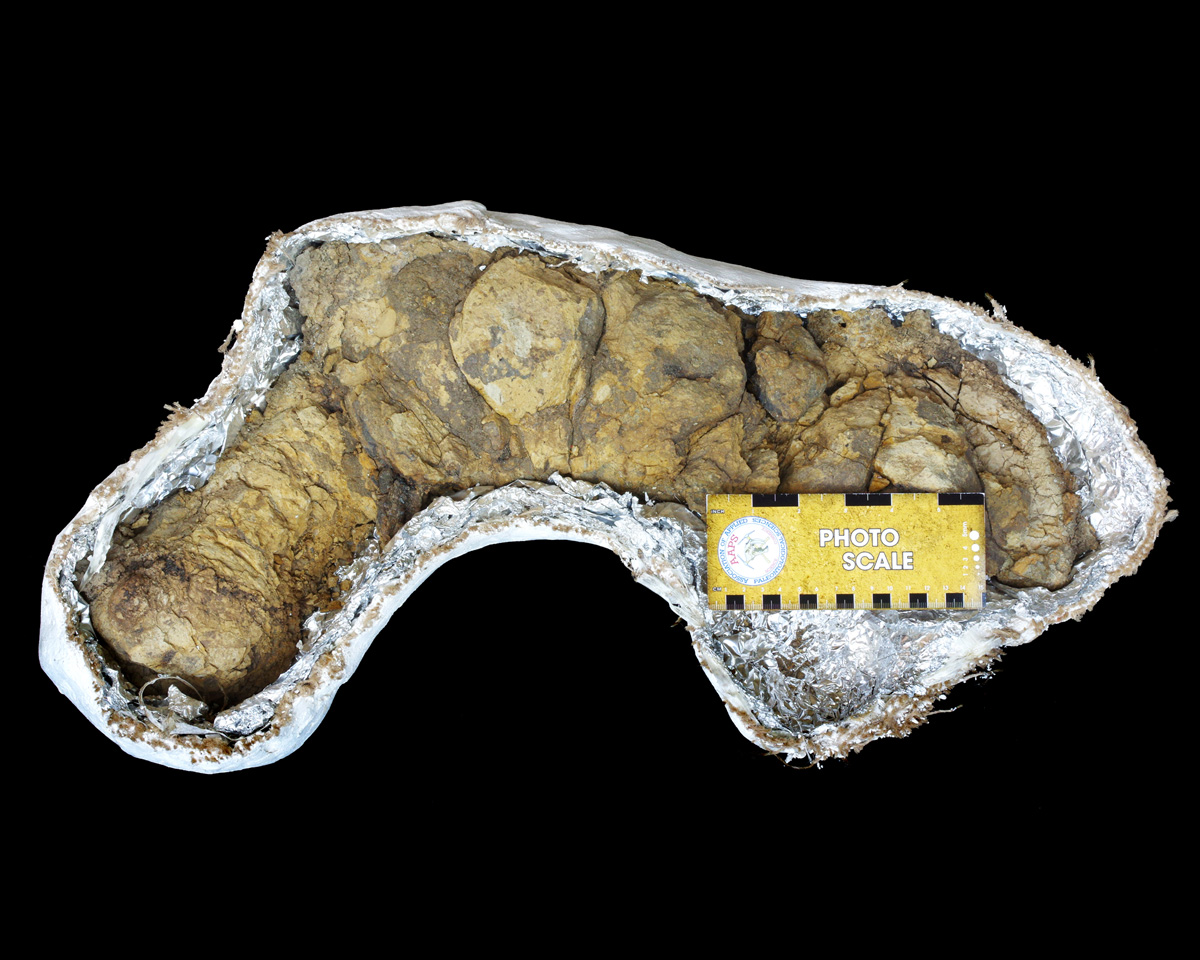
The plant remains in coprolites provide valuable climate data for prehistoric periods. Isotope analysis of these remains can reveal temperature and precipitation patterns, helping scientists understand how climate influenced dinosaur behavior and distribution.
Changes in coprolite composition across geological periods correlate with known climate events, providing independent verification of paleoclimate models.
The Future of Coprolite Research
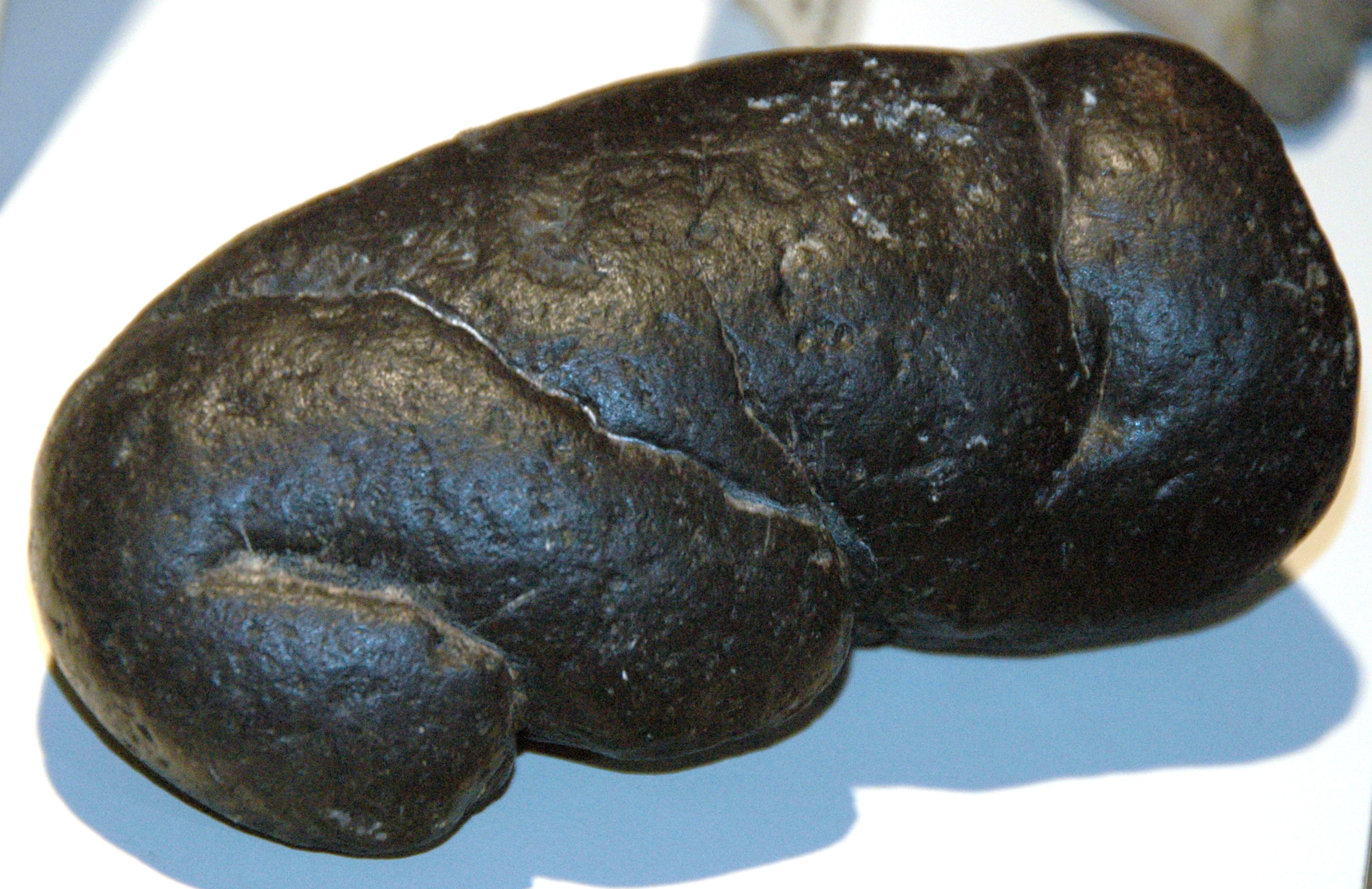
As technology advances, coprolite research continues to evolve. Scientists are now exploring the possibility of extracting genetic material from coprolites, which could provide unprecedented insights into dinosaur physiology and evolution.
Discoveries are constantly being made, with recent finds in Argentina and China yielding coprolites from previously unknown dinosaur species. These specimens promise to expand our understanding of dinosaur diversity and behavior.
The field of coprolite research demonstrates that in paleontology, even the most humble specimens can yield extraordinary discoveries. Every fossilized dropping is a potential key to unlocking the mysteries of prehistoric life.
Conclusion
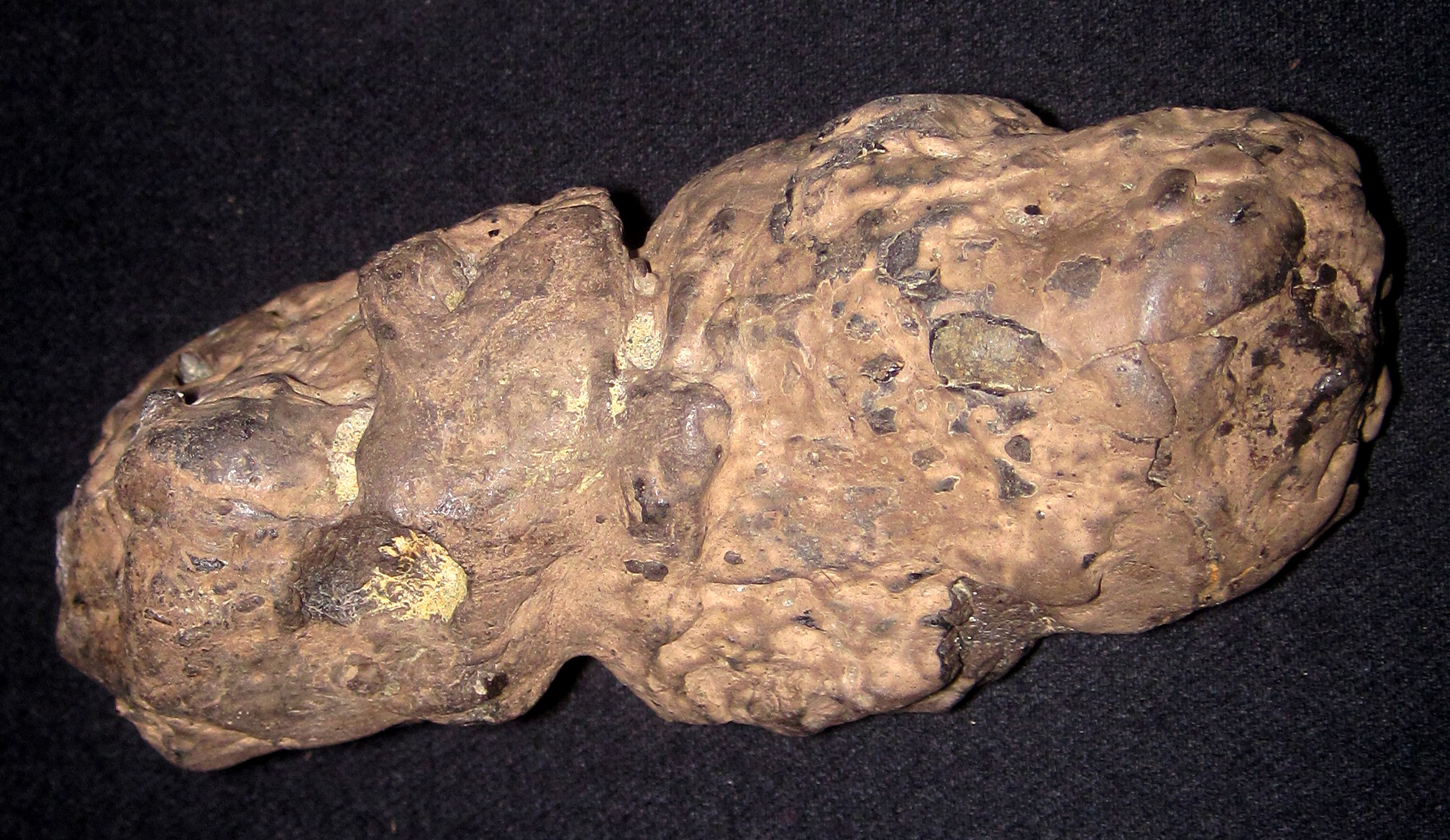
Coprolites have transformed our understanding of dinosaur life from speculation to scientific fact. These fossilized remains provide direct evidence of what dinosaurs ate, how they lived, and how they interacted with their environment. Through careful analysis of these ancient deposits, we’ve discovered evidence of complex behaviors, sophisticated digestive systems, and intricate ecosystem relationships that existed millions of years ago.
The study of coprolites continues to yield new insights into prehistoric life, challenging our assumptions about dinosaur intelligence, behavior, and ecology. As technology advances and new specimens are discovered, these humble remnants of prehistoric meals will undoubtedly continue to reshape our understanding of the ancient world.
Who would have thought that dinosaur dung could be so revealing?