Imagine that the answers to some of our most urgent environmental crises have been buried under layers of rock and sediment for millions of years – just waiting for us to dig them up. That’s not a sci-fi premise. That’s paleontology doing its most important work yet. The creatures that once ruled this planet, from towering woolly mammoths to razor-toothed predators of the Eocene, are turning out to be surprisingly relevant guides for a world grappling with climate change, biodiversity collapse, and ecosystem destruction.
You might be surprised just how much an ancient animal’s teeth, fossilized dung, or genetic blueprint can tell us about what’s coming next. From trophic rewilding projects in Panama to CRISPR-powered de-extinction efforts in Dallas labs, the past is loudly whispering into the ear of the present. Let’s dive in.
The Field of Paleoecology: Reading the Past to Save the Future
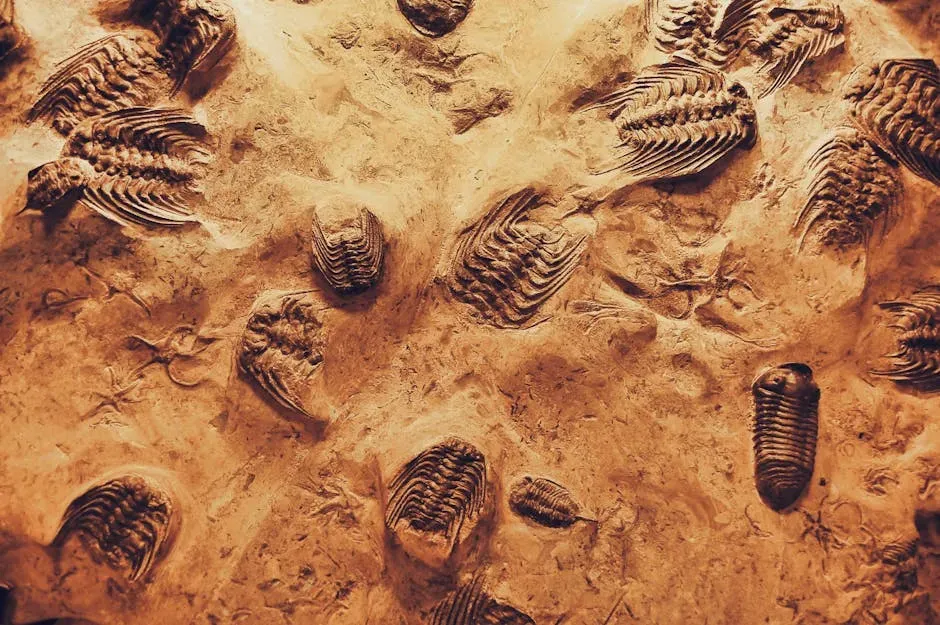
As diverse fossils of animals and plants were unearthed and catalogued, it became possible to reconstruct more elaborate ecosystems, tying together plants, animals, and geology – and this effort eventually gave birth to the field of paleoecology, which studies the interactions between organisms and their environments across geologic timescales. Think of it like archaeology, but instead of uncovering lost human civilizations, you’re rebuilding entire lost worlds – predators, prey, plant communities, and all.
Many of the pressing environmental problems we face today have an analog in the past, and by examining how animals, plants, and ecosystems responded to past perturbations, whether climate or biodiversity loss, scientists can gain insights useful for effective conservation and management. Honestly, this is one of the most underappreciated scientific insights of our time. The earth has essentially been running environmental experiments for billions of years, and we finally have the tools to read the results.
Ancient Predators and the Climate Change Warning Hidden in Their Teeth
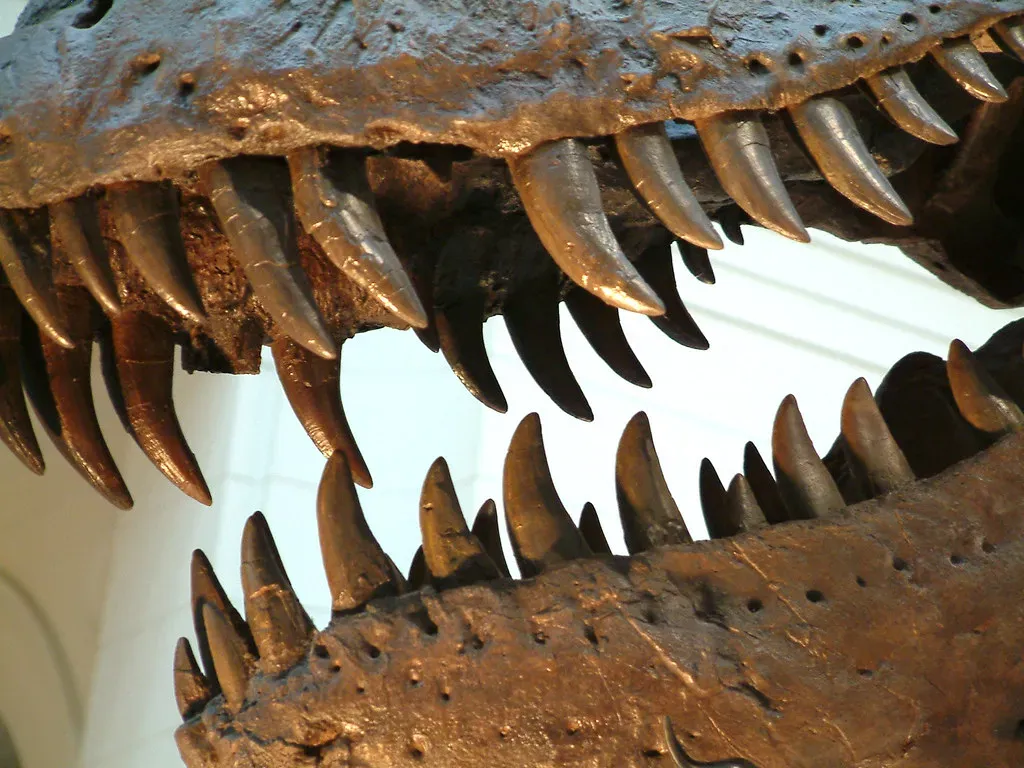
A Rutgers-led team of researchers studied fossil teeth from the extinct predator Dissacus praenuntius to reveal how animals adapted to a period of extreme climate change known as the Paleocene-Eocene Thermal Maximum, and the findings could help scientists predict how today’s wildlife might respond to modern global warming. That’s the kind of time machine science that should honestly get more headlines than it does.
Before this period of rising temperatures, Dissacus had a diet similar to modern cheetahs, eating mostly tough flesh. During and after this ancient warming period, however, its teeth showed signs of crunching harder materials, such as bones. The findings highlight the importance of dietary flexibility, and the key takeaway is that animals that can eat a variety of foods are more likely to survive environmental stress. In other words, picky eaters, whether animal or ecosystem, tend not to survive disruption.
Fossil Teeth as Environmental Archives
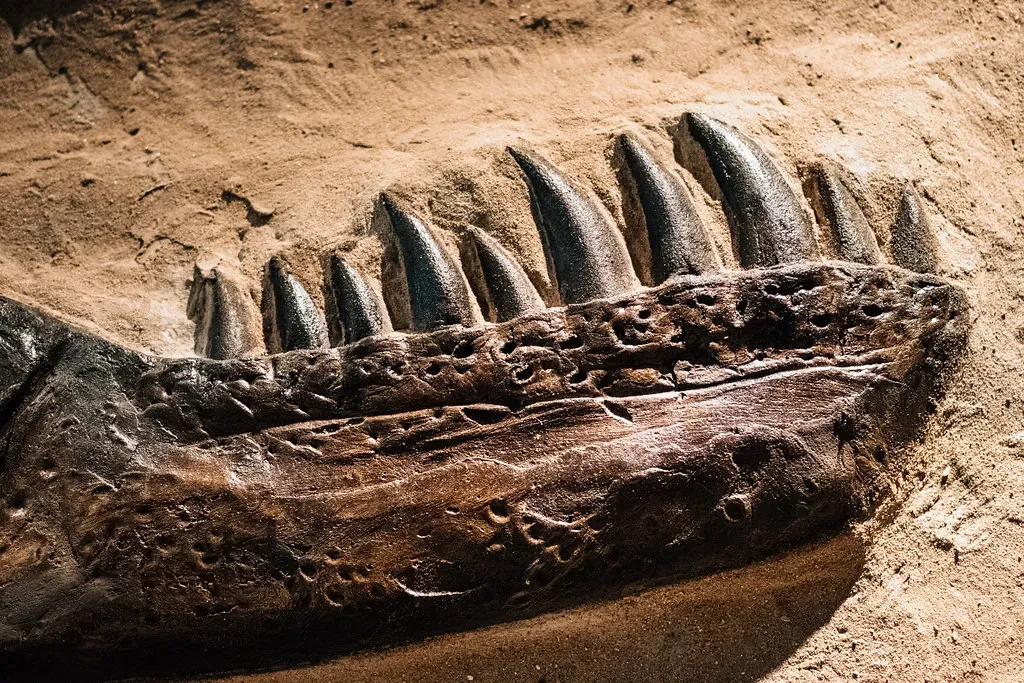
Teeth capture physiological, ecological, and climatic information and, as a result, mirror past environments. It’s remarkable when you stop to think about it. A single molar from an animal that died 50,000 years ago can tell you what the temperature was like, what plants were growing, and whether food was scarce. This is like finding a weather station and a grocery receipt sealed inside a piece of bone.
Chemical isotopes in teeth can show whether an animal was eating grasses or tree products like leaves or fruit, while microwear studies, looking at tiny marks through a microscope, reveal the structure of foods, whether they were tough and fibrous or hard like seeds. In the EU-funded EnvINExt project, researchers analyzed samples of ancient animal teeth from both sides of the Pyrenees, including specimens from herbivores such as red deer, reindeer, ibexes, and horses, dating from between 35,000 and 57,000 years ago. Each specimen acts like a tiny data capsule from deep time.
The Cave Bear’s Fatal Flaw and What It Tells Us About Modern Species
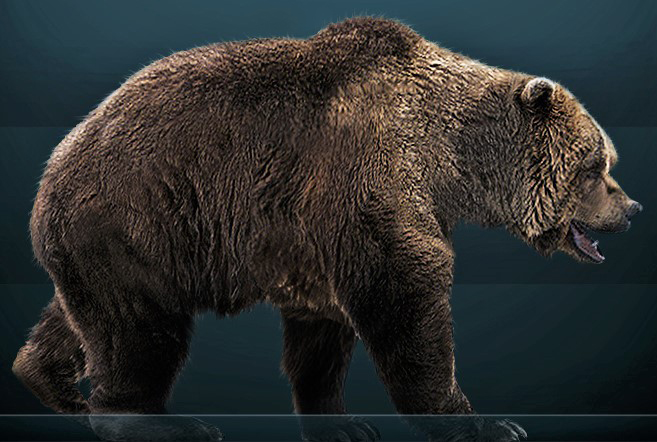
In the prehistoric times of Neanderthals and early modern humans, one of Europe’s largest-ever bear species roamed the land and inhabited its caves, but the cave bear, weighing up to one tonne, died out some 25,000 years ago. Here’s the thing: its demise wasn’t random. It was deeply tied to what it chose – or rather, what it couldn’t choose – to eat.
While the brown bear is omnivorous, earlier studies of protein collagen in bones indicated the cave bear was herbivorous, and as a result, it may have been unable to adapt to eating meat during cold spells when plants were scarcer. The hope of researchers is that more insight into the extinction of such species will expand knowledge about how animals as a whole adapt to environmental change. You can draw a fairly straight line from the cave bear’s dietary rigidity to modern species locked into narrow ecological niches, such as the giant panda or the koala, both of which face extraordinary vulnerability to habitat and climate shifts.
Megafauna Extinctions: A Human-Driven Warning From the Deep Past
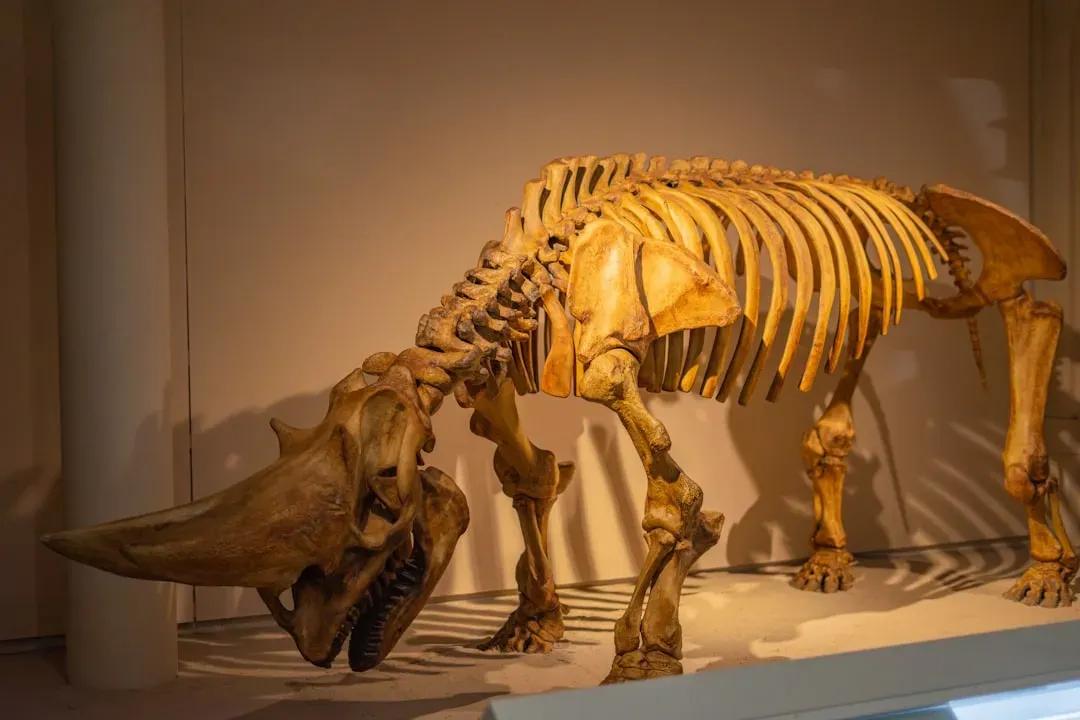
Across the last roughly 50,000 years, terrestrial vertebrate faunas have experienced severe losses of large species, known as megafauna, with most extinctions occurring in the Late Pleistocene and Early to Middle Holocene. A broad range of evidence indicates that the megafauna extinctions have elicited profound changes to ecosystem structure and functioning, and these extinctions represent an early, large-scale human-driven environmental transformation, constituting a progenitor of the Anthropocene.
The loss of megafauna may have an enduring but little-recognized legacy on the functioning of the contemporary biosphere, and much of our current understanding of ecosystem ecology and biogeochemistry has been developed in a world artificially depleted of giants. Let that sink in. We’ve been studying ecosystems that are already broken, missing their biggest, most influential players, and assuming that’s how nature is supposed to work. It’s a bit like trying to understand how a symphony sounds by listening to a recording with half the instruments removed.
Trophic Rewilding: Using Prehistoric Blueprints to Rebuild Broken Ecosystems
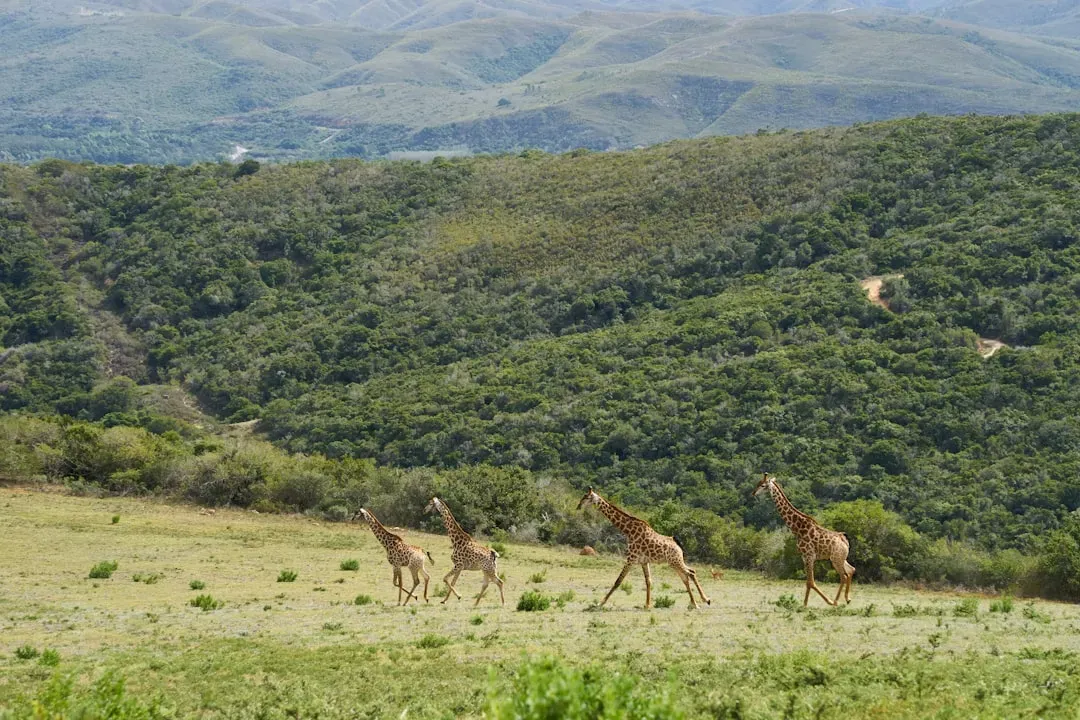
Researchers from the University of Exeter unveiled compelling evidence that reintroducing large herbivores into Panama’s forests could revive critical ecological functions lost with the extinction of prehistoric megafauna, and this research reveals how the decline of massive plant-eating animals thousands of years ago precipitated significant transformations in tropical ecosystems, offering a promising blueprint for modern conservation efforts through trophic rewilding.
Paleoecological insights advocate for “trophic rewilding,” the deliberate reintroduction or population boosting of large herbivores to reinstate lost ecological processes, and while many of the original species no longer exist, nearby ecological equivalents or closely related taxa could serve similar functional roles in modern ecosystems, a strategy already explored in parts of Europe and North America. This comprehensive understanding fosters informed strategies for both conserving existing biodiversity and restoring ecosystem functions that enhance carbon sequestration, reduce wildfire risks, and support human well-being. It’s a strategy that’s equal parts visionary and pragmatic.
De-Extinction and the Genetic Lessons of the Woolly Mammoth
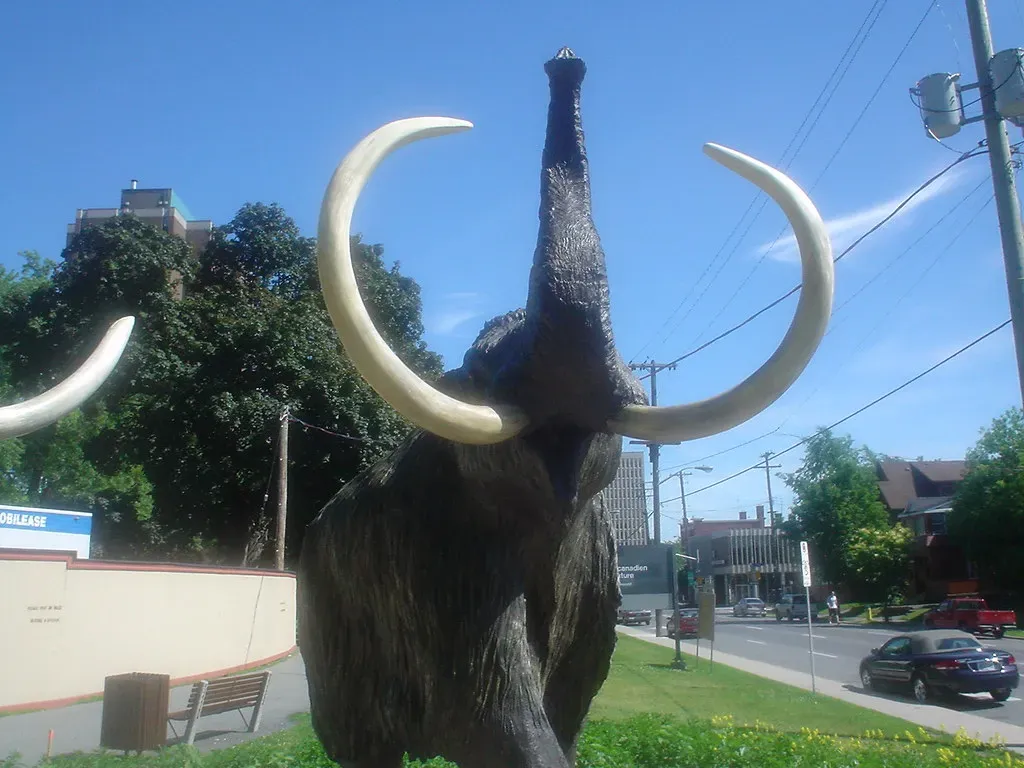
By examining the genomes of mammoths from various time periods, researchers uncovered that these creatures experienced significant genetic bottlenecks long before their final extinction, and even as mammoth populations occasionally rebounded in numbers, their genetic diversity continued to decline over thousands of years, with this prolonged genetic bottleneck likely contributing to their vulnerability to environmental changes and human pressures. This is arguably one of the most practically useful findings from prehistoric wildlife research – and it directly applies to modern conservation work with elephants, rhinos, and dozens of other at-risk species today.
Colossal’s researchers say their ultimate goal is not to re-create a woolly mammoth wholesale. Instead, the team is aiming for what they call “functional de-extinction,” creating a mammoth-like elephant that can survive in the extinct animal’s habitat and potentially fulfill the role it played in that ecosystem, with the hope that an “Arctic-adapted elephant” might make that ecosystem more resilient to climate change. Because the woolly mammoth and Asian elephant share nearly all of the same DNA, Colossal aimed to develop a proxy species by swapping key mammoth genes into the Asian elephant genome, and in March 2025, Colossal announced the creation of gene-edited “woolly mice” with mutations inspired by woolly mammoths, touting it as a step toward engineering mammoth-like Asian elephants. It sounds like science fiction. It increasingly is not.
Conclusion
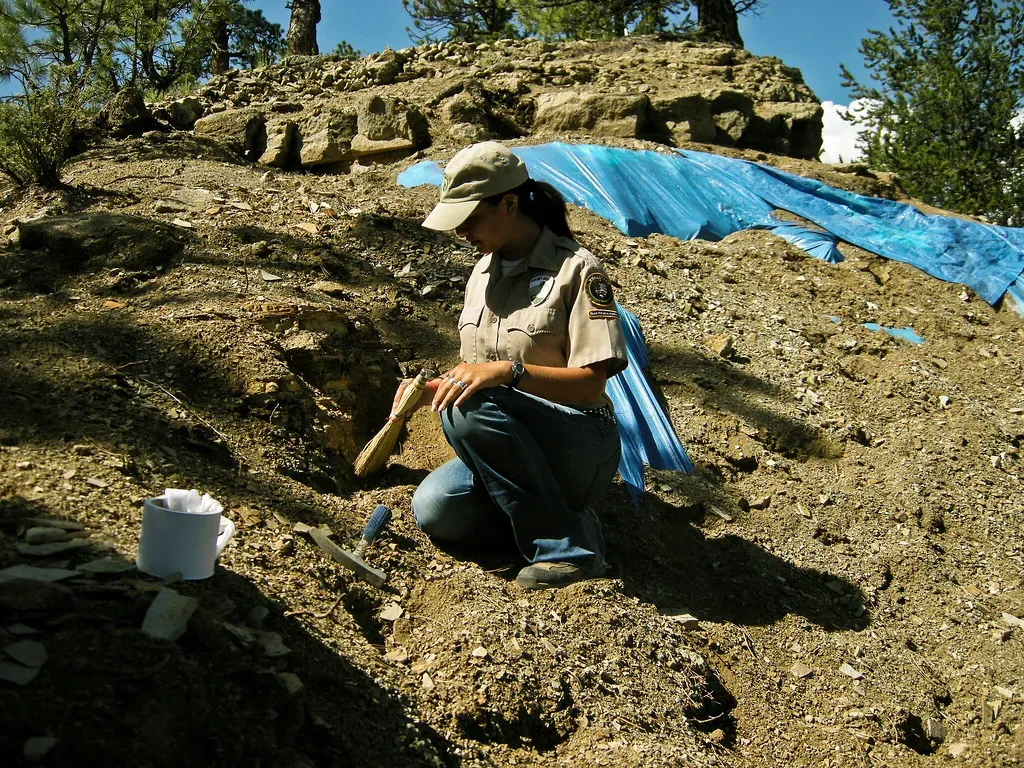
The prehistoric world is not as distant as you might think. It lives in fossils, in ancient DNA, in the chemical signatures of long-dead teeth, and in the empty ecological roles left behind by giants we hunted into oblivion. Fossil discoveries provide critical evidence for understanding not just the key events of deep Earth history but also for predicting how today’s biodiversity will respond to ongoing and future environmental changes.
We are, in many ways, still living through the aftermath of decisions made by our prehistoric ancestors tens of thousands of years ago. Accepting the increasing evidence for a strong human role in early megafauna extinctions forces a look inwards and a recognition of the deep prehistoric entanglement between humans and environmental change, a realization that some of the most dramatic human-induced changes to the biosphere may have occurred even before the dawn of agriculture. The past is not a cautionary tale to be shelved. It’s a living field guide for rebuilding a planet in crisis.
So here’s the question worth sitting with: If the answers to our environmental future have been buried beneath our feet all along, are we digging fast enough to find them in time?