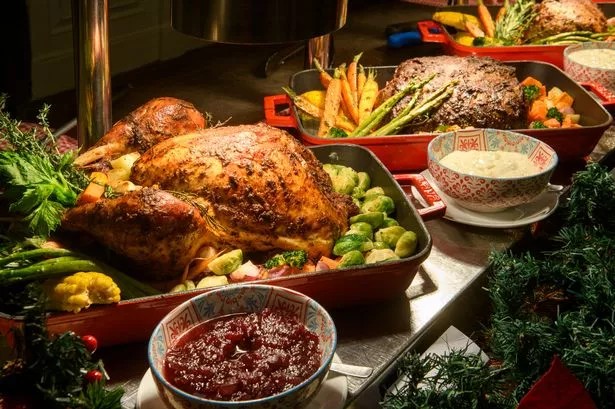
The Hidden Dangers in Your Post-Christmas Fridge (Image Credits: I2-prod.rsvplive.ie)
As families across the UK wrap up Christmas celebrations, refrigerators brim with turkey and ham remnants, offering opportunities for creative meals while posing risks if not handled properly.
The Hidden Dangers in Your Post-Christmas Fridge
Improper storage of holiday leftovers can lead to bacterial growth, turning festive indulgences into health hazards. Food safety experts emphasize that cooked meats like turkey and ham enter a danger zone between 8°C and 60°C, where bacteria multiply rapidly. This vulnerability peaks after the big meal, when counters and fridges overflow with dishes waiting to be packed away.
Reports from agencies like the Food Standards Agency highlight that thousands fall ill annually from mishandled leftovers. The key lies in swift action: cool and refrigerate items within two hours of serving to prevent spoilage. Ignoring this step not only wastes food but amplifies environmental strain through unnecessary emissions from discarded produce.
Core Rules for Refrigeration and Freshness
Start by dividing leftovers into shallow containers to speed up cooling, ensuring the food reaches below 5°C quickly. Turkey, in particular, should be carved from the bone and stored separately from stuffing to avoid cross-contamination. Ham slices fare better in airtight wraps, maintaining quality for up to four days in the fridge.
Monitor temperatures closely; a fridge thermometer helps confirm ideal conditions. Label containers with dates to track usability, as experts advise consuming turkey within three to four days. These practices stem from guidelines issued by bodies such as the USDA, which stress that reheating to 74°C kills potential pathogens without compromising taste.
Yet, even with diligence, not all leftovers suit short-term storage. When in doubt, discard items showing sliminess, off odors, or discoloration to safeguard health.
Freezing Strategies to Extend Enjoyment
For those seeking to stretch holiday flavors beyond the immediate week, freezing emerges as a reliable ally. Portion meats into meal-sized bags, removing excess air to prevent freezer burn, and freeze at -18°C or lower. Turkey bones can simmer into broth first, maximizing every bit of the bird.
Experts recommend using frozen turkey within two to six months for optimal texture, while ham holds up to three months. Thaw safely in the fridge, allowing 24 hours per 2.3 kg, and consume within a day of defrosting. This method preserves nutrients and flavors, turning potential waste into future feasts like stir-fries or soups.
Linking Storage to Broader Climate Benefits
Food waste from holidays contributes significantly to greenhouse gas emissions, with uneaten turkey alone accounting for substantial methane releases in landfills. Studies indicate that up to 35% of cooked holiday meats end up discarded, exacerbating climate change through wasted resources in farming and transport.
By adhering to safe storage, households reduce this footprint. Proper techniques cut down on spoilage, conserving water and energy used in production. Agencies like the Food Standards Agency promote these habits as simple steps toward sustainability, noting that avoiding waste equals saving emissions equivalent to millions of car miles annually.
Creative repurposing amplifies gains: transform scraps into salads, pies, or curries, further minimizing discards. Such efforts align personal habits with global goals, making every stored slice a small victory against environmental degradation.
Practical Tools for Smarter Storage
To streamline the process, consider these essential tips compiled from safety authorities:
- Cool hot foods on the counter for no more than two hours before refrigerating.
- Store meats on lower fridge shelves to prevent drips contaminating other items.
- Wrap ham tightly in foil or plastic to retain moisture and block odors.
- Freeze in single layers initially for even cooling, then stack for space efficiency.
- Reheat only what you plan to eat, avoiding repeated warming that degrades quality.
| Food Item | Fridge Life | Freezer Life |
|---|---|---|
| Cooked Turkey | 3-4 days | 2-6 months |
| Cooked Ham | 3-5 days | 1-2 months |
| Stuffing | 1-2 days | 1 month |
Key Takeaways
- Prompt refrigeration within two hours prevents bacterial risks and waste.
- Freezing extends usability, slashing the 35% holiday food loss rate.
- Reducing discards lowers methane emissions, supporting climate resilience.
Mastering these storage essentials ensures holiday leftovers nourish without peril, while trimming the carbon toll of festive excess. What strategies do you use to make your Christmas remnants last? Share in the comments below.