Protoceratops, a relatively small but significant member of the ceratopsian family, has fascinated paleontologists since its discovery in the 1920s. This sheep-sized dinosaur with its distinctive frill has become one of the most well-documented dinosaurs thanks to numerous fossil discoveries, including eggs, juveniles, and adults. Perhaps most famously, Protoceratops appears in what may be the most dramatic fossil discovery of all time – the “Fighting Dinosaurs” specimen that captured a Velociraptor and Protoceratops locked in mortal combat. This article explores the biology, habitat, significance, and extraordinary fossil record of this remarkable dinosaur that roamed Mongolia’s Gobi Desert during the Late Cretaceous period.
Discovery and Naming of Protoceratops
The first Protoceratops fossils were unearthed during the groundbreaking Central Asiatic Expeditions led by Roy Chapman Andrews for the American Museum of Natural History in the 1920s. These expeditions to Mongolia’s Gobi Desert yielded numerous important discoveries, but Protoceratops was among the most significant. The genus name combines the Greek words “protos” meaning “first” and “keratops” meaning “horned face,” reflecting its position as an early member of the horned dinosaur family. The type species, Protoceratops andrewsi, was named in 1923 by the paleontologist Walter W. Granger and museum director Henry Fairfield Osborn in honor of expedition leader Roy Chapman Andrews. The Flaming Cliffs (Bayn Dzak) locality in Mongolia, where these fossils were discovered, became renowned for its rich deposit of Protoceratops specimens, yielding dozens of individuals of various ages.
Physical Characteristics and Size

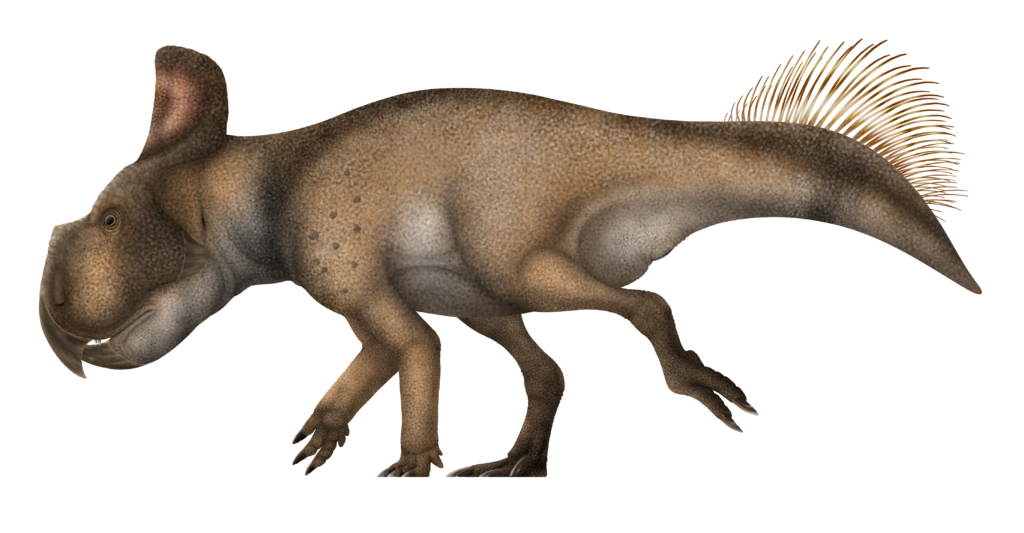
Protoceratops was a relatively small ceratopsian dinosaur, measuring approximately 6 to 8 feet (1.8 to 2.4 meters) in length and standing about 3 feet (0.9 meters) tall at the hip. With an estimated weight of 400 pounds (180 kg), it was roughly the size of a modern sheep or small pig. The most distinctive feature of Protoceratops was its neck frill, a bony projection extending from the back of the skull that, while smaller than those of later ceratopsians like Triceratops, still formed a significant part of the animal’s profile. Unlike its larger relatives, Protoceratops lacked true horns, possessing only a slight bony protuberance on its snout that some paleontologists interpret as a nascent horn-like structure. The dinosaur had a parrot-like beak adapted for cropping vegetation, with powerful jaw muscles anchored to its frill. Its robust body was supported by four sturdy legs, with the hindlimbs slightly longer than the forelimbs, giving it a somewhat tilted posture when walking.
Habitat and Geographic Distribution

Protoceratops lived during the Late Cretaceous period, approximately 75-71 million years ago, primarily in what is now Mongolia’s Gobi Desert. During this time, the environment of the Gobi was markedly different from the harsh desert it is today. Paleoenvironmental studies indicate that the region experienced seasonal rainfall with semi-arid conditions, supporting a variety of plant life, including conifers, cycads, and primitive flowering plants. Protoceratops shared this ecosystem with other dinosaurs, including the predatory Velociraptor, the dome-headed Prenocephale, and the duck-billed Saurolophus. The Djadochta Formation, where most Protoceratops fossils have been discovered, represents an ancient dune field with seasonal streams, suggesting that these dinosaurs were adapted to relatively harsh, drought-prone environments. This adaptation may explain their abundance in the fossil record of this region, as they were perhaps better suited to these conditions than many other dinosaur species.
Diet and Feeding Habits

Protoceratops was a herbivorous dinosaur with adaptations specifically evolved for processing tough plant material. Its sharp beak-like mouth was ideal for snipping off vegetation, while the batteries of teeth further back in its jaws could effectively grind down fibrous plant matter. Analysis of jaw mechanics suggests that Protoceratops had a powerful bite force for its size, allowing it to process the coarse vegetation that would have been available in its semi-arid environment. The dinosaur likely fed on low-growing plants, possibly including ferns, cycads, and early flowering plants that were beginning to diversify during the Late Cretaceous. Given the seasonal nature of its environment, Protoceratops may have adapted to consume a variety of plant foods depending on availability throughout the year. Some paleontologists have suggested that its relatively small size compared to later ceratopsians might have allowed it to be more selective in its feeding, perhaps targeting more nutritious parts of plants rather than consuming large quantities of lower-quality vegetation.
The Famous “Fighting Dinosaurs” Fossil

Perhaps the most spectacular Protoceratops fossil ever discovered is the renowned “Fighting Dinosaurs” specimen found in 1971 by a Polish-Mongolian expedition. This extraordinary fossil preserves a Velociraptor and Protoceratops locked in combat, frozen in time at the moment of their death approximately 74 million years ago. The Velociraptor has its iconic sickle claw embedded in the Protoceratops’ belly, while the Protoceratops appears to have trapped the Velociraptor’s right arm in its powerful beak. Paleontologists believe these animals were likely buried rapidly, possibly by a collapsing dune, during their struggle. This fossil provides rare and direct evidence of predator-prey interaction between dinosaur species and has become one of the most famous and dramatic fossils ever discovered. The specimen, currently housed in Mongolia’s natural history museum, offers unique insights into the behavior and ecological relationships of these ancient animals, demonstrating that Protoceratops, despite its herbivorous nature, was capable of putting up a fierce defense against predators.
Growth and Development

One of the remarkable aspects of Protoceratops research is the extensive fossil record that documents various growth stages of this dinosaur. Numerous specimens, ranging from hatchlings to full-grown adults, have been discovered, allowing paleontologists to study its ontogeny (growth and development) in unusual detail. These fossils reveal that juvenile Protoceratops had proportionally larger eyes, shorter frills, and more rounded skulls than adults. As they matured, the characteristic neck frill became more pronounced, and the overall body proportions changed significantly. Growth rate studies suggest that Protoceratops likely reached adult size within several years, though exact growth rates remain uncertain. The abundance of fossils at different growth stages has led some researchers to suggest that Protoceratops may have lived in herds that included individuals of various ages, protecting vulnerable juveniles. This growth series has made Protoceratops an important reference point for understanding the development patterns of ceratopsian dinosaurs more broadly.
Reproductive Biology and Nesting

Protoceratops has provided paleontologists with extraordinary insights into dinosaur reproduction, thanks to the discovery of multiple nests containing eggs and even embryos. In the 1920s, Roy Chapman Andrews’ expedition discovered the first dinosaur eggs ever identified, which were initially attributed to Protoceratops (though later research suggested they more likely belonged to Oviraptor). Confirmed Protoceratops nests typically contain circular arrangements of eggs, suggesting the female carefully positioned them before covering them with vegetation or soil. Each clutch usually contained between 12-30 eggs, which were elongated and approximately 5-8 inches (12-20 cm) in length. The discovery of multiple nests nearby at some sites suggests colonial nesting behaviors, where numerous females may have nested together, possibly for protection against predators. Microscopic studies of egg fossils indicate that Protoceratops eggs had a porous shell structure, allowing gas exchange during embryonic development, similar to modern reptile and bird eggs.
Social Behavior and Potential Herding
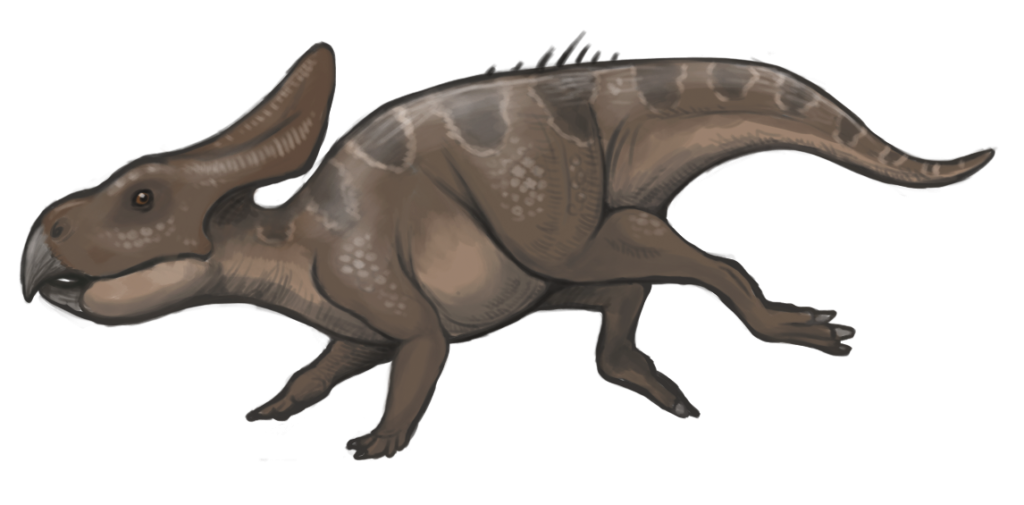
The discovery of multiple Protoceratops individuals preserved together at various sites provides compelling evidence that these dinosaurs may have exhibited social behavior, potentially living in herds or groups. The presence of numerous individuals of different age groups suggests family or multi-generational groupings that might have offered protection, particularly for vulnerable juveniles. The distinctive frill of Protoceratops, while not as elaborate as in later ceratopsians, may have played a role in visual communication and recognition among herd members. Some paleontologists have proposed that the frill might have been brightly colored or patterned in life, serving as a visual display for species recognition, intimidation of rivals, or attraction of mates. Bone bed sites containing multiple Protoceratops individuals have been interpreted as evidence of catastrophic events that killed entire groups simultaneously, preserving a snapshot of their social structure. These aggregations of fossils support the hypothesis that Protoceratops, like many other herbivorous dinosaurs, likely benefited from the safety of numbers against predators like Velociraptor.
Evolutionary Significance

Protoceratops occupies a crucial position in the evolutionary history of ceratopsian dinosaurs, representing an intermediate stage between the earlier, smaller basal ceratopsians and the later, larger, and more elaborate horned dinosaurs like Triceratops. The relatively simple frill of Protoceratops, which lacks the prominent horns and spikes seen in later forms, offers paleontologists a glimpse into the evolutionary development of these structures. Studies suggest that the neck frill likely evolved initially for muscle attachment to support stronger jaw action before later being co-opted for display and defensive purposes in more derived ceratopsians. Protoceratops belongs to the Protoceratopsidae family, which includes other small ceratopsians such as Bagaceratops and Leptoceratops, that collectively represent an important radiation of these dinosaurs throughout Asia and North America during the Late Cretaceous. The abundance of well-preserved Protoceratops fossils has allowed researchers to study population variations, providing insights into the evolutionary processes acting on these dinosaurs across time and geographic space.
Frill Function and Sexual Dimorphism
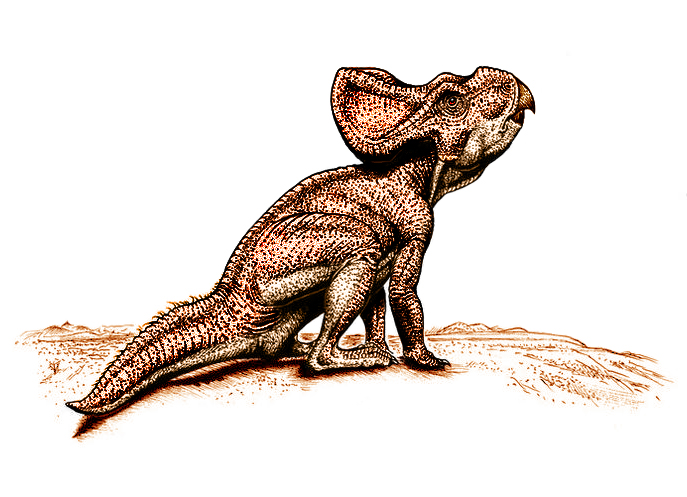
The function of the distinctive neck frill in Protoceratops has been a subject of ongoing scientific debate. Early hypotheses suggested it primarily served as a defensive shield against predators, but more recent research indicates it likely had multiple functions. The frill provided attachment sites for powerful jaw muscles, supporting the rotoceratops’ strong bite force needed for processing tough vegetation. Perhaps more intriguingly, studies of numerous Protoceratops specimens have revealed what appears to be sexual dimorphism in frill size and shape, with some individuals (presumed males) possessing larger, more ornate frills than others (presumed females). This variation suggests the frill served important roles in visual display, species recognition, and potentially in courtship and mating competitions. A 2016 study published in Proceedings of the Royal Society B provided statistical support for sexual dimorphism in Protoceratops, suggesting that sexual selection was an important driver in the evolution of the elaborate head ornaments that became even more pronounced in later ceratopsians.
Predators and Defense Mechanisms
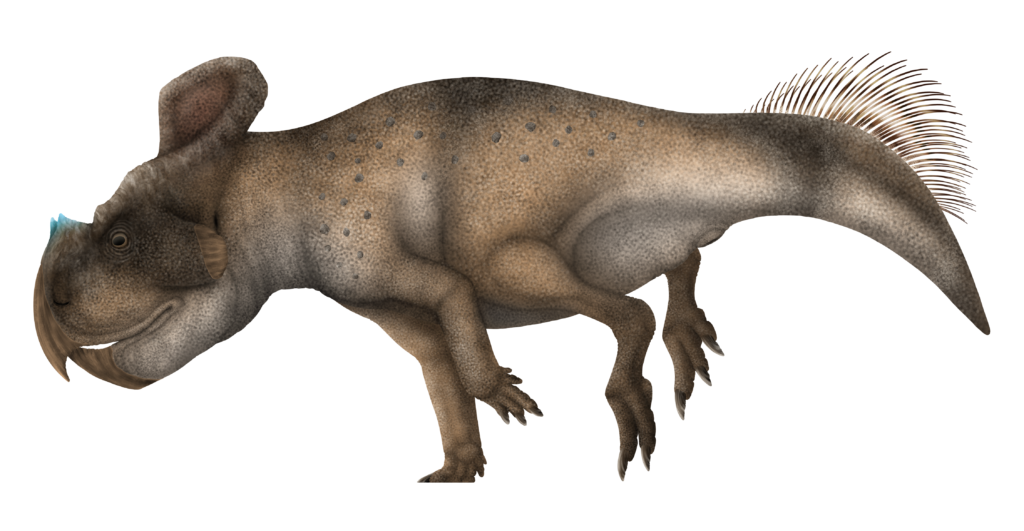
The famous “Fighting Dinosaurs” fossil provides dramatic evidence that Velociraptor preyed upon Protoceratops, though the fossil also demonstrates that capturing this ceratopsian was no easy task for the predator. Despite lacking the impressive horns of its later relatives, Protoceratops had several defensive advantages, including its powerful beak and strong jaw muscles that could deliver a crushing bite. The neck frill, while not heavily armored, provided some protection for the vulnerable neck region and may have made Protoceratops appear larger to potential predators. Living in groups likely constituted another important defense strategy, allowing for collective vigilance and the potential for coordinated defense against attackers. Some paleontologists have suggested that adult Protoceratops may have formed defensive circles around juveniles when threatened, similar to behaviors observed in modern musk oxen. The dinosaur’s stocky build and relatively powerful limbs suggest it may have been capable of quick bursts of speed to escape predators, though it was unlikely to outrun sustained pursuit from faster theropod dinosaurs.
Cultural Impact and Museum Displays
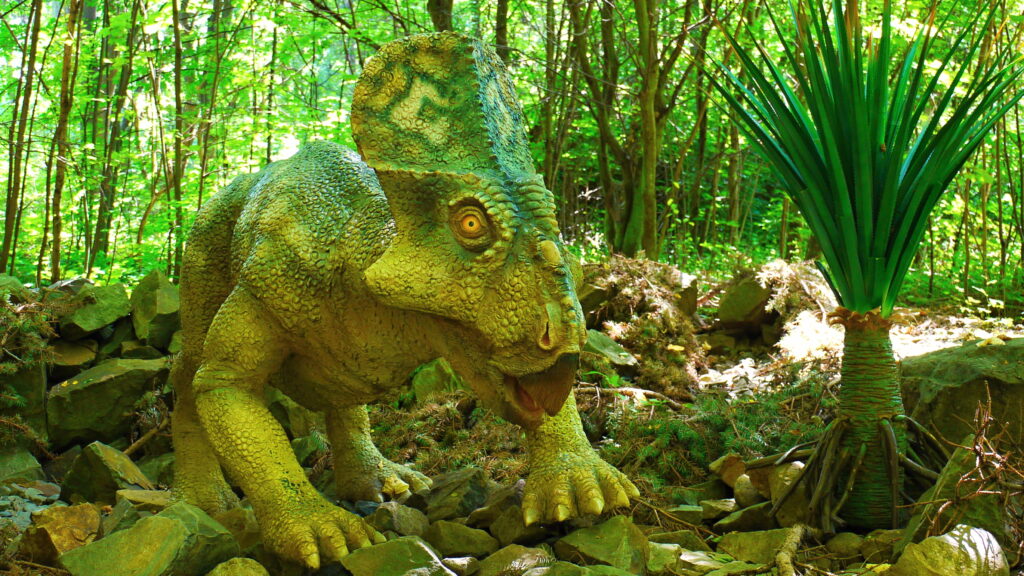
Protoceratops has established itself as an iconic dinosaur in popular culture and museum exhibitions worldwide, due largely to its abundant, well-preserved fossils and the dramatic “Fighting Dinosaurs” specimen. The American Museum of Natural History in New York, which sponsored the expeditions that discovered the first specimens, maintains an important collection of Protoceratops fossils and has featured the dinosaur prominently in its paleontology exhibitions for decades. In Mongolia, Protoceratops holds special cultural significance as one of the nation’s most important fossil treasures, with spectacular specimens on display at the Central Museum of Mongolian Dinosaurs in Ulaanbaatar. Some paleontologists have suggested that Protoceratops fossils discovered by ancient peoples in the Gobi region may have influenced Asian folklore about griffins, as the beaked skull and four-legged body bears some resemblance to this mythical creature. In modern popular culture, Protoceratops has appeared in numerous dinosaur books, documentaries, and educational programs, often highlighted for its evolutionary significance and the remarkable preservation of its fossils.
Recent Research and New Discoveries
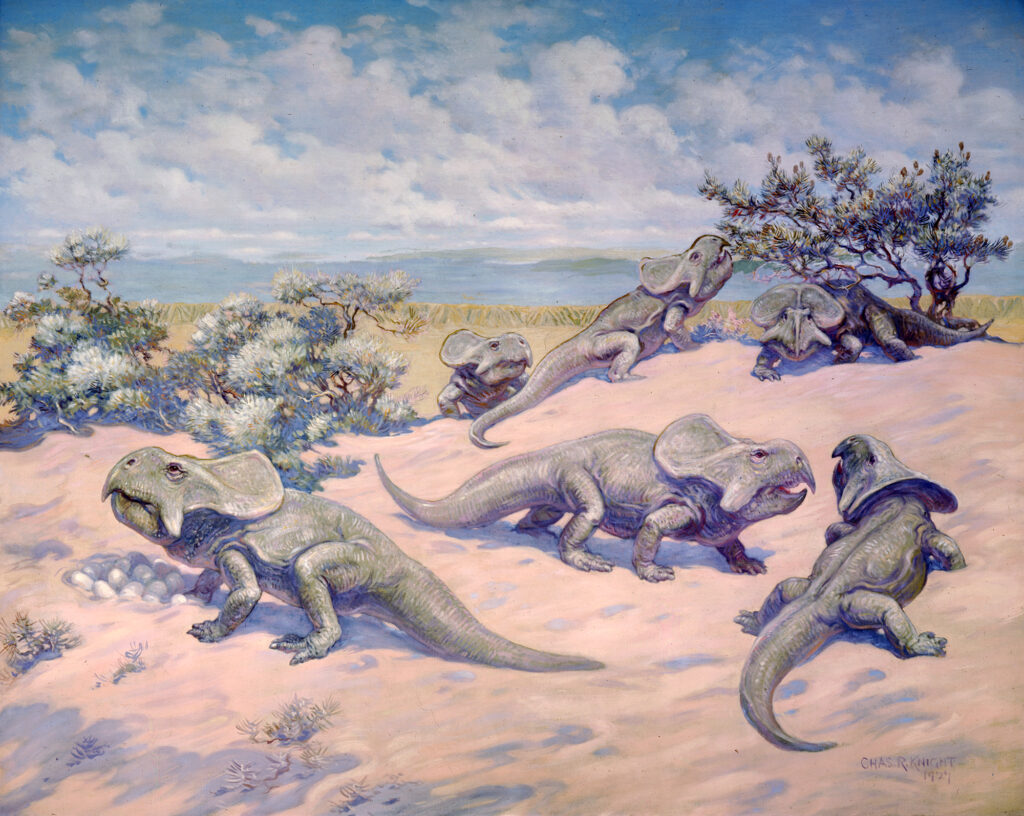
Research on Protoceratops continues to yield new insights about this fascinating dinosaur. Recent studies using advanced imaging techniques have revealed previously undetected details of skull morphology and growth patterns. A 2018 study published in Current Biology examined the development of the frill across growth stages, demonstrating that this feature developed through allometric growth, becoming proportionally larger as the animal matured. This finding supports theories about its role in display and sexual selection. Continued fieldwork in Mongolia has uncovered additional specimens, including a remarkably preserved group of juveniles that provides evidence for post-hatching parental care or group behavior among young individuals. Paleontologists have also conducted biomechanical studies on Protoceratops’ jaw structure, generating computer models that simulate its bite force and feeding capabilities. These analyses suggest Protoceratops had a surprisingly strong bite for its size, capable of processing tough vegetation in its arid environment. Additionally, microscopic studies of bone structure have provided new insights into the growth rates and life history strategies of these dinosaurs, suggesting they grew more rapidly than previously thought.
Conservation of Fossil Sites and Scientific Legacy

The important Protoceratops fossil localities in Mongolia’s Gobi Desert face significant challenges from both natural erosion and human activities, including illegal fossil poaching. International collaborative efforts between Mongolian authorities and foreign scientific institutions have been established to protect these irreplaceable paleontological resources. The Mongolian government has strengthened laws against fossil smuggling and improved protection of key sites like the Flaming Cliffs, where many of the most significant Protoceratops discoveries have been made. Scientific expeditions today operate under strict protocols for ethical collection and preservation of specimens, with fossils remaining the property of Mongolia and housed primarily in Mongolian institutions, though some are loaned to international museums for research and exhibition. The scientific legacy of Protoceratops extends beyond the species itself, as the techniques developed to study these abundant fossils have been applied to other dinosaur species. The exceptional preservation of so many individuals at different life stages continues to make Protoceratops one of the most important dinosaurs for understanding ceratopsian biology, growth, and evolution.
Conclusion
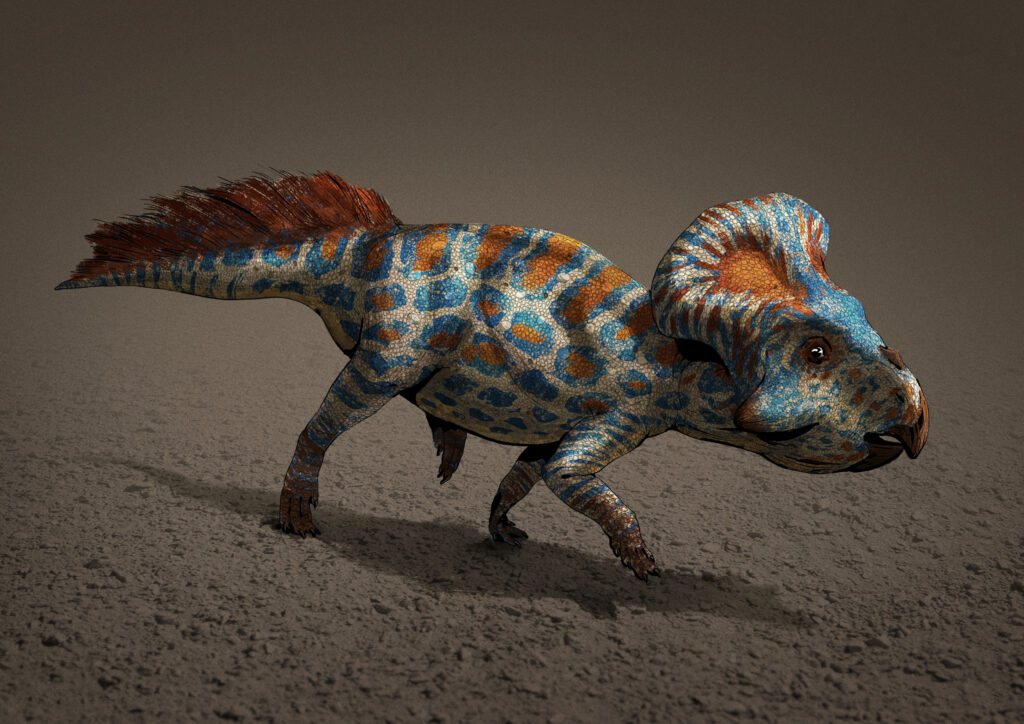
Protoceratops, though smaller and less spectacular than its famous relative Triceratops, has provided paleontologists with a wealth of information about dinosaur biology that few other species can match. From the dramatic “Fighting Dinosaurs” specimen that captured an ancient predator-prey interaction to the numerous growth series documenting its development from hatchling to adult, this dinosaur continues to illuminate our understanding of life in the Late Cretaceous period. As new technologies enable researchers to extract ever more information from existing fossils, and as fieldwork potentially uncovers new specimens, Protoceratops will undoubtedly continue to enhance our knowledge of dinosaur evolution, behavior, and ecology. This small frilled dinosaur from Mongolia’s ancient past has earned its place as one of paleontology’s most significant and best-documented dinosaur species.