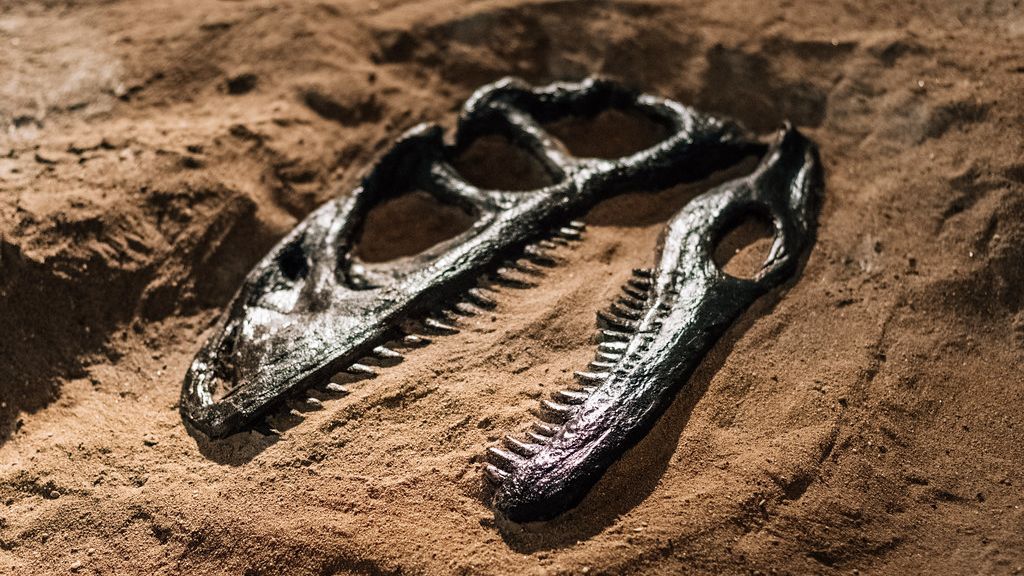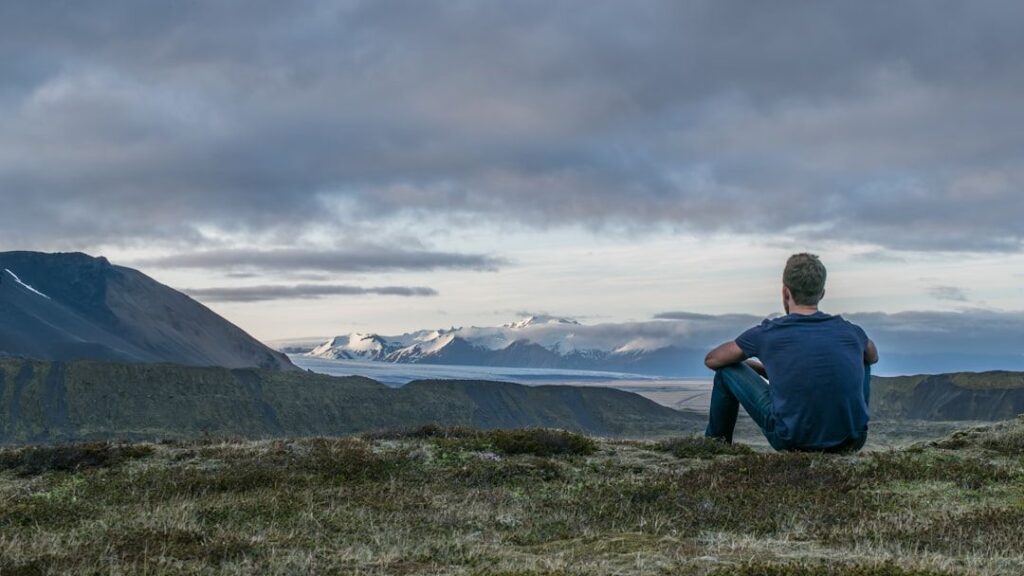
If you’ve ever stepped into a forest, taken a deep breath, and felt your shoulders drop three inches, you already know what neuroscience is only now catching up to: your brain is not built for the world you live in. We scroll more in a day than our ancestors saw in a lifetime, and yet a fifteen‑minute walk among trees can feel more healing than an entire weekend on the couch with a screen. That tension between ancient wiring and modern overload is not just poetic; it is physiological, measurable, and increasingly hard to ignore.
I still remember walking out of a buzzing open‑plan office straight into a small city park, feeling like someone had turned the volume of life down by half. Same city, same problems, but my mind suddenly felt wider, quieter, almost like a browser with ninety tabs finally closing. That shift is at the heart of what psychologists are finding: humans crave ancient nature because our nervous systems are drowning in stimulation they were never designed to handle. Once you see it, so many everyday frustrations suddenly make sense.
The Brain Was Built For Savannahs, Not Smartphones

For roughly hundreds of thousands of years, human brains evolved in environments defined by slow change: sunrise and sunset, seasons, animal tracks in the dirt, the rustle of leaves in the wind. Our nervous systems learned to pay attention to subtle movement in the grass, to distant thunder, to the expression on another person’s face around a campfire. Modern life, by comparison, hits that same ancient hardware with endless notifications, flashing ads, fast‑cut videos, and a constant stream of headlines designed to be impossible to ignore.
This mismatch is called an evolutionary lag: our biology updates on the timescale of millennia, while our technology and culture flip in the span of a few years. The result is a brain tuned for rare but crucial signals trying to survive in an environment where everything is screaming for attention, all the time. No wonder so many people feel scattered and exhausted by noon; their brain is running emergency‑mode software in what should be an ordinary workday. When we step into nature, we are not doing something “extra,” we are returning to the operating system our minds were actually written for.
Modern Overstimulation: Why Your Mind Feels Like A Browser With 100 Tabs Open

Most people underestimate just how aggressive modern sensory input really is. Even a “quiet” day in the city can involve sirens, traffic noise, multiple screens, background music in shops, visual clutter from billboards, and the constant hum of conversations. Add to that the digital layer: messages across several apps, emails, social media feeds, and algorithmically tuned content that is deliberately bright, loud, and emotionally charged. Each piece by itself is small, but together they crowd your mental space the way pop‑up windows once crowded old computer screens.
Psychologists describe this as cognitive load: the total amount of mental effort being used at a given time. When this load stays high for long stretches, the brain becomes less efficient at filtering information and switching tasks. That is why you can feel weirdly tired after doing “nothing but scrolling” for an hour; your visual and emotional systems have been pushed hard without any real recovery. In that state, worries feel bigger, patience runs thinner, and sleep rarely feels as deep as it should. Nature, by contrast, takes your foot off that invisible mental accelerator.
Attention Restoration Theory: Nature As A Neural Reset Button
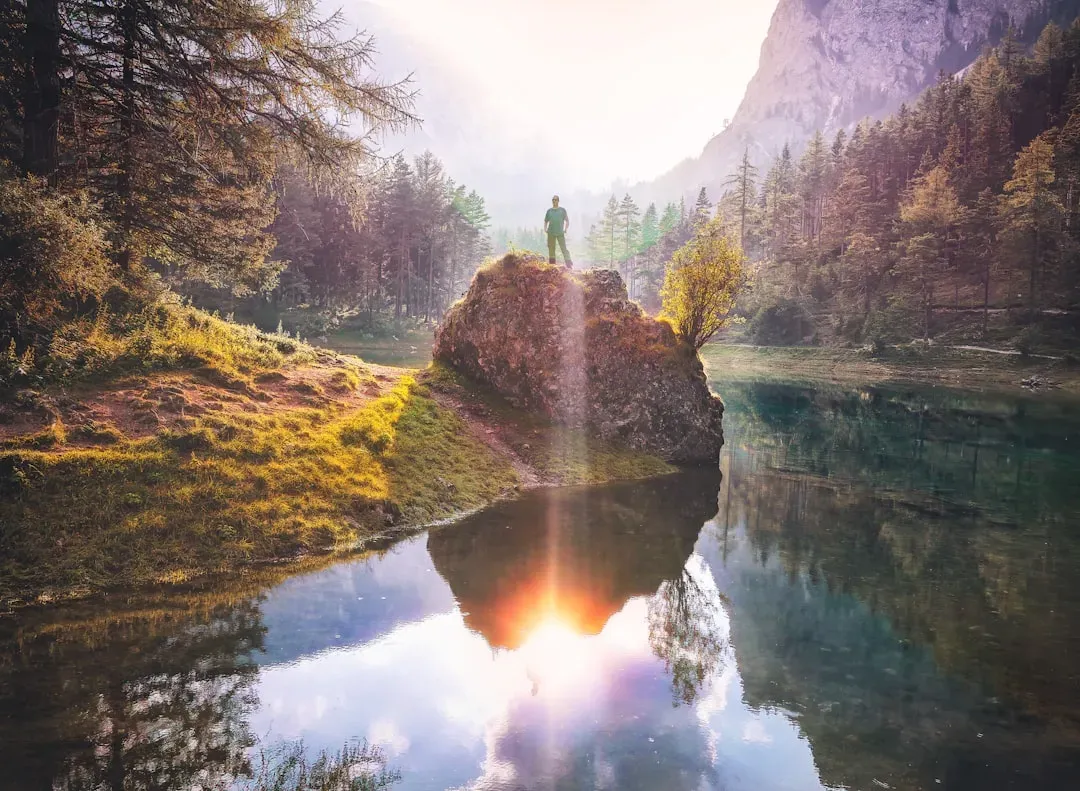
One of the most influential ideas in environmental psychology is called Attention Restoration Theory. In simple terms, it suggests that modern tasks, like working at a computer or navigating busy streets, rely heavily on directed attention, the effortful focus we use to tune out distractions. That type of attention tires out quickly, almost like a muscle that burns out when you hold a weight for too long. Nature environments, especially green ones, seem to give that system a break while gently holding our interest through softer, more effortless fascination.
Think about how you can watch waves, clouds, or leaves moving in the wind without trying to pay attention. Your mind tracks the patterns automatically, and yet you do not feel drained. In those moments, your directed attention can rest and recover, making you better at concentrating when you return to tasks that demand focus. Many studies have found that even short walks in natural settings, or views of trees from a window, can improve performance on attention‑heavy tasks and reduce mental fatigue. It is as if a small dose of ancient nature presses a reset button that modern life keeps hammering.
Stress Physiology: How Nature Turns Down The Alarm System
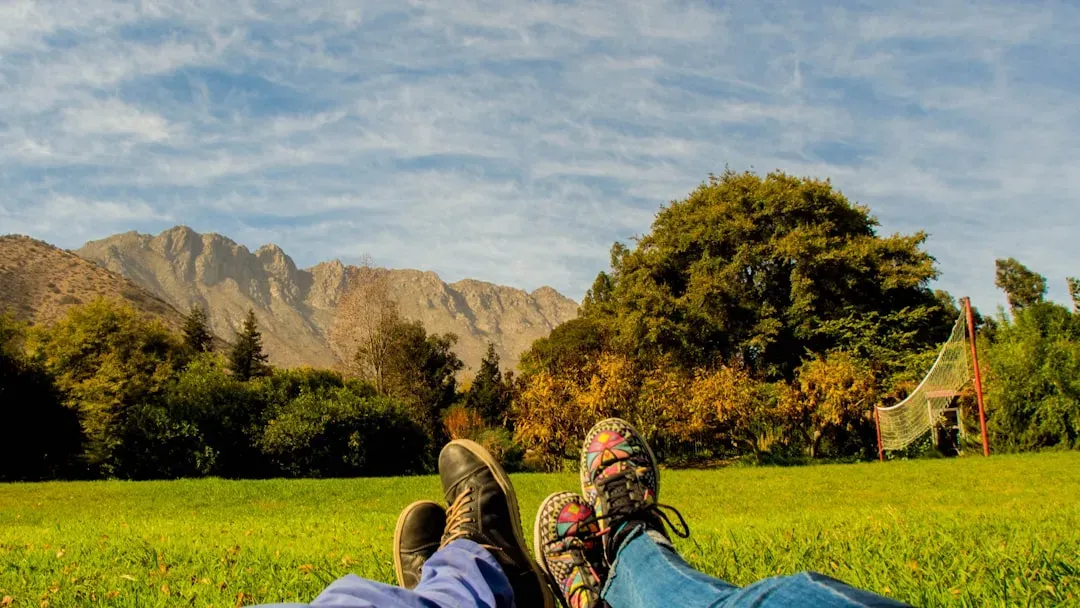
Modern overstimulation is not just about feeling “busy”; it is also about living with a nervous system that is constantly tipped toward alertness. Noise, time pressure, social comparison, and information overload all nudge the body’s stress systems to stay slightly activated. Over time, that ongoing low‑grade alarm can raise heart rate, tighten muscles, and keep stress hormones elevated more often than our bodies can comfortably handle. Many people adapt so completely to this state that they only notice it when they finally step away and feel the contrast.
When we spend time in nature, especially in quiet, green, or watery places, measurable changes often show up in the body. Heart rate tends to decrease, blood pressure can move toward healthier levels, and the balance between the sympathetic (fight‑or‑flight) and parasympathetic (rest‑and‑digest) systems shifts toward calm. Breathing becomes slower and deeper almost without conscious effort, which further signals to the brain that it is safe to relax. The experience is not just “nice”; it is a physiological recalibration away from the chronic micro‑alarms of modern environments toward the baseline our ancestors lived in most of the time.
Digital Dopamine And Why Nature Feels Quietly Addictive
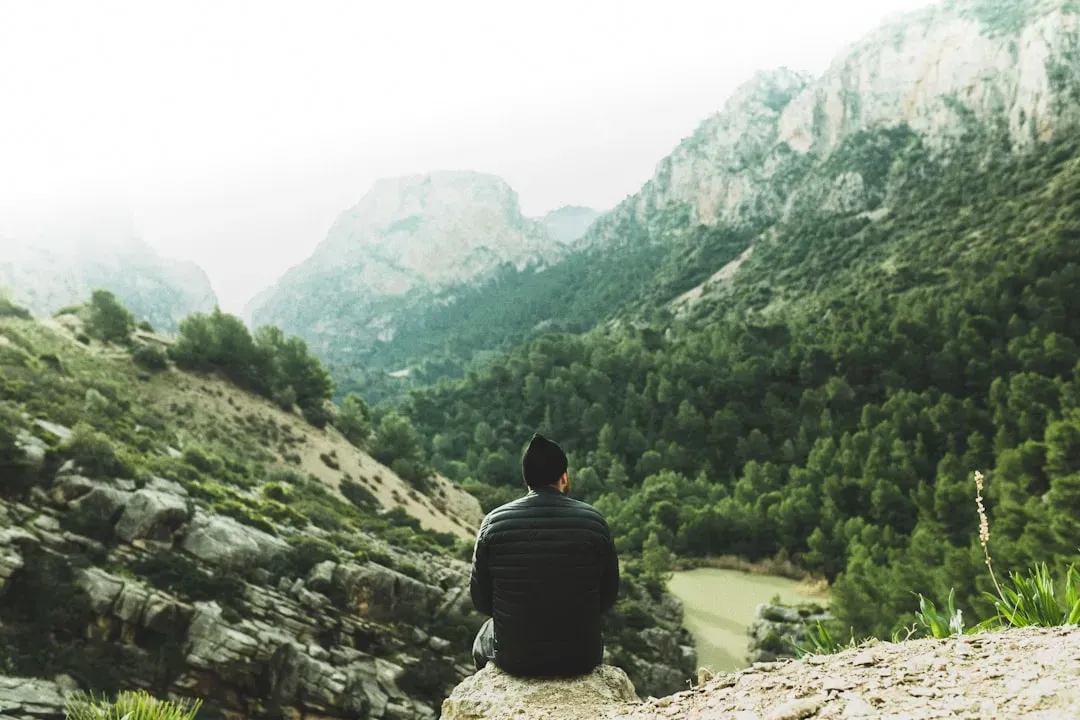
Apps, games, and social platforms are built to hijack the brain’s reward system by delivering frequent little hits of novelty, social approval, or surprise. Each like, message, or new piece of content nudges the release of dopamine, a neurotransmitter involved in motivation and learning. Over time, our brains start expecting this rapid, high‑frequency reward pattern, which can make anything slower or subtler feel dull by comparison. That is part of why people talk about feeling unable to focus on a book, a conversation, or even their own thoughts without checking their phone.
Nature operates on a completely different reward schedule. Instead of sharp spikes of stimulation, it offers slow, layered experiences: shifting light, the sound of wind, the smell of soil after rain. The dopamine response is gentler and spread out, but it is also more stable and less likely to lead to the restless craving that digital feeds create. After enough time outdoors, the nervous system becomes more sensitive to these quiet pleasures again, in the same way that cutting back on sugary foods can make a simple piece of fruit taste intensely sweet. In that sense, nature feels “addictive” not because it overwhelms you, but because it lets your reward system breathe.
Biophilia: The Deep, Ancient Affinity For Living Things
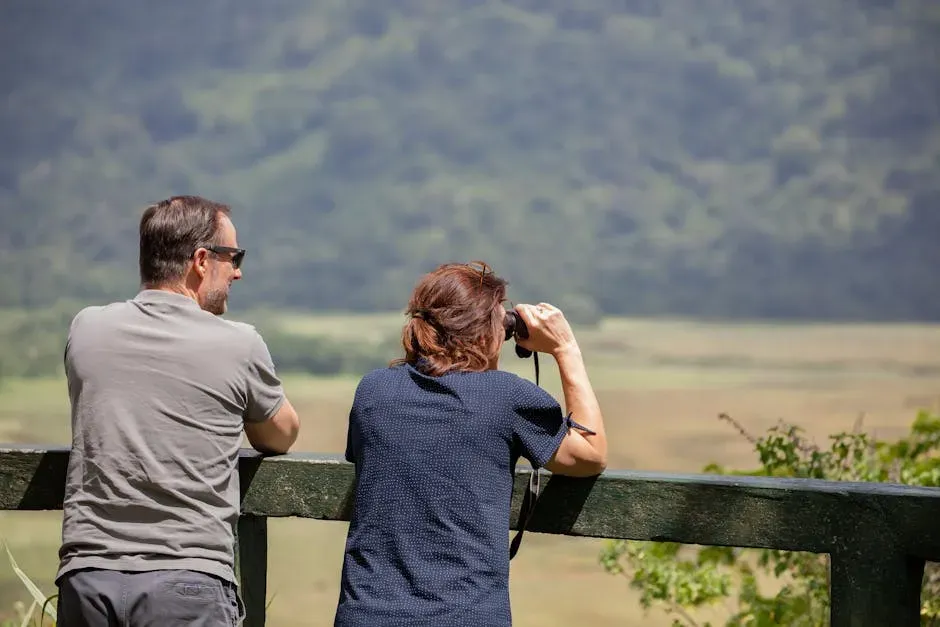
Biophilia is the idea that humans have an innate tendency to seek connections with other forms of life and natural environments. You can see hints of this almost everywhere: people placing plants on office desks, choosing nature scenes as phone wallpapers, or paying extra for houses with a view of water or trees. This pull does not seem to be purely cultural; even young children typically show interest in animals, rocks, leaves, and dirt without being taught. Something in us recognizes life and is drawn toward it the way a plant leans toward sunlight.
From an evolutionary perspective, this makes sense. Environments rich in diverse plant and animal life were more likely to offer food, shelter, and clean water, while barren landscapes often meant scarcity or danger. Over very long periods, brains that felt at ease and curious in living landscapes would have had a survival advantage. Today, that ancient leaning shows up as a quiet sense of “rightness” when we are surrounded by greenery, birdsong, and natural textures. In a world of glass, metal, and glowing rectangles, biophilia is the whisper that says: you belong out there, not just in here.
Urban Design: Concrete Minds In Concrete Jungles

Most people now live in cities, and many of those cities were built with efficiency, traffic, and commerce in mind, not mental health. Straight lines, grey surfaces, harsh lighting, and constant movement can create what some researchers call a hardscape of attention traps. Every sign, storefront, and passing vehicle subtly competes for your visual system’s limited resources. Over hours and years, that unending battle drains energy that could have gone into creativity, relationships, or simply a sense of ease in your own body.
The encouraging part is that even small design choices can soften this impact. Street trees, pocket parks, green roofs, and views of water all introduce natural elements that the brain responds to in surprisingly powerful ways. People who live in greener neighborhoods often report better mood and lower perceived stress, even after accounting for income and other factors. The message is clear: if we insist on building dense, fast, and loud environments, we have a responsibility to weave ancient nature through them like a nervous system repair kit. Ignoring that is not just bad planning; it is a quiet kind of cruelty to our own minds.
Micro‑Doses Of Nature: How Little It Takes To Start Feeling Human Again
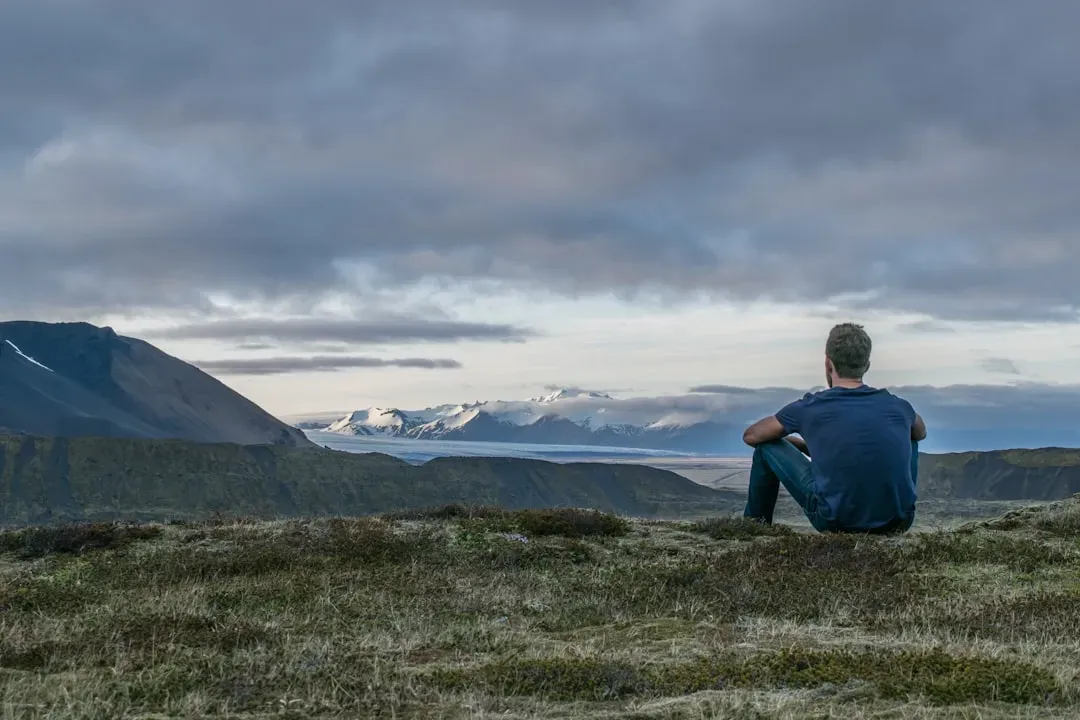
One of the most hopeful findings in this field is that you do not need a weeklong retreat in the wilderness to feel real effects. Short, regular “micro‑doses” of nature seem to matter a great deal. A ten‑minute walk in a tree‑lined street, sitting by a window that looks onto a garden, tending a few plants at home, or even listening to natural sounds can measurably shift mood and perceived stress for many people. The brain responds not only to grand landscapes, but also to small reminders of a world beyond screens and schedules.
This is especially important for people who feel trapped by work, caregiving, or city life and assume that if they cannot escape to a mountain, there is no point trying. In practice, stacking small exposures can add up the way daily stretching improves flexibility over time. A plant on the desk, a lunchtime walk, a no‑phone moment on a balcony at sunset, or a weekend trip to a local park can become tiny rituals of reconnection. You are not failing at self‑care if you cannot disappear into the forest for days; you are simply working with the fragments of ancient nature you can actually reach.
Children, Screens, And The Vanishing Wild Childhood
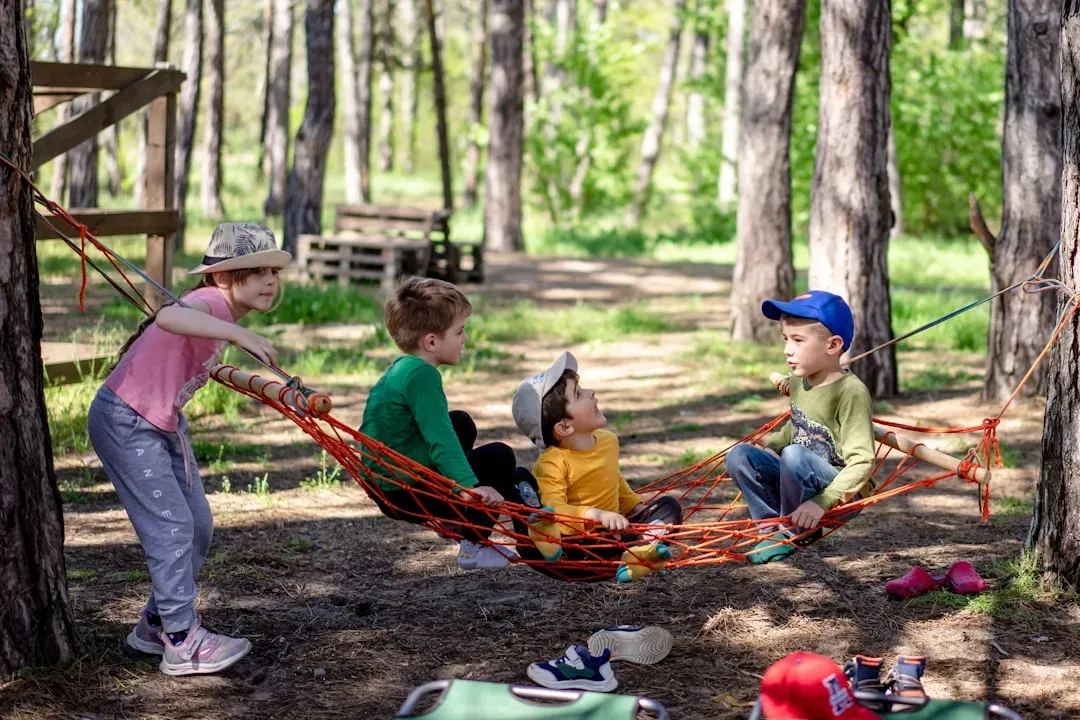
Children today are growing up with levels of screen exposure and indoor time that would have been unthinkable a few generations ago. Many spend most of their waking hours in structured, indoor environments: classrooms, cars, organized activities, and entertainment delivered through devices. Unstructured outdoor play, once a default part of childhood, has quietly shrunk. That shift matters because children’s brains are especially sensitive to their surroundings, and early experiences help set patterns for attention, stress response, and emotional regulation.
When kids climb trees, stomp through creeks, watch insects, and build imaginary worlds outside, they are doing complex work behind the scenes. They are integrating sensory information, learning risk assessment, practicing focus, negotiating social dynamics, and discovering what their bodies can do. A life tilted heavily toward bright, fast, indoor stimulation can distort those processes, making boredom feel intolerable and quiet spaces feel strange. Re‑introducing regular outdoor play is not nostalgia; it is an evidence‑based investment in nervous systems that will someday have to handle an even more intense version of modern life.
Conclusion: Choosing Ancient Calm In A Noisy Age
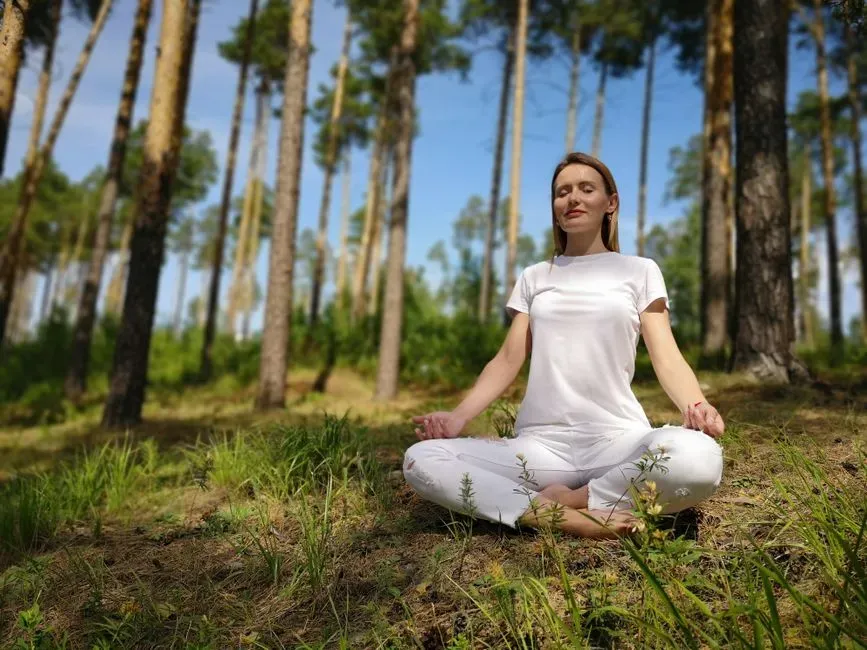
In my view, the science simply puts technical language to something our bodies have been shouting for years: modern life is louder than our brains can comfortably bear, and nature is not a luxury, it is medicine. We keep trying to solve overstimulation with more technology, more productivity hacks, more apps that promise focus, while overlooking the obvious: the woods, the park, the patch of sky above the nearest building. It is almost comical that we will pay for complex subscriptions while ignoring the free, time‑tested intervention growing just beyond the parking lot.
If we take this seriously, it stops being a matter of personal preference and becomes an ethical question about how we design our days, our cities, and our childhoods. Making room for trees, water, soil, and sky is not about being romantic or anti‑modern; it is about respecting the ancient brain that still beats beneath our trendy devices and busy schedules. The real choice is whether we continue to treat that brain as disposable, or finally admit that it needs something older and quieter than what the algorithm offers. When you step outside next time and feel your whole body exhale, will you treat that as a coincidence, or as instructions from an ancient self that still knows what it needs?