Picture this: you are walking your dog at dusk, the trail is quiet, and suddenly a branch snaps in the trees beside you. Your heart jumps before your brain has even formed a thought. You know you are in a suburban park, logically safe, yet your body reacts as if a big cat just locked eyes with you. That instant flood of adrenaline is not overdramatic; it is old, carved into your nervous system by ancestors who survived only because they reacted first and asked questions later.
Modern life gives us climate control, grocery delivery, and streaming platforms, but it has not rewritten the deepest layers of our psychology. At that level, we are still creatures who once huddled around fires, listening for growls just beyond the circle of light. In a world of alarms, emails, and credit scores, it is easy to forget that our brains were not built for high-rises and highways, but for open plains, dense forests, and things with teeth. Understanding this clash between ancient instincts and modern surroundings does not just make for a cool trivia fact; it explains why some fears feel irrational but refuse to go away.
The Brain’s Old Alarm System: Why a Rustle Still Feels Like a Threat
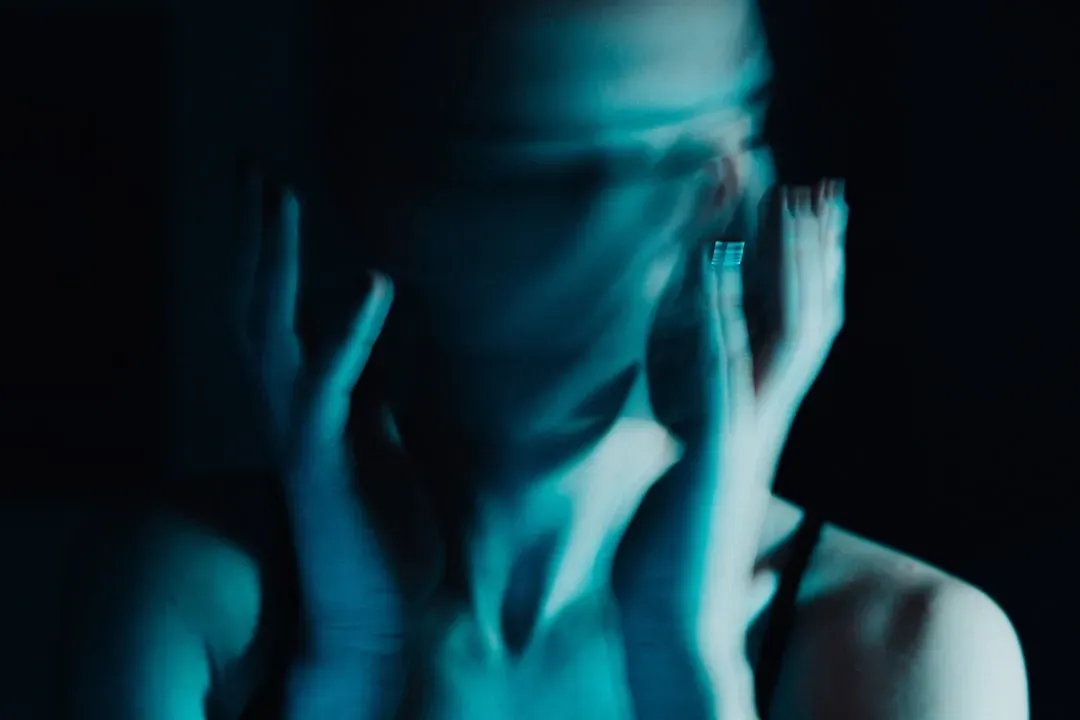
Long before cities, courts, or written laws, survival depended on noticing danger a fraction of a second faster than the next person. Our ancestors who jumped at ambiguous sounds, strange movements, or looming shapes were more likely to live long enough to pass on their genes. That means our brains today come pre-loaded with an alarm system that treats uncertainty like a possible predator. When you hear that sudden noise behind you at night, the ancient part of your brain does not debate probabilities; it hits the panic button first and lets rational thought try to clean up afterward.
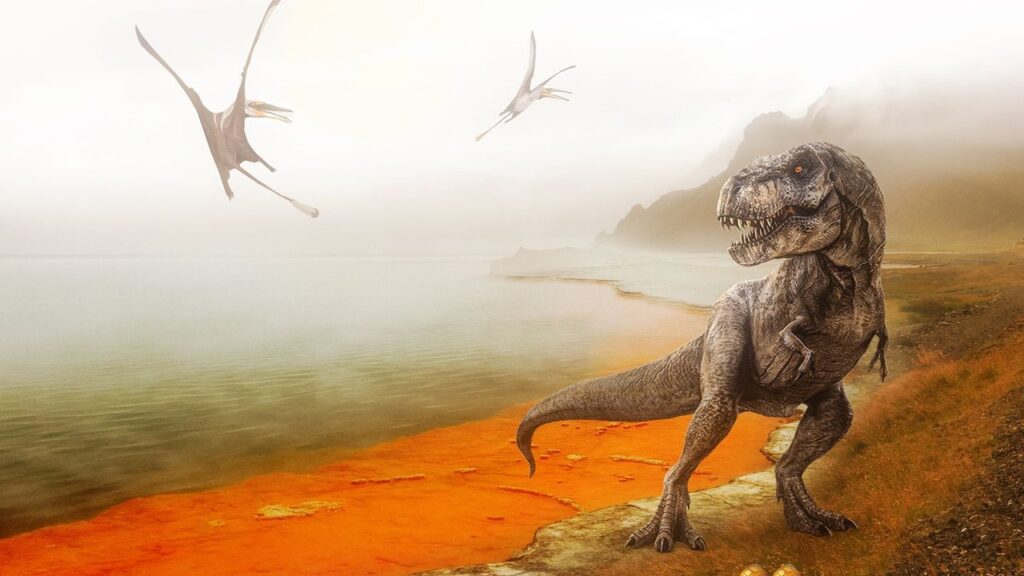
At the center of this alarm system sits the amygdala, a small, almond-shaped structure that processes fear and threat. The amygdala reacts in milliseconds, often before the conscious, rational cortex has fully registered what is happening. That is why you can flinch away from a coiled garden hose before you notice it is not a snake. This shortcut made perfect sense in a world where failing to react quickly could mean becoming dinner. Today, the same bias applies to shadows, horror movies, and even jump-scare videos online. In other words, your nervous system is still optimized for a predator-rich environment, even if the closest thing to a lion you regularly see is a logo on your sports team’s jersey.
Prepared Fears: Why Snakes and Spiders Still Freak Us Out

Not all fears are created equal. People can learn to fear almost anything, but some fears come easier, almost as if our brains were primed for them from the start. Fear of snakes and spiders shows up in children who have barely had any experience with them, and these fears can arise even without dramatic bad encounters. From an evolutionary point of view, this makes sense: in many environments where humans evolved, venomous snakes and insects were a serious and constant danger, especially when people walked barefoot or slept near the ground.
Interestingly, people often do not show the same automatic, deep-rooted fear toward modern threats like electrical outlets or speeding cars, even though those can be far more deadly in today’s world. We can learn to be cautious about them, of course, but that learning tends to rely more on instruction and experience rather than instinctive revulsion. That bias hints at a brain shaped by older landscapes, where creeping, slithering, and stalking dangers killed quietly and quickly. So when your heart races at the sight of a harmless house spider, it is not because you are weak or silly; you are tapping into a fear system that has been rehearsing this reaction for thousands of generations.
Darkness, Eyes in the Bushes, and the Terror of Being Watched

There is something uniquely unsettling about the sense that something is watching you from the dark, even when you know logically that nothing is there. For most of human history, night meant vulnerability. Our vision is relatively poor in low light, which put us at a major disadvantage against predators whose eyes were built for dusk and darkness. Being out in the open at night could easily mean being stalked by animals that saw you long before you saw them. That dynamic carved a lasting association between darkness, isolation, and hidden eyes.
Modern experiments and everyday experiences show how easily we see faces or eyes in random patterns: in clouds, tree bark, even the front grills of cars. Our brains are hyper-tuned to detect gaze and facial shapes because missing a pair of eyes in the bushes once might have been fatal. That is also why horror movies lean so heavily on glowing eyes in the dark, shadowy figures at the edge of vision, or the feeling of being followed. These images bypass intellectual defenses and jab directly at that old survival circuitry that once scanned the savanna for lions, leopards, and other silent hunters.
From Claws to Crowds: How Ancient Predator Fear Became Social Anxiety

Here is where things get interesting: the same neural hardware that once scanned for lurking predators now helps scan for social threats. Getting rejected, humiliated, or excluded by your group might not sound like a “predator,” but in early human communities, being cast out could be just as deadly as facing fangs. Food sharing, group defense, and mutual care were crucial. People who took signs of social disapproval seriously were more likely to keep their place in the group and, by extension, stay safe.
That is why your body can react to social situations as if they were literal physical dangers. A tough meeting with your boss, walking into a room where you do not know anyone, or posting something online and waiting for responses can trigger a racing heart, sweaty palms, and a knot in your stomach. It is the same fight-or-flight system, just firing over hurtful comments instead of growling tigers. In a way, we have traded the fear of claws for the fear of judgment, but the underlying circuitry is surprisingly similar. Our brains treat public embarrassment like a predator circling closer to the campfire.
Vivid Imaginations: How Stories, Myths, and Media Keep Predators Alive in Our Minds
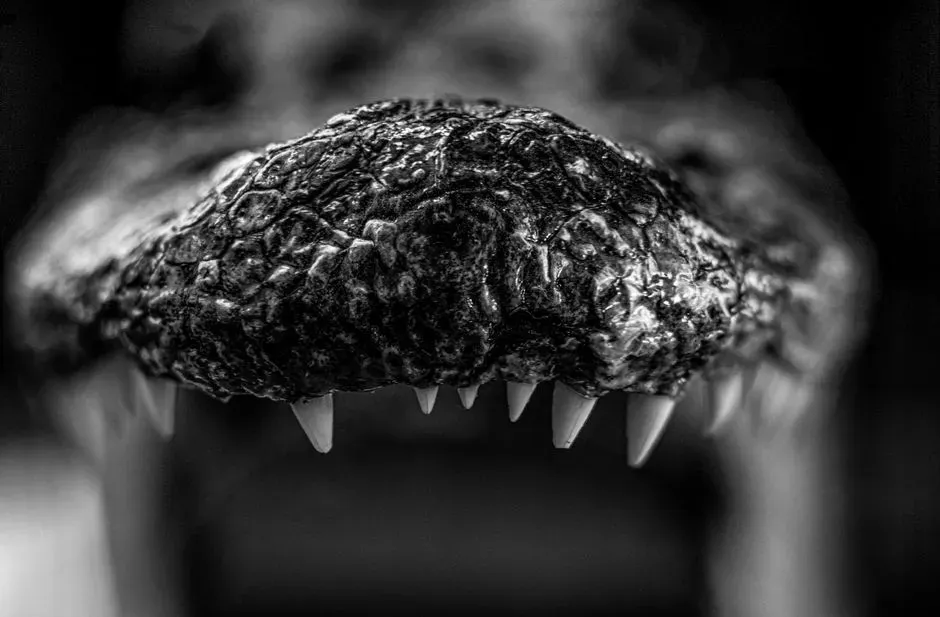
Even if you will never see a wolf outside of a zoo, you still know what a wolf means. Stories, myths, and media keep predator imagery alive and emotionally charged. Folktales from around the world are full of man-eating beasts, lurking monsters, and shape-shifters that stalk villages from the shadows. Those tales did more than entertain; they helped encode survival lessons about staying close to camp, avoiding dangerous places, and respecting the power of nature. Children grew up scared of wandering too far not just because parents scolded them, but because stories painted what might be waiting out there.
Today, we have horror films, thrillers, creature features, and viral clips that tap into the same well of fear. A carefully timed jump scare can make your whole body jolt, even when you know you are just sitting on your couch. I still remember watching a nature documentary as a kid where a crocodile exploded out of the water to grab an antelope; for weeks, any dark body of water felt like a trapdoor. That is the power of our imaginative mind paired with old fear circuits. Media does not create the fear from scratch; it uses imagery that our nervous system already treats as highly important and potentially lethal.
Modern Predators: Why We Map Old Fears Onto New Threats
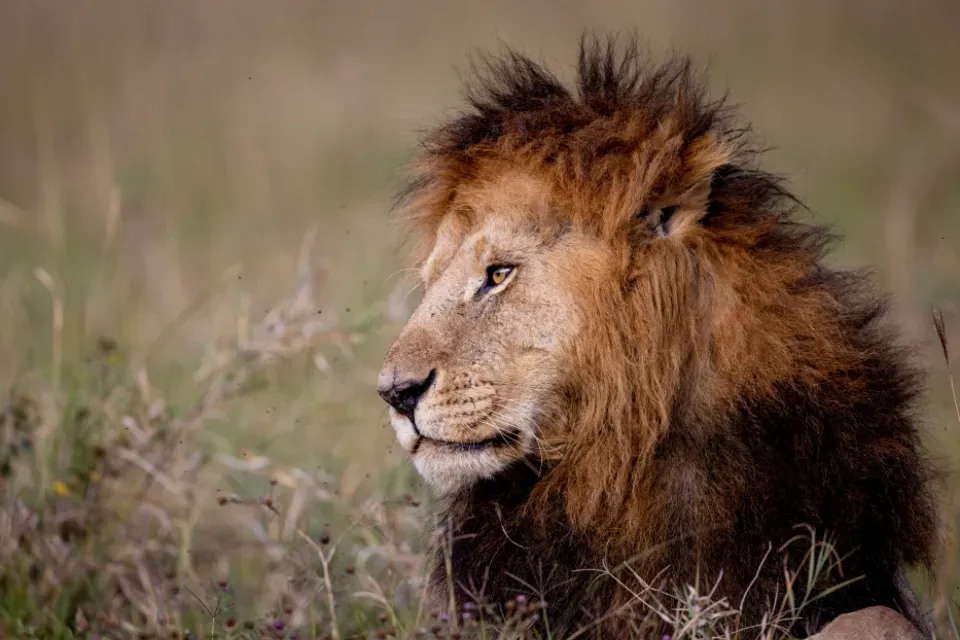
Human predators, abusive partners, violent strangers, or powerful institutions can trigger the same visceral reactions as big animals once did. We instinctively notice size, posture, facial expression, and patterns of behavior that hint at domination or danger. The figure looming in a dark alley or the aggressive driver weaving through traffic taps into the same intuitive threat detection that once helped us spot a stalking cat. In this sense, the idea of a “predator” has expanded; it no longer has to have fur or fangs to set off our alarm system.
We also project predator-like qualities onto modern abstract threats. Think about how often news and commentary describe danger using animal metaphors: economic sharks, political vultures, cyber predators. These descriptions resonate because we already know what it means to be hunted or exploited at a gut level. Our brains are trying to make sense of complex, systemic dangers by framing them in a story we have carried since prehistory. That framing can be useful, but it can also make some threats feel larger, more inevitable, or more supernatural than they really are, which sometimes keeps people frozen instead of taking practical steps to protect themselves.
When Ancient Fear Goes Too Far: Phobias, Panic, and Avoidance

Fear kept our ancestors alive, but in the modern world, that same system can misfire badly. Phobias of animals, heights, storms, or the dark can be overwhelming, far beyond what the actual risk justifies. Someone might avoid hiking, camping, or even walking near a pond because their mind insists something deadly is waiting. The fear goes from helpful nudge to full-body hijack, trapping people in smaller and smaller lives. Panic attacks can feel like the body launching into fight-or-flight with no clear enemy, as if the system is rehearsing for a hunt that never actually comes.
It is tempting to dismiss these experiences as irrational, but that is only half the story. From an evolutionary viewpoint, it is almost rational for the mind to err way on the side of caution, even if that means lots of false alarms. The problem is that our environments changed far faster than our nervous systems did. Therapy, gradual exposure, and understanding how the brain works can help people renegotiate these inherited reactions. Instead of trying to erase fear, the goal becomes recognizing when the ancient predator-warning system is overfiring and gently teaching it that a house cat, a house spider, or a quiet office hallway is not actually a hunting ground.
Making Peace With Our Inner Prey: How Understanding Fear Makes Us Freer
Here is my honest opinion: we spend too much time shaming ourselves for being afraid, and not enough time respecting how hard-won that fear response is. When your heart pounds walking through a dark parking garage or when you hesitate before entering a silent, wooded trail, you are not being weak. You are carrying the legacy of people who survived nights filled with real eyes, real claws, and real teeth. The point is not to glorify fear, but to see it as an old ally that sometimes shows up to the wrong party, overdressed and overexcited. Once you see it that way, you can talk back to it without hating it.
In a world where most of us will never hear a lion roar outside our camp, our task is to update the stories we tell ourselves without pretending our biology is brand new. We can learn to separate useful alertness from needless panic, to honor the instincts that kept us alive while gently arguing with them when they misread the situation. Civilization did not erase the animal in us, and honestly, I do not think it should. Those predator-shaped shadows in our minds are reminders of where we came from and why we are still here. The real question is not whether we still fear predators; it is how we choose to live knowing that a very old part of us is still listening for growls in the dark. Did you expect that part of yourself to be so ancient and so stubbornly alive?