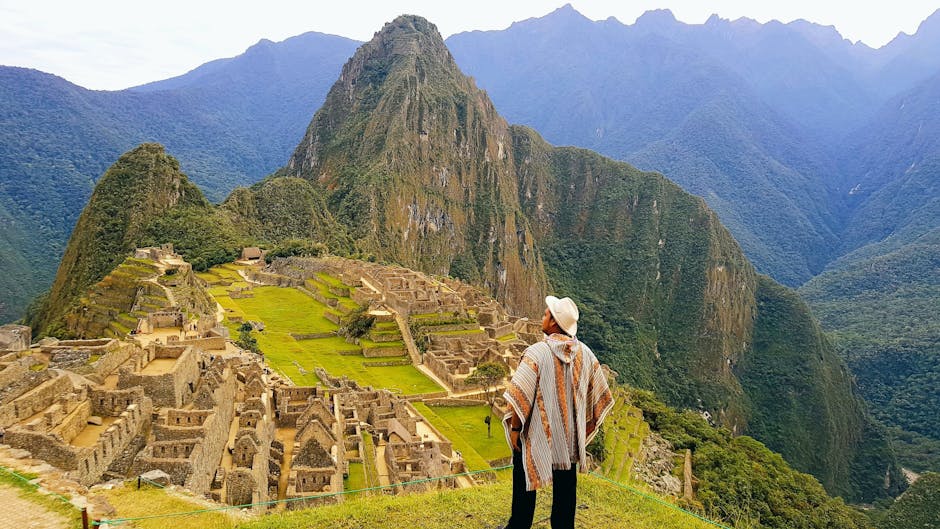
There’s something strangely hypnotic about stories of Atlantis, Göbekli Tepe, or the Indus Valley. You start with one video about mysterious ruins, and suddenly it’s two in the morning, you’ve zoomed in on satellite photos of deserts, and you’re asking yourself whether everything we know about history might be wrong. On the surface, it looks like harmless curiosity about archaeology and ancient myths. Underneath, though, psychology suggests something deeper is going on: a quiet hunger for meaning, belonging, and wonder that modern life often fails to satisfy.
That does not mean everyone who loves lost civilizations is unhappy or delusional. It means that this particular fascination presses some very human psychological buttons: the need to feel part of a larger story, to believe life is more than email, commutes, and subscription renewals. When people dive into theories about vanished cultures, hidden knowledge, and prehistoric cataclysms, they are often trying to patch holes that contemporary life has torn in their sense of purpose. Once you see that, the obsession stops looking weird and starts looking deeply human.
The Deep Human Need for a Bigger Story
Psychologists have long argued that humans are storytelling creatures who crave a sense that our lives fit into some grand narrative. Traditional societies often provided that: myths, rituals, and shared origin stories that explained who you are, where you came from, and why your life matters. Modern life, especially in secular and highly individualistic cultures, tends to strip away those grand stories and replace them with vague goals like success, productivity, and personal branding. For a lot of people, that swap feels flat and emotionally empty, even if they cannot quite name why.
This is where lost civilizations slide in like a missing puzzle piece. The idea that there were once advanced cultures with profound knowledge, mysterious technologies, or spiritual depth can feel like a doorway back into a richer narrative. Instead of living in a random, meaningless universe where history is just dates and wars, you are suddenly part of an unfolding mystery: a species that keeps losing and rediscovering wisdom across vast ages. It is not just about old stones and ruins; it is about reclaiming a sense that humanity’s story is epic and that your own small life is connected to something cosmic rather than just your next deadline.
Escaping the Flatness and Anxiety of Modern Life
Modern life is supposed to be the pinnacle of progress, but psychologically it often feels strangely hollow. Many people report feeling chronically rushed, digitally overstimulated, and quietly dissatisfied, even when nothing is “wrong” in the usual sense. A world full of notifications, metrics, and surface-level content can leave you with a nagging sense that you are skimming along the top of life instead of actually living it. That low-grade emptiness is exactly the kind of thing that pushes people to look backward for something they feel is missing now.
Lost civilizations promise an escape from this emotional flatness. Imagining ancient peoples who lived closer to nature, with deeper rituals or more integrated communities, offers a fantasy antidote to alienated city life and screen-heavy routines. Even if the historical details are fuzzy, the emotional contrast is sharp: their world feels thick with myth and meaning; ours often feels thin and transactional. When you binge content about forgotten cultures, you are not only exploring history, you are subconsciously asking whether another way of being human is possible – and whether modern life is really as advanced as it claims to be.
Control, Uncertainty, and the Lure of Hidden Knowledge
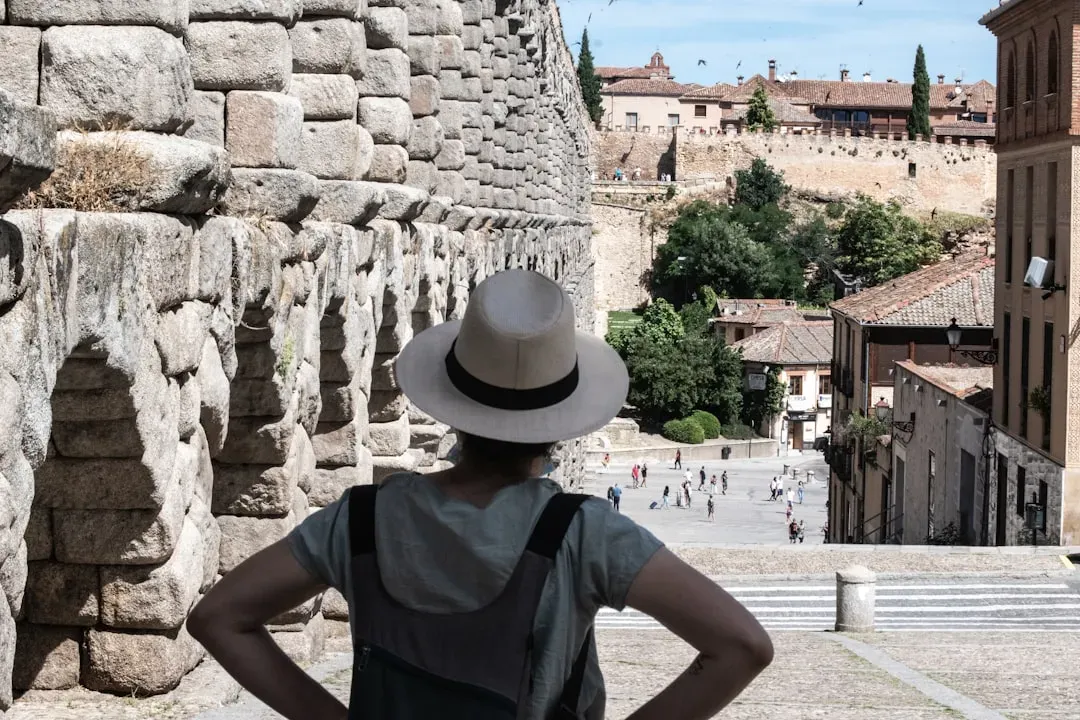
Psychology research shows that when people feel uncertain or powerless, they often become more attracted to patterns, hidden explanations, and big-picture stories that make chaos feel manageable. In times of rapid change, political upheaval, or personal instability, the idea that the official story of history is incomplete or misleading can be oddly comforting. If there were lost civilizations with advanced knowledge, then maybe the confusion you feel about the present is not your fault; maybe the world truly is stranger and more complex than you were told.
This is also why the fascination sometimes drifts into fringe theories or grand conspiracies about suppressed discoveries. The thought that there is hidden knowledge – buried under sand, ice, or academic politics – can make a messy world feel more ordered: there is a secret pattern, and if you can just uncover it, everything will make sense. Psychologically, that is a way of coping with uncertainty and a lack of control. Instead of admitting that some things are random or unsatisfying, you invest in a story where the truth is out there, and you are actively hunting it.
Nostalgia for a World That Might Never Have Existed
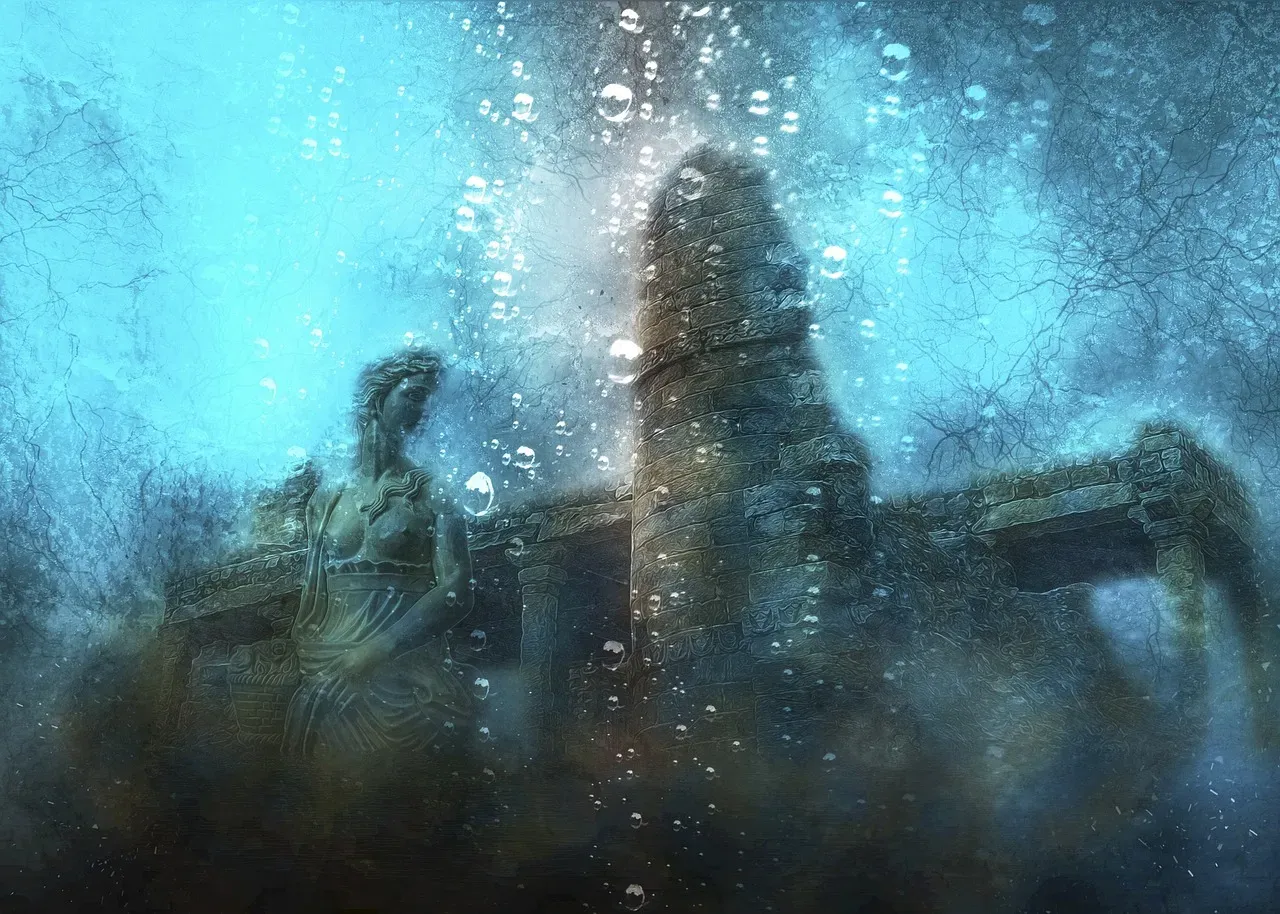
People are not only nostalgic for their own past; they can be nostalgic for imagined pasts they never lived through. Lost civilizations become a kind of projected utopia – places where humans supposedly lived in harmony with nature, practiced deeper forms of spirituality, or designed cities that aligned with the stars. Even when there is little evidence for those idealized images, they serve as emotional counterweights to feelings of disconnection, pollution, and overcrowding in the present. In a sense, these civilizations become mirrors reflecting what we wish our current world could be.
That does not mean everyone romanticizing Atlantis or Lemuria truly believes they were paradise. Often, people are using those images as symbols of values they feel are eroding: community, craft, beauty, wisdom, reverence for the planet. When modern culture celebrates speed, efficiency, and endless growth, tales of lost worlds feel like love letters to slowness, depth, and balance. On some level, the ruins and legends are less about what actually happened thousands of years ago, and more about what people feel they are losing right now.
Identity, Belonging, and Feeling Like an Outsider
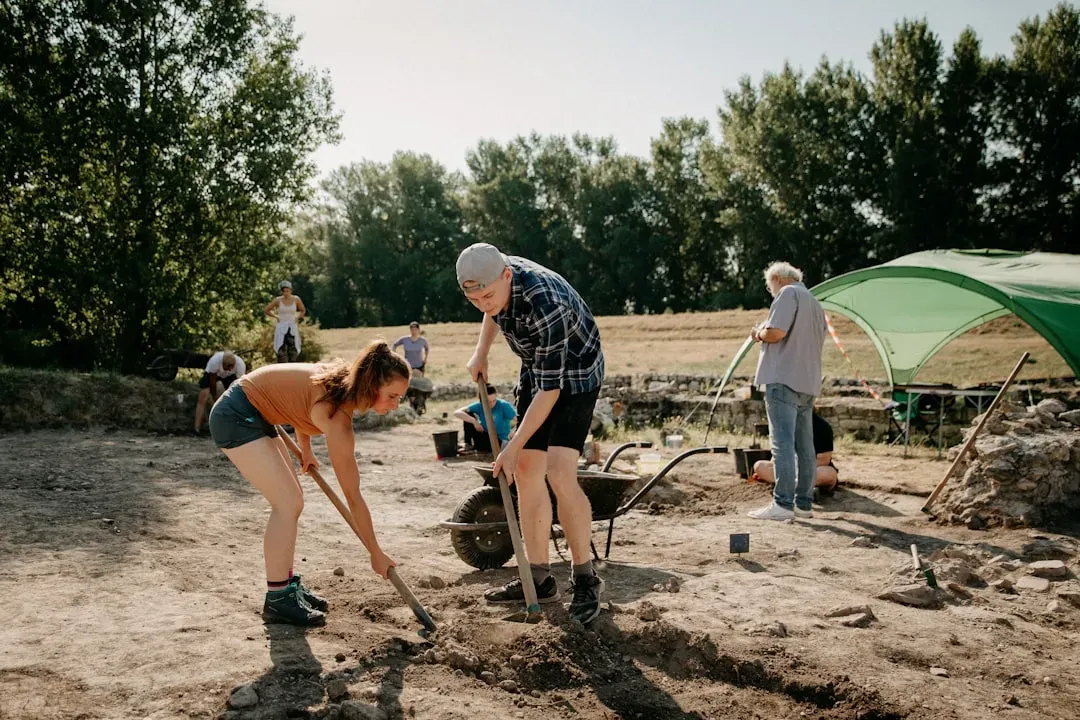
If you have ever felt like you do not quite fit into mainstream culture, you already know how powerful alternative stories can be. For people who feel out of place in their families, workplaces, or communities, their fascination with lost civilizations can double as a quiet identity statement. It says: I care about different things. I am drawn to mystery, depth, and long time scales instead of trends and surface chatter. That alone can be incredibly validating when your immediate social environment does not reflect your values back at you.
Communities built around ancient mysteries – online forums, documentaries, discussion groups – also offer something that many people struggle to find offline: a shared sense of wonder. Joining others who geek out over megaliths, archaeoastronomy, or submerged ruins creates a social bubble where your curiosity is not weird but welcomed. Psychologically, this is about belonging as much as it is about history. The ruins become meeting points, almost like temples for people who feel spiritually or intellectually homeless in their everyday surroundings.
The Thin Line Between Curious Exploration and Escapism
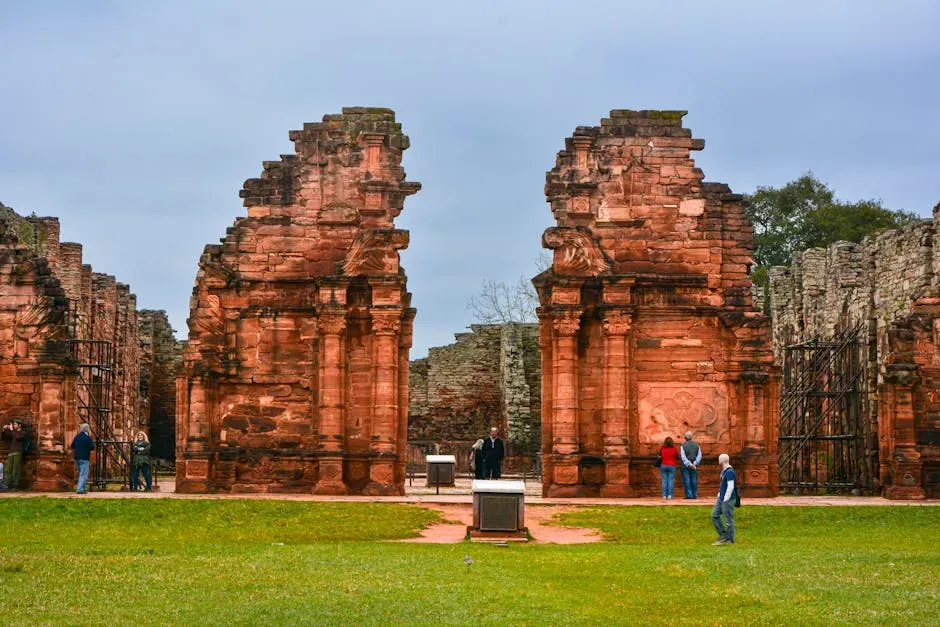
There is a difference between being fascinated by lost civilizations and using them as a full-time escape hatch from reality. On the healthy side, diving into ancient history or speculative archaeology can stimulate critical thinking, creativity, and humility about what we do not yet know. It can be a reminder that human history is vast, that our current way of organizing society is not the only imaginable one, and that we are part of a much longer story than our news feeds suggest. That kind of exploration can actually make people more thoughtful and engaged with the present.
But it can also slide into something more avoidant. If you are using grand theories about forgotten continents or suppressed knowledge to avoid dealing with your job, your relationships, or your own mental health, the fascination becomes a distraction instead of a doorway. I have had moments like that myself – scrolling through endless theories because it felt easier than confronting a hard conversation or a scary decision. The ruin photos and ancient maps were more comforting than my inbox. When you notice that pattern, it is worth asking whether your love of lost worlds is nourishing you or numbing you.
How to Channel the Fascination Into Real Meaning
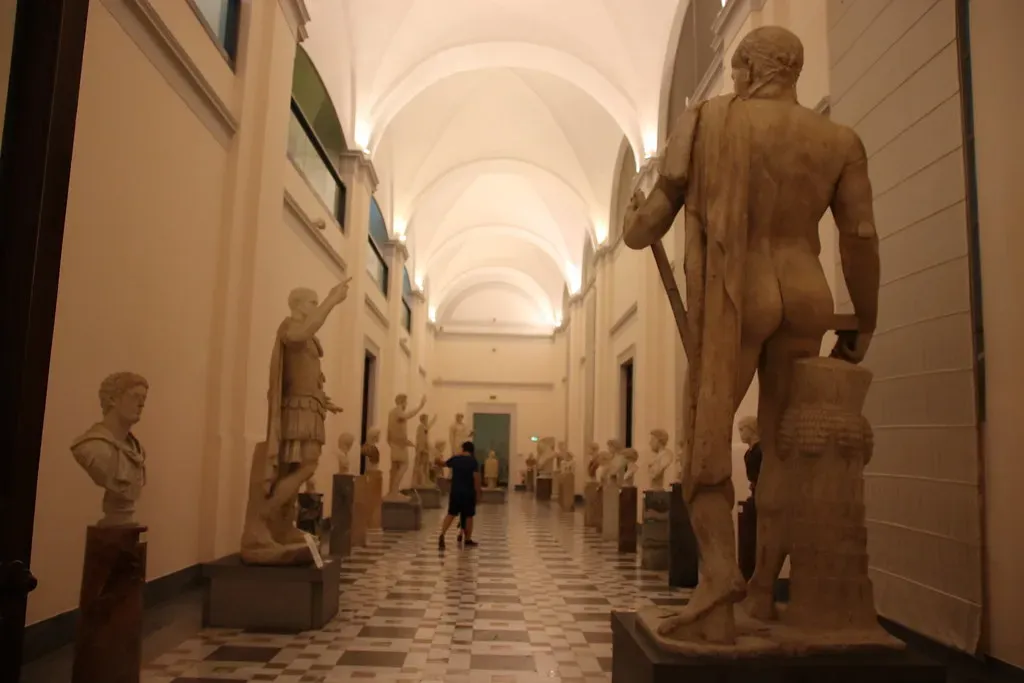
The good news is that this obsession does not have to stay in the realm of fantasy. If what you are really craving is wonder, connection, and purpose, there are ways to bring those qualities into your actual life, not just your browser history. You can visit archaeological sites, volunteer at local museums, or take real courses in ancient history and anthropology, grounding your curiosity in evidence while still honoring the sense of mystery. You can explore philosophies and spiritual traditions that grapple with time, mortality, and meaning, rather than only chasing theories about hidden technologies or cataclysms.
On a more personal level, you can treat your attraction to lost civilizations as a kind of inner compass. Ask yourself what exactly pulls you in: Is it the architecture? The community rituals? The idea of deep knowledge passed down across generations? Those clues can point toward shifts you might want in your own life – maybe a simpler lifestyle, a tighter-knit community, more time in nature, or a more intentional spiritual practice. Instead of only dreaming about ancient cities underwater, you can start quietly rebuilding the missing pieces of meaning in your day-to-day reality.
Conclusion: The Ruins Are a Mirror, Not an Answer
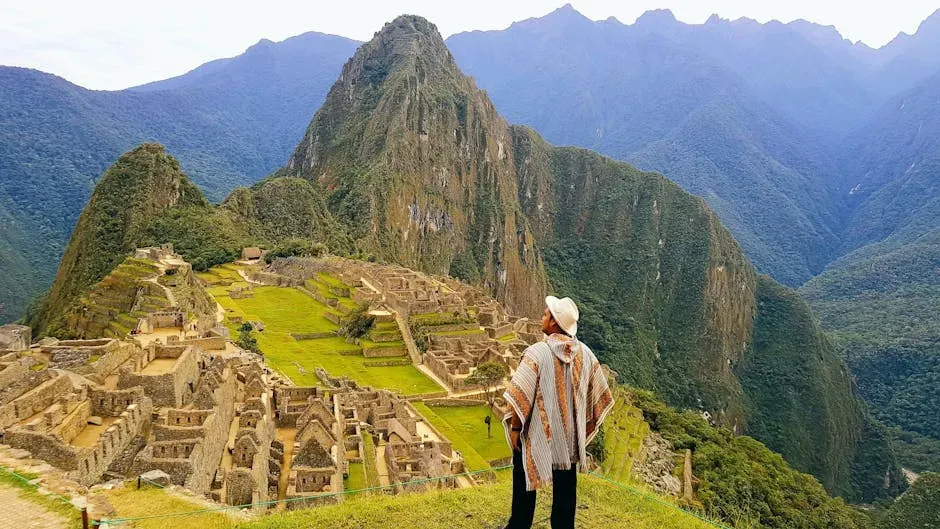
When you strip away the hype, the algorithms, and the dramatic thumbnails, the psychological core of this fascination is surprisingly tender. People who are obsessed with lost civilizations are often not just chasing secrets; they are searching for a feeling – of belonging to a grand story, of living in a world that honors mystery and wisdom, of knowing that human life can be deeper than paychecks and push notifications. The ruins, myths, and speculative maps give shape to a hunger that modern culture frequently ignores or even mocks. In that sense, the pull toward vanished worlds says as much about our current society as it does about the ancient past.
My own opinion is that we should take that hunger seriously rather than brushing it off as gullibility or escapism. The interest in lost civilizations is a signal flare from the psyche, pointing to something missing in how we live now. We do not need perfect evidence for every legend to honor the emotional truth behind the curiosity. The real challenge is to stop leaving meaning in the past – imagined in golden ages and drowned cities – and start building it, awkwardly and imperfectly, in the present. If you feel drawn to those forgotten worlds, maybe the most radical move is to ask: what kind of civilization am I helping create right here, before it, too, becomes a ruin?