Every few months, dinosaurs go viral again: new extinction theories, fresh simulations of the asteroid impact, debates about whether it was really a single catastrophic event or a slow-motion collapse of an entire world. On the surface, it sounds like pure science enthusiasm or childhood nostalgia. But when someone cannot stop talking about dinosaur extinction, always cycling back to sudden meteor strikes and apocalyptic skies, there is usually something more personal underneath. Extinction stories scratch an itch that has less to do with fossils and far more to do with our fears about how quickly life can change.
Psychologists have long known that people use big, dramatic stories to make sense of their own emotional lives. The end of the dinosaurs is the ultimate sudden-loss narrative: one moment you are the dominant species on the planet, the next you are gone. For many people, that story quietly mirrors their own anxieties about abrupt breakups, deaths, layoffs, accidents, or global crises. Thinking about a long-ago catastrophe can feel safer than thinking about the fragile parts of your own life, but emotionally the themes are almost the same.
The Hidden Parallel: Dinosaurs Vanished Overnight, And So Could Everything You Love
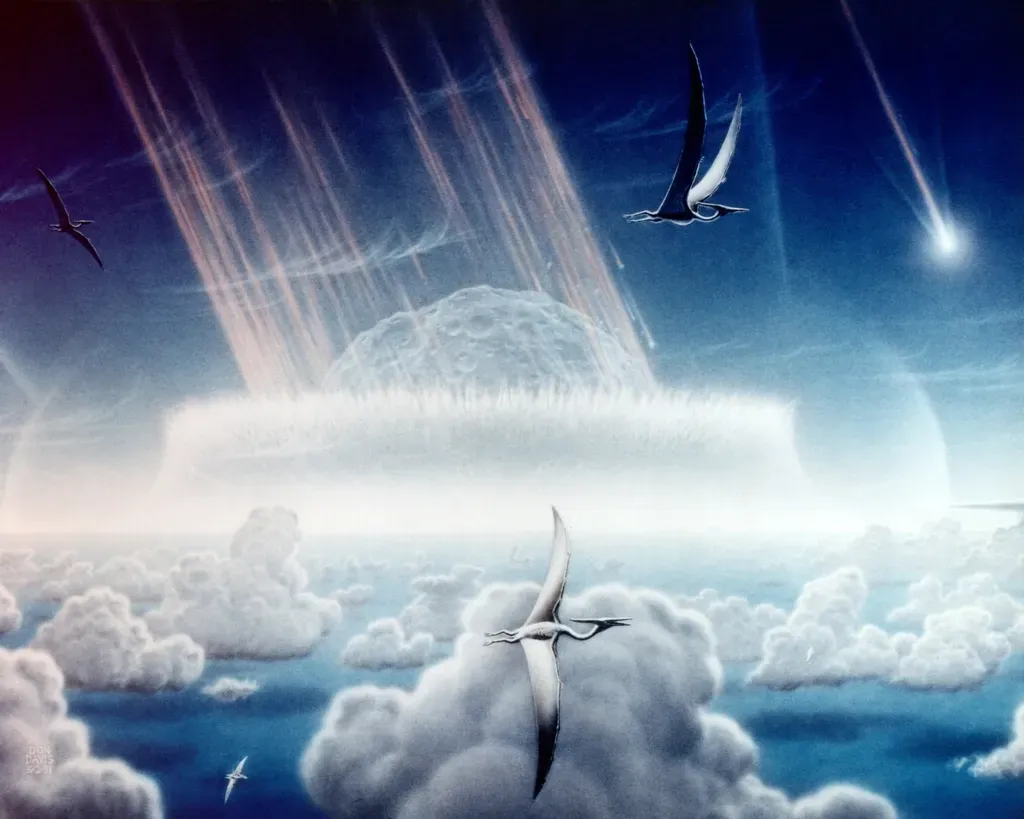
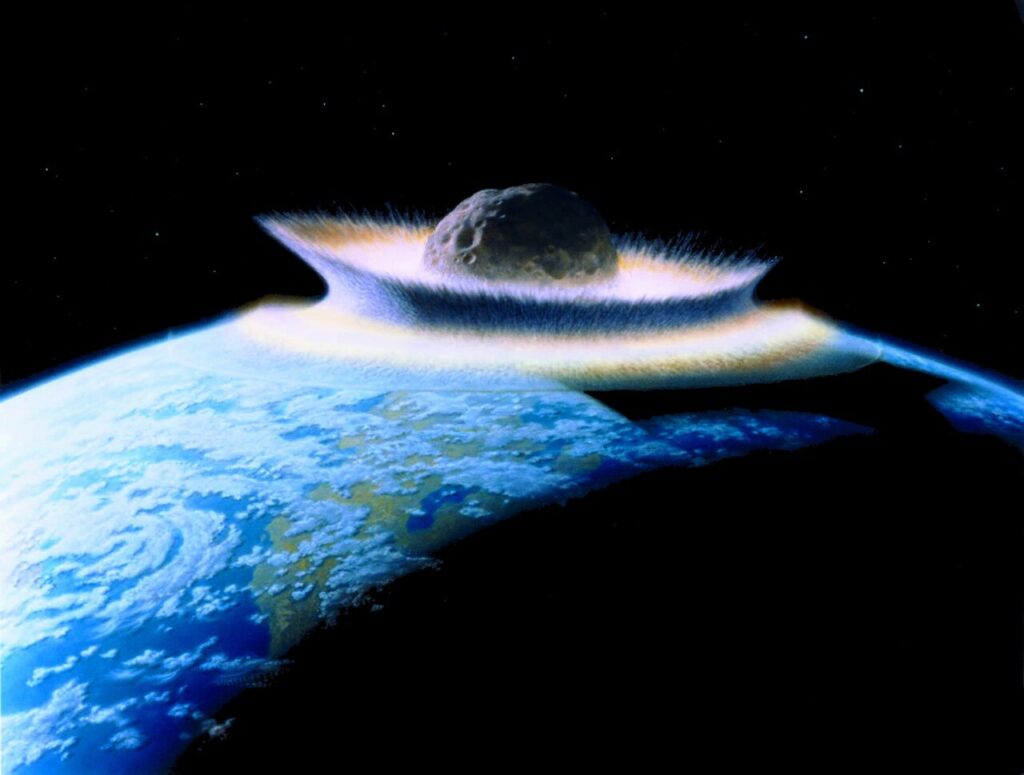
It is shocking when you really sit with the core of the dinosaur extinction story: an entire world wiped out in what, geologically speaking, was an instant. For someone already haunted by the thought that a single phone call, diagnosis, or accident could change everything, that narrative can feel strangely familiar. Obsessing over how a giant asteroid hit, what the sky looked like, or how fast species died out is one step removed from obsessing over how your own life could be upended without warning.
Psychologically, this is called symbolic substitution: the mind fixates on a distant, abstract catastrophe because it is safer than facing a personal one. Instead of thinking, “My partner could leave me tomorrow,” it is easier to think, “Could dinosaurs have survived if the asteroid had been a little smaller?” The emotional charge is similar, but the distance in time and scale makes it manageable. In that way, dinosaur extinction becomes a dramatic, cosmic metaphor for very ordinary human fears about sudden loss.
Control Through Curiosity: If I Can Explain the Asteroid, Maybe I Can Prevent My Own Disasters
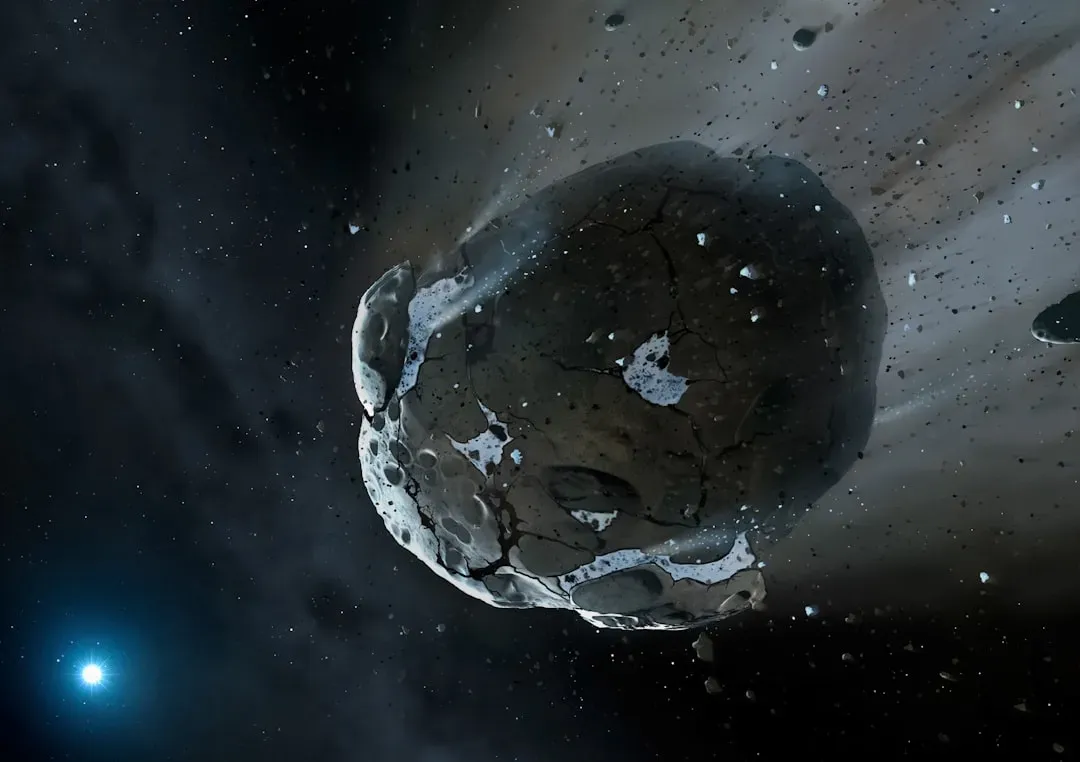
People who dive deeply into extinction scenarios often are not just curious; they are trying to gain a sense of control over chaos. When you read every paper on volcanic activity, climate shifts, or asteroid trajectories, what you are really doing is asking a desperate question: “How did this happen, and could it have been stopped?” That question sits at the heart of many private regrets and fears in everyday life, from a relationship that fell apart to a job that disappeared overnight.
Psychologists describe this as an illusion of control: the belief that if you can fully understand a disaster, you could have prevented it or might prevent the next one. Extinction theories provide an endless puzzle that feels solvable, even if the event itself is long past. In contrast, the randomness of a loved one’s sudden death or a shocking breakup feels maddeningly unanswerable. Pouring that anxious energy into dinosaurs lets people feel like serious investigators instead of helpless victims. It is not that they love fossils more than everyone else; it is that the fossil story gives their fear of sudden loss a structured place to live.
Safe Distance Trauma: A Catastrophe You Can Feel Without Being Destroyed By It
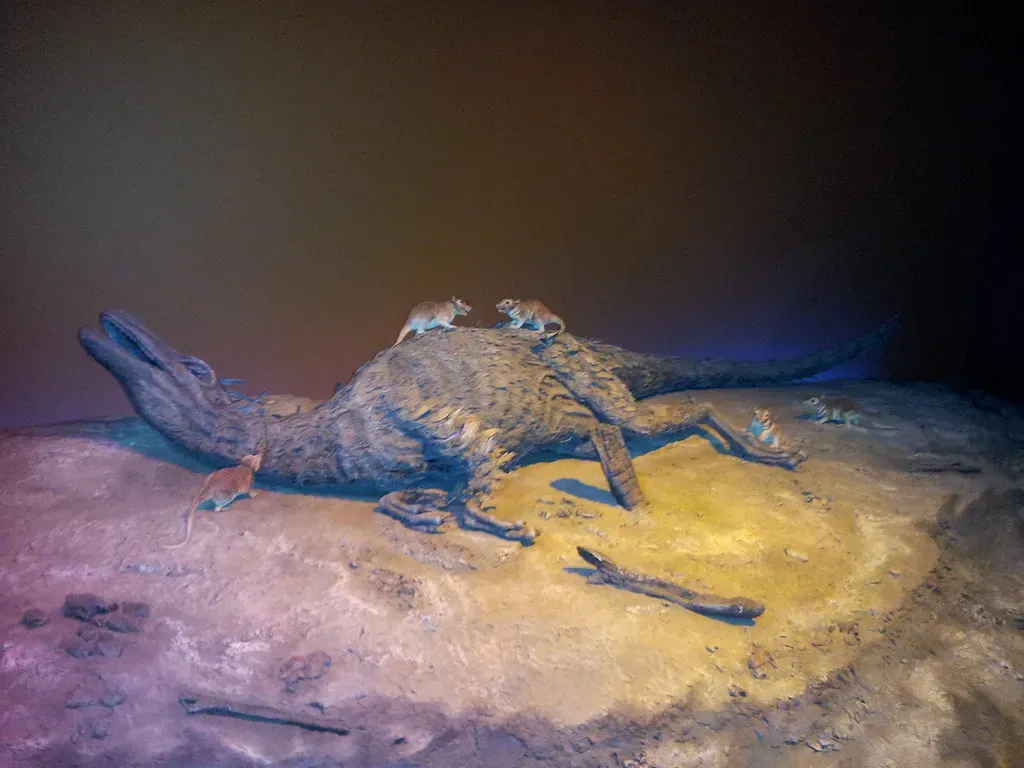
The end of the dinosaurs is terrifying, but it is also safely far away. Many psychologists see this as a classic example of vicarious exposure: engaging with a frightening theme at a distance that feels emotionally survivable. If you grew up with sudden loss – maybe a parent died young, or your family life fell apart without warning – stories of abrupt extinction can resonate deeply without ever naming your own pain. You can feel the fear without having to say, “This reminds me of when everything in my life collapsed.”
There is also a kind of emotional rehearsal happening. By imagining sudden darkness, global fires, and collapsing ecosystems, you are essentially running drills for your nervous system: “What would it be like if my world ended?” That rehearsal can be oddly soothing, because the actual event you are rehearsing already happened to someone else – millions of years ago. It is like watching a disaster movie whose ending you already know; it lets you nibble at terror without having to swallow the full, personal version of it.
Childhood Obsessions: Dinosaurs, Divorce, Death, And The First Shock That Nothing Is Permanent
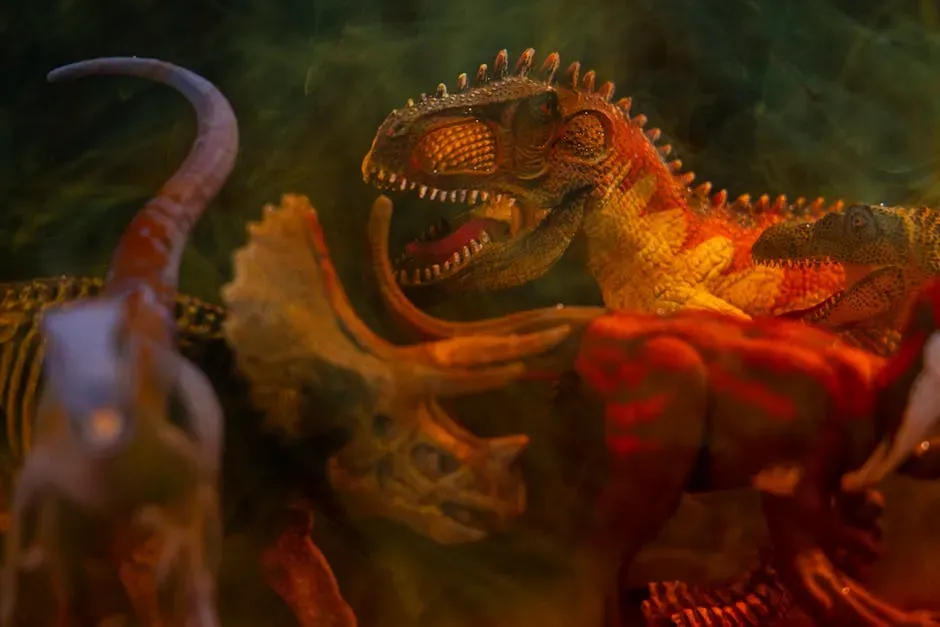
Many people who stay fascinated by dinosaurs into adulthood will tell you they started young. Dinosaurs are often a child’s first serious encounter with the idea that entire species can simply stop existing. Around the same age, kids are often hit with their first personal losses: a grandparent dies, parents separate, a best friend moves away. The extinction of dinosaurs becomes one of the earliest, clearest symbols of a brutal fact: nothing is guaranteed to stay.
For some children, especially those who go through sudden upheaval, dinosaurs become a stable obsession in an unstable world. You can memorize species names, timelines, and extinction theories; the rules of that universe do not change on you overnight the way your home life might. When those kids grow up, the intensity of the interest may soften, but the emotional wiring remains. Returning again and again to dinosaur extinction theories can be a way of returning to that first big question from childhood: how can something so big and powerful just be gone?
Anxious Brains Love Catastrophes: Why Doom Feels Weirdly Comforting
Anxiety has a strange relationship with worst-case scenarios. For many anxious people, imagining total catastrophe can feel almost relaxing compared to living in constant uncertainty. Dinosaur extinction is the ultimate doom scenario: it is final, absolute, and already resolved. There is no “what if” left; the asteroid hit, ecosystems collapsed, and that chapter of life on Earth ended. For someone whose mind constantly scans for danger, that completeness can feel like a relief.
There is also a known psychological pattern where anxious minds latch onto big external threats as a way of avoiding more intimate fears. It is easier to ruminate about global extinction, climate collapse, or cosmic impacts than to sit with questions like, “Am I lovable?” or “What if I lose the people closest to me?” Dinosaurs give that doom energy a giant, cinematic target. The mind gets to indulge its love of catastrophe while sidestepping the rawer, more vulnerable fear of personal loss.
Identity And Status: Being The “Extinction Expert” As Emotional Armor
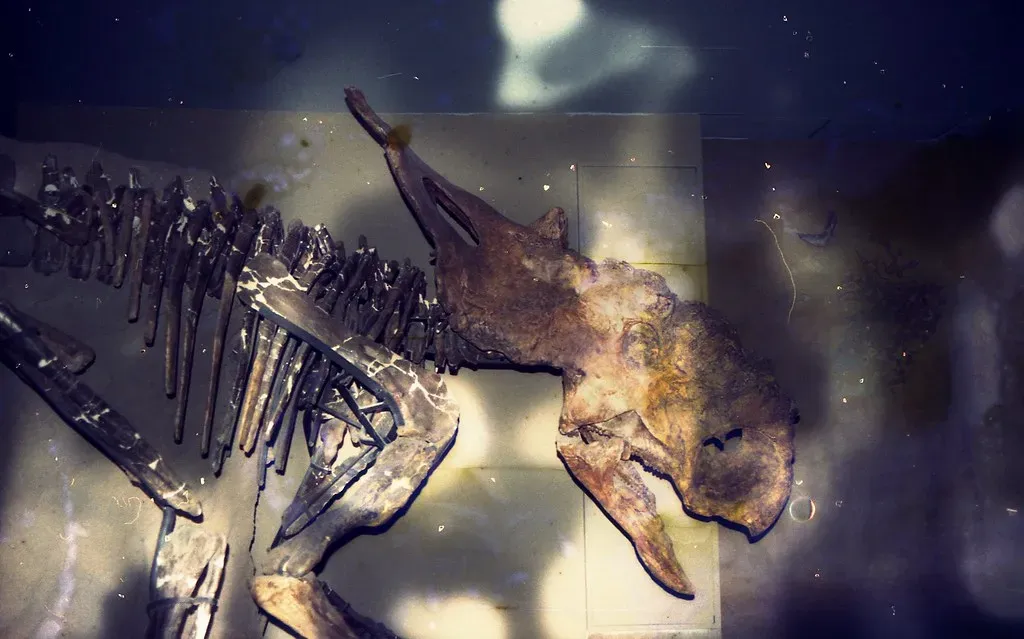
For some people, becoming the go-to “dinosaur extinction person” in their social circle is part of how they build identity and protect themselves emotionally. Being known as the one who knows every theory, every time period, every controversial detail creates a shell of competence and authority. Underneath that shell, there may be someone who feels very small and powerless in the face of sudden changes in their own life. Knowledge becomes a kind of armor: as long as you are the expert, you are less likely to feel like the victim.
This dynamic shows up in many niche obsessions, but dinosaur extinction has a special flavor because it is directly about ultimate powerlessness. No species, no matter how massive or dominant, could stop what happened. By mastering the narrative – arguing about impact angles, volcanic triggers, or cascading food-chain failures – people can symbolically rewrite their role. Instead of identifying with the helpless dinosaurs, they identify with the analyst, the observer, the one standing outside the disaster. It is a clever emotional move: you turn your fear of being wiped out into a performance of being the one who understands why others were.
From Cosmic Extinctions To Personal Goodbyes: Turning Obsession Into Insight
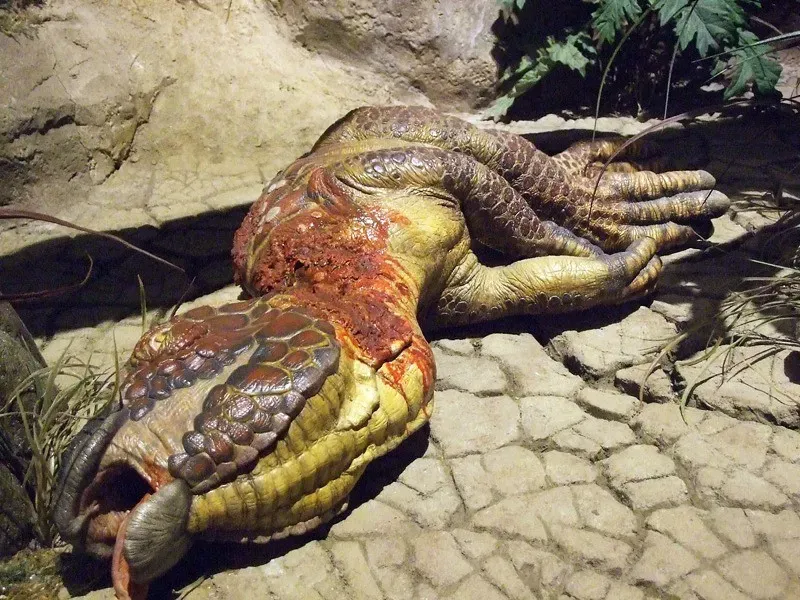
None of this means that everyone who loves dinosaur extinction theories is secretly traumatized or broken; plenty of people are just genuinely curious about Earth’s history. But when the fascination tilts toward obsession, especially with the suddenness and brutality of the extinction event, it is worth asking what personal story is being replayed under the surface. In my experience, the people most magnetized by these theories often carry their own histories of abrupt endings: relationships that collapsed without warning, losses that never fully made sense, or childhoods that changed overnight.
The good news is that this kind of obsession can actually become a doorway to self-understanding. If you catch yourself going down yet another rabbit hole about how fast the dinosaurs died or how close they came to surviving, you can gently turn that same curiosity inward. What sudden losses in your own life still feel unexplained? Where are you still trying to believe that if you just understood the impact better, you could have changed the outcome? When you start asking those questions, the extinction story stops being just a distant tragedy and becomes a mirror – and that can be uncomfortable, but also deeply healing.
Conclusion: The Asteroid Wasn’t About You, But Your Obsession Probably Is
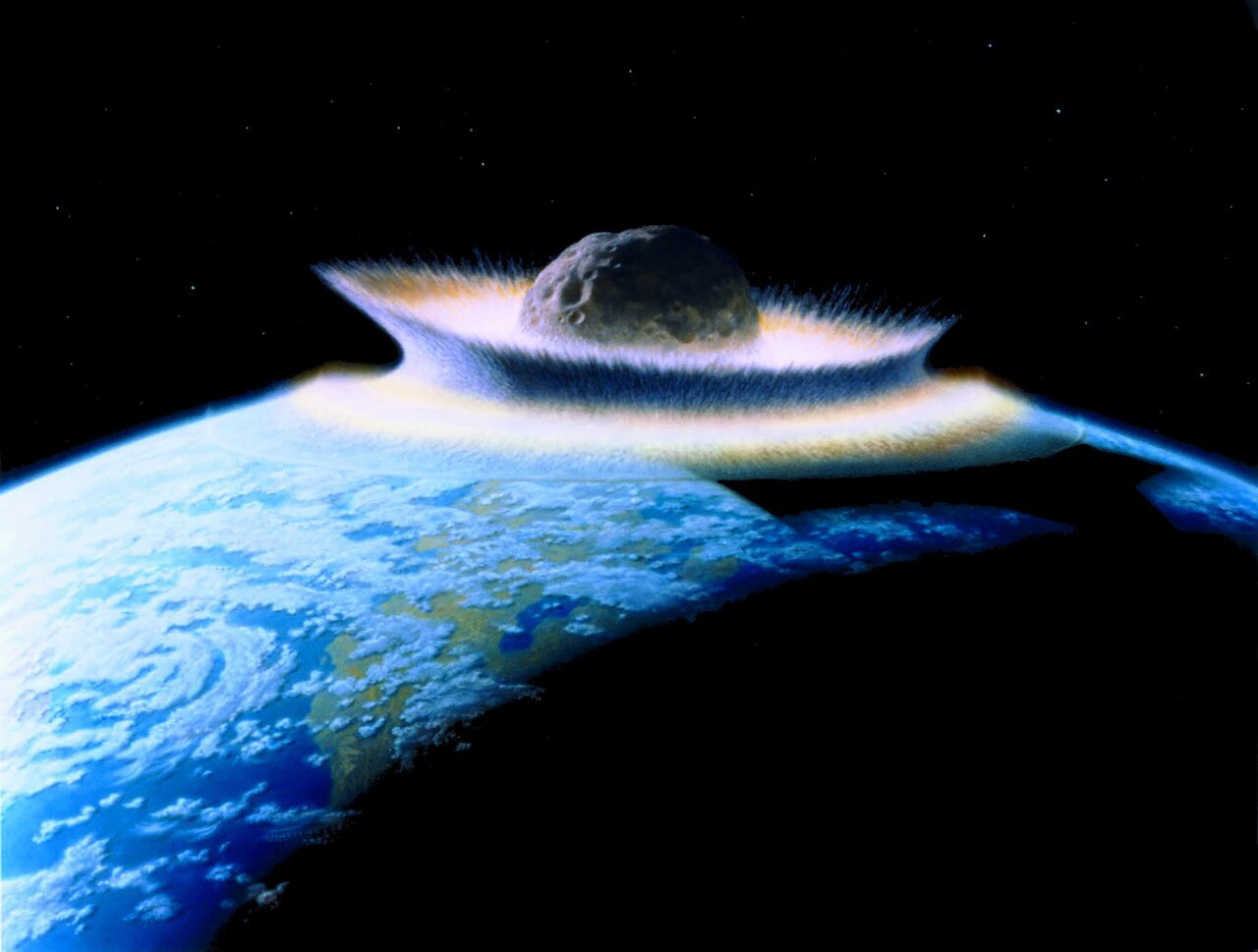
Psychology does not claim that the asteroid that ended the dinosaurs somehow reflects individual human drama; rocks in space are not personal. But the way we latch onto that story absolutely is. An intense focus on dinosaur extinction is often a clever, unconscious attempt to grapple with our own terror of sudden loss, using a safe, distant, scientifically respectable canvas. It is a way to ask, “How could everything vanish so quickly?” without having to admit that what you really mean is, “How could everything in my life vanish so quickly?”
In my view, the obsession becomes a problem only when it stays purely outward, endlessly circling the crater while avoiding the inner earthquakes that made the crater feel relevant in the first place. The more honest move is to let the fascination point you back to your own story: the break you never processed, the death you rushed past, the job or identity that disappeared overnight. The dinosaurs cannot come back, but your emotional life can still evolve. The real question is not whether they could have survived their asteroid, but whether you are willing to face your own – and grow from it. When you think about extinction, are you really just trying to understand how you survived your own sudden endings?