Imagine you vanish from the world tomorrow. Your body is gone, your accounts are closed, the group chats move on. How long until no one speaks your name? That tiny shiver that runs through you when you picture that moment is not just drama or ego; it is one of the oldest emotional reflexes the human brain has ever carried. Long before cities, writing, or even organized religion, our ancestors survived by not being forgotten by their group.
In a way, this fear is the psychological version of an ancient alarm bell. It warns us: if you fade from people’s minds, you could lose safety, support, and meaning. Today it might look like obsessing over likes, worrying your friends will move on, or quietly wondering whether your life will leave any trace at all. Underneath all the sleek modern packaging, though, we are still wrestling with a primal, pre-civilization question: will anyone remember that I was here?
The Ancient Survival Logic Behind Being Remembered
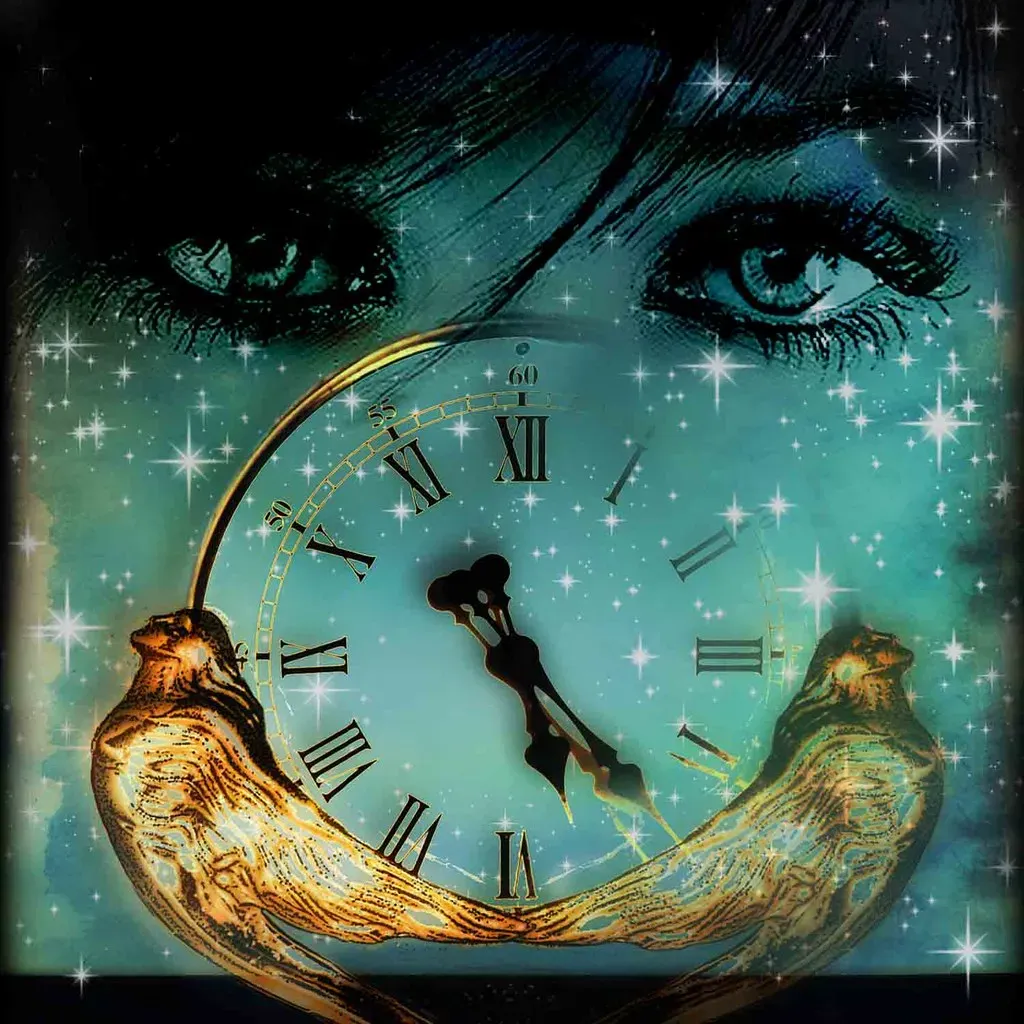
Long before civilization, being remembered was not about legacy; it was about staying alive. In small hunter‑gatherer bands, your survival depended on whether others thought of you when they shared food, warned of danger, or decided who to help in a crisis. If you slipped out of people’s awareness, you slipped out of protection. The brain, shaped by thousands of generations in that environment, learned to treat social invisibility as a genuine threat.
This is why being ignored or excluded can feel almost physically painful. The same neural systems that process bodily pain are activated when we experience social rejection. The mind is not being dramatic; it is interpreting social disconnection as a survival risk. When we worry about being forgotten, we are tapping into that old survival script that whispers: if they stop thinking about you, they may stop caring whether you live or die.
Why Social Pain Hurts Like a Bruise

Modern brain imaging studies show that social rejection lights up some of the same brain areas involved in physical pain, especially regions that track the emotional unpleasantness of hurt. In plain language, your brain treats a cold shoulder a bit like a punch in the arm. It is less about the details of what happened and more about a global signal that says: something vital to your safety is at risk. That overlap helps explain why even small slights – being left out of plans or not getting a reply – can feel wildly disproportionate.
The fear of being forgotten is like a slow‑burn version of that same mechanism. Instead of a sharp jab of rejection, it is a lingering dread of eventual erasure. If social pain is a bruise, the fear of being forgotten is a phantom ache that makes you scan for proof you still matter: texts, views, invitations, mentions. When those signs are missing, the brain can spin stories of abandonment, even in perfectly stable relationships, because the ancient threat system prioritizes false alarms over missed dangers.
From Campfires to Feeds: How the Fear Evolved

In prehistoric times, reputation was carried in stories told around fires and in daily behavior that everyone could see. Remembering someone meant recalling who had helped, who had cheated, who could be trusted. That memory was a shared survival database. When agriculture and early cities emerged, memory took on new forms: myths, lineages, ancestor worship. Being remembered started to stretch beyond one lifetime, turning into a kind of psychological immortality for leaders, warriors, and storytellers.
Today, the same ancient concern has migrated into digital spaces. Our “campfires” are timelines, group chats, and recommendation feeds. Instead of hoping your name is spoken in a village, you hope your posts do not sink into silence. The underlying fear, however, has barely changed: if I am not showing up in others’ minds or on their screens, do I still count? Technology has turned an old survival question into a constant, ambient background noise.
Civilization, Status, and the Anxiety of Legacy

Once large, complex societies formed, being remembered became tightly tied to status. Monuments, epic poems, dynasties, and records were reserved for the powerful, while ordinary lives vanished without a trace. That imbalance helped cement a brutal cultural equation: more status means more memory, more memory means more importance. Even if we never think about royal tombs or marble statues, the idea that a “worthy” life is one that gets remembered has sunk deep into our shared psychology.
This is where fear of being forgotten can quietly mutate into a pressure to achieve something grand or visibly impressive. You might compare your life not just to people around you, but to the highlight reels of celebrities, founders, activists, or influencers whose names will likely outlast their bodies. The message is subtle but relentless: if you do not leave some capital‑L Legacy, did your life really matter? It is an unfair standard, but it grows directly out of how civilizations have historically rewarded and recorded only a tiny slice of human lives.
The Personal Side: Attachment, Abandonment, and “Do I Matter?”
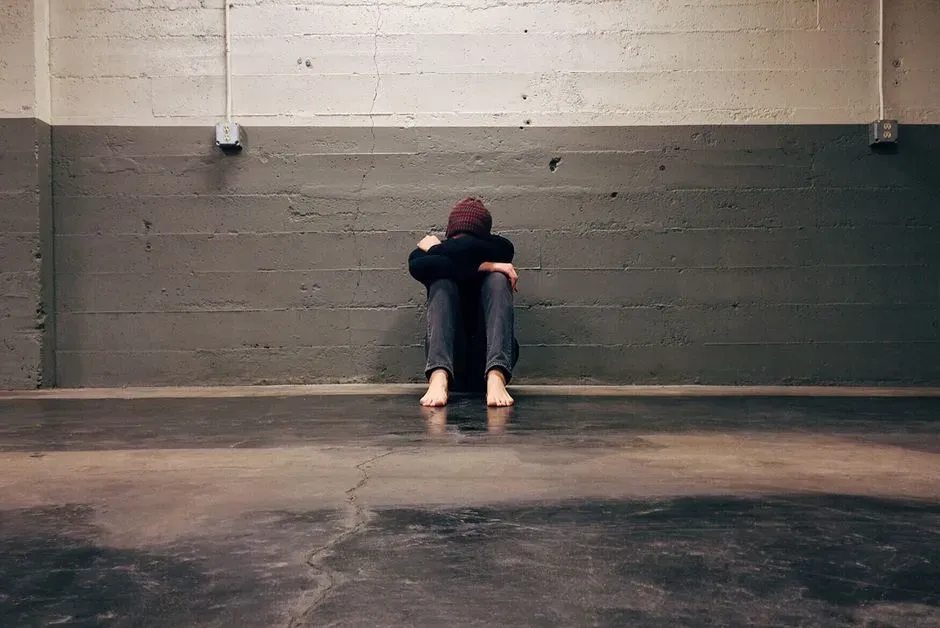
On the individual level, the fear of being forgotten often grows from deep patterns of attachment. People who grew up with unreliable caregiving or sudden emotional disappearances can carry a burning expectation that others will eventually stop caring. For them, silence is not just silence; it is confirmation that they were never truly important. That history can make every unanswered message or drifting friendship feel like another chapter in a lifelong story of being dropped.
Even without major childhood wounds, almost everyone knows the sting of feeling replaceable. A friendship that fades after someone changes cities, a relationship that moves on quickly, a workplace that forgets your contributions as soon as you leave – these experiences reinforce the suspicion that we are only conditionally held in mind. Over time, that suspicion can turn into either desperate people‑pleasing to stay relevant or preemptive withdrawal to avoid the pain of eventual erasure.
Digital Immortality or Just Louder Forgetting?

At first glance, the modern internet seems to promise that nothing is ever forgotten. Old posts, photos, and messages linger on servers long after we have changed jobs or moved on. That can feel like a kind of digital immortality, where our younger selves are always accessible. But algorithms do not care about us as people; they care about engagement. Content that is not clicked, shared, or commented on effectively disappears, even if it technically still exists somewhere.
This creates a strange new twist on the ancient fear. It is not enough that our traces exist; we want them to be seen and resurfaced. A profile that no one visits might as well be a grave with no visitors. The result is a heightened pressure to stay visible, current, and interesting, to continually feed the machine so it keeps putting us in front of other people’s eyes. When visibility feels like existence, the prospect of digital obscurity can feel almost as disturbing as death itself.
How Culture Exploits the Fear of Being Forgotten

Modern culture is ruthless at turning this primal fear into profit and control. Marketing often leans on the idea that you need certain products, experiences, or brands to stand out and be remembered. Entire industries are built on “personal branding,” promising that if you just optimize your image, you will leave an unforgettable mark. Underneath the polished language lies the same old threat: if you do not constantly cultivate your relevance, you will fade into the background.
Even social norms can weaponize this fear. In some contexts, people are shamed for living quiet, ordinary lives, as if simplicity were a kind of failure. We celebrate the viral, the groundbreaking, the endlessly documented, and rarely honor the unrecorded acts of kindness, loyalty, and care that actually hold communities together. In that atmosphere, the fear of being forgotten is not just a private anxiety; it is a pressure point that systems push to keep us striving, comparing, and consuming.
Making Peace With Being Forgotten: A Different Kind of Freedom
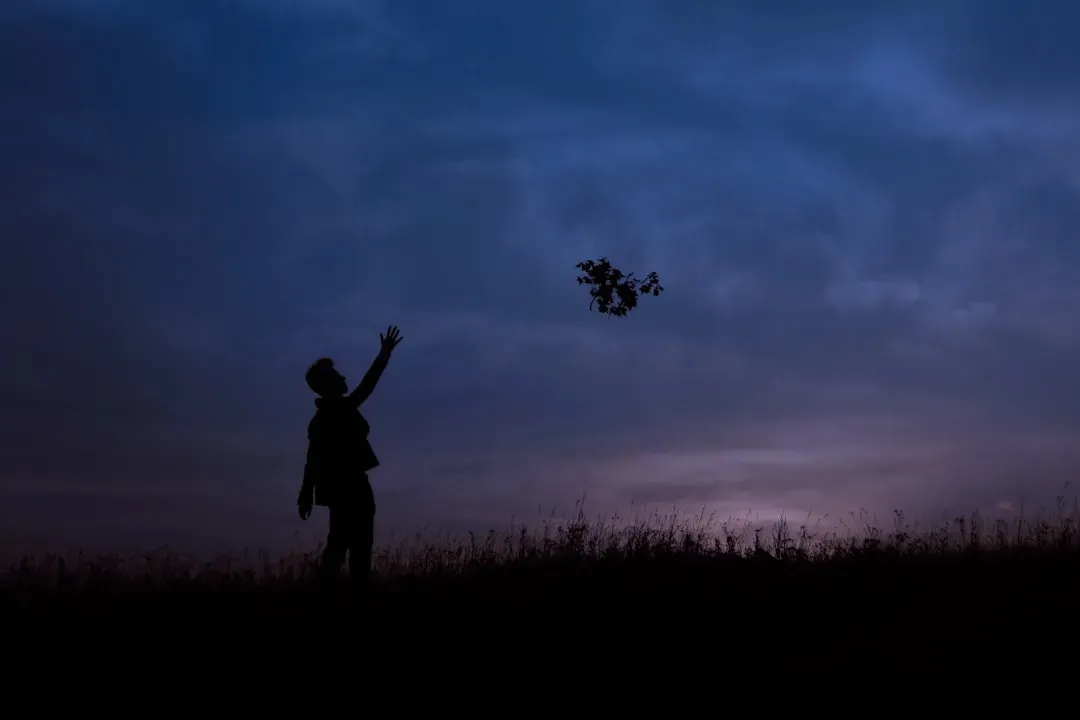
Here is the uncomfortable but liberating truth: almost everyone will eventually be forgotten in the grand sweep of history. Even most famous figures slowly blur over centuries. At first, that fact can feel crushing, as if it wipes out the meaning of what we do. But there is another way to see it. If universal forgetting is the default, then the value of your life does not need to rest on whether it echoes for centuries. It can rest on whether you lived in alignment with what mattered to you and the people you actually touched.
When we loosen our grip on being remembered forever, a different kind of calm becomes possible. You can still care deeply about leaving things better than you found them – raising a child well, showing up for friends, doing honest work, creating something beautiful – even if your name never appears in a single history book or trending topic. The traces you leave in nervous systems, in local communities, in the quiet relief someone feels because you were there, are real even if no monument records them. The irony is that accepting eventual obscurity can make the present feel more vivid and significant, not less.
Conclusion: You Were Never Just a Name to Begin With

Our fear of being forgotten is not a character flaw or a modern vanity; it is an ancient survival instinct that has been reshaped by civilization and supercharged by technology. Left unchecked, it can push us into exhaustion, comparison, and a restless search for proof that we matter. But if we see it clearly for what it is – a very old alarm ringing in a very new world – we gain room to decide how much power we want to give it. We do not have to let algorithms, status games, or distant future strangers define the worth of our lives.
Personally, I think the most radical stance you can take is to live as if depth matters more than duration, and impact matters more than name recognition. You may never outrun forgetfulness on a cosmic scale, but you can absolutely shape how it feels to be alive right now: more present with the people you love, more honest about what actually fulfills you, less obsessed with leaving a carved‑in‑stone legacy. One day, your name will fade; that much is almost certain. The real question is, while you are still here, whose world will feel different because you were not forgotten by them, even for a moment?