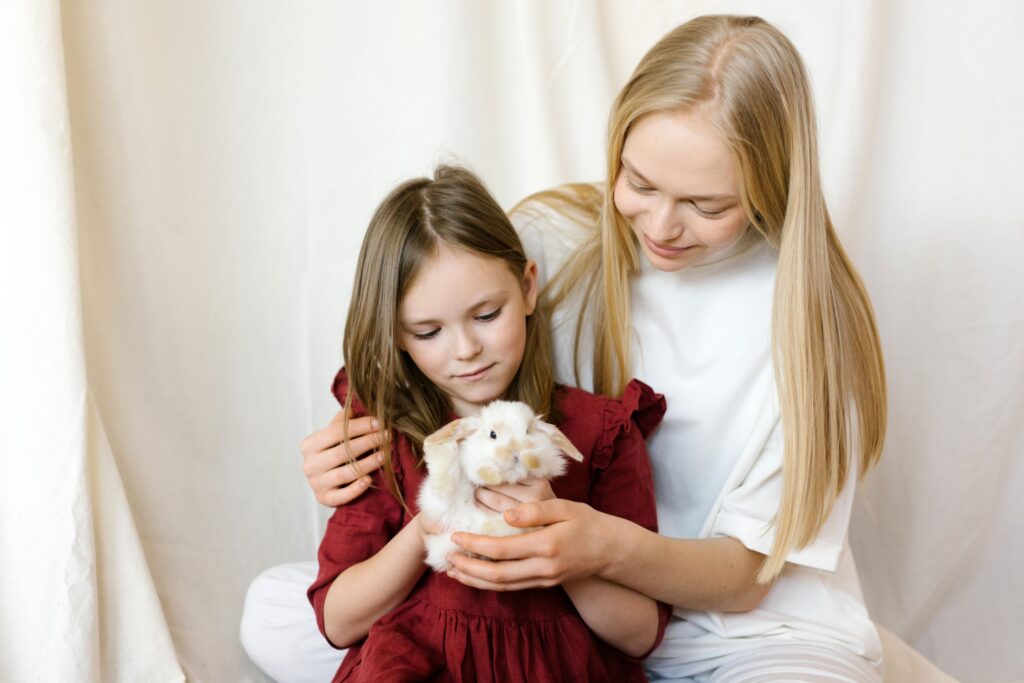
Think about the last time you saw a baby panda tumbling over its own feet or a tiny puppy trying to bark for the first time. Your body probably reacted before your mind did: a little rush of warmth, an involuntary smile, maybe even the urge to scoop it up and keep it safe forever. That reaction feels emotional and spontaneous, but underneath it is a surprisingly old piece of biological machinery that has very little to do with modern culture and almost nothing to do with language.
What makes this so fascinating is that our brains were falling in love with “babiness” long before humans could name it, talk about it, or post it on social media. The pull we feel toward baby animals is not a random quirk or a harmless meme trend; it is a deep, evolved response wired into our neural circuits millions of years ago. Once you see how this system works, it becomes hard not to notice it everywhere – in your Instagram feed, in advertising, even in how you treat your own pets.
The Power of the Baby Schema: Why Big Eyes Hook the Brain
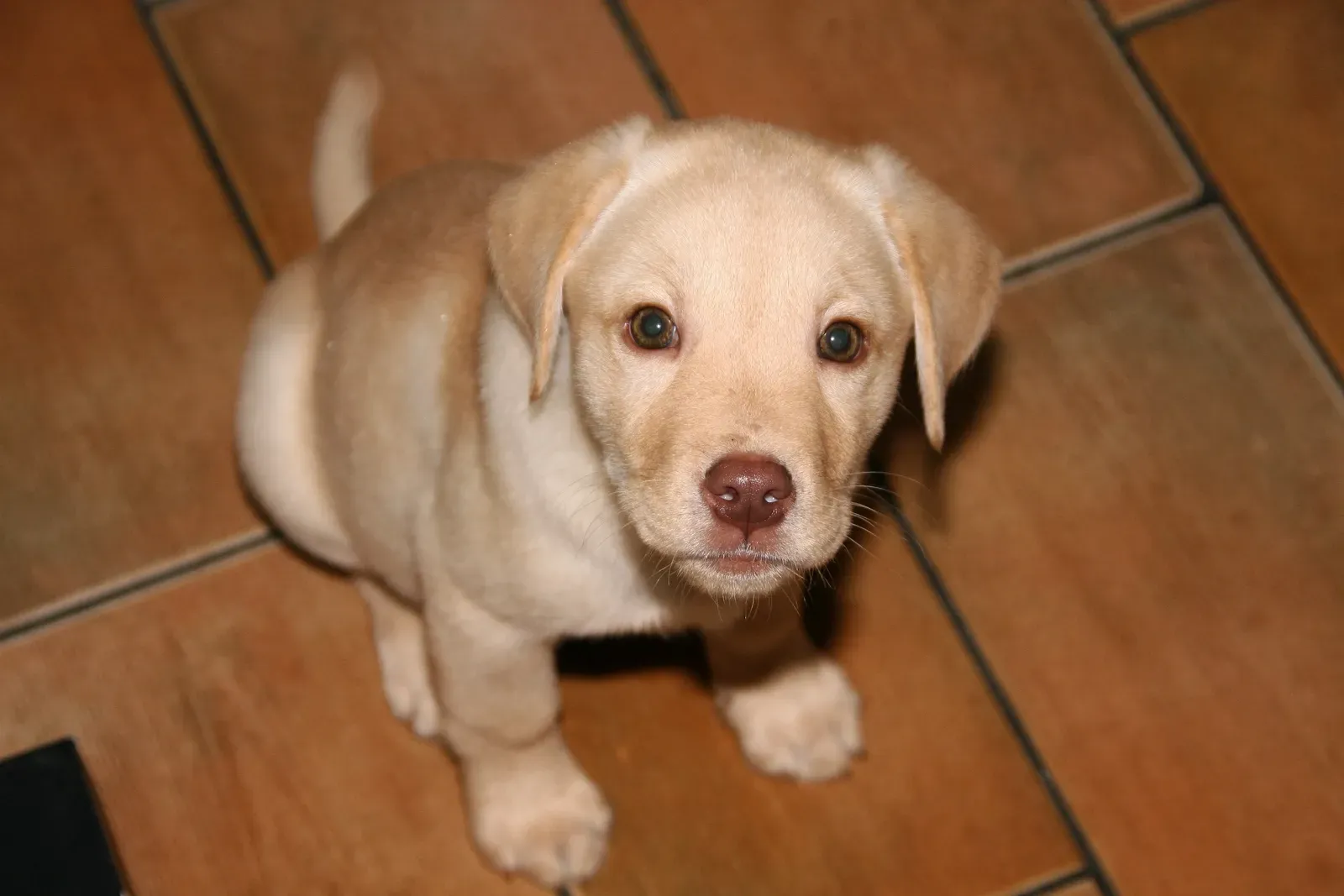
There is a specific look that almost guarantees an “aww” response: big eyes relative to the face, a large forehead, chubby cheeks, and a round, small nose. Scientists often call this constellation of features a “baby schema,” and human brains are unusually sensitive to it. From a very early age, even infants show more interest in faces that look younger and more “baby-like” compared with more mature faces, which hints that this bias is already in place before we can understand what a baby even is.
Baby animals like puppies, kittens, bear cubs, and even some reptile and bird species share elements of this same schema, especially roundness and relatively oversized heads. Our neural systems are tuned less to the species and more to the shape language of vulnerability and youth. The moment we detect it, visual processing areas and emotion-related regions work together to tag the image as salient and emotionally important, which is a scientific way of saying it jumps the mental queue and hijacks your attention.
Evolutionary Roots: Caring Circuits Older Than Words
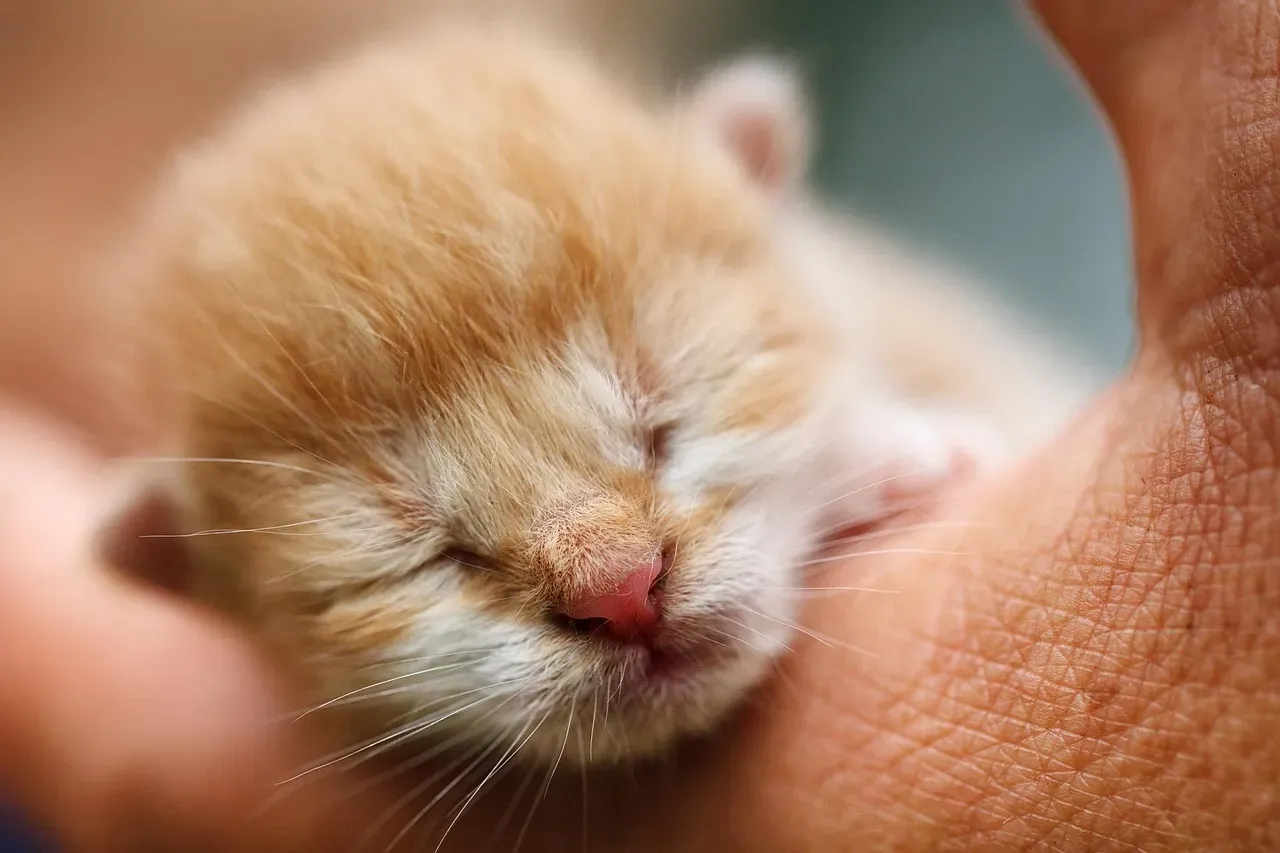
Long before humans began using complex language, mammalian survival depended on a brutally simple fact: adults who responded quickly and intensely to infant cues were more likely to pass on their genes. Deep in the brain, structures like the hypothalamus and brainstem helped drive instinctive caregiving behaviors – approaching, grooming, feeding, protecting – well before any creature could label those actions as “love” or “nurture.” These circuits evolved to respond automatically to the signs of infanthood rather than to conscious decisions.
As social species became more complex, these caregiving networks expanded and started working with emotional and reward systems higher up in the brain. That meant caring for young did not just happen on autopilot; it actually started to feel good. The fact that we can now talk about cuteness and share it in words is basically a later add-on layered over a much older, wordless system. Language can decorate, frame, and amplify the feeling, but the original spark comes from neural wiring that predates conversation by an enormous evolutionary distance.
Dopamine, Oxytocin, and the Chemical High of Cuteness
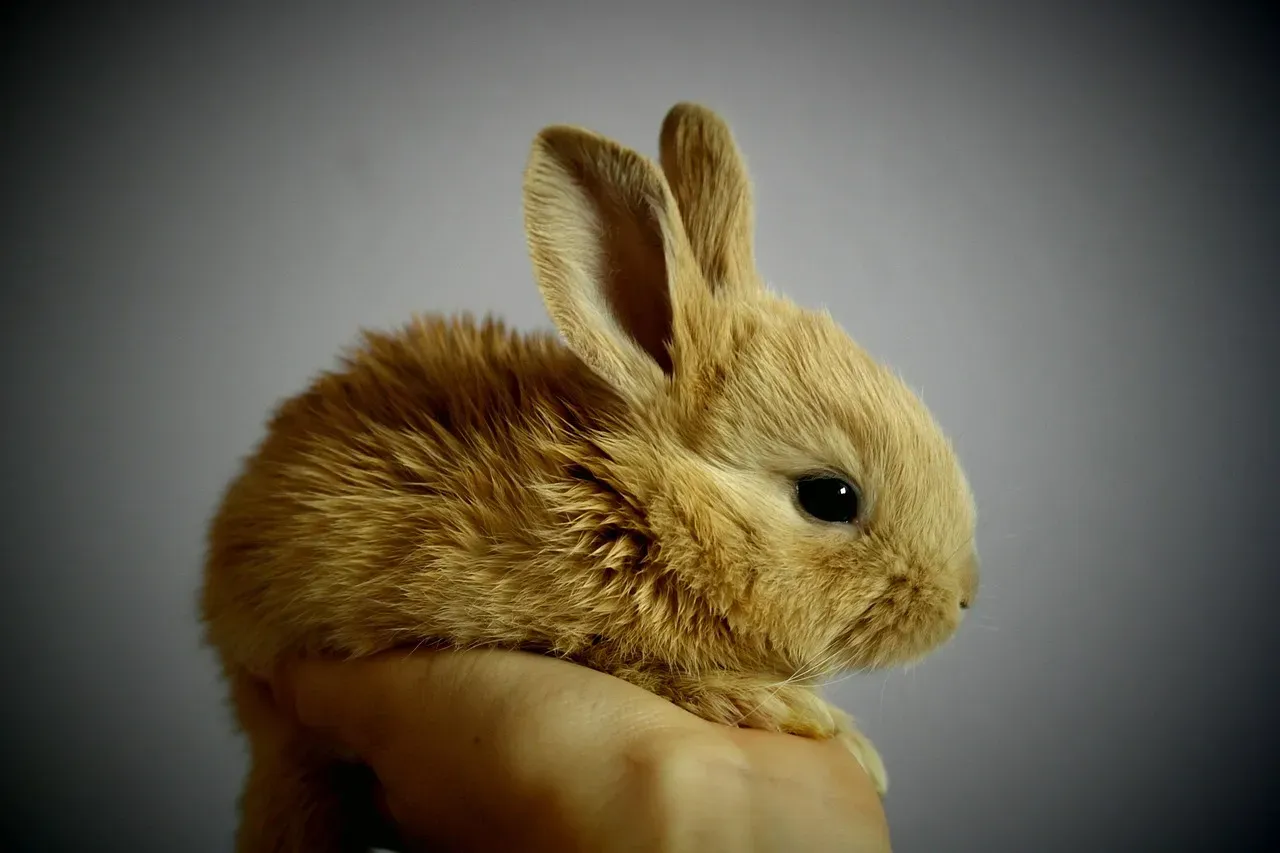
That rush you feel when you see a baby animal is not just “in your head” in a casual sense – it shows up as measurable changes in brain chemistry. Reward-related regions, especially those involved in dopamine signaling, light up when people view images of infants and baby animals, driving feelings of pleasure, interest, and motivation. In parallel, caregiving can trigger oxytocin release, often called a bonding hormone, which helps cement the emotional link between caregiver and young.
What is striking is how fast and automatic these effects can be. In brain-imaging studies, the reward and emotion centers respond to baby-like faces within fractions of a second, long before you can form a careful, rational opinion about what you are seeing. To put it bluntly, your brain is handing you a chemical bribe to keep paying attention, to lean in, and to care. That internal “yes, more of this” signal is a huge reason why baby animal photos spread so quickly and why people often underestimate just how manipulated they can be by something as simple as a round face and oversized eyes.
Cross-Species Spillover: Why We Treat Pets Like Our Kids
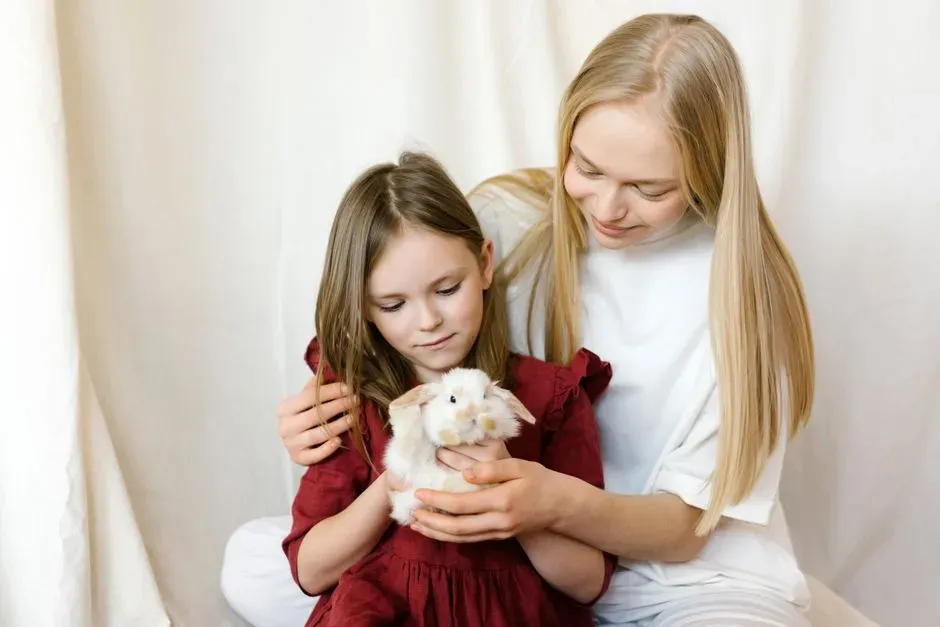
Humans did not evolve to fall for baby pugs specifically, yet here we are, buying them tiny sweaters and celebrating their birthdays. The most plausible explanation is that our ancient caregiving circuits are broad and somewhat overinclusive, reacting strongly to baby-like cues even when they appear in other species. Researchers see similar patterns in how people respond to baby seals or baby primates, even when they are aware that they will never directly care for these animals.
This spillover effect likely made evolutionary sense. In environments where humans and other mammals lived in close proximity, responding kindly and protectively to young creatures could reduce conflict and build a more stable ecosystem around human groups. Today, that old bias has been repurposed into deep emotional bonds with pets. Many people genuinely feel about their cats or dogs the way they feel about children, and neurologically, the overlap is not imaginary; brain scans show similar activation in caregiving and reward regions when people look at beloved pets and when they look at human infants.
Fast-Track Attention: How Baby Animals Hack Our Visual System
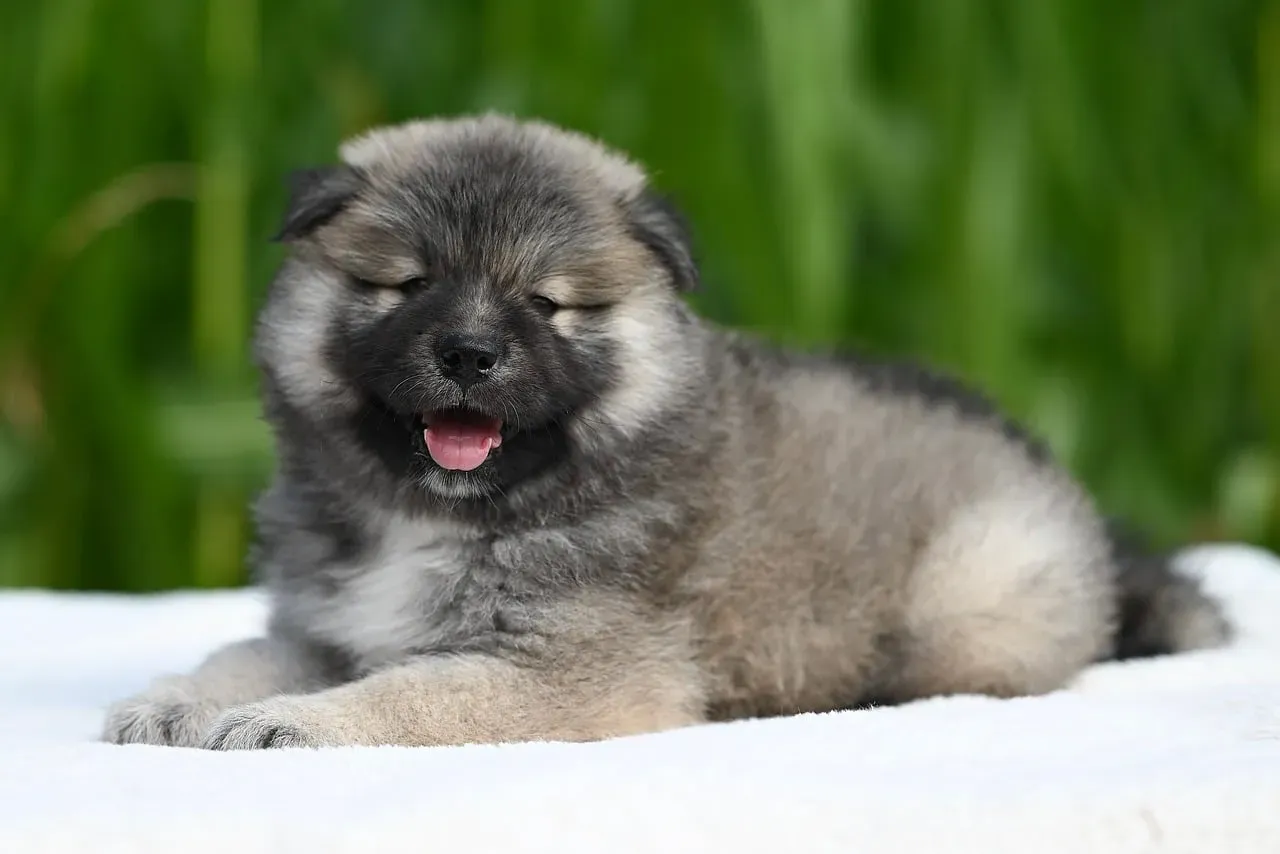
In a world filled with notifications, headlines, and bright colors competing for your attention, it is surprisingly hard to grab your gaze. Baby animals cut through that noise with almost unfair efficiency. The visual cortex and associated networks are tuned to pick out faces and socially relevant signals at incredible speed, and baby-like features ride this highway straight into conscious awareness. That is why a tiny puppy in a crowded photo will often be the first thing you notice.
Once your attention is captured, other systems pile on. Emotional circuits evaluate what you are seeing, and the reward system stamps it with a sense of “this matters” or “this feels nice.” This combination makes baby animals attention magnets in your mental landscape. Marketers and content creators exploit this all the time, slipping baby animals into ads, thumbnails, and social posts because they know their presence buys extra seconds of your focus. On some level that may feel manipulative, but it also reveals how hard it is to override wiring that evolved to make sure we never ignored a vulnerable young creature in our environment.
The Ancient Logic: Vulnerability, Safety, and Protection
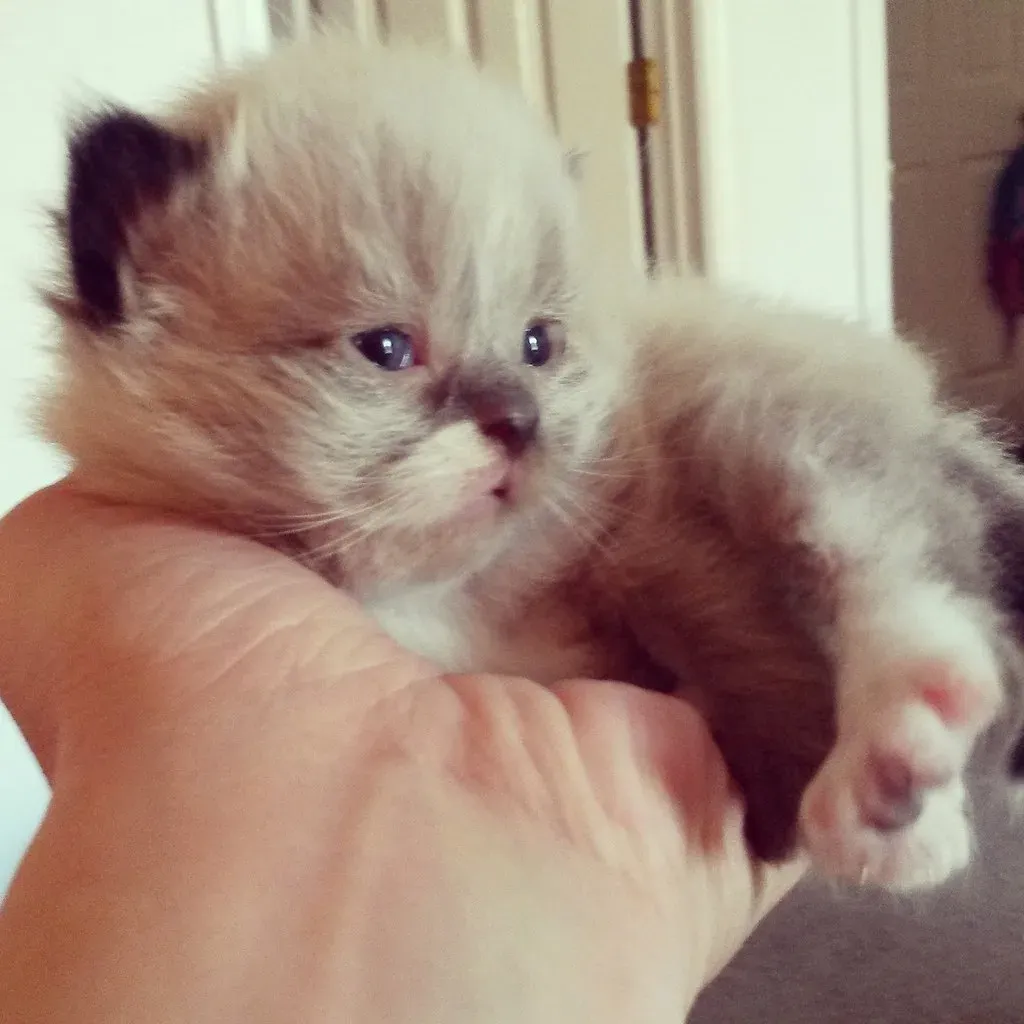
Under the surface, cuteness is not just about aesthetics; it is a survival code. Features like small size, limited coordination, and soft bodies all indicate vulnerability. Our brains interpret these cues as a quiet alarm bell: here is something that cannot protect itself and could easily be harmed. The emotional pull we feel toward baby animals is fundamentally tied to this sense of fragility, even when the animal in question is a species we will never encounter in real life.
That same logic explains why we react so strongly when we see a baby animal in danger or distress. Scenes of an abandoned kitten or a struggling duckling can feel almost unbearable, because they trigger not only empathy but a kind of violated expectation. The brain systems that evolved to push us toward caregiving suddenly confront a situation where help is absent or inadequate. This tension between vulnerability and safety is a key part of why images of baby animals can swing us between joy and heartbreak so quickly.
Language as the Latecomer: Why We Felt “Aww” Before We Had the Word
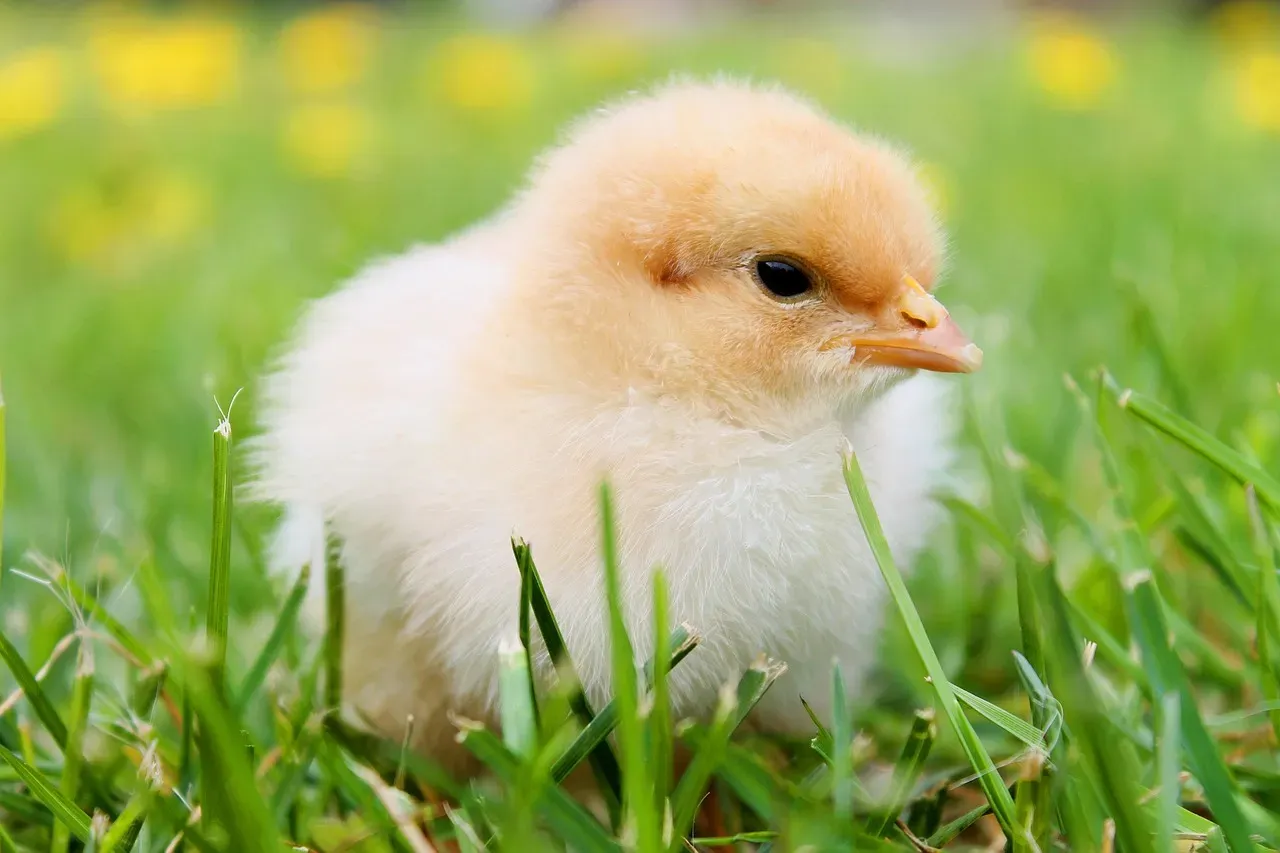
It is tempting to think that our love for baby animals is shaped mostly by culture and conversation: cute memes, children’s books, social media, and shared stories. But those are really just the modern packaging around a much older emotional core. Early humans, long before they had words for “adorable” or “sweet,” still relied on the same sensory cues to recognize young and respond with protection rather than aggression. The feelings came first; the vocabulary arrived later.
Language does change how we experience this wiring by allowing us to label, reflect, and build playful rituals around it. We invent slang, share inside jokes, and build communities around our favorite baby animal content. Still, talk without the underlying neural response would be empty. The strength of the reaction we have to baby animals is a reminder that some of the most powerful drivers of human behavior live in layers of the brain that evolved long before storytelling, gossip, or even fully developed grammar existed.
Modern Culture, Ancient Wiring: From Viral Videos to Ethical Questions
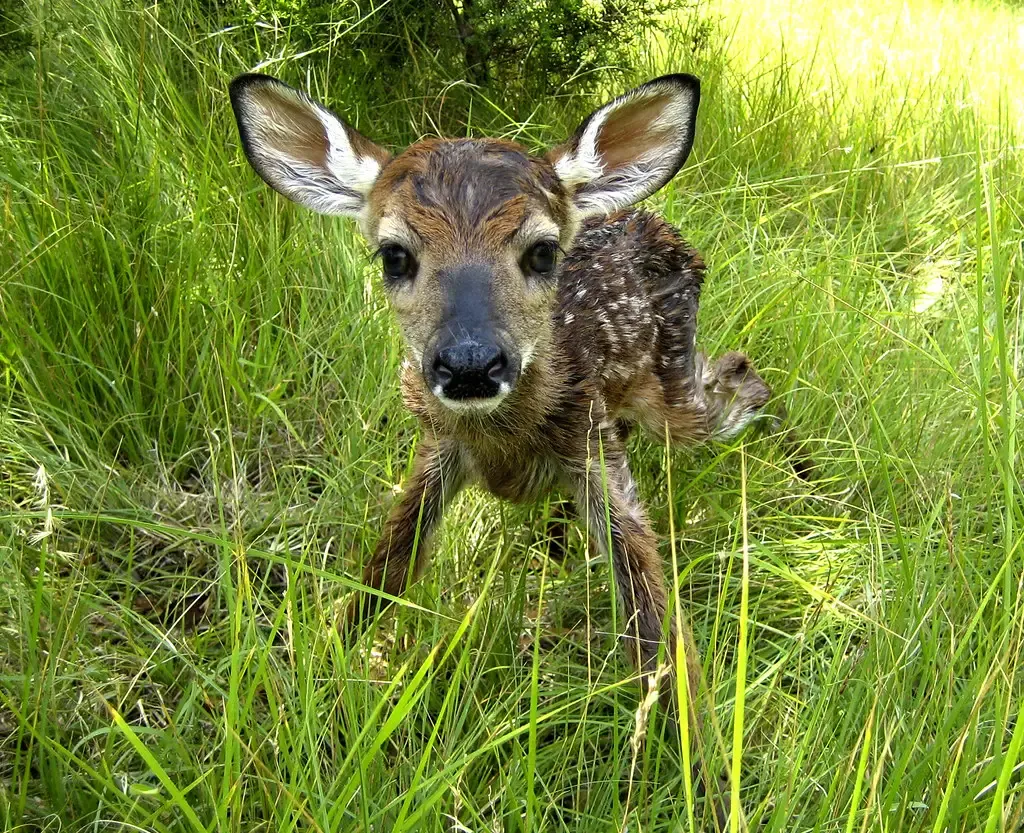
Today, our ancient responses to baby cues sit in the middle of a hyperconnected culture that amplifies them in ways evolution never anticipated. A single clip of a baby otter or a clumsy foal can gather millions of views in a few hours, tugging on the caring circuits of people who will never share the same ecosystem. On the bright side, this global fascination can fuel support for conservation, animal rescue, and more humane treatment of pets and wildlife, because people feel a real emotional stake in the well-being of these creatures.
There is a more uncomfortable side, though, and I think we lean on the cute factor a little too casually. Sometimes baby animals are used as props, bred or handled in ways that are not actually in their best interest, simply because their images drive attention and revenue. Our neural wiring does not automatically distinguish authentic care from exploitation. That puts the burden on us, as language-using, reflective humans, to notice when our deep, wordless instincts are being used in ways that help animals – and when they are quietly being used against them.
Opinionated Conclusion: Cute Is Powerful, So We Owe It Respect
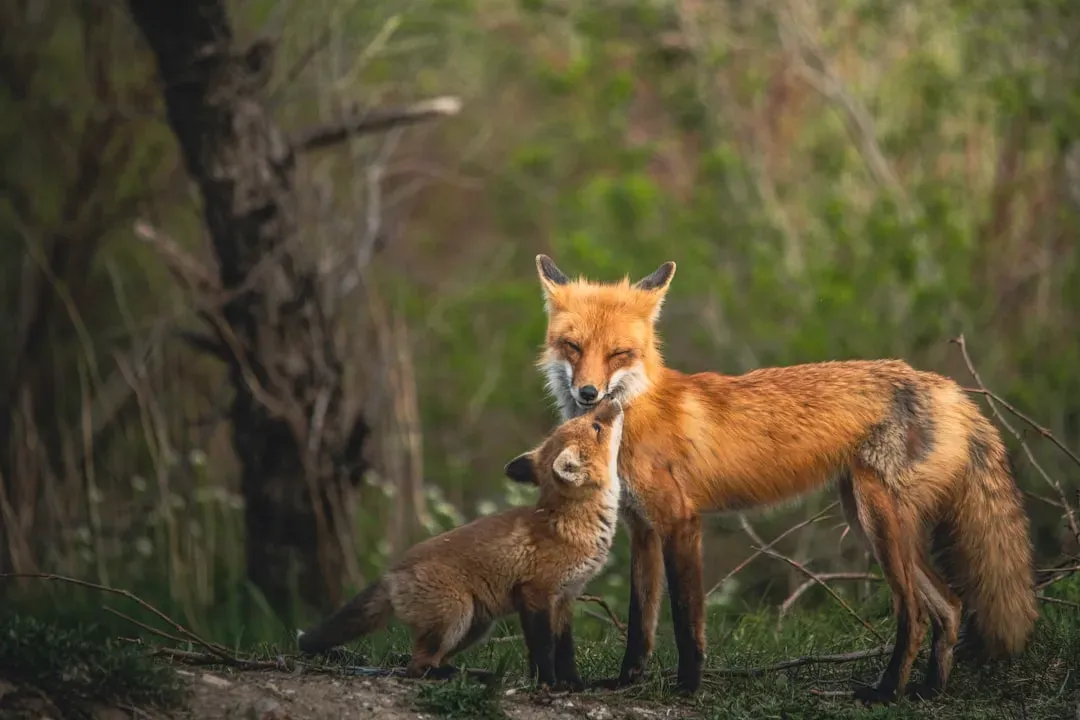
I think we seriously underestimate how much our reactions to baby animals say about us. On one hand, they reveal something beautiful: our brains are built to care, to protect, and to be moved by softness and vulnerability. This did not begin as a sentimental luxury; it was a survival strategy carved into neural tissue long before a single myth, poem, or social post ever existed. The fact that these ancient circuits now light up for baby owls and rescue puppies as readily as for human infants tells me that our potential for empathy is bigger and more flexible than we often admit.
On the other hand, power without awareness is easy to exploit. When every scroll, ad, and campaign can hijack millions of years of caregiving wiring with a single irresistible baby face, we should be a lot more conscious of how and why that button is being pushed. To me, the real challenge is not to resist the “aww,” but to treat it as a signal: here is your oldest brain asking you to care – now decide, with your newer brain, what that care should actually look like. The next time a baby animal melts your heart, will you just enjoy the feeling, or will you ask what that powerful instinct could be used for in a more thoughtful way?