Look back across human history and you will notice something quietly astonishing: wherever there are people, there are animal stories. From cave walls covered in running deer and roaring lions, to modern cartoons starring anxious rabbits and wisecracking foxes, we keep returning to animals when we want to say something true about ourselves. It is tempting to write this off as just metaphor, a handy storytelling trick. But when you look at what psychology and evolutionary biology suggest about how our brains developed, a different, more visceral picture starts to emerge.
For most of our species’ existence, noticing animals was not a hobby; it was life or death. A rustle in the grass, a shift in bird calls, a change in the way the herd moved – these were signals that meant safety, danger, food, or famine. Our nervous systems grew up locked onto animal behavior like a radar system. That ancient circuitry never switched off when we invented language, cities, or the internet. So when we put animals into stories, we are not just being poetic. We are talking to the oldest parts of our brain in the language they trust most.
A Brain Built to Watch Animals, Not Words
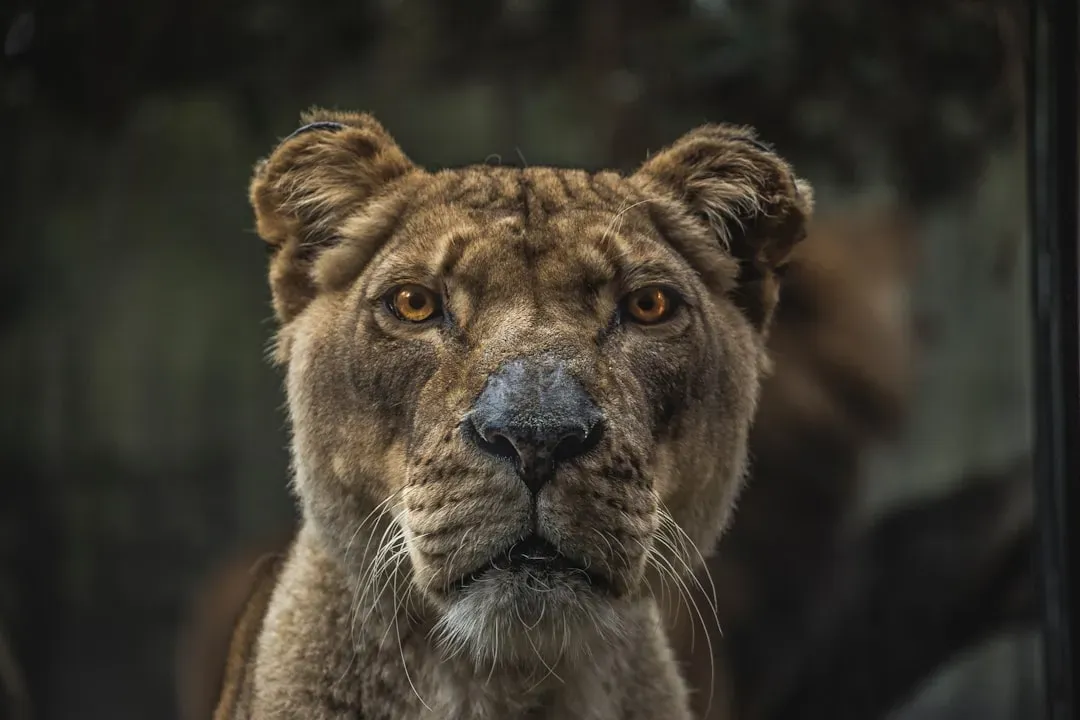
Long before humans were reading novels or scrolling social media, we were scanning landscapes, tracking movement, and parsing animal behavior for clues. Cognitive scientists often point out that visual and motion processing in the brain is fast, automatic, and deeply rooted in older neural systems. Spotting a predator’s outline in the bushes or recognizing that a herd of antelope suddenly froze likely mattered far more, for far longer, than understanding a complex sentence. Our attention systems were sculpted in a world where animals were the primary moving pieces that predicted what happened next.
Because of that, stories that center on animals slot perfectly into this ancient template. When a child sees a fox on a page, their brain does not meet a blank symbol that needs lots of explanation. It meets a shape, a posture, and a pattern it is primed to track and interpret. The same is true for adults, even if we like to pretend we are above it. When stories put motives and emotions into the fur, feathers, and eyes of an animal character, they are essentially hacking a pre-installed survival interface. We recognize intent and mood through bodies before we ever get to abstract ideas.
From Predator Alerts to Emotional Forecasts
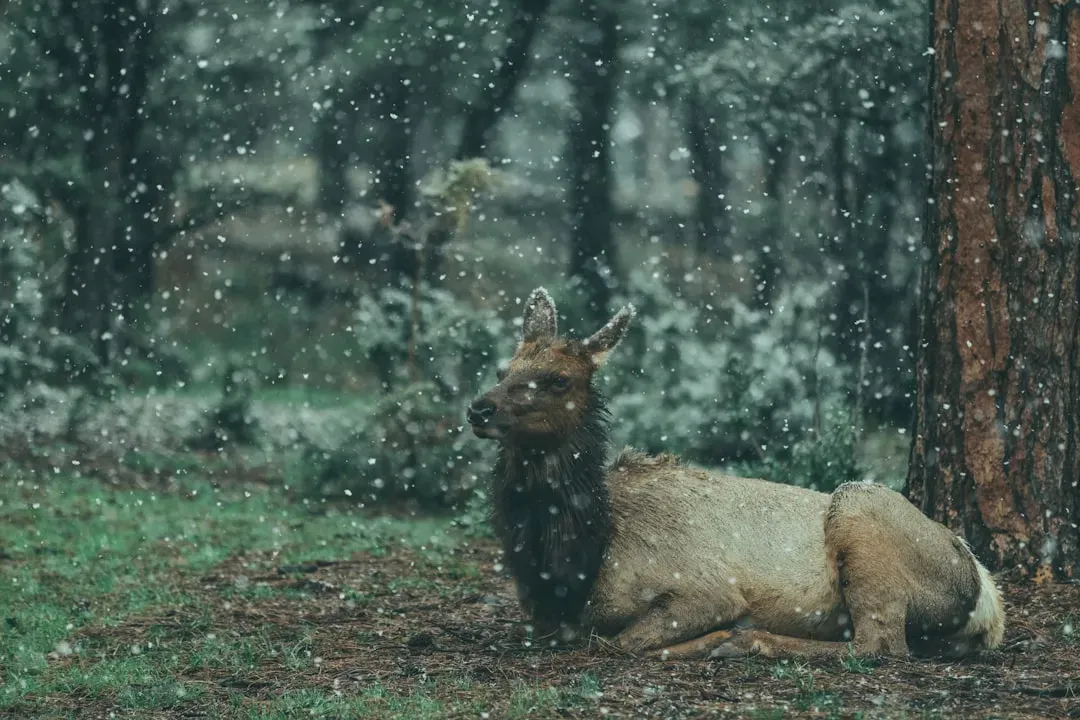
In early human environments, animals were walking weather reports for survival: their behavior forecasted danger, opportunity, or change. If the birds went silent, if the monkeys in the canopy started shrieking, if the grazing animals bolted, it meant something in the environment had shifted. Our nervous systems learned to treat these nonverbal broadcasts as high-priority information. Over time, we did not just notice animals; we tuned into them emotionally, feeling tension or relief in sync with how they moved and sounded.
Modern research on emotional contagion and nonverbal cues backs this up. Humans still read tone, posture, and movement more quickly than formal language, and we still respond in our bodies before we consciously explain what we see. Animal characters in stories carry that same function into our imaginative lives. A trembling mouse, a pacing wolf, a playful dolphin – each is like a little emotional weather system that our brains respond to almost automatically. In a way, we have turned ancient survival alerts into emotional forecasts for our inner world.
Why Animals Feel Like an Honest Mirror
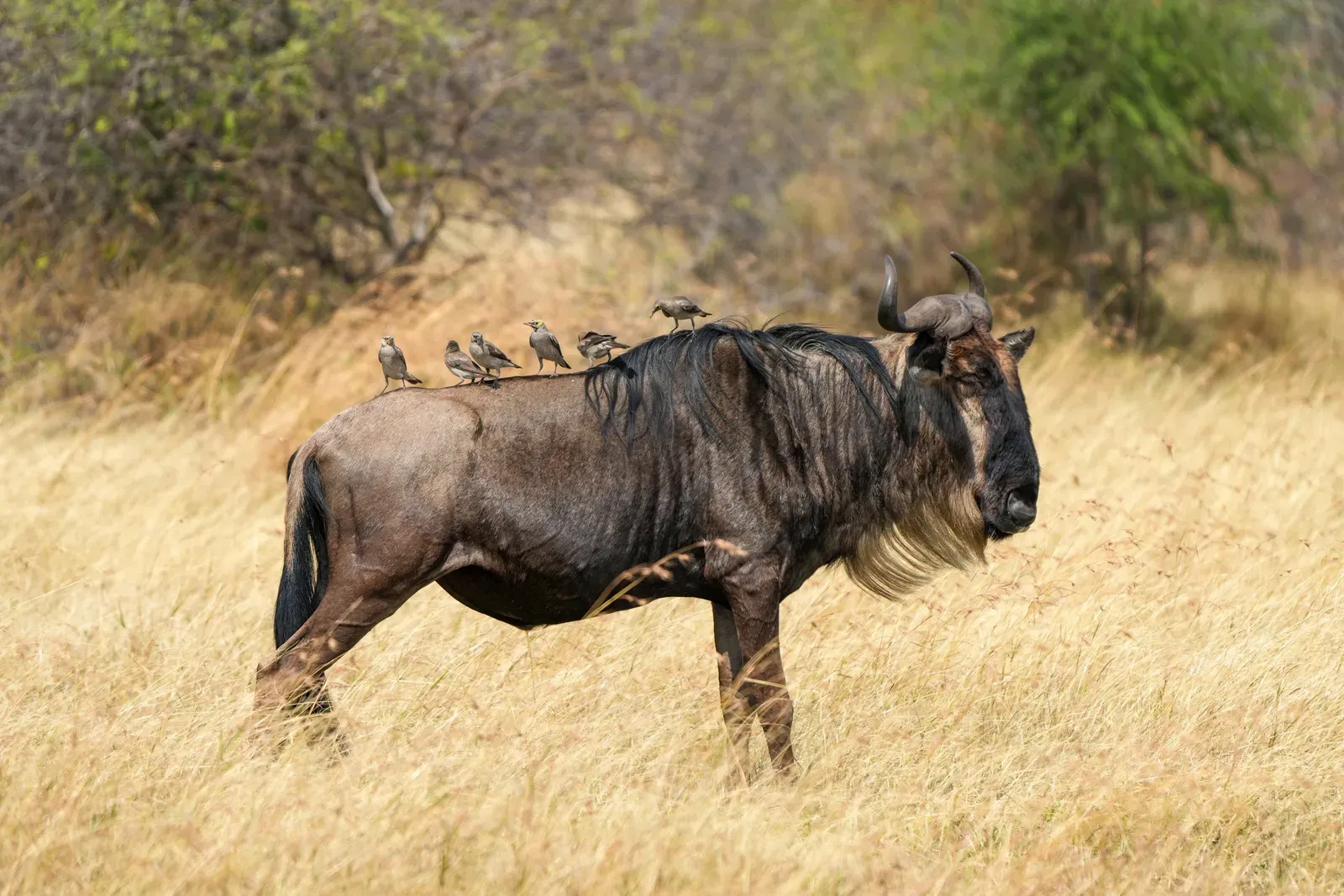
One of the strangest things about animal stories is how truthful they often feel, even when they are obviously fictional. Part of this comes from the fact that animals, as we encounter them, are not trying to impress us. A dog that cowers, a crow that steals, a cat that stalks quietly across the room – they are not editing their behavior for social approval in the way humans constantly do. Our brains register that lack of social performance as a kind of authenticity, even if we later project all sorts of meaning onto it.
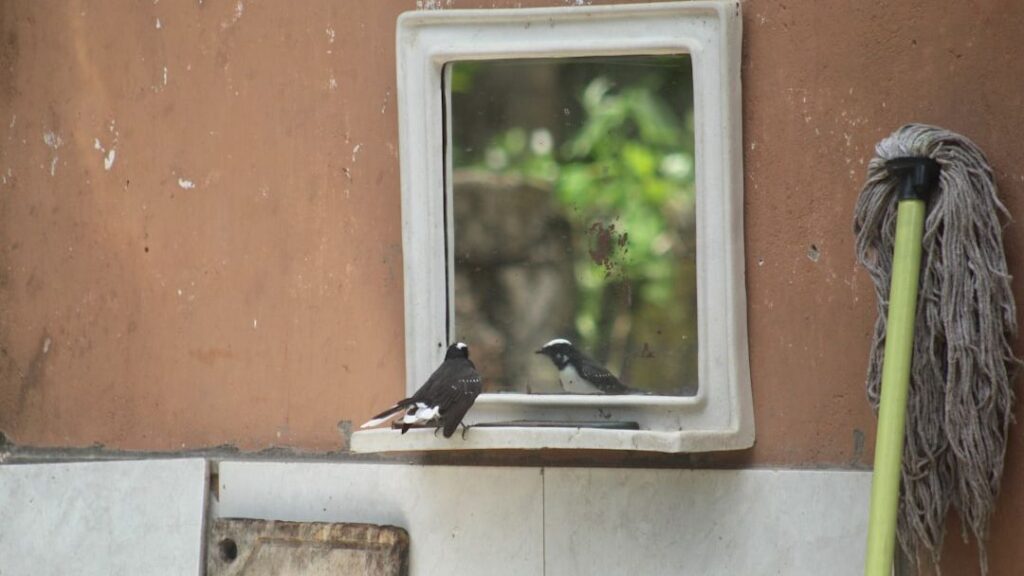
So when we see ourselves reflected in animal characters, it can feel more honest than watching another polished human on a screen. A cowardly lion, a loyal horse, a cunning fox – these figures capture human traits without the extra layers of ego, status games, and politeness that usually cloud our view. Psychologically, animals act like a low-noise mirror. We recognize fear, bravery, greed, or generosity in them, while quietly understanding that they are also outside our social drama. That distance makes it easier for us to admit, “Yes, that is me,” without feeling attacked.
The Deep Roots of Anthropomorphism
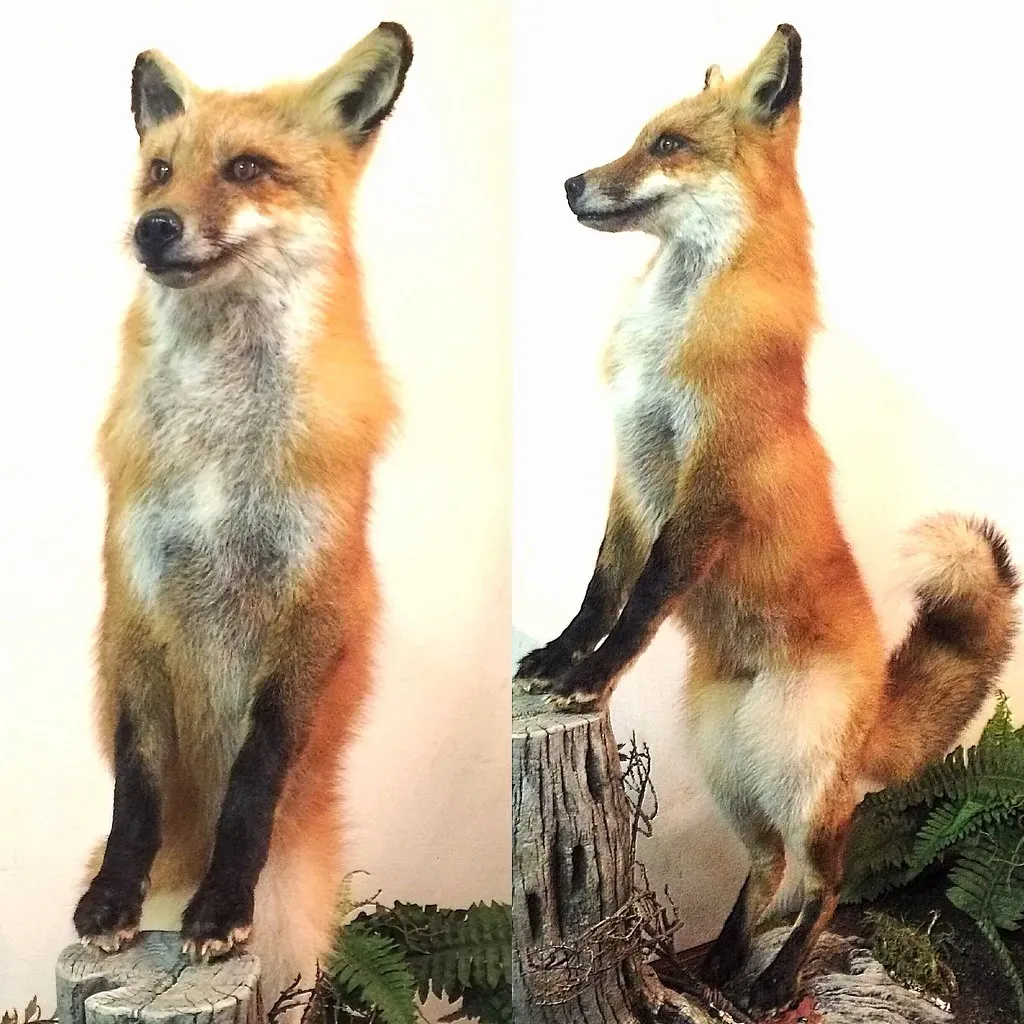
Humans are so good at reading intent into movement that we do it almost automatically. Psychologists have shown that people will assign motives and feelings to moving shapes on a screen if the motion is complex enough. When those shapes are replaced with animals, the effect becomes even stronger, because our brains already expect animals to have agency, needs, and goals. This tendency – anthropomorphism – is not just a cute quirk; it likely evolved because assuming intent was safer than missing a real threat or opportunity.
In storytelling, anthropomorphism lets us smuggle human dilemmas into familiar, non-threatening packages. A bear worried about winter food is also a person worried about job security. A migrating bird is also someone leaving home for the first time. By letting animals carry our fears and hopes, we lean on our brain’s natural habit of reading agency into them. It feels effortless, almost like a reflex, which is why animal stories work across cultures and ages with very little explanation needed.
Why Children’s Stories Lean So Hard on Animals

Think about how many children’s books star animals. It is not just because kids find them cute. Children are still learning the rules of their social world, and their brains are especially tuned to movement, sound, and simple, emotionally clear signals. Animals offer all of this in a compact, visually striking package. A grinning frog, a frowning bear, a sleepy owl – these characters embody big emotional states in a way young brains can grab onto quickly.
At the same time, animal characters give children a little bit of psychological safety. When a story shows jealousy between two kittens or fear in a shy turtle, a child can explore those uncomfortable experiences at a slight remove. They are not being told that they themselves are jealous or cowardly; they are watching an animal go through it. That cushion makes it easier to process big feelings, practice empathy, and experiment with different choices, all while their nervous system is happily engaged by the familiar rhythm of watching and interpreting animal behavior.
Animal Stories as a Gentle Way to Confront Ourselves
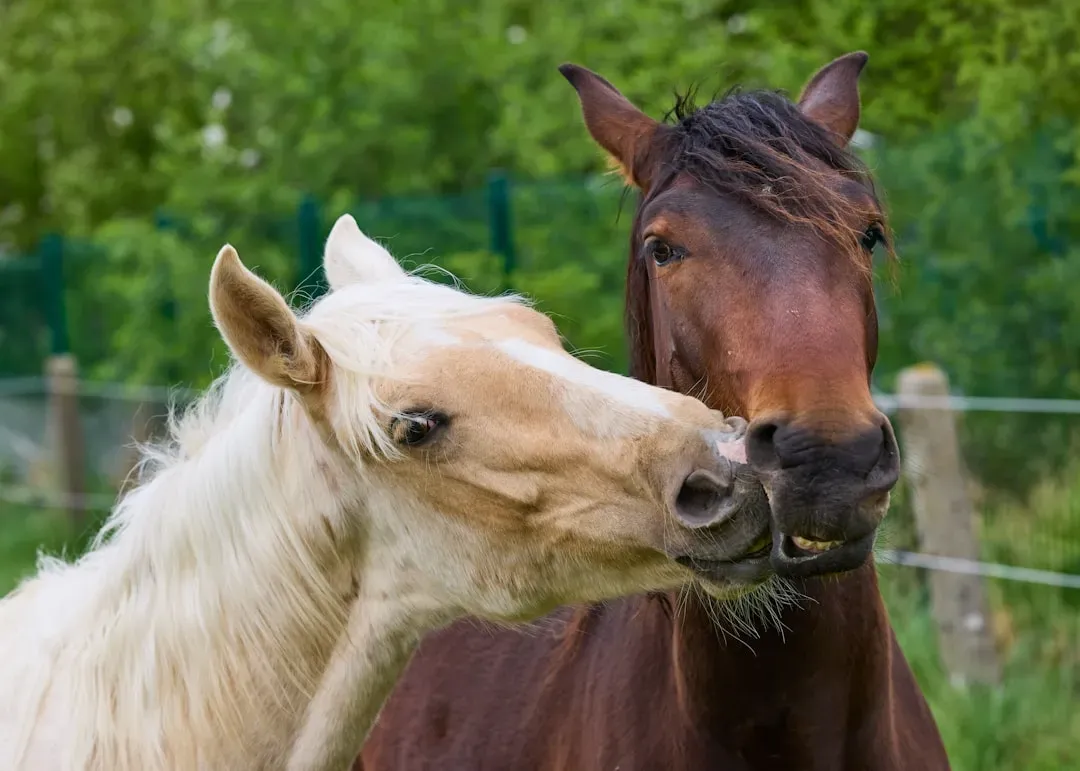
There is a reason people sometimes say they trust animals more than they trust other humans. Animals still operate mostly on observable behavior: they approach, retreat, relax, or tense up, and those signals usually line up with their intentions. Humans, on the other hand, can say one thing and feel another, or behave kindly while hiding resentment. That gap between surface and depth makes it harder for us to read each other and easier for us to deceive ourselves about what is really going on.
Animal stories slip in sideways to challenge that self-deception. When we watch a fictional fox betray a friend or a dog remain loyal in tough conditions, we often feel the moral weight of those actions more clearly than if the same things were happening to a human character who reminds us of someone we know. Our defenses are lower, and we are more willing to ask uncomfortable questions about trust, loyalty, fear, or power. The animals keep us honest, not because they are perfect, but because their behavior is easier for our ancient perception systems to track without excuses.
The Modern Feed Is Still a Savannah
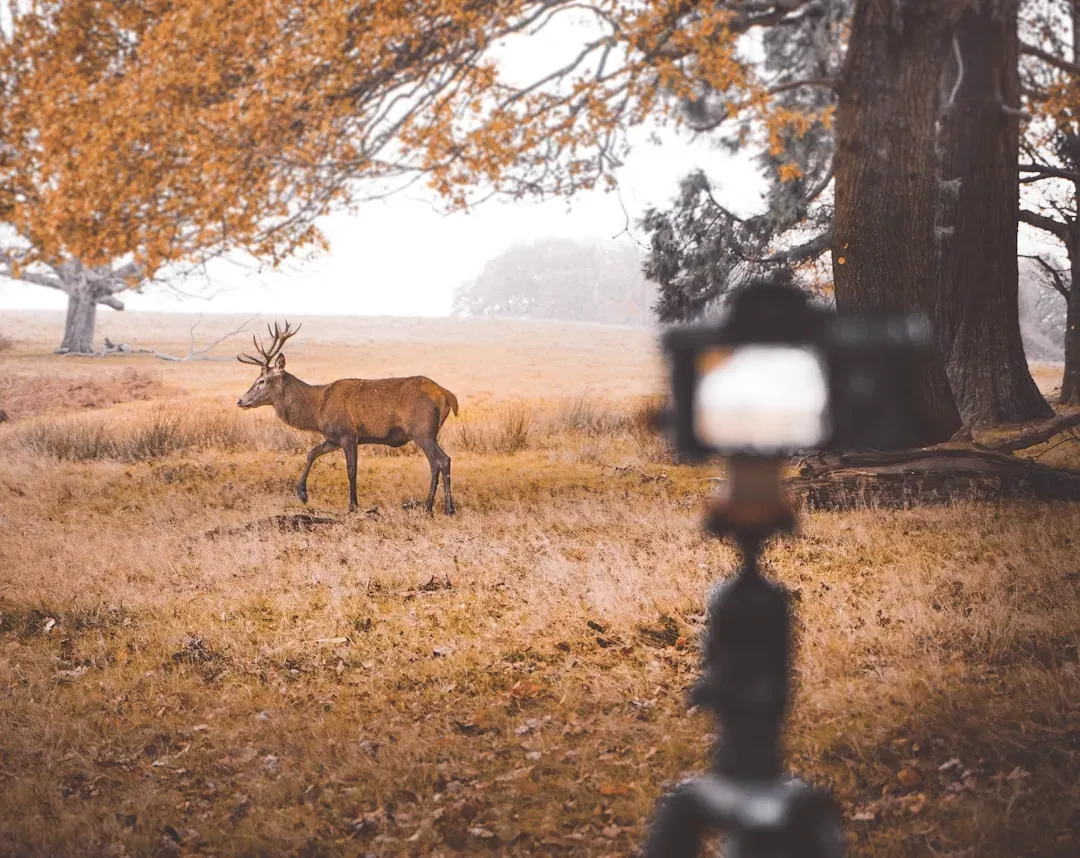
Even in a world of streaming platforms and endless feeds, notice what reliably grabs attention: animal clips, pet videos, dramatic wildlife footage. On the surface, this looks like harmless entertainment or stress relief. Underneath, though, the same old circuitry is firing. A dramatic chase, a baby animal clinging to its parent, a flock changing direction in perfect sync – our brains light up for these scenes with a focus and intensity that many purely verbal messages never manage to trigger.
Storytellers, marketers, and activists have all picked up on this, sometimes consciously, sometimes just by trial and error. If you want people to care about a cause, you show them a specific animal’s plight, not a spreadsheet. If you want to make a complex point about greed, community, or resilience, you wrap it around a recognizable creature and let people’s ancient pattern-recognition system do the rest. In that sense, our screens have become a new kind of savannah, and the animals running across them still tell us when to look closer, when to care, and what kind of person we want to be.
Conclusion: The Animals Are Not Going Anywhere
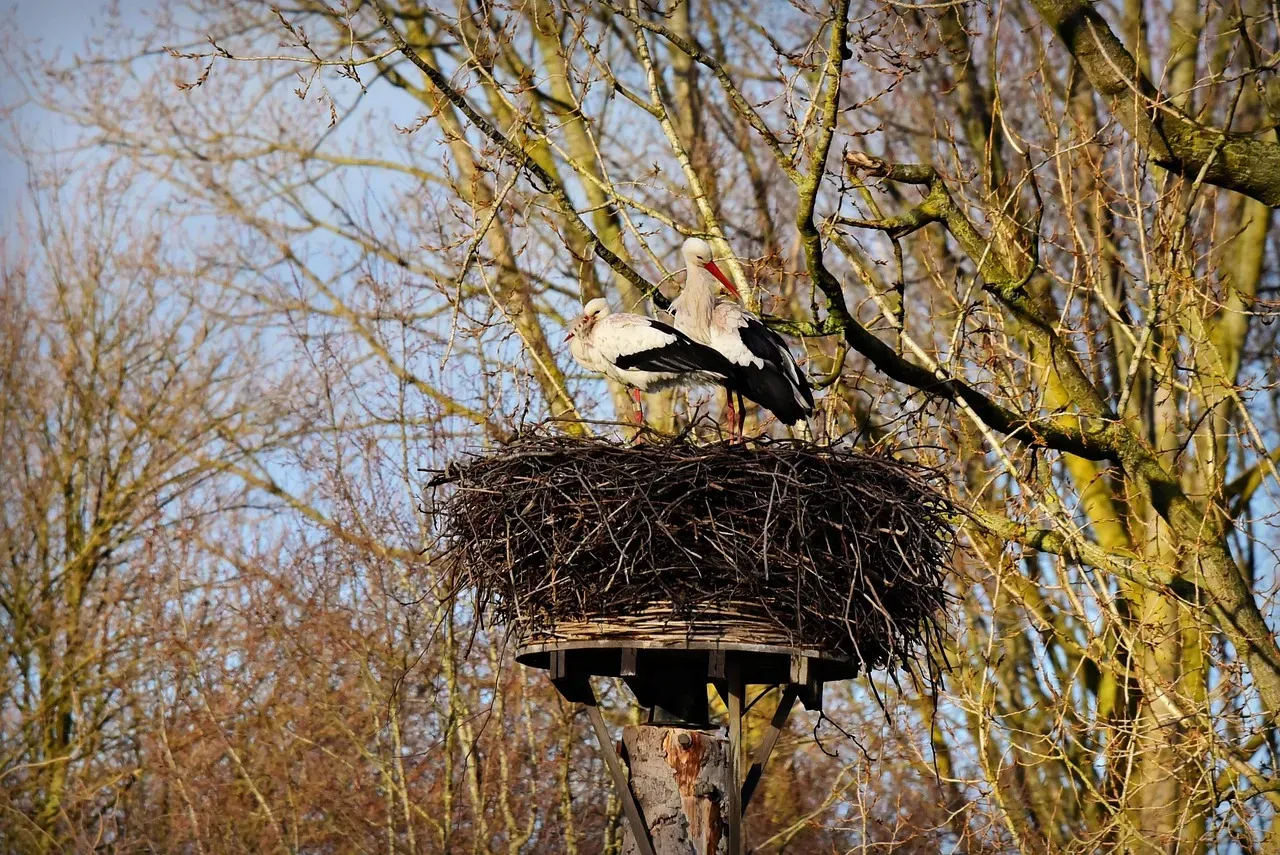
When you see animal stories everywhere, from sacred myths to sarcastic memes, it is easy to assume we choose them just because they are cute, safe, or symbolically convenient. But when you take our evolutionary history seriously, a bolder interpretation comes into focus. We lean on animals in our stories because our brains were tuned for hundreds of thousands of years to watch them, fear them, follow them, and learn from them. That wiring did not vanish when we invented writing; it slipped quietly into our narratives and never left.
In my view, this makes animal stories less of a childish habit and more of a hidden strength. They let us speak directly to the oldest, sharpest parts of our nervous system, the parts that know how to read a situation before the rest of us has found the words. As long as we are human, we will keep turning to animals when we need a clear mirror and an honest signal about what matters. The real question is not why we still tell stories about animals, but what those animals are still trying to tell us about ourselves – and are we actually listening?