Puerto Rico – Conservation teams paired habitat restoration with massive tadpole releases to revive the island’s only native toad, while a reggaeton icon amplified the effort worldwide.
A Relict Species Fights for Survival
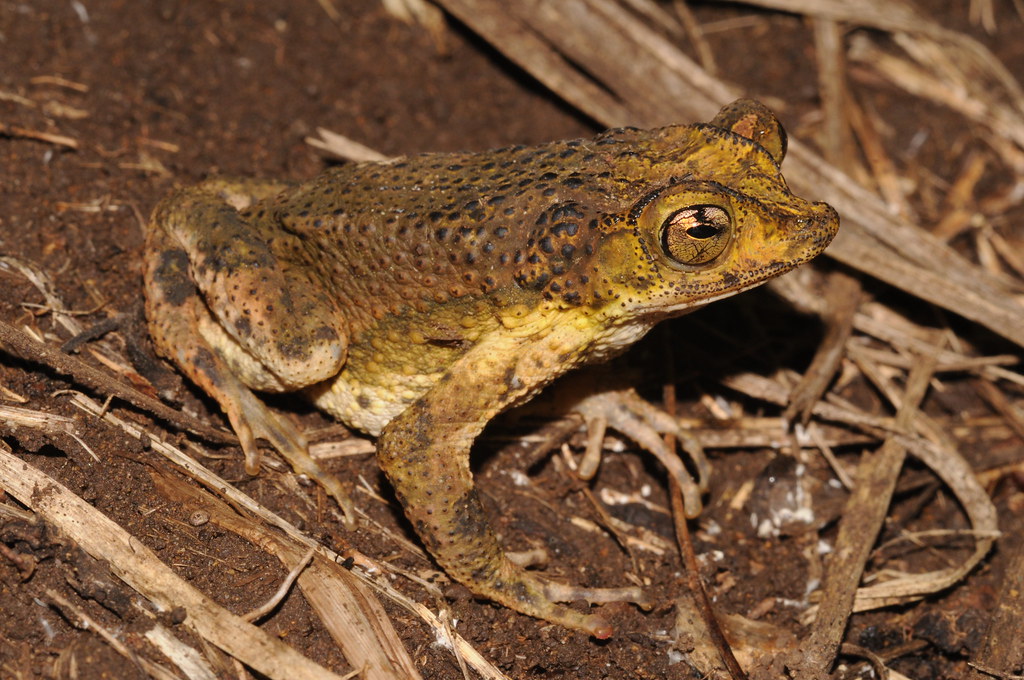
A Relict Species Fights for Survival (Image Credits: Flickr)
The Puerto Rican crested toad, or sapo concho, clung to existence in just one wild population amid Guánica State Forest. European colonizers cleared vast forests for sugar plantations, leaving only fragments of the toad’s preferred karst and coastal habitats. Invasive species like cane toads arrived in the 1920s, outcompeting and preying on the smaller natives. Development filled shallow breeding pools, while predators such as dragonfly nymphs devoured tadpoles. Alcides Morales Pérez, manager at Hacienda La Esperanza reserve, noted the toad’s natural rarity compounded these pressures: “They also live near the coast, which is where development happened first.”
Officials listed the species as endangered under U.S. law. Low genetic diversity threatened an extinction vortex in the surviving southern group. Northern populations vanished after 1992. Yet recent interventions offered glimmers of hope.
Captive Breeding Powers Reintroductions
Zoos across the U.S. and Canada bred hundreds of thousands of tadpoles for release, starting with early efforts in the 1980s. Para la Naturaleza, a local nonprofit, welcomed over 300,000 since 2012 in partnership with the U.S. Fish and Wildlife Service and Puerto Rico’s Department of Natural Resources. Teams built shallow ponds at protected sites, cleared invasives, and enclosed them against aerial predators. One recent batch of 500 tadpoles yielded 70 young toadlets – a strong result given typical low survival rates.
- Fort Worth Zoo released 107,000 tadpoles as part of the Puerto Rican Crested Toad Conservancy.
- Over 20 zoos contributed through the Association of Zoos and Aquariums Species Survival Plan.
- Hybrid genetics from northern and southern lines boosted diversity.
- Hacienda La Esperanza saw the first natural breeding, with adults returning to spawn.
Ricardo Rodriguez of Para la Naturaleza described the urgency: “Once they arrive, everything needs to move pretty quickly.” Monitoring continued post-metamorphosis, tracking dispersal into limestone crevices.
Forests Reborn at Hacienda La Esperanza
Para la Naturaleza acquired the former sugar estate in 1975 and ramped up planting after Hurricane Maria devastated it in 2017. Workers restored over 100 acres, linking fragmented patches with native trees like royal palms to create wildlife corridors. These efforts countered historical deforestation that erased 94% of Puerto Rico’s forests by the 1940s. Karst limestone habitats, vital for the crested toad’s shelter, gained protection alongside benefits for endemic birds.
Alcides Morales Pérez emphasized resilience: “We wanted to make the landscape more resilient to change.” Fast-growing species outcompeted invasives, while fruit trees drew seed-dispersing birds. The reserve now hosted 13 of the island’s 19 endemic bird species. Toad ponds integrated into this mosaic, enhancing overall ecosystem health.
Bad Bunny Brings Global Attention
Reggaeton superstar Bad Bunny featured an animated crested toad named Concho in his 2025 album Debí Tirar Más Fotos, including music videos, merchandise, and his Super Bowl halftime show.[1][5] Concert venues displayed educational booths during his San Juan residency. Diane Barber of Fort Worth Zoo praised the impact: “Bad Bunny has provided us a way to show people what a Sapo concho looks like.” The exposure sparked pride in Puerto Rico’s patrimony and drew new support for conservation.
Conservationists viewed the toad as an umbrella species, whose protection aided boas, birds, and broader biodiversity. Rafael Joglar of the University of Puerto Rico called it “the best thing that has happened to us in a long time.”
These combined forces positioned the crested toad for potential self-sustaining populations. Success at Hacienda La Esperanza proved restoration works. Listeners can hear more details in The Wildlife Society’s podcast.
Key Takeaways
- Over 300,000 tadpoles released since 2012, with first natural breeding confirmed.
- Reforestation rebuilt 100+ acres, linking habitats for toads and birds.
- Bad Bunny’s promotion turned a local icon into a global conservation symbol.
Resilience defines both the toad and the island. What role can cultural icons play in your local wildlife efforts? Share in the comments.