Ayacucho, Peru — Indigenous Quechua women in the rugged Peruvian Andes have shifted from retaliating against wildcats preying on livestock to championing their protection through community-led conservation.
A Legacy of Tension Gives Way to Understanding
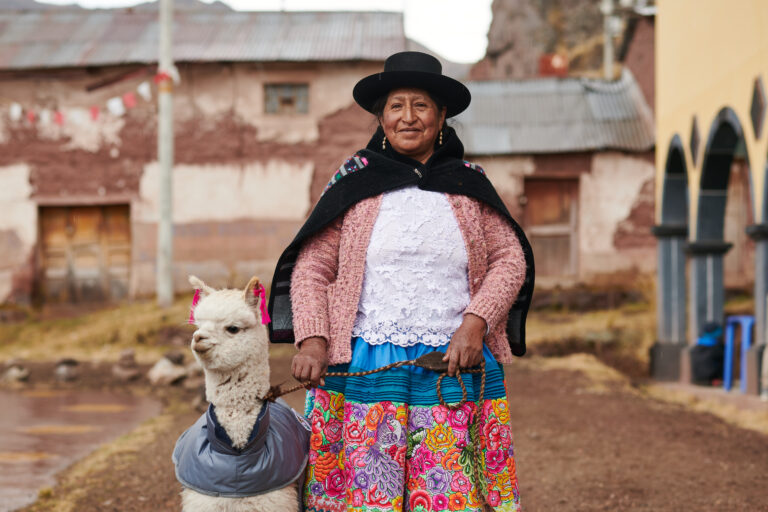
A Legacy of Tension Gives Way to Understanding (Image Credits: Imgs.mongabay.com)
Pumas once prowled as symbols of dread for shepherds in villages like Licapa. Livestock losses mounted as these predators, along with pampas cats and Andean cats, turned to alpacas, guinea pigs and chickens amid shrinking natural prey bases.
Deforestation and climate change had depleted vizcachas and deer, forcing wildcats closer to human settlements. Families faced hardship with each raid, prompting immediate retaliation killings. Yet a pivotal partnership altered this cycle.
Quechua biologist Merinia Mendoza Almeida bridged ancestral knowledge and science. She collaborated with small wildcat expert Dr. Jim Sanderson to empower local women. Their efforts birthed Mujeres Quechua por la Conservación, drawing over 30 participants into monthly gatherings.
Empowering Women Through Hands-On Conservation
The initiative began with circles of women sharing stories over coca tea. Sessions covered ecosystems, predator behavior and practical defenses. Participants learned to deploy camera traps, revealing wildcat movements and proving coexistence potential.
Reinforcing chicken coops and rotating grazing areas reduced attacks effectively. These steps protected livelihoods while fostering respect for the cats. Women who once viewed pumas solely as threats now documented their presence as vital ecosystem players.
Dr. Sanderson emphasized local stewardship. “Success in wildlife conservation comes when people living closest to the land become the stewards,” he stated. “These women are redefining what it means to protect nature.”
Key Strategies Driving Change
- Environmental education workshops to demystify wildcat ecology.
- Camera trap monitoring for data-driven insights.
- Livestock protection measures like secure enclosures.
- Monthly community meetings for shared problem-solving.
- Integration of Quechua cultural values with modern science.
These approaches not only curbed conflicts but also safeguarded forests, water sources and biodiversity. Participants broke gender norms, voicing concerns in spaces traditionally dominated by men.
One shepherd reflected on the shift: “Before, I thought only men could speak for the forest. Now, I speak for it too.”
Cultural Revival and Broader Impact
The project revived Quechua traditions intertwined with nature. Wildcats, once hunted for rituals, gained reverence as mountain spirits. A Mongabay film, “Women Secure a Future with Pumas in the Andes,” captured this transformation, highlighting women’s leadership.
International attention followed, with funding supporting expansion. Efforts protected around 700 hectares of habitat. Big Cat Rescue backed the work, prioritizing wild cats in their native ranges.
Key Takeaways
- Over 30 Quechua women actively participate in conservation.
- Conflicts dropped through simple, replicable livestock safeguards.
- Camera traps confirmed wildcat populations stabilizing.
This model proves grassroots initiatives outperform top-down approaches. As Andean ecosystems heal, so do community ties to the land. What lessons from these women could apply to wildlife conflicts elsewhere? Share your thoughts in the comments.