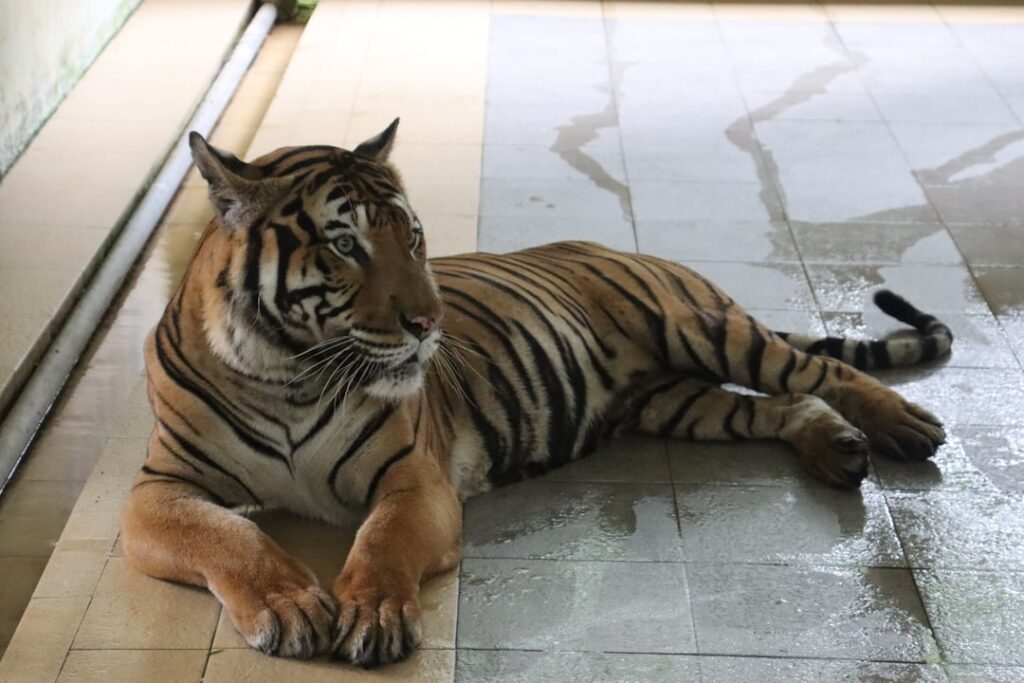
Visakhapatnam – A tiger that prowled near Rajahmundry for over two weeks, sparking widespread concern, arrived at a local animal rescue centre in stable condition following a successful capture operation.
Tiger’s 17-Day Reign of Tension Ends in Capture
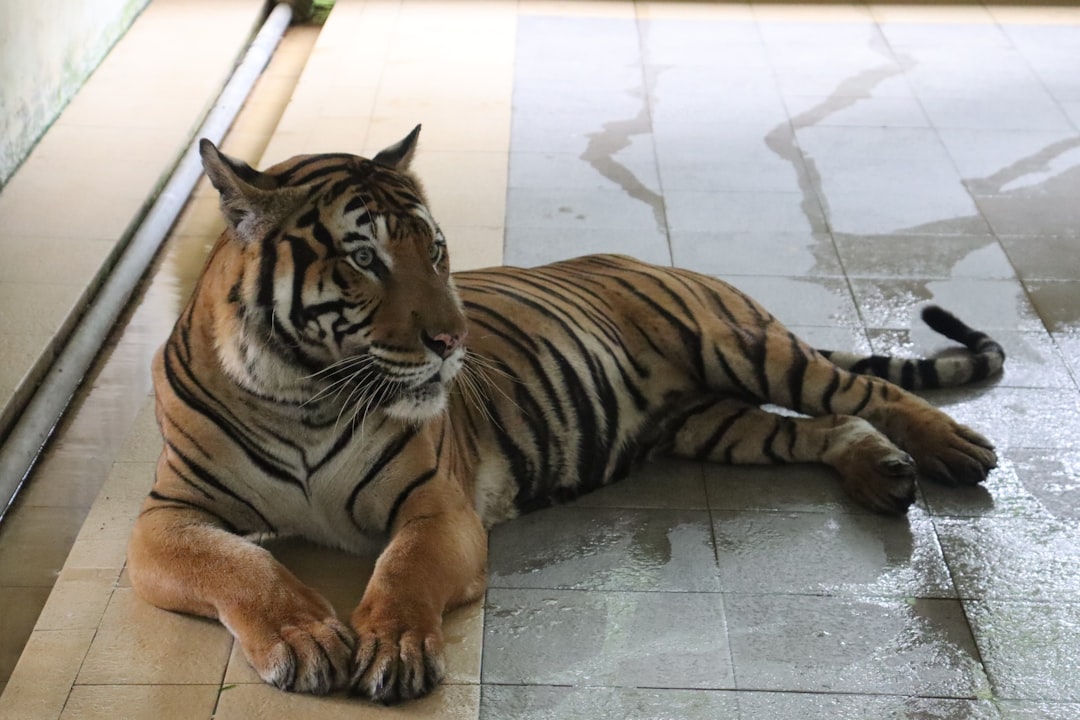
Tiger’s 17-Day Reign of Tension Ends in Capture (Image Credits: Unsplash)
Expert teams, supported by forest staff, finally trapped the wild tiger on Friday after it had roamed areas around Rajahmundry city for 17 days. Local residents lived in fear as sightings mounted, prompting heightened alerts and coordinated efforts to contain the animal without harm. The operation demanded precision, drawing on specialized skills to avoid injury to both the tiger and the public.
Forest officials mobilized quickly once the tiger entered human habitats. Their strategy paid off, securing the big cat alive and unharmed. This marked a relief for the community, which had braced for potential conflicts.
Secure Transport to Visakhapatnam Sanctuary
Authorities transported the tiger to Visakhapatnam under strict safety protocols immediately after capture. It reached the Animal Rescue Centre at Indira Gandhi Zoological Park in Yendada by Saturday. Zoo staff had prepared a dedicated enclosure in advance, ensuring a smooth transition.
Dr. Bhanu Prasad, who led the medical examination, confirmed the animal’s robust health. “The tiger is in good health and is currently under observation,” Dr. Prasad stated. Chief Conservator of Forests B.M. Diwan Mydeen added that it remains stable under veterinary watch.
Rescue Centre’s Legacy of Rehabilitation
The facility, operational since 2001, specializes in caring for distressed wildlife such as tigers, lions, sloth bears, turtles, and crocodiles. It offers advanced veterinary services, climate-controlled enclosures, and tailored nutrition to aid recovery. Until recently, the centre stood empty following the death of Bigo, a 24-year-old Asiatic lion protected under India’s Wildlife Protection Act.
Now, with the tiger’s arrival, the centre resumes its vital role in conservation. Staff monitor its every need during quarantine, assessing behaviour and physical state closely. This setup underscores the importance of such hubs in managing human-wildlife interfaces.
Path Forward for the Relocated Tiger
A committee involving the Wildlife Organisation, Wildlife Institute of India, and NGOs will determine the tiger’s next steps. Sources indicate a potential release into the Nagarjuna Sagar Tiger Reserve once evaluations conclude. Ongoing observations ensure the animal adapts well before any decisions.
Here are key aspects of the process:
- Quarantine period for health monitoring.
- Expert assessments by veterinarians and conservationists.
- Habitat suitability checks for release sites.
- Collaboration across agencies for long-term viability.
- Public safety considerations in translocation plans.
Key Takeaways
- The tiger’s capture averted risks after 17 tense days near Rajahmundry.
- Visakhapatnam’s ARC provides top-tier care, reviving its post-Bigo operations.
- Future release hinges on committee review, prioritizing conservation.
Efforts like these highlight India’s commitment to balancing wildlife protection with community safety. As the tiger settles in, it serves as a reminder of the wild’s proximity to urban edges. What steps can communities take to prevent such encounters? Share your thoughts in the comments.