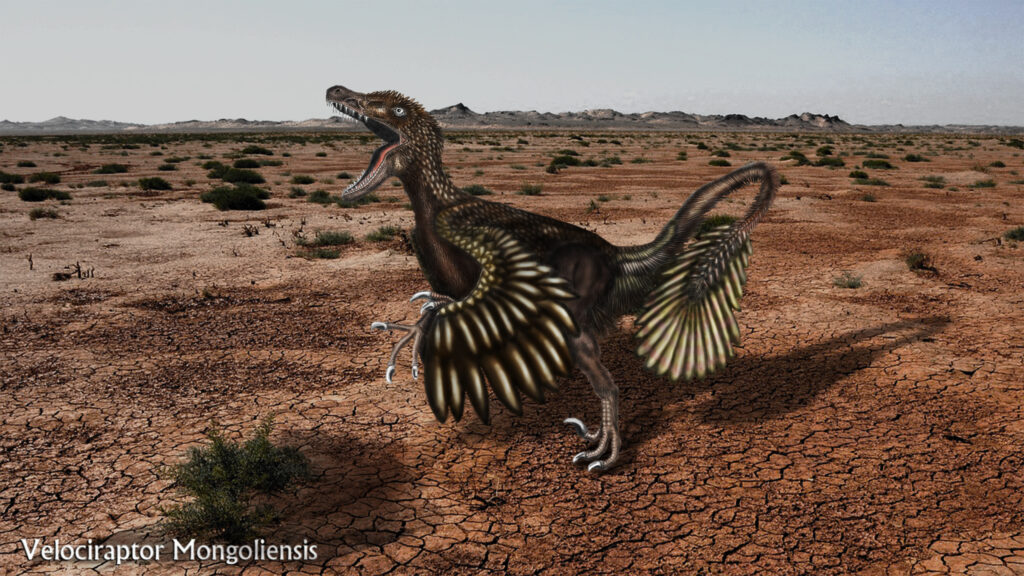
Velociraptors have been shaped by Hollywood into terrifying, door-opening masterminds that haunt our nightmares. Though cinema took some creative liberties with their size and intelligence, the truth is equally fascinating. These turkey-sized predators from roughly seventy-five million years ago possessed cognitive abilities that were genuinely impressive for their time.
Recent fossil discoveries and advanced imaging techniques have revealed aspects of velociraptor intelligence that scientists are only beginning to appreciate. From their surprisingly sophisticated brain structures to their complex sensory systems, these creatures were far more than the mindless reptilian killing machines you might imagine. Let’s explore the evidence that shows these ancient hunters were operating on a whole different level compared to their dinosaur neighbors.
Their Brain-to-Body Ratio Rivaled Modern Birds
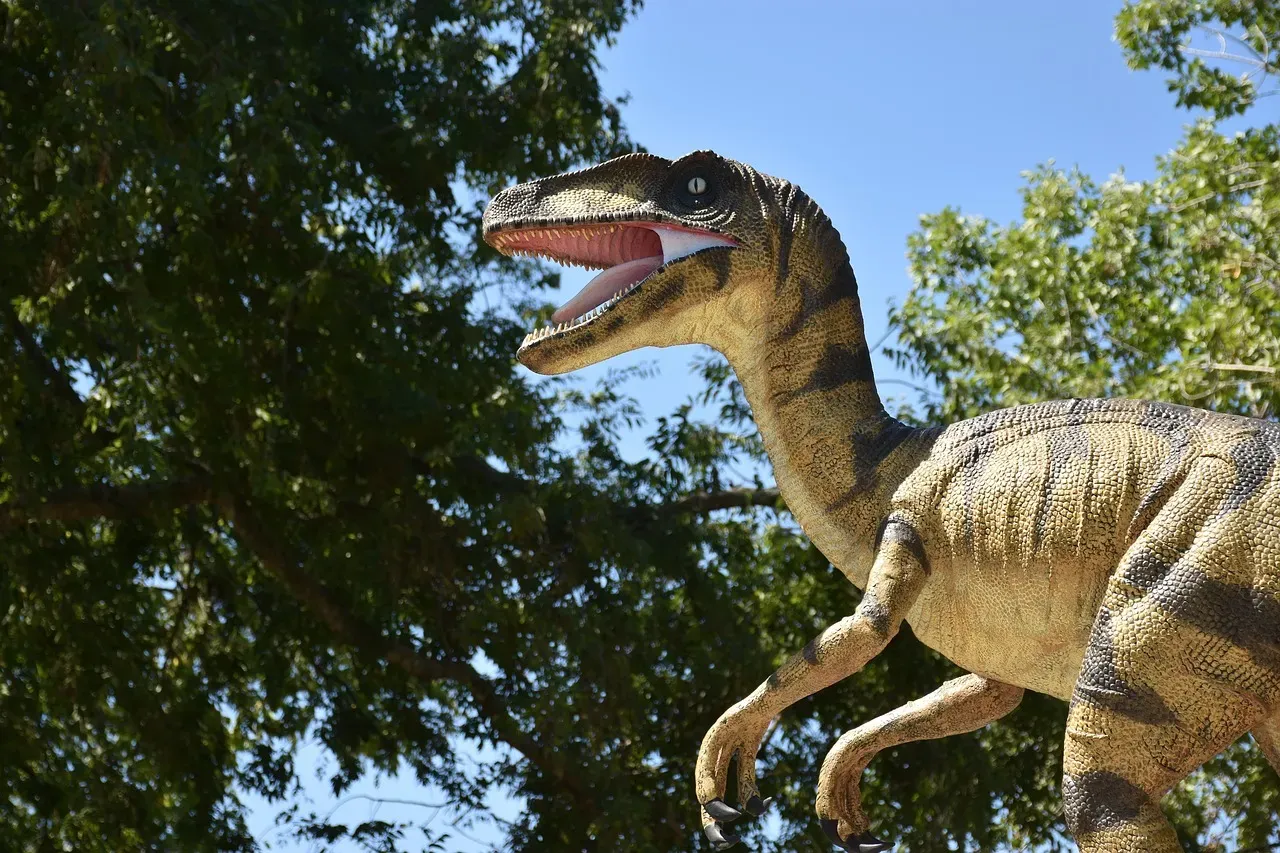
Velociraptors had a relatively high brain-to-body mass ratio compared to other dinosaurs, placing them among the most cognitively advanced creatures of their era. Think about how we judge intelligence in animals today. We often look at brain size relative to body weight, and by that measure, velociraptors were punching well above their weight class.
With estimates around 5.8 on the Encephalization Quotient scale, velociraptors had proportionally larger brains than many other dinosaurs, though not quite reaching human levels. The cerebrum region mirrors what we see in modern birds, particularly predatory birds, and this region is crucial for higher-level cognition and decision making. Their neural architecture suggested they had the hardware to support behaviors far more complex than simple instinct.
Specialized Brain Regions Supported Complex Movement
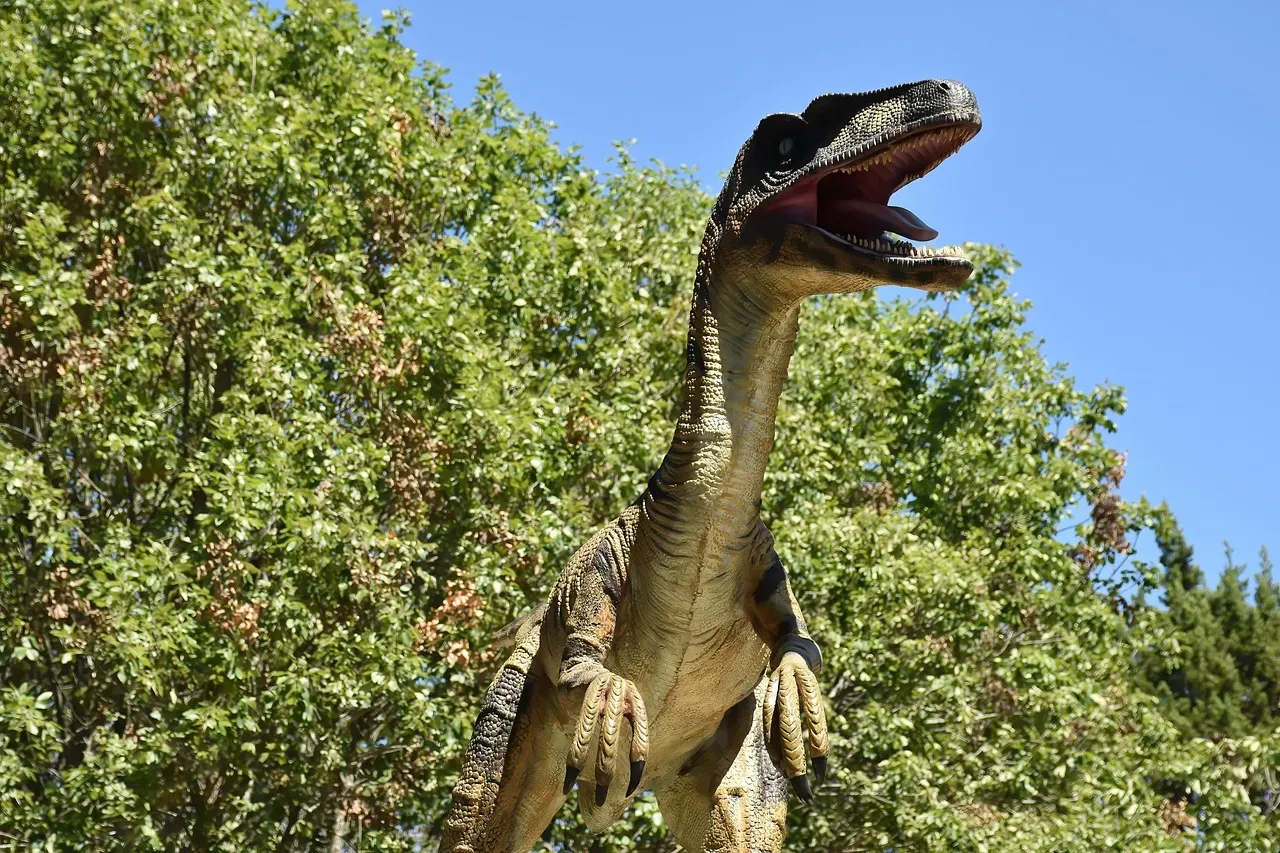
Here’s where things get really interesting. The floccular lobes, the brain region most associated with agility and balance, were enlarged in velociraptors, making up roughly 42 percent of the total hindbrain length. These lobes aren’t just about staying upright while running.
They’re associated with the kind of precise, rapid adjustments needed for complex hunting maneuvers. The cerebellum, which coordinates movement and possibly plays a role in learning and memory, suggests a level of neural sophistication supporting complex behaviors. This combination meant velociraptors could potentially learn from experience and refine their hunting techniques over time, rather than relying solely on hardwired instincts.
Binocular Vision Gave Them Depth Perception Advantages
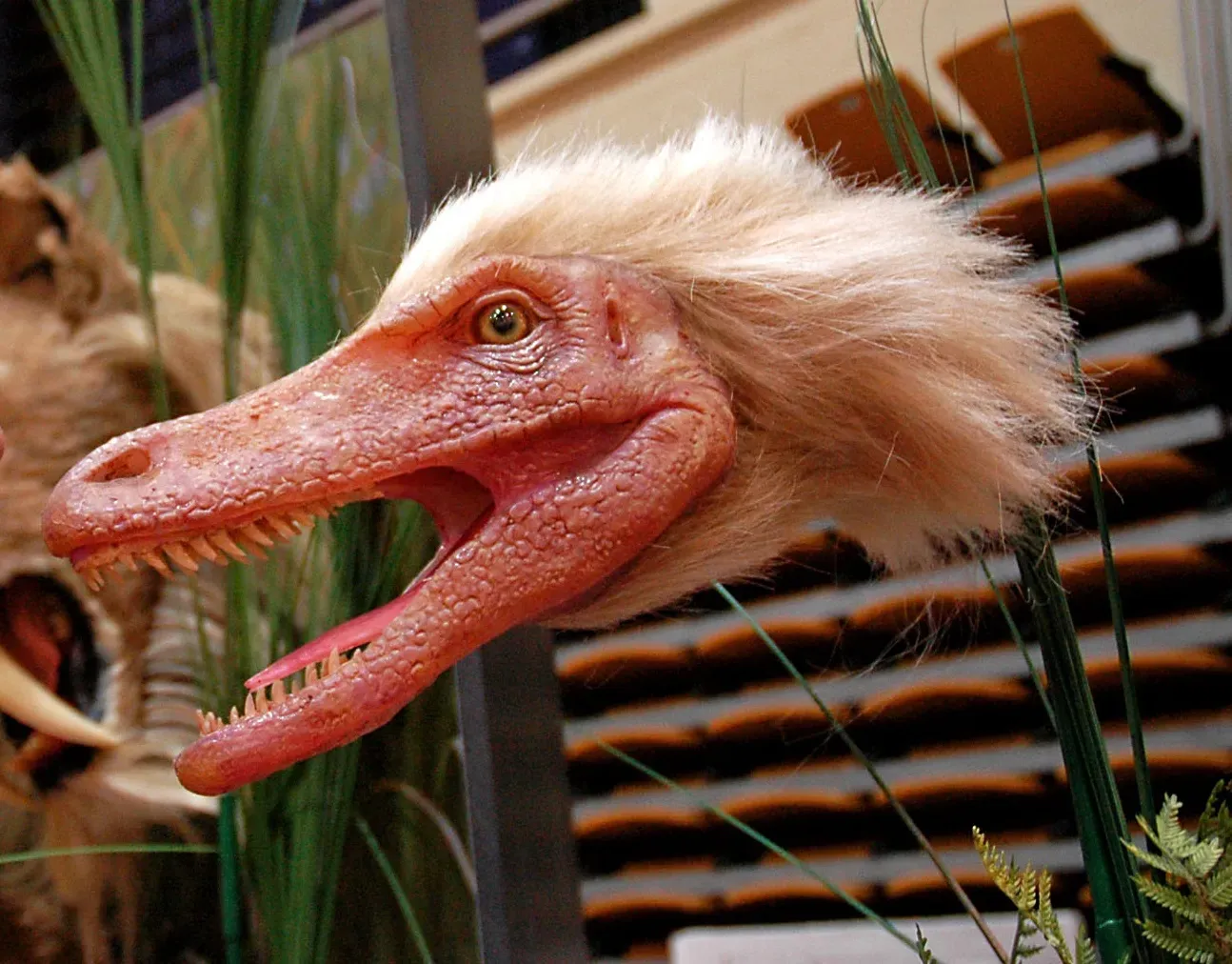
Velociraptors possessed binocular vision, which allowed them to perceive depth and distance accurately, an adaptation useful for hunting and avoiding predators. Most prey animals have eyes on the sides of their heads for maximum field of view. Predators, though, need something different.
The forward-facing eye placement of velociraptors meant their visual fields overlapped, creating stereoscopic vision. Well-developed optic lobes suggest sharp vision and depth perception, giving them the ability to judge distances with precision. This would have been essential when launching themselves at prey or navigating complex terrain at speed. It’s hard to overstate how much of an advantage this would have been in a world full of fast-moving targets.
Their Hearing Was Remarkably Sophisticated
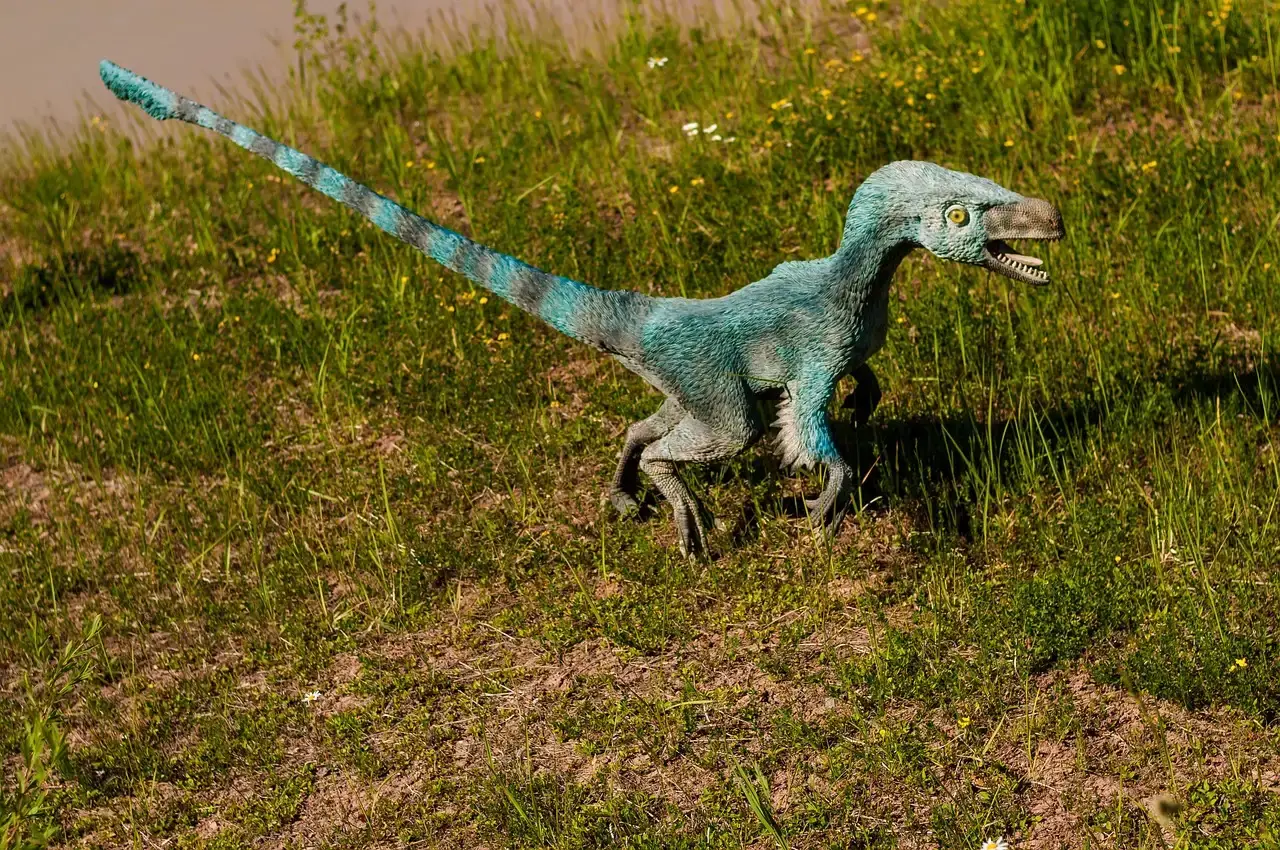
With large auditory regions in their brains, velociraptors had enhanced hearing, particularly sensitive to low-frequency sounds. While we often focus on their visual hunting abilities, their auditory capabilities were equally remarkable. Think about how wolves can hear a mouse rustling under snow.
The structure of their inner ear, revealed through endocasts, suggests an acute sense of hearing, similar to modern ravens. Low-frequency sensitivity would have helped them detect the movements of prey animals from considerable distances, even through vegetation or in low-light conditions. This sensory toolkit meant they could hunt effectively across different times of day and in varied environments.
Feathers Served Multiple Intelligent Functions
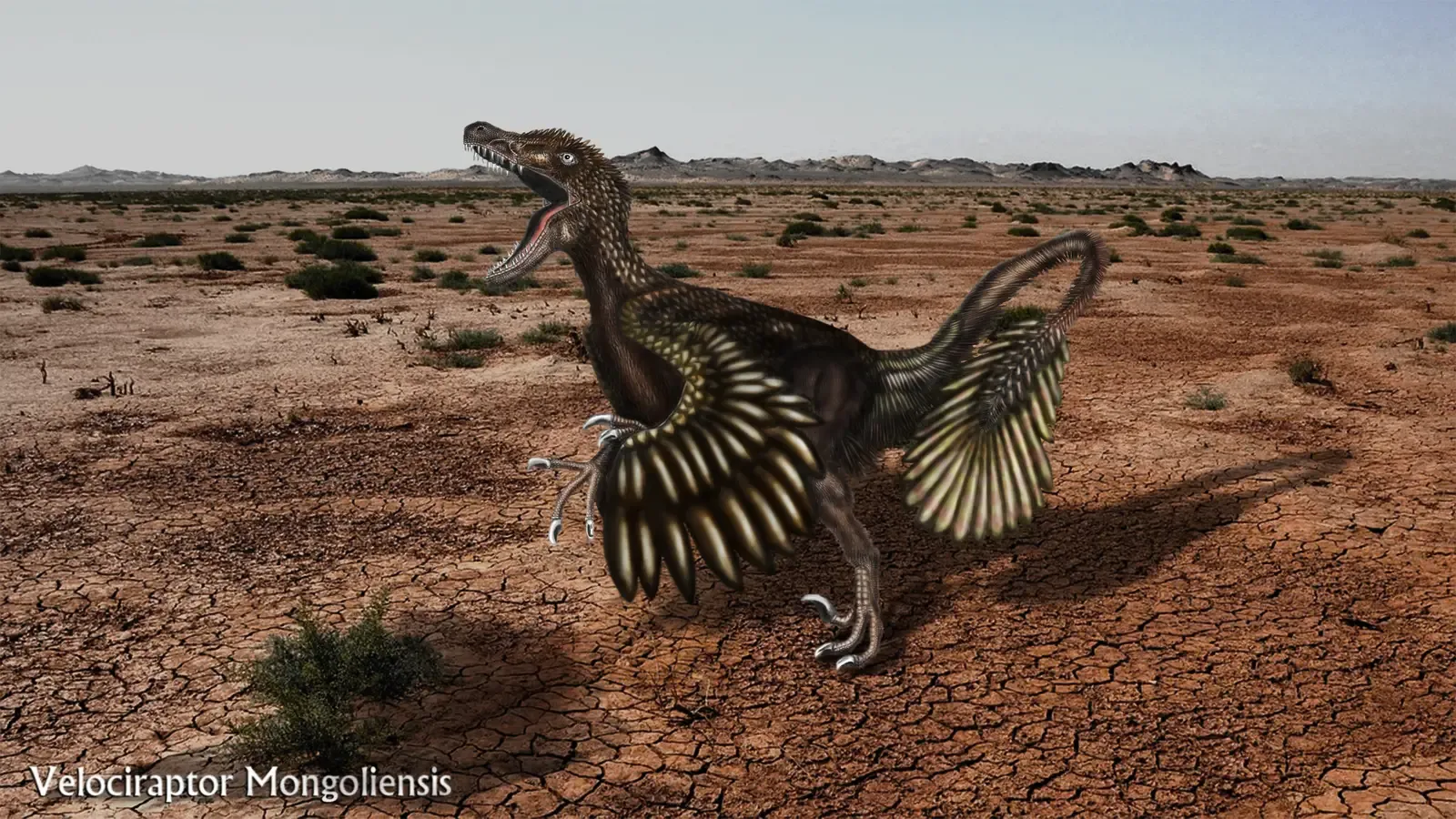
Let’s be real, the feathered velociraptor doesn’t match the scaly monster from the movies. The presence of quill knobs on velociraptor fossils indicates they had feathers similar to modern birds, suggesting a closer relationship to birds and implying a level of bodily awareness and complex behaviors related to display and communication.
Their plumage likely facilitated camouflage and enhanced aerodynamic control, improving stealth and maneuverability during high-speed chases. The feathers weren’t for flight, obviously, but they could have helped with sharp turns and sudden direction changes. Feathers could have been used for display purposes, such as attracting mates or intimidating rivals, which suggests a level of self-awareness and social complexity. Using visual displays for communication requires recognizing that others can see you and understand your signals.
Evidence Suggests Problem-Solving Abilities
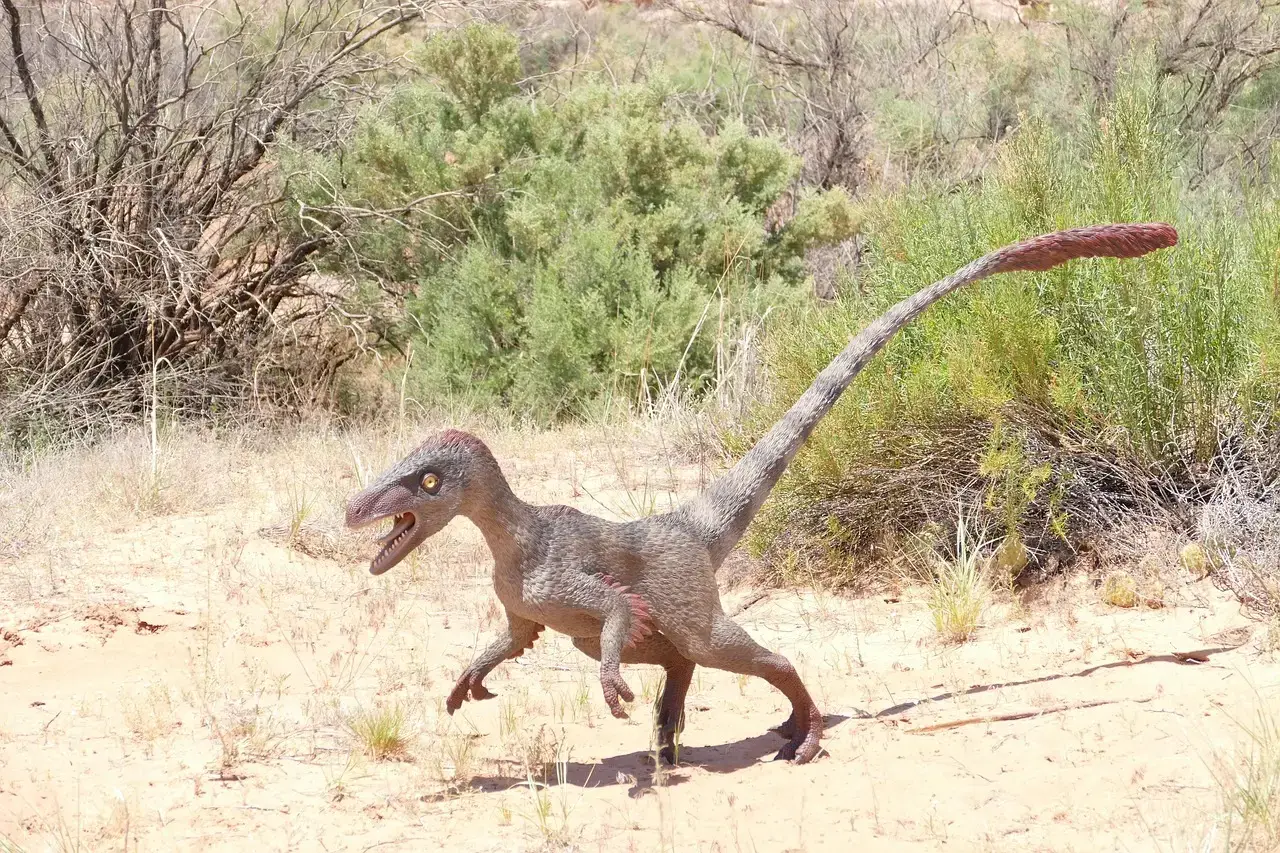
The mix of bird-like cerebrum and reptile-like mid and hindbrain suggests velociraptors possessed sharper senses, faster response times, better coordination, and superior learning abilities compared to other dinosaurs of their period. Learning ability is one of the key markers of intelligence we look for.
Their intelligence allowed them to navigate and survive in different environments, including forests, deserts, and open grasslands. Adapting to varied habitats requires more than just physical versatility. It demands the cognitive flexibility to recognize different food sources, understand new threats, and modify behavior accordingly. While we can’t observe them solving puzzles in a lab, the indirect evidence points to creatures capable of genuine problem-solving.
They May Have Engaged in Strategic Hunting
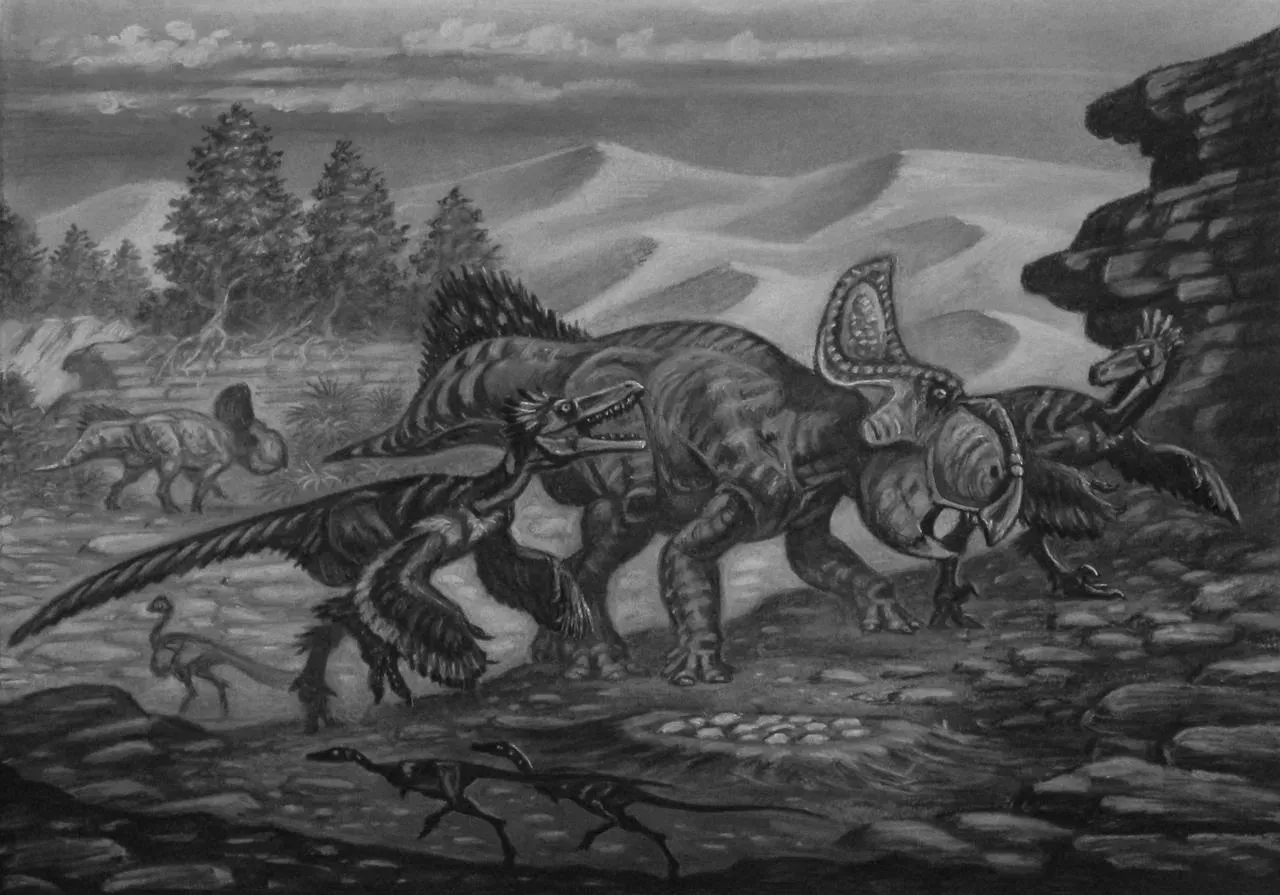
The pack hunting debate remains controversial among scientists. Recent analysis suggests raptors likely did not hunt in big, coordinated packs like dogs, with behavior more similar to Komodo dragons, where individuals may attack the same animal but cooperation is limited. Still, even opportunistic group feeding requires some level of awareness and tactical thinking.
Velociraptors preyed on small to medium-sized animals, utilizing speed, agility, and specialized sickle claws, with feathers possibly allowing them to engage in camouflage to enhance ambush abilities. Whether hunting alone or in loose groups, they needed to approach prey without detection, time their attacks, and deliver precise strikes. That’s strategic thinking, even if it doesn’t rise to the level of wolves coordinating a takedown.
Social Behaviors Indicated Cognitive Complexity
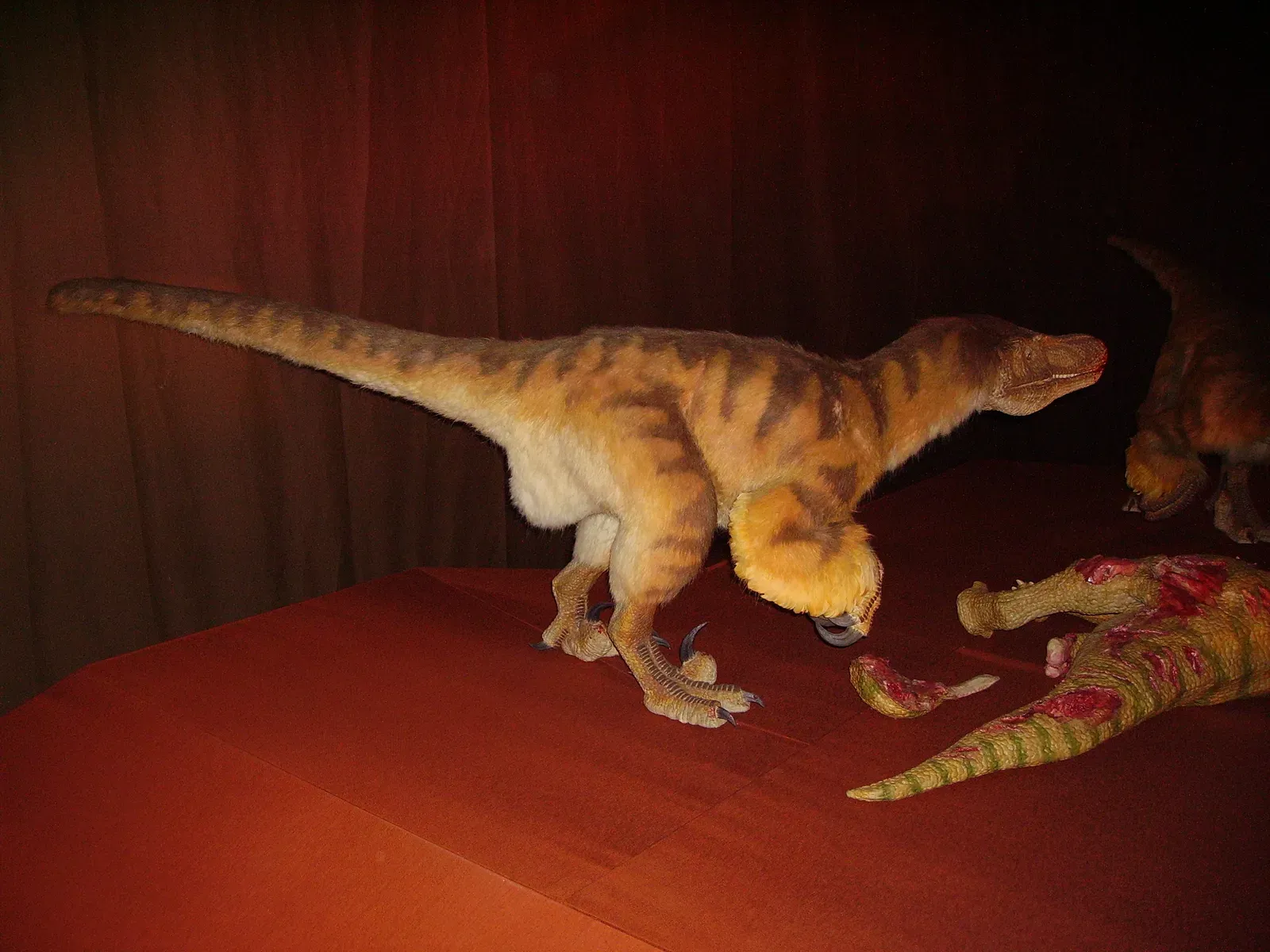
Fossilized velociraptor nesting grounds show these predators may have lived together in communities while raising their young. Living in groups, even temporary ones, requires navigating social dynamics. If velociraptors were capable of complex communication and coordination, they possibly had a sophisticated social structure that could include dominance hierarchies, cooperative breeding behaviors, and even cultural transmission of behaviors.
One skull bearing puncture wounds matching the spacing of velociraptor teeth suggests the wound was likely inflicted by another velociraptor during intraspecific fighting. Social conflict actually indicates cognitive sophistication. Establishing dominance hierarchies, defending territories, and competing for mates all require recognizing individuals, remembering past interactions, and making decisions based on social context.
Conclusion
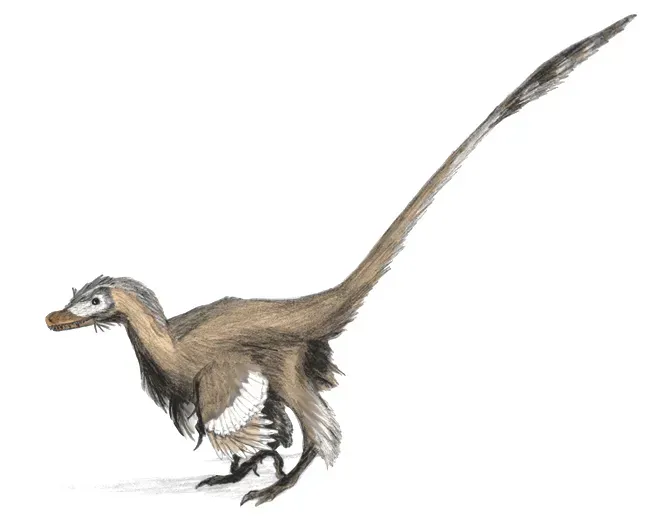
The real velociraptor was smaller, featherier, and less terrifyingly intelligent than Hollywood’s version. Yet in many ways, the truth is more intriguing than the fiction. These creatures represented an evolutionary peak in dinosaur cognition, with brain structures, sensory capabilities, and behavioral complexity that set them apart from most of their contemporaries.
Understanding velociraptor intelligence gives us a window into how cognitive abilities evolved in the lineage that would eventually lead to modern birds. From crows solving multi-step puzzles to parrots using tools, avian intelligence traces back through millions of years to these feathered dinosaurs prowling ancient Mongolia. What aspects of velociraptor behavior surprise you most? Would you have wanted to encounter one in the wild?