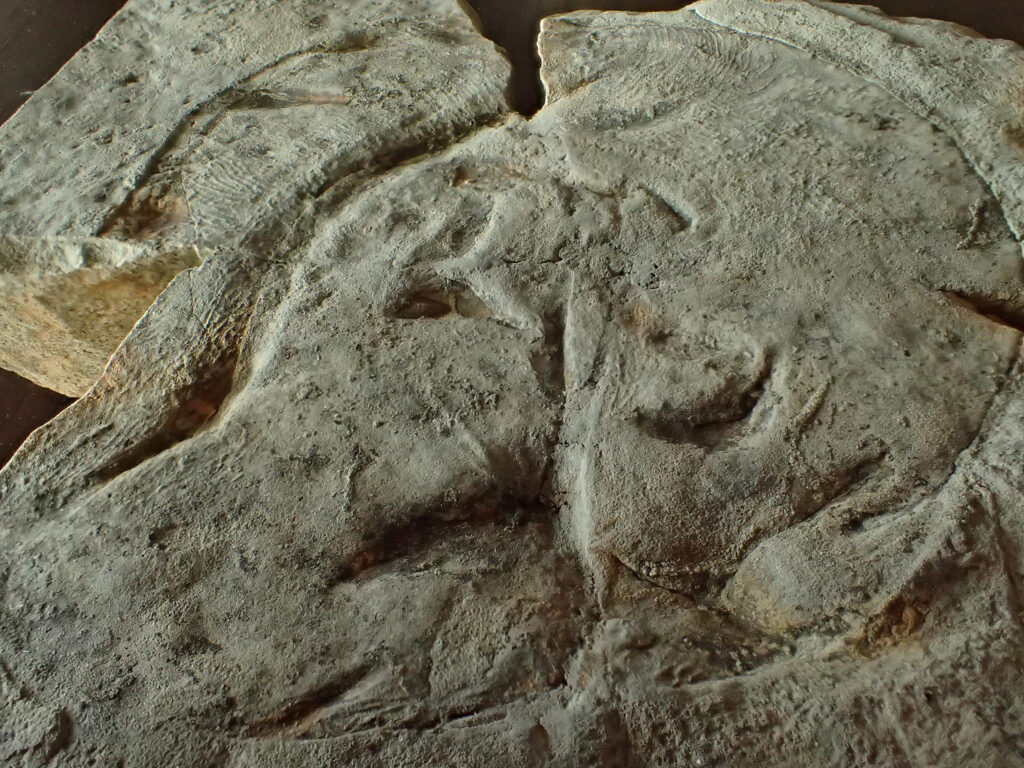
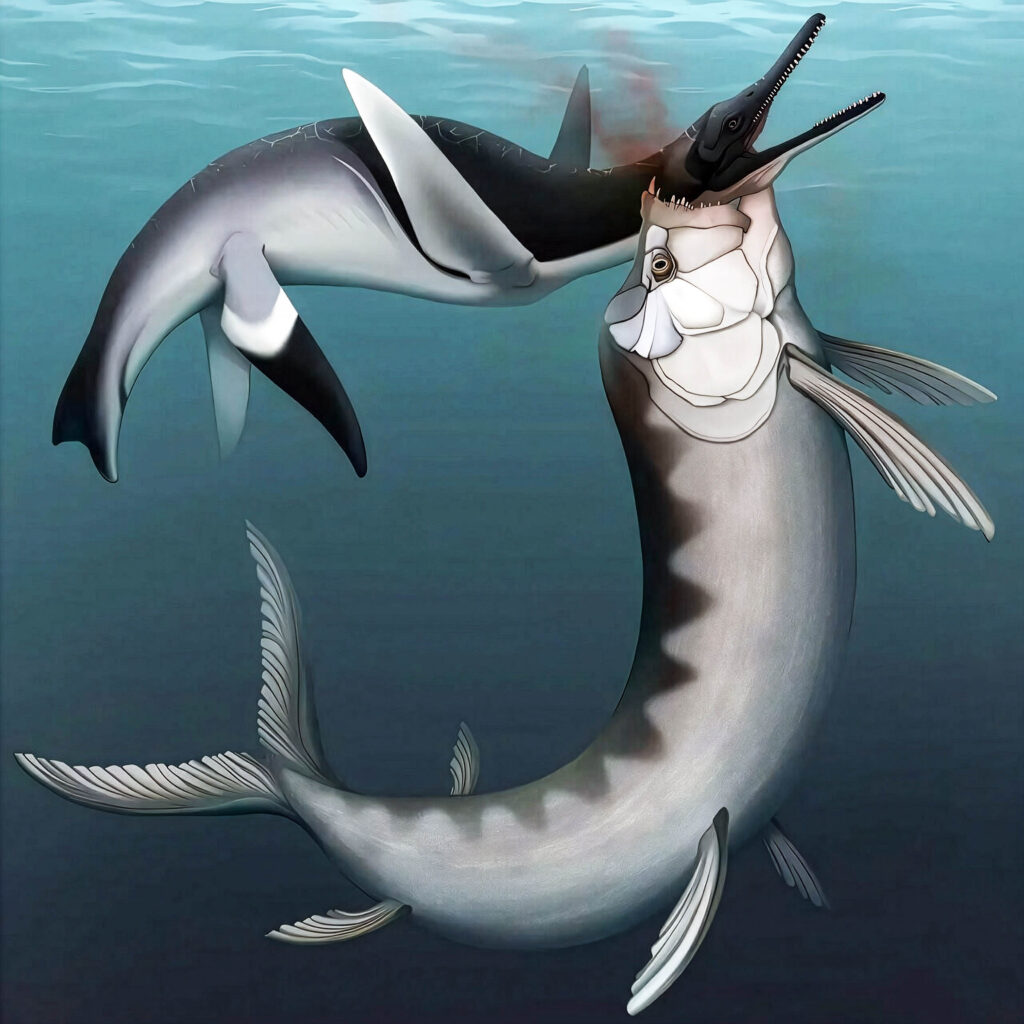
Alabama – Paleontologists uncovered a gripping snapshot of Cretaceous violence in the Mooreville Chalk Formation, where a four-meter-long Polycotylus plesiosaur met its end from a predator’s savage bite. A massive tooth, deeply embedded in the reptile’s neck vertebra, preserved the evidence of this fatal clash approximately 80 million years ago. The discovery challenges long-held views of ancient marine hierarchies and highlights the perils faced by even top predators in those turbulent seas.
A Serendipitous Spot in a Chicago Museum
A Serendipitous Spot in a Chicago Museum (Image Credits: Facebook)
Professor Christopher Brochu from the University of Iowa spotted the anomaly while sifting through specimens at the Field Museum of Natural History in Chicago. He examined the drawer for teaching materials on fossil crocodiles but paused at the Polycotylus vertebra pierced by a jagged tooth. “I sometimes look at other material to see if there’s anything I can show in my classes, and that’s when I saw the bitten vertebra,” Brochu recalled.
The fossil originated from Alabama’s Mooreville Chalk, part of the Western Interior Seaway that once split North America. This formation yields abundant marine remains, including sharks, fish, and reptiles. Researchers recognized the potential significance immediately, as such direct evidence of predator-prey interaction remains exceedingly rare.
High-Tech Analysis Reveals the Culprit
Lead author Stephanie K. Drumheller of the University of Tennessee, Knoxville, spearheaded the investigation. Undergraduates Miles Mayhall and Emma Stalker conducted computed tomography (CT) scans to peer inside the fossil without harm. They constructed a three-dimensional model of the tooth, confirming its match to Xiphactinus, a massive predatory bony fish.
The tooth appeared shattered at both ends from the bite’s force and subsequent fossilization. Xiphactinus, known from “fish-within-a-fish” fossils where it swallowed prey whole, measured up to six meters in length. This identification marked a breakthrough, linking the fish definitively to the attack.
The Anatomy of a Fatal Throat Strike
The tooth lodged in a mid-neck vertebra, piercing structures vital to survival: the trachea, esophagus, major arteries, veins, and nerves. Plesiosaurs like Polycotylus boasted iconic long necks for snaring prey, yet this feature proved a deadly weakness. Coauthor Robin O’Keefe of Marshall University noted, “Plesiosaurs are famous for their long necks, but those necks come at a price… A bite to the neck by Xiphactinus would have certainly proved fatal to this animal, if the Polycotylus was not already dead.”
The Polycotylus specimen stretched about four meters, slightly smaller than a typical adult. Such a wound likely caused rapid death, whether from blood loss, asphyxiation, or shock. The embedded tooth endured millions of years of burial, emerging as stark testimony to the encounter’s brutality.
Reshaping Views of Cretaceous Ocean Dynamics
The Mooreville Chalk paints a picture of a perilous seascape teeming with apex hunters: enormous fish, sharks, mosasaurs, and plesiosaurs. Bite marks abound on fossils there, from multiple assailants targeting diverse prey, even drifting dinosaur carcasses. Yet this case stands out, documenting conflict between two elite predators.
Drumheller emphasized the nuance: “We sometimes get these fixed ideas in our heads about who the top predator in any given environment is and who might rest a rung or two down on the food chain. This fossil is a good reminder that nature is rarely that cut and dry.” The clash likely stemmed not from predation – Xiphactinus was too large to consume the plesiosaur whole – but from competition over territory or food.
- Polycotylus: Short-necked plesiosaur, agile swimmer, hunted fish and squid with interlocking teeth.
- Xiphactinus: Streamlined giant with powerful jaws, gulped smaller fish; occasional scavenger or fighter.
- Mooreville Chalk: Rich in Campanian fossils (~80 Ma), reflects shallow seaway’s biodiversity.
- Study methods: Non-destructive CT imaging, comparative tooth morphology.
- Implications: Inter-predator violence common, blurring food chain lines.
Key Takeaways
- A Xiphactinus tooth in a Polycotylus neck vertebra provides direct proof of a lethal strike 80 million years ago.
- CT scans by students enabled precise identification without specimen damage.
- The find underscores a chaotic Cretaceous ecosystem where giants preyed on giants.
This Alabama fossil endures as a window into the unforgiving Cretaceous oceans, where survival demanded constant vigilance amid fellow titans. It reminds us that ancient seas held dramas as fierce as any modern thriller. What do you think about this predator showdown? Tell us in the comments.