You ever wonder how some creatures manage to survive in places where you and I wouldn’t last an hour? Nature has this incredible way of designing solutions that seem almost impossible. From deserts where water is more valuable than gold to frozen wastelands that make your freezer look tropical, wildlife has developed some truly mind-blowing tricks to stay alive. These aren’t your everyday survival skills we’re talking about here. These are adaptations so unusual, so perfectly tuned to extreme conditions, that they challenge everything we think we know about the limits of life itself. Let’s dive in and explore some of the most extraordinary survival mechanisms the animal kingdom has to offer.
The Wood Frog’s Frozen Resurrection
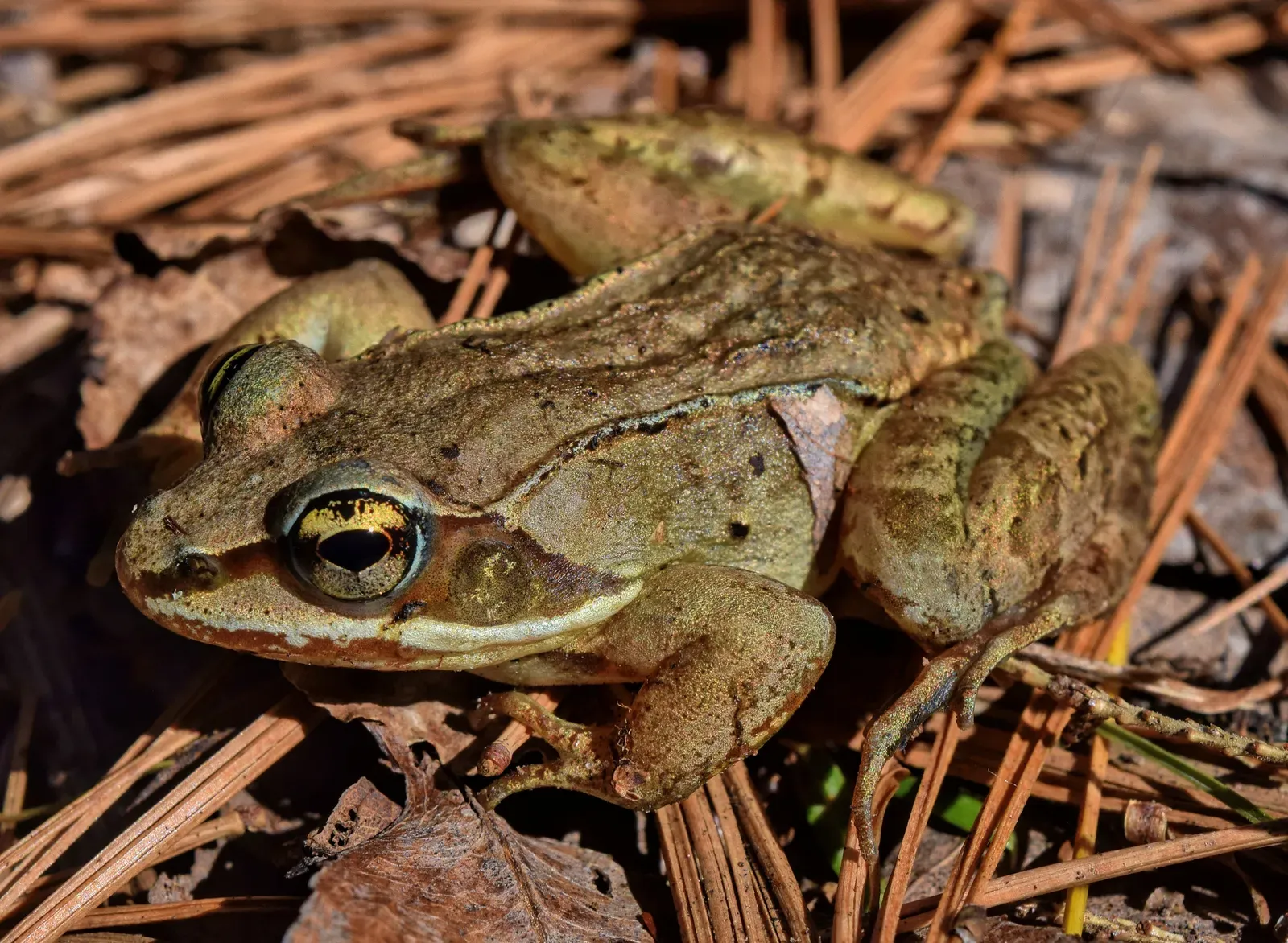
When temperatures plummet to deadly lows, the wood frog takes an approach that seems ripped straight from science fiction: it freezes itself solid. Think about that for a second. These amphibians have no heartbeat during hibernation, they don’t breathe, and in spring, once they thaw, their hearts start beating again.
During the first few weeks of freezing, ice fills their abdominal cavity and forms between layers of skin and muscle, while the frog’s liver produces large amounts of glucose, which prevents their cells from freezing and binds water molecules to prevent dehydration. This isn’t just survival; it’s like putting life itself on pause. This adaptation allows them to become active much earlier in the spring than other frogs and to breed in pools of freshly melted water. What a bizarre and brilliant advantage over competitors.
The Kangaroo Rat’s Water-Free Existence
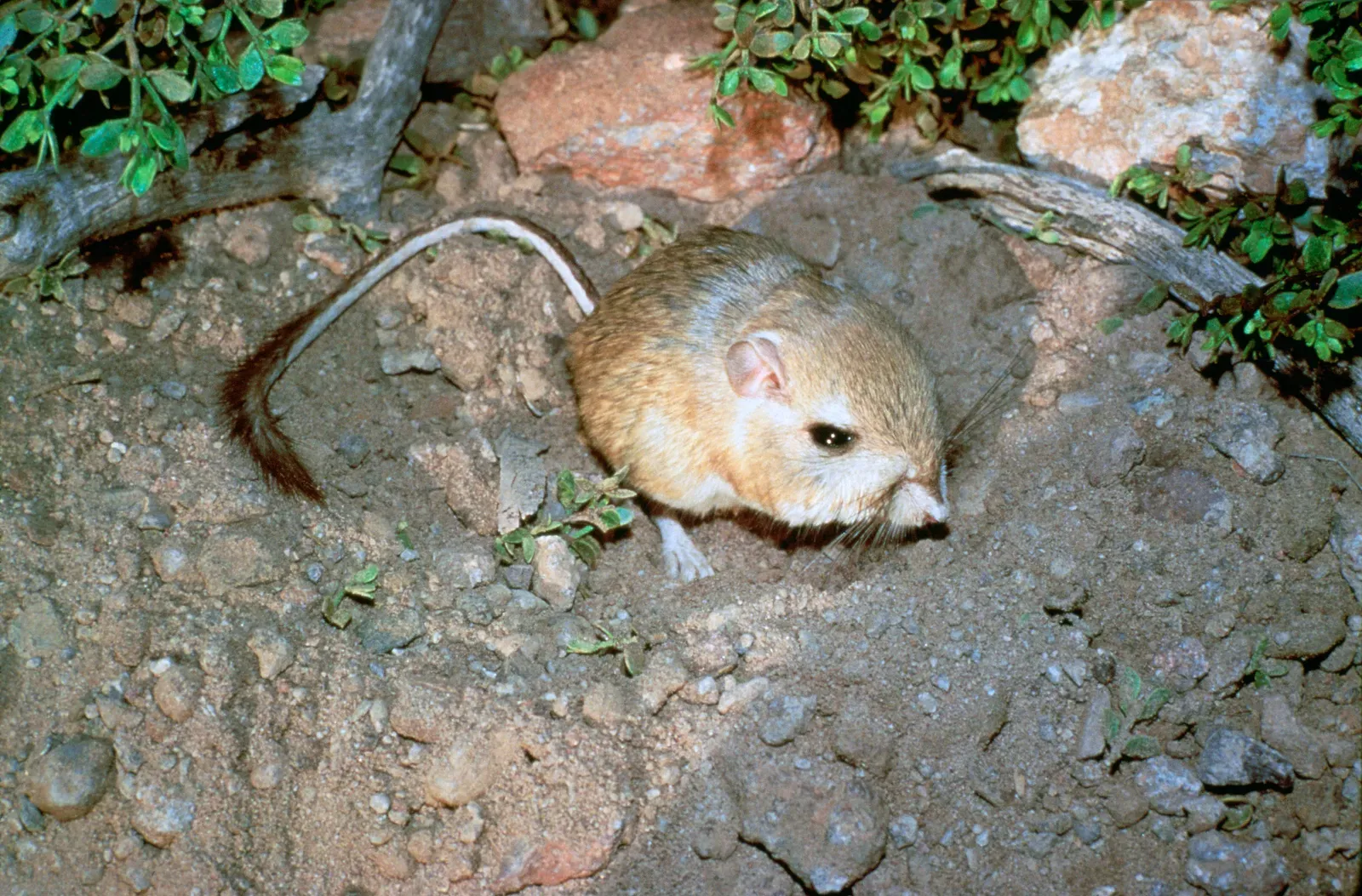
Here’s the thing: water is supposed to be essential for life. Yet the kangaroo rat laughs in the face of that biological rule. Living in the arid deserts of western North America, kangaroo rats don’t have much water available to them, so these tiny mammals have evolved to eat primarily seeds, which usually provide them with all the water they need.
As a result, kangaroo rats’ kidneys produce a type of urine that contains very little liquid compared to other mammals, helping them conserve water for when they need it most, in the hotter and drier summer months. In addition to this fascinating adaptation, kangaroo rats have evolved the ability to leap up to nine feet in the air, which helps them avoid predators like owls and snakes. It’s hard to say for sure, but combining metabolic genius with athletic prowess might just be the perfect desert survival package.
The Pufferfish’s Toxic Transformation
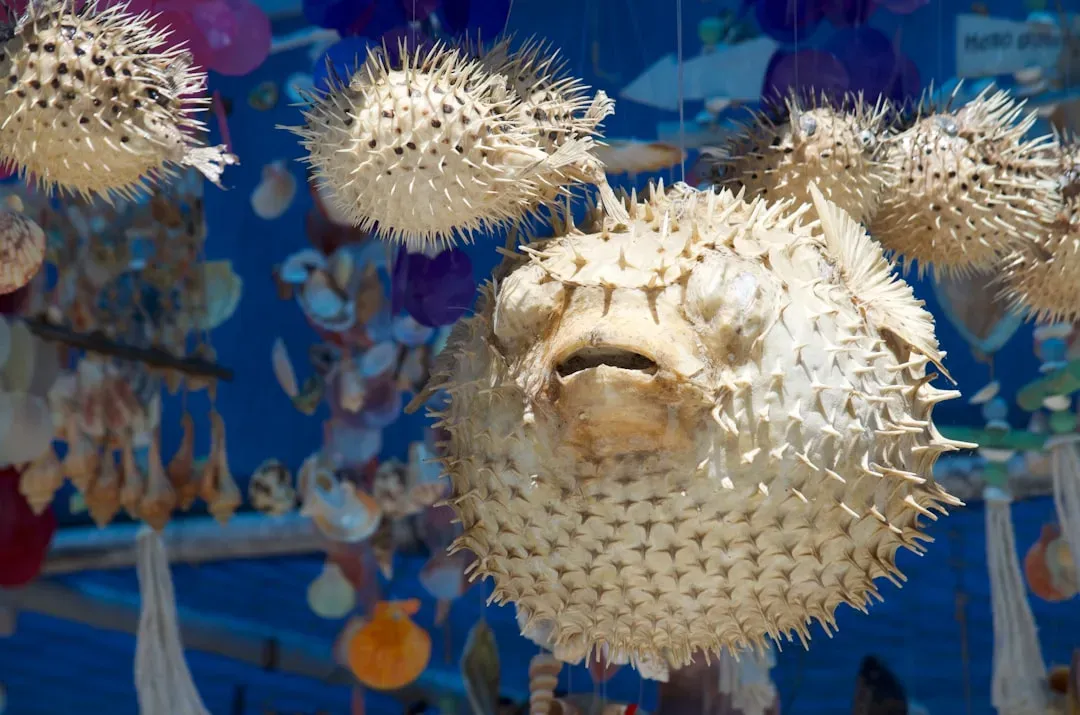
As slow-swimming fish, it’s difficult for pufferfish to escape their predators, which include some shark species, so to make up for this, pufferfish can inflate their stomachs with water when they feel threatened, growing their whole body to double its original size. Imagine being a predator expecting an easy meal and suddenly your target transforms into a spiky basketball.
In addition to puffing themselves up, most pufferfish species produce a neurotoxin called tetrodotoxin, which can cause paralysis and seizures, and it can even be fatal to humans. Let’s be real, that’s overkill in the best possible way. Nature didn’t just give these fish one defense mechanism; it gave them two brutal ones. The combination of physical inflation and chemical warfare makes the pufferfish one seriously well-protected creature.
The Axolotl’s Regenerative Miracle
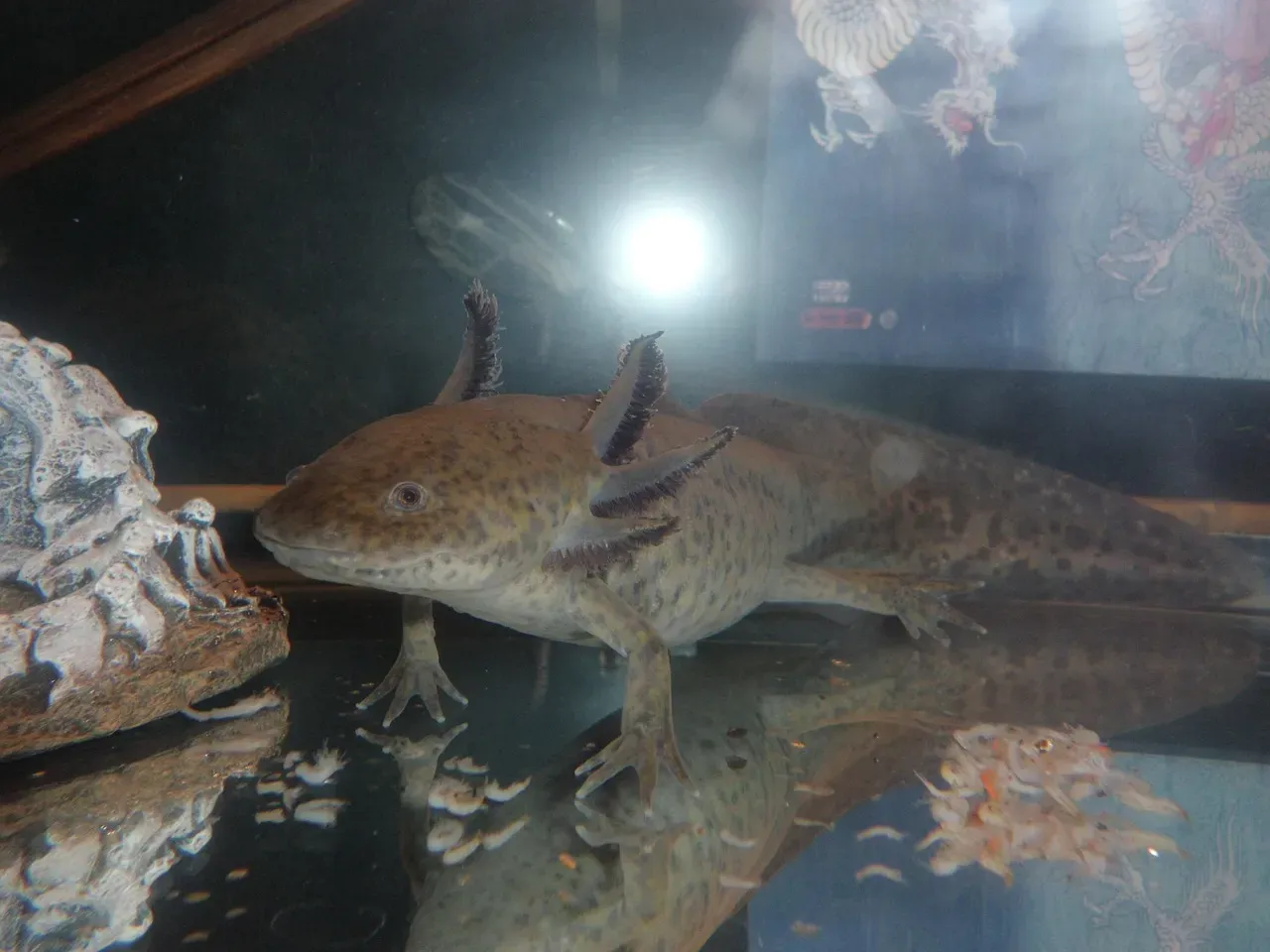
Native to the lake systems of Mexico, the axolotl is a unique type of salamander that retains its larval features throughout its life and is renowned for its extraordinary ability to regenerate limbs, spinal cords, and even parts of vital organs like the heart and brain. Think about what that means for a moment. Most animals lose a limb and that’s it, game over.
This incredible adaptation has made the axolotl a focal point for medical research, with scientists studying its potential applications for human tissue regeneration, and its remarkable regenerative abilities give it a survival advantage in the wild, allowing it to recover from injuries that would be fatal to most species. Honestly, if we could bottle whatever biological magic these creatures possess, we’d revolutionize medicine overnight. The axolotl doesn’t just heal; it rebuilds itself from catastrophic damage like it’s no big deal.
The Bombardier Beetle’s Chemical Warfare
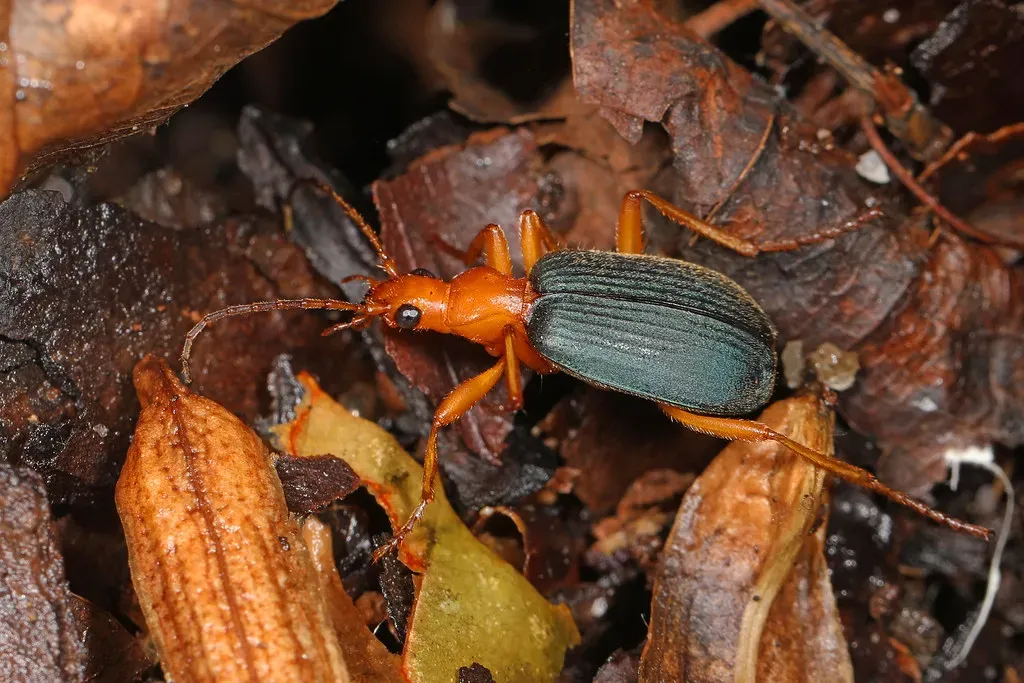
When it comes to creative defense mechanisms, few creatures can compete with the bombardier beetle. This spray, reaching temperatures close to 100°C, can be discharged in rapid bursts, effectively deterring predators, and found across the globe, particularly in tropical and temperate regions, this beetle’s ability to mix and release chemical compounds on demand demonstrates a highly effective evolutionary adaptation for survival.
Let me paint you a picture: this tiny insect basically has a built-in chemical weapon that it can fire multiple times. The beetle stores two separate chemicals in its body, and when threatened, it mixes them together in a special chamber, creating an explosive, boiling-hot spray. I know it sounds crazy, but that’s exactly what happens. Predators that make the mistake of attacking this beetle once rarely try again.
The Thorny Devil’s Skin-Based Hydration System
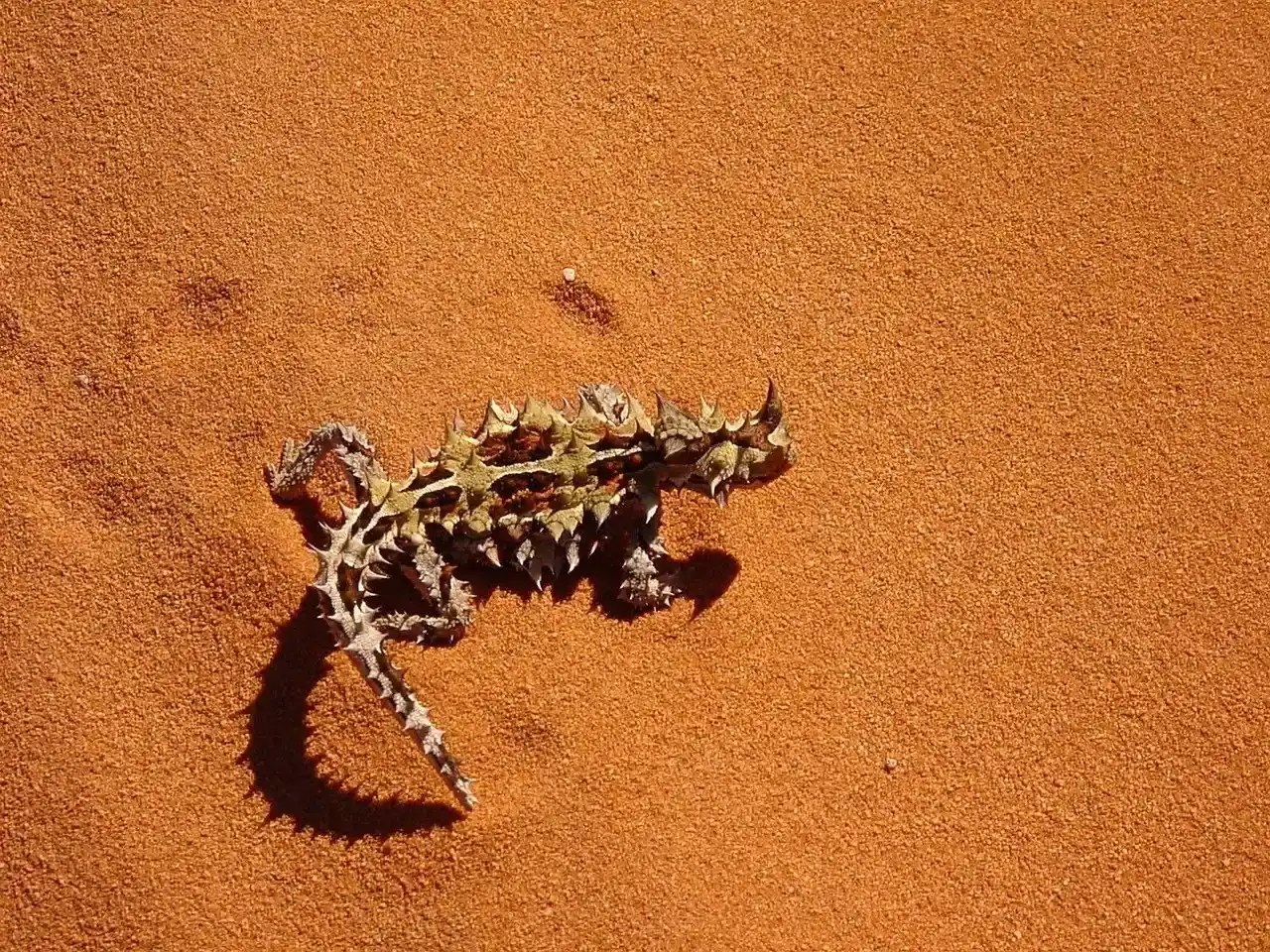
The thorny devil, a small Australian desert lizard, possesses a unique microchannel system on its skin that directs dew and rain to its mouth. Picture this: a lizard that drinks through its skin. The surface of its body is covered in microscopic grooves that act like a water highway, channeling every precious drop directly to where it’s needed most.
In regions where rainfall is incredibly sparse but occasionally present, this adaptation becomes a lifeline. The thorny devil doesn’t need to search for water sources or compete at watering holes. Instead, it wears its drinking system like armor. Horned lizards have developed an intricate system for capturing dew drops on their body which they use as drinking water, and they also have powerful defensive mechanisms like their sharp horns and the ability to squirt blood from their eyes as a deterrent against predators. That blood-squirting trick? Nature really went all out designing this creature.
The Tardigrade’s Indestructible Survival Mode
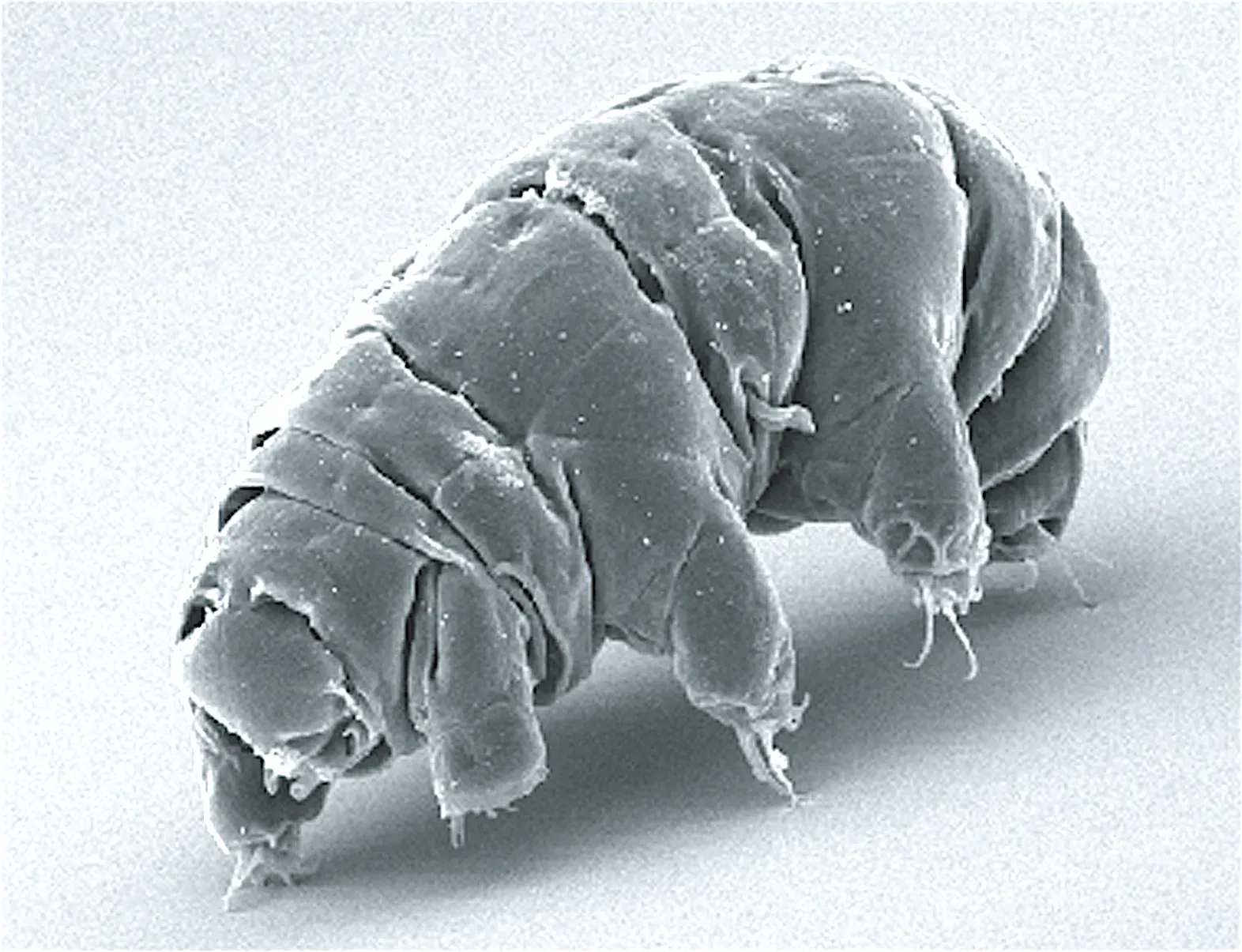
Tardigrades, also known as water bears, are microscopic creatures measuring only 0.1 to 1.5 millimeters that are capable of surviving conditions that would obliterate most other life forms, and they can endure temperatures ranging from just above absolute zero to over 150°C. These little guys are basically the superheroes of the microscopic world.
Their secret lies in a state known as cryptobiosis, where they dry out and reduce their metabolism to almost zero, allowing them to withstand radiation, desiccation, and a lack of oxygen for decades, and this incredible adaptability has made them subjects of extensive scientific study, particularly in the field of astrobiology, where researchers explore their potential to survive on other planets. Think about that: these creatures can survive in the vacuum of space, withstand radiation levels that would kill pretty much anything else, and go without food or water for years. If life exists elsewhere in the universe, it might look something like a tardigrade.
Conclusion
The natural world never ceases to amaze with its creative solutions to survival challenges. These seven adaptations represent just a tiny fraction of the incredible diversity life has developed over millions of years. From freezing solid and coming back to life, to drinking through skin, to surviving conditions that would destroy most known organisms, these creatures remind us that life finds a way, no matter how extreme the circumstances.
What strikes me most is how each adaptation is so perfectly suited to its specific challenge. There’s no wasted effort, no unnecessary complexity – just elegant, effective solutions honed by countless generations. Did you expect nature to be this inventive? What do you think about these remarkable survival strategies?