Dorset, England – Around 145 million years ago, a coastal lagoon bustled with dinosaurs, pterosaurs, crocodiles, and turtles. Amid these giants scurried a mouse-sized mammal equipped with razor-sharp teeth suited for a varied diet. A University of Portsmouth student recently uncovered its fossilized jaw, offering fresh insights into creatures that navigated a perilous prehistoric world.
A Beach Find That Dropped Jaws
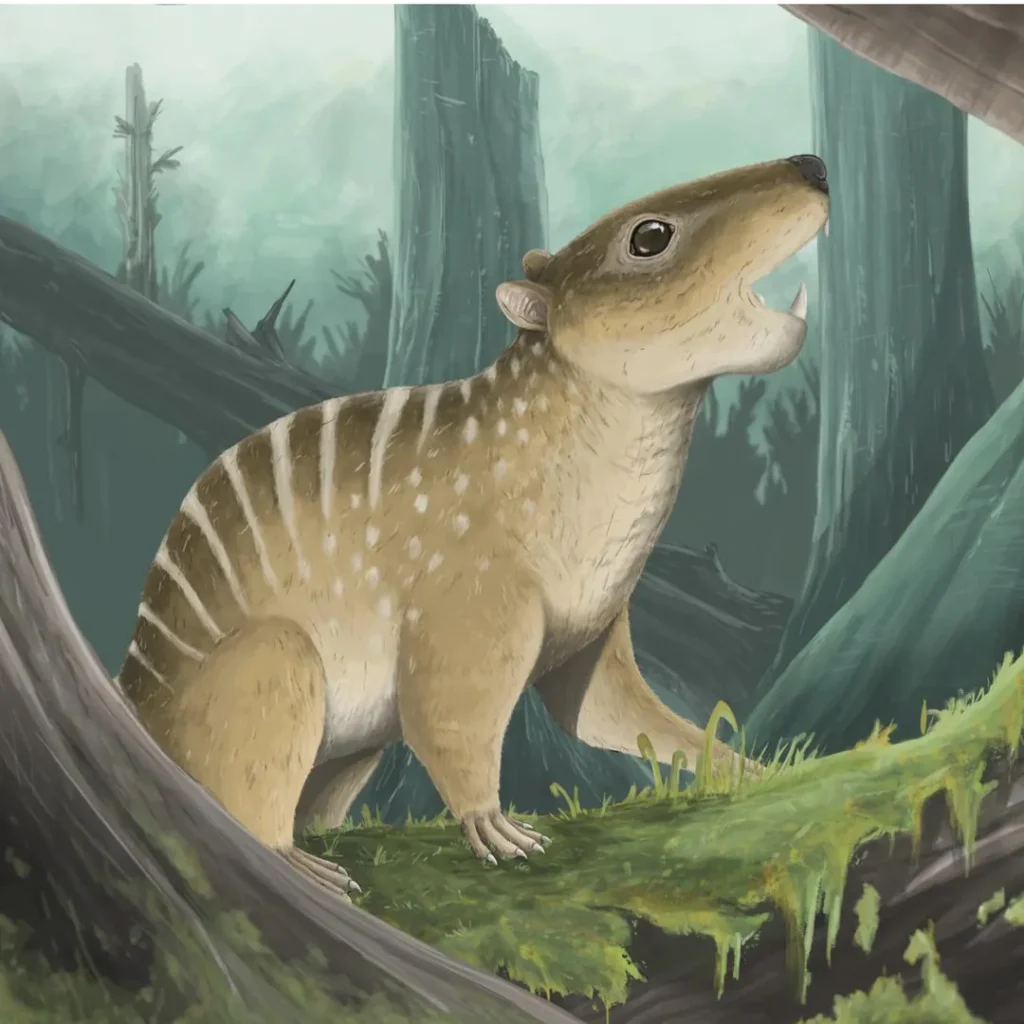
A Beach Find That Dropped Jaws (Image Credits: Reddit)
Benjamin Weston, a 22-year-old undergraduate paleontology student, spotted the 16.5-millimeter jaw fragment during a field trip at Durlston Bay near Swanage. He immediately suspected its importance, though the full implications surprised even seasoned researchers. The specimen marked the first multituberculate jaw discovered in the area since the Victorian era.
Weston shared his excitement after publication in the Proceedings of the Geologists’ Association. “I instantly had my suspicions of what the jaw was when I found it at the beach, but couldn’t have imagined where the discovery would take me,” he said. The fossil’s completeness allowed quick identification as a new species: Novaculadon mirabilis.
Teeth Built for Survival
The jaw preserved a long, pointed incisor and four sharp premolars separated by a distinctive gap. No molars remained, but the premolars formed a cutting edge ideal for slicing tough vegetation or small prey. Researchers described the teeth as razor-like, earning the genus name from the Latin word for razor, novacula.
“The premolars form quite a sharp cutting edge,” noted Steven Sweetman, a paleontologist at the University of Portsmouth and co-author of the study. Novaculadon likely fed on insects, worms, and plants as an omnivore. This setup differed from modern rodents, highlighting unique adaptations in early mammals.
Multituberculates: Mesozoic Longevity Champs
Novaculadon belonged to multituberculates, an extinct order named for the tubercle-like bumps on their molars. These rodents of the dinosaur age ranged from mouse to beaver size and occupied diverse niches, from burrowers to tree climbers. Over 200 species existed, thriving for more than 130 million years alongside reptilian giants.
They endured the asteroid impact that doomed non-avian dinosaurs 66 million years ago but faded around 33 million years ago. Experts likened their role to modern rats: scavenging, seed dispersal, and insect control while dodging massive feet. “This wasn’t some meek, pathetic creature – it was an animal that was well adapted to its particular lifestyle,” said Steve Brusatte, a vertebrate paleontologist unaffiliated with the study.
- Size range: Mouse to beaver-like.
- Diet: Omnivorous, with specialized teeth for varied foods.
- Longevity: Survived dinosaurs but not the Oligocene.
- Ecological role: Seed dispersers and pest controllers.
- Fossil abundance: Over 200 species known from Mesozoic rocks.
Modern Tech Unlocks Ancient Secrets
A team effort brought the fossil to light. Charles Wood performed CT scans, Jake Keane processed the data digitally, and John Fearnly created 3D-printed replicas. These non-invasive techniques isolated teeth without risk to the delicate specimen. Hamzah Imran even produced an artistic reconstruction.
Sweetman praised the site’s productivity: “It’s incredible that Durlston Bay keeps delivering such significant mammal discoveries by our undergraduate students.” The Berriasian-age rock from the Lulworth Formation preserved the jaw intact, suggesting the animal died nearby without transport damage.
Key Takeaways
- Novaculadon mirabilis expands knowledge of Early Cretaceous mammal diversity.
- Multituberculates proved resilient, outlasting dominant dinosaurs.
- Student-led discoveries highlight the value of hands-on fieldwork.
This fossil underscores how small mammals carved niches in a dinosaur-dominated world, demonstrating adaptability that echoed beyond the Mesozoic. Their story challenges views of early mammals as mere shadows. What do you think about these tiny survivors? Tell us in the comments.