When most people picture a dinosaur, they imagine something enormous, lumbering, and about as sharp as a boulder. You know the image: squinting little eyes, no expression, mindlessly stomping through prehistoric ferns. Honestly, it’s an image that science has been quietly dismantling for decades now, and the pace of those revelations has picked up dramatically in recent years.
Thanks to powerful CT scanning technology, advanced brain endocasting, and cross-species comparisons with living relatives, researchers are painting a radically different portrait of dinosaurs. One that is sharper, more sensory-rich, and far more ecologically complex than anyone imagined. So let’s dive in.
The CT Revolution: Seeing Inside Dinosaur Skulls
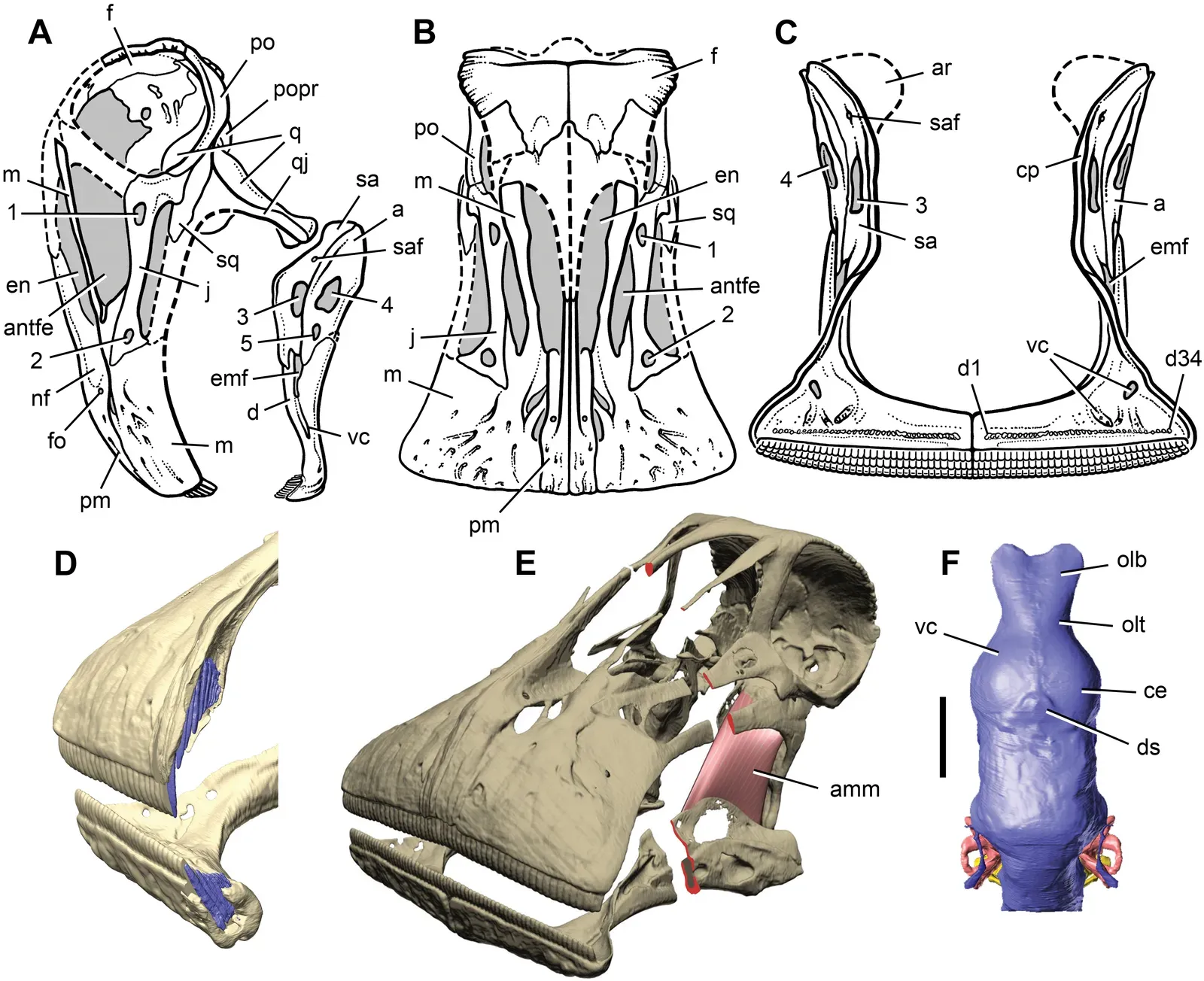
For most of paleontology’s history, figuring out what a dinosaur could see or hear was a matter of guesswork. You had the bones, and that was largely it. Then came the CT scanner, which changed everything almost overnight.
Ever since dinosaurs were first described in the early 1800s, paleontologists have debated their intelligence and sensory capabilities. Early investigations relied on natural endocasts, which are casts formed when sediment fills the empty space in a skull, and these casts replicate the shape of the braincase’s contents in life. It was clever, but limited.
Paleontologists are now showing that some of the most tantalizing clues about how extinct animals behaved are enclosed inside their skulls. Pairs of studies have detailed techniques using X-ray imaging to study the preserved inner ears and eye sockets of dinosaurs and other prehistoric reptiles, and these scans are allowing paleontologists to learn about aspects of dinosaurs’ lives that might otherwise have been lost to time. Think of it like finding an instruction manual inside a sealed, fossilized vault.
Although brains and sense organs do not fossilize, there are some approaches that allow scientists to approximate the sensory abilities of extinct dinosaurs. The relative size of different portions of the dinosaurian brain allows researchers to interpret which functions were emphasized and which were reduced in any given group. That’s a surprisingly elegant solution to an otherwise impossible problem.
T. rex Had Senses Built for Domination
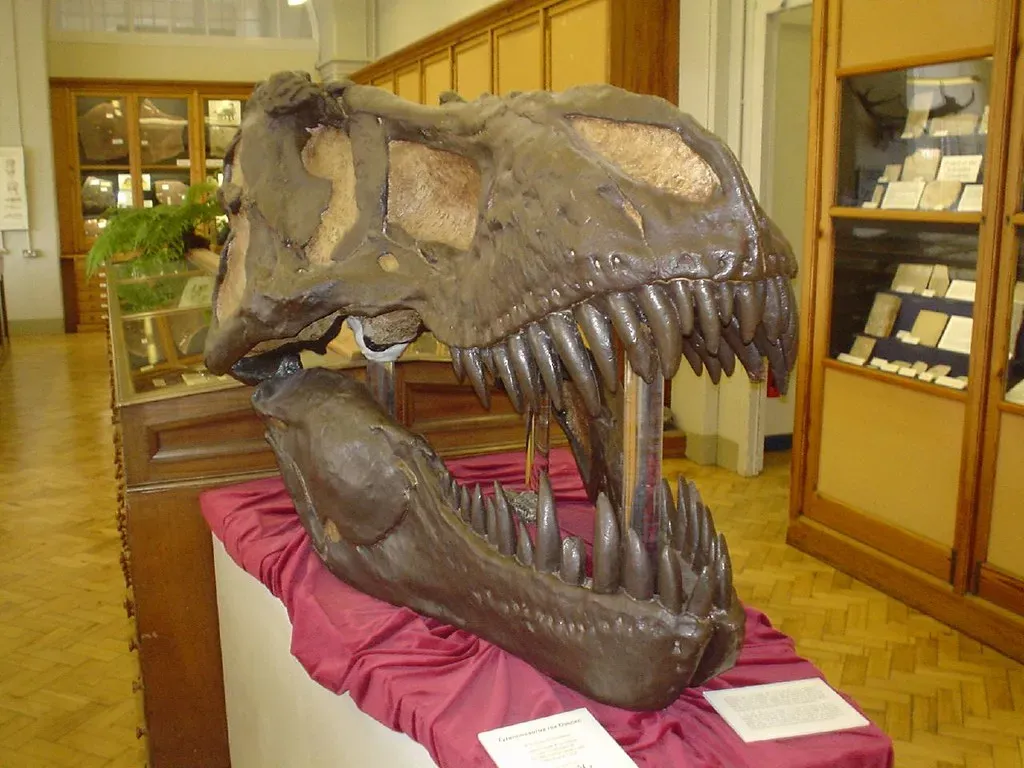
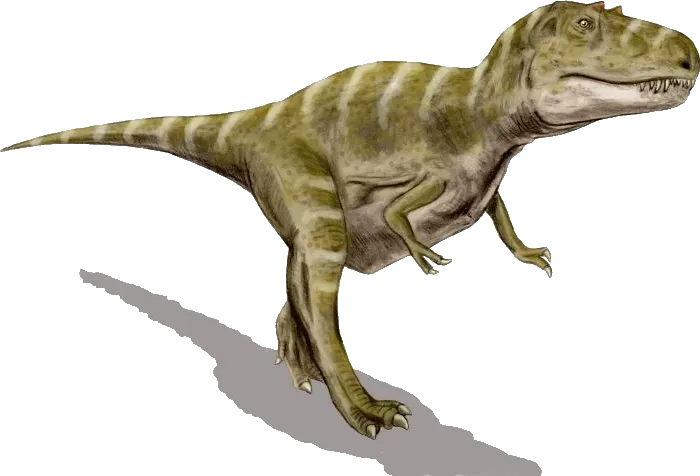
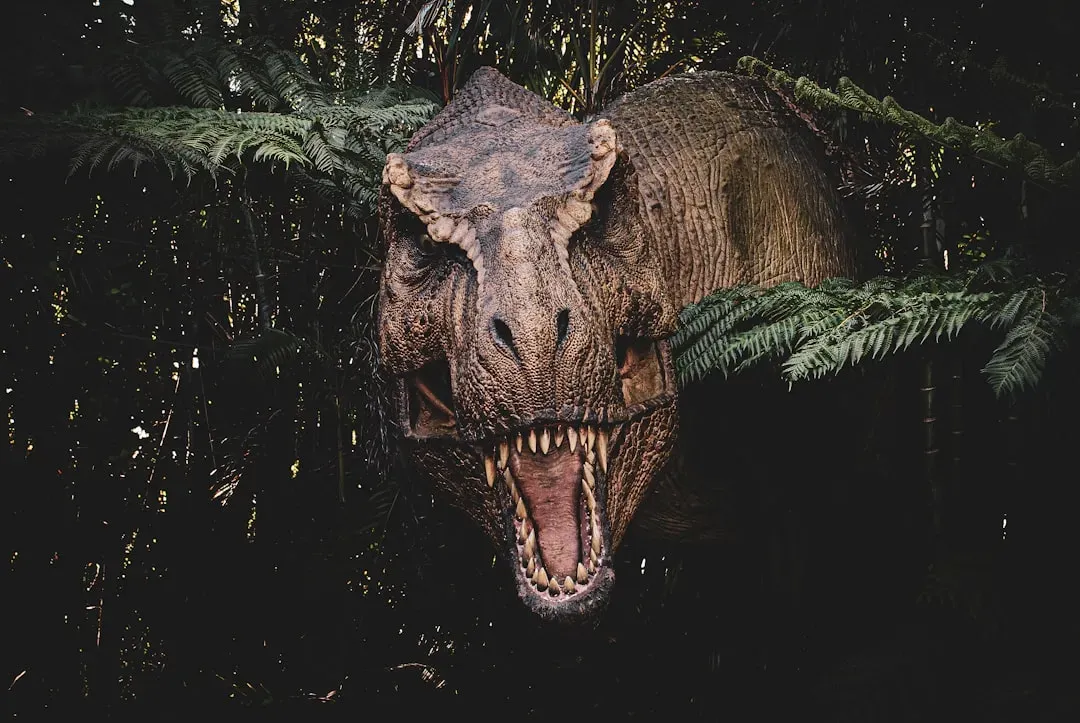
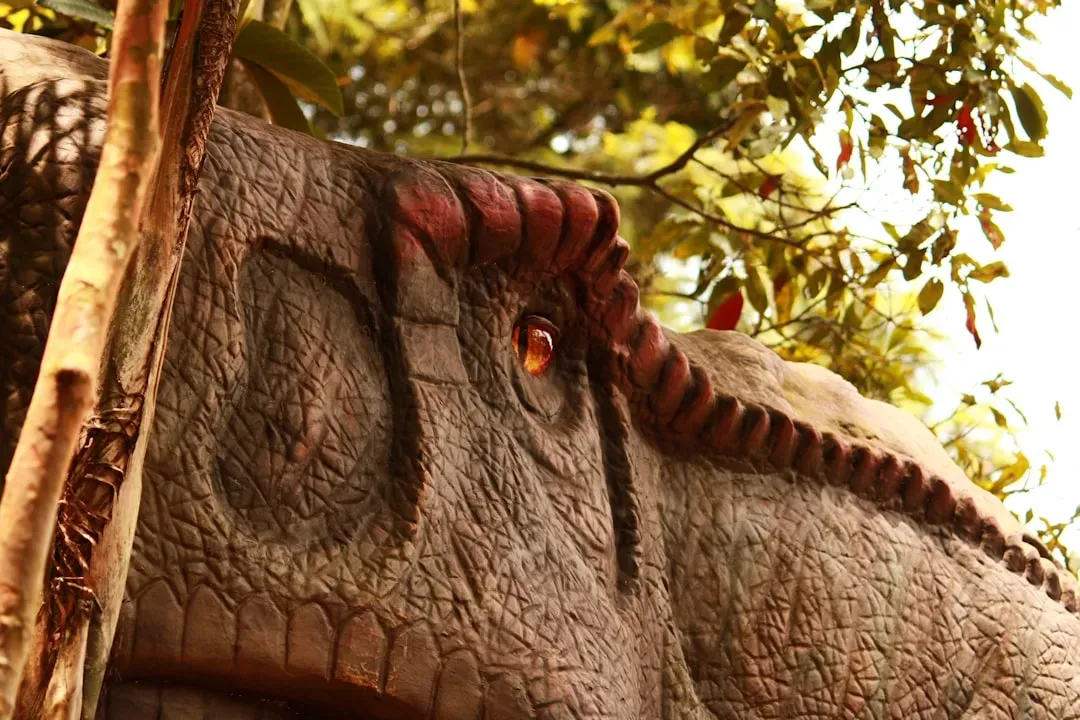
Here’s a fact that still catches people off guard: an adult T. rex had eyes the size of oranges, the largest of any land animal. Like raptors and hawks, the eyes faced forward, and they were also set wide apart, giving T. rex excellent depth perception to aid in pursuing prey. The eyes were set relatively high on the head, boosting this dinosaur’s ability to see longer distances.
The grapefruit-sized eyes of T. rex could have distinguished objects with up to five times more precision than those of a falcon and thirteen times better than a human. They also had superior color vision. Like birds and crocodiles, T. rex could distinguish more colors than humans and see ultraviolet light. That is extraordinary. Not exactly the bumbling movie monster, is it?
Looking to living animals, scientists have mapped the brains of tyrannosaurs’ closest living relatives to figure out which regions are responsible for various sensory processing and compare similar regions in the brain of T. rex. One interesting finding: T. rex brains show unusually large olfactory regions for a dinosaur, indicating the species had an exceptionally keen sense of smell. That combination of sharp eyes and a powerful nose would have made it a truly formidable hunter.
A Nose for Survival: The Olfactory World of Dinosaurs
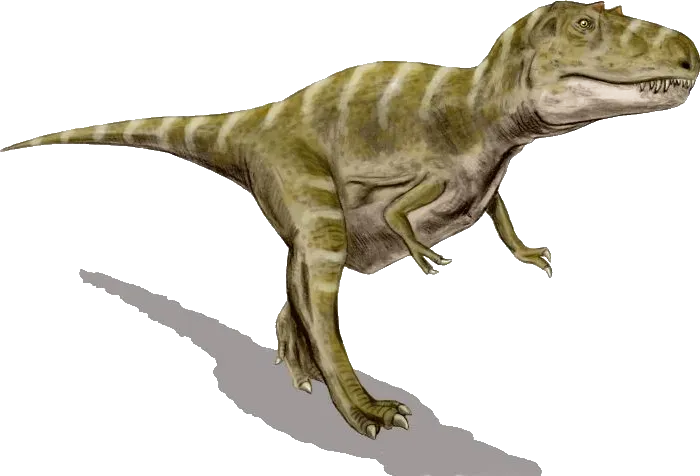
Smell is arguably one of the most underappreciated senses when it comes to dinosaurs, and yet the fossil record suggests it may have been central to how many species navigated their world. Smell played a vital role in locating food sources, detecting predators, and communicating among dinosaurs of the same species. Tyrannosaurus rex likely possessed between 620 and 645 genes encoding olfactory receptors, an impressive arsenal for tracking prey. The herbivore Erlikosaurus probably had 477 such genes, and likely used its keen sense of smell for tasks like discerning edible vegetation from toxic plants or identifying potential mates.
A study tested the long-standing view that during the evolution from dinosaurs to birds, the sense of smell declined as birds developed heightened senses of vision, hearing, and balance for flight. The team compared the olfactory bulbs in the brains of 157 species of dinosaurs and ancient and modern-day birds. What they found was the opposite of what scientists expected.
The scientists discovered that the sense of smell actually increased in early bird evolution, peaking millions of years ago during a time when the ancestors of modern-day birds competed with dinosaurs and more ancient branches of the bird family. So the nose wasn’t an evolutionary afterthought. It was a genuine survival weapon, and a surprisingly powerful one at that.
The Sauropod Brain and Gradual Sensory Change
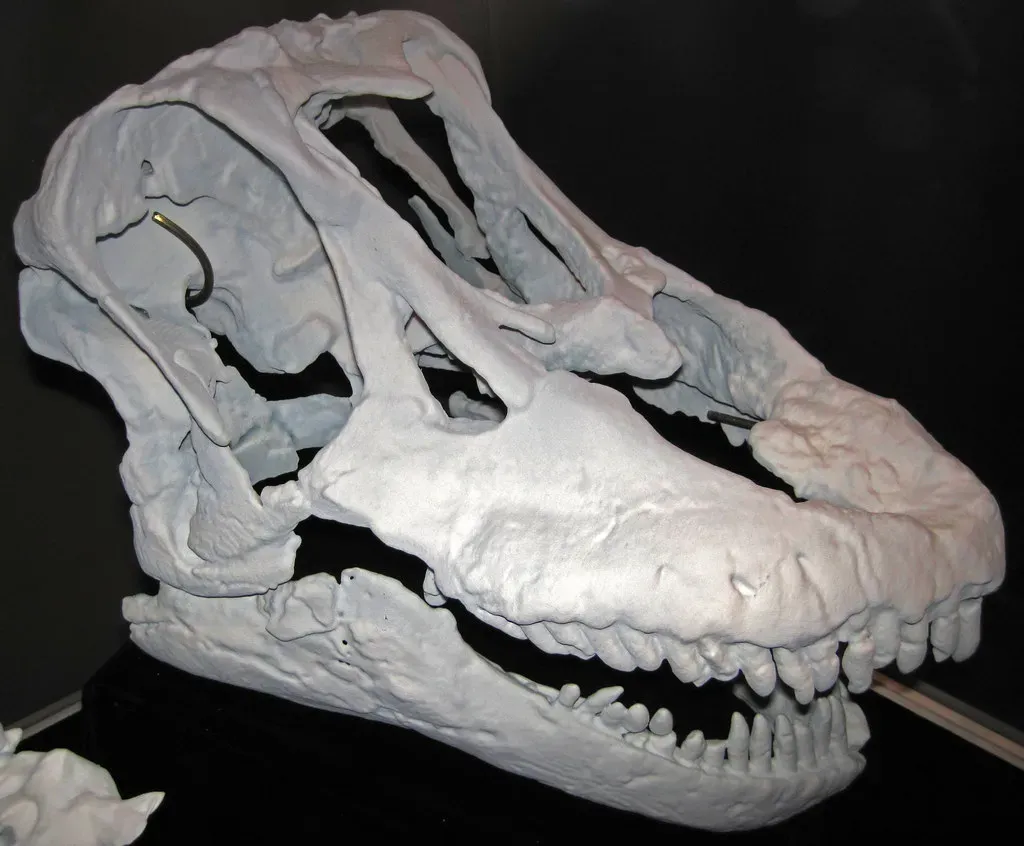
It’s tempting to assume the giant, long-necked sauropods were sensory simpletons. After all, when you weigh as much as twelve African elephants, maybe precision senses feel unnecessary. However, new evidence suggests even these colossal creatures went through meaningful sensory evolution.
Researchers reconstructed the brain and inner ear of Bagualia alba, interpreting their anatomy as indicative of gradual sensory changes during sauropod evolution. Small changes, perhaps. But meaningful ones that reveal a group of animals quietly adapting their sensory toolkit over millions of years.
Preliminary research shows that giant dinosaurs like Giraffatitan heard sounds best about one octave below the preferred hearing frequencies of humans. Think about that for a moment. These animals were tuned into a completely different frequency range from our own. Their world literally sounded different. And in a dense Jurassic forest, picking up low-frequency rumbles through the ground could have been the difference between safety and catastrophe.
Shuvuuia: The Dinosaur That Hunted in Total Darkness
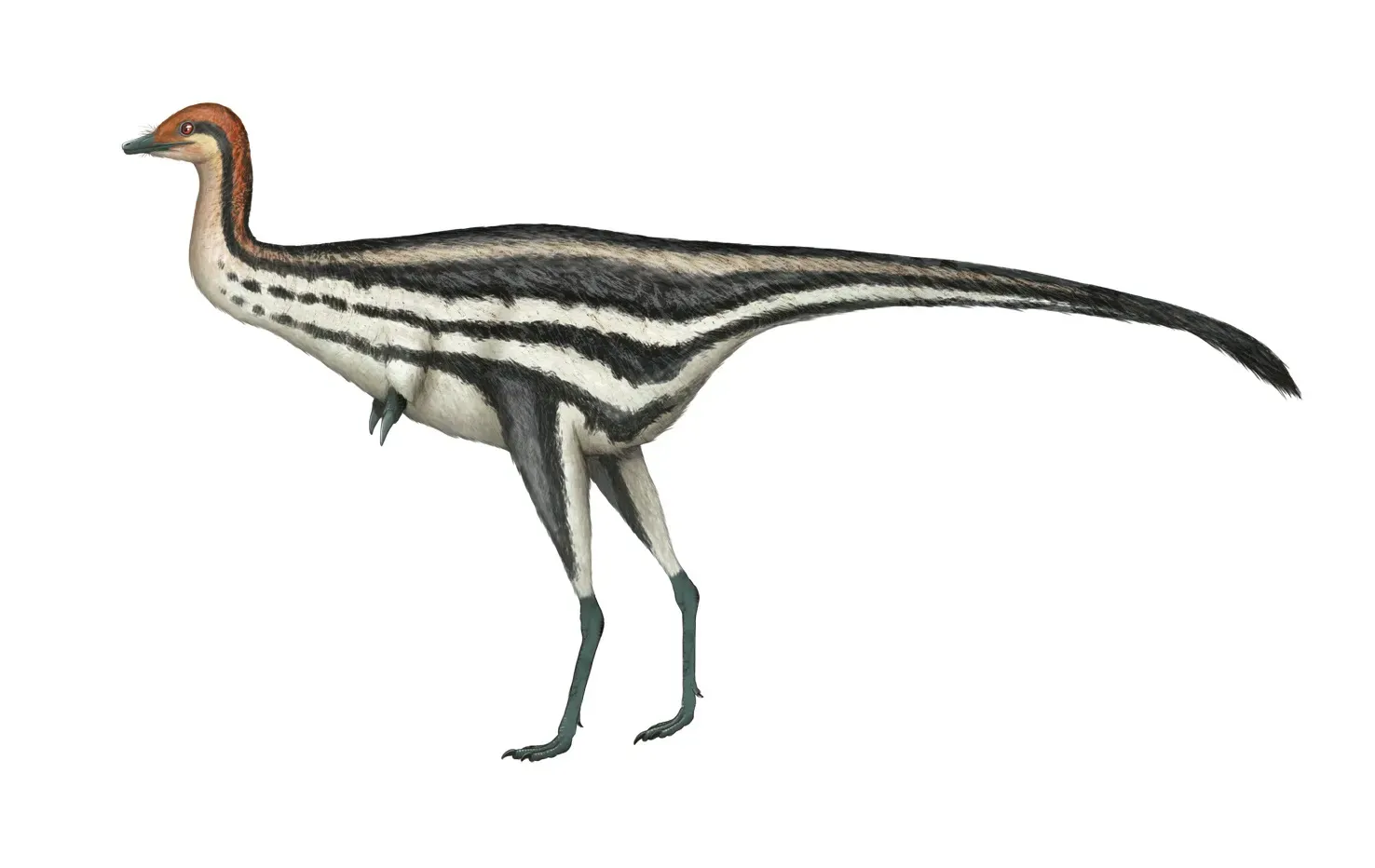
If there’s one discovery that genuinely reframes what we thought was possible for dinosaur senses, it’s this one. The tiny desert-living dinosaur Shuvuuia had extraordinary vision and owl-like hearing for nocturnal life in the Mongolian desert. That’s not hyperbole. It’s supported by hard anatomical data.
The international team of researchers used CT scanning and detailed measurements to collect information on the relative size of the eyes and inner ears of nearly 100 living bird and extinct dinosaur species. A diminutive theropod named Shuvuuia, part of a group known as alvarezsaurs, had both extraordinary hearing and night vision. The extremely large lagena of this species is almost identical in relative size to today’s barn owl, suggesting that Shuvuuia could have hunted in complete darkness.
The eyes of Shuvuuia were also exceptional, as they had some of the proportionally largest pupils yet measured in either birds or dinosaurs, suggesting that Shuvuuia could likely see very well at night. The scientific team hypothesizes that, like many desert animals, Shuvuuia would have foraged at night, using its hearing and vision to find prey like small mammals and insects, then using its long legs to rapidly run that prey down, and using its strong forelimbs to pry the prey out of burrows or shrubby vegetation.
Herbivores Had Sensory Surprises Too
Let’s be real, when we talk about sophisticated dinosaur senses, the carnivores tend to hog the spotlight. Yet some of the most astonishing recent discoveries involve plant-eaters. The case of Thescelosaurus neglectus is a perfect example of a species that flew completely under the radar, until it didn’t.
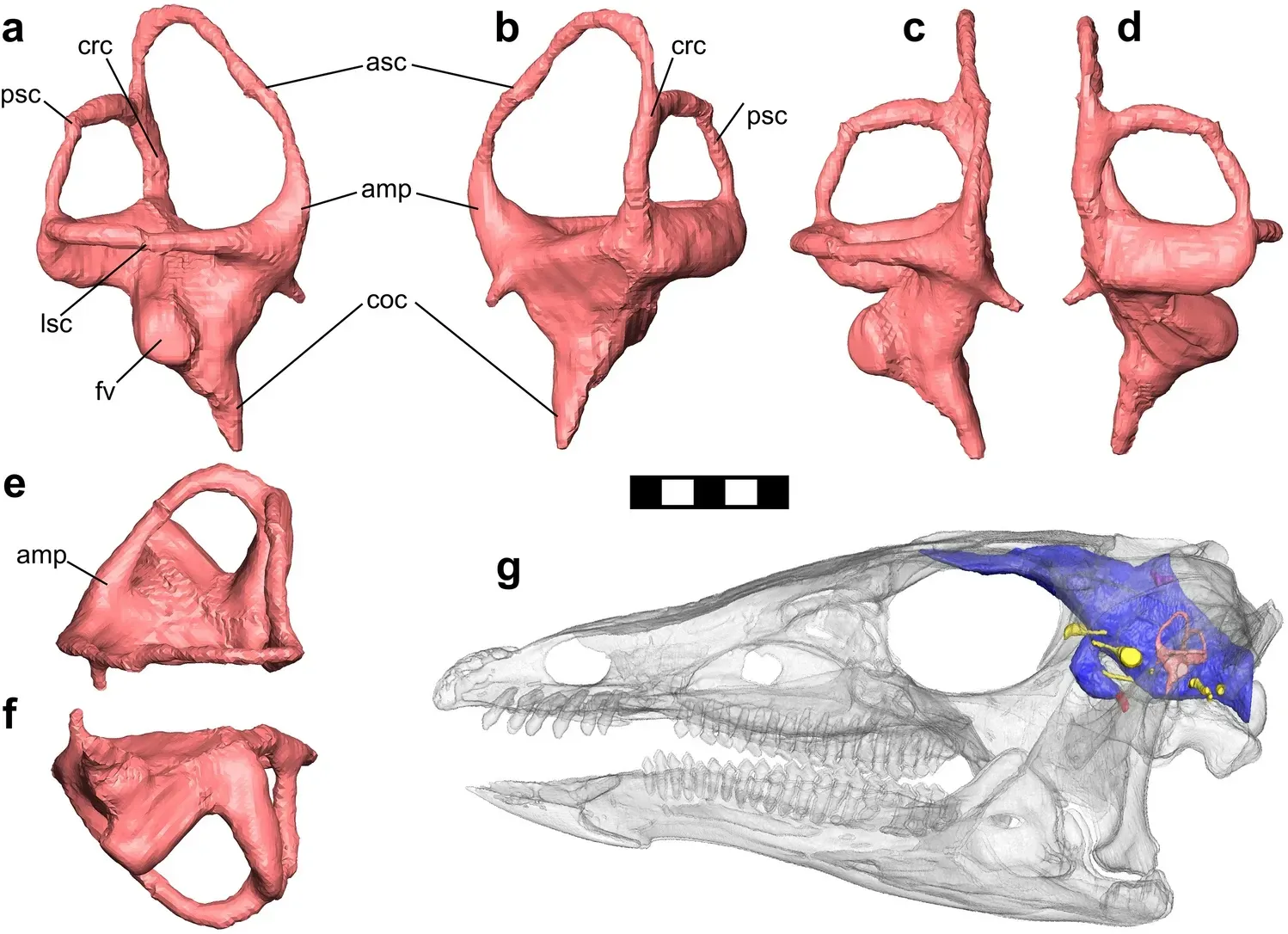
CT scanners were used to reconstruct soft tissues in a Thescelosaurus skull, such as the brain and inner ear, that were lost to the fossilization process. Comparing these sensory structures to other dinosaurs and their living relatives allowed the researchers to determine the relative size of the brain, as well as what its senses of smell, hearing, and balance were like.
Researchers found that the olfactory bulbs, the regions of the brain that process smell, were very well developed in Thescelosaurus. They were relatively larger than those of any other dinosaur known so far, and similar to those of living alligators, which can smell a drop of blood from miles away. Thescelosaurus may have used its similarly powerful sense of smell to find buried plant foods like roots and tubers. It also had an unusually well-developed sense of balance, helping it to pinpoint its body position in 3D space, another trait often found in burrowing animals.
Color Vision and the Visual Spectrum of Dinosaurs
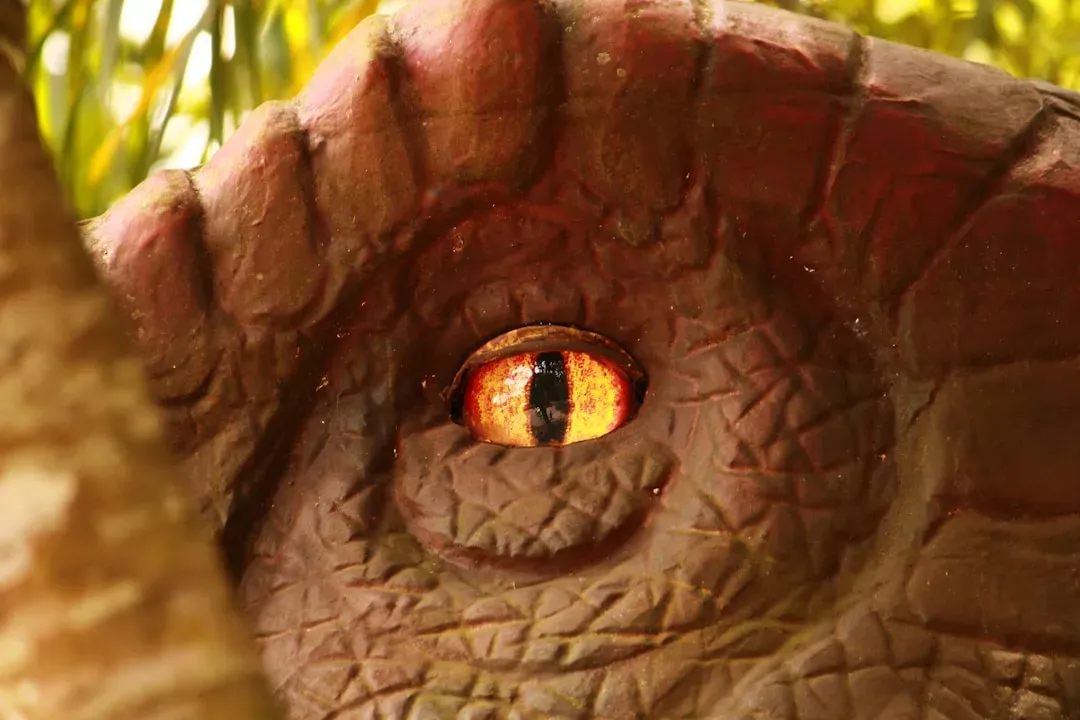
You might assume dinosaurs saw the world in muted, limited colors, like an old photograph. In fact, the opposite was likely true, and the reasoning comes from their living relatives. We can infer some visual capacities of extinct dinosaurs from their evolutionary relationships. Both birds and crocodilians, the closest living relatives of the extinct dinosaurs, have the types of retinal receptors needed to see in color. So dinosaurs most likely had color vision too.
Living diapsids typically have four to five types of color receptors, compared to three in humans and other related primates, and only two in most placental mammals, with ranges slightly higher into the ultraviolet than we see. Almost certainly extinct diapsids, including non-avian dinosaurs, had bird-like vision with more ability to divide up visible light into various colors than we do.
Dinosaurs probably possessed tetrachromatic vision, meaning they had four types of cone cells in their eyes for receiving light, compared to the three types in human eyes. This allowed them to see a greater range of colors than humans, and they could likely see ultraviolet light. This enhanced color perception likely aided in hunting, communication, and navigation. Imagine walking through a Cretaceous forest and seeing colors no modern human could even conceptualize. Their world must have been visually extraordinary.
The Tyrannosaur Face: Touch as a Sophisticated Sense
This one genuinely surprised researchers. We think of dinosaur faces as instruments of biting, not touching. Yet evidence suggests that at least some predators used their faces as precision sensory tools, much like a crocodile uses its snout to delicately handle prey or even its own eggs.
The texture of the facial bones of derived tyrannosauroids indicates a scaly integument with high tactile sensitivity. Most significantly, the lower jaw shows evidence for neurovasculature that is also seen in birds. That neural network running through the jaw is a telltale sign of refined touch, not just brute force biting.
The texture of the facial bones of derived tyrannosauroids indicates a scaly integument with high tactile sensitivity. This implies that a T. rex may have been capable of nuanced physical interactions, perhaps manipulating objects, testing the environment, or even engaging in parenting behaviors far more carefully than anyone previously thought. It’s a quiet but genuinely transformative detail hidden right there in the bone texture.
Hearing, Communication, and the Inner Ear’s Untold Story
The inner ear is where some of the most fascinating paleosensory research lives right now. It’s a tightly packed, bony labyrinth that preserves remarkably well in fossils, and it carries an enormous amount of behavioral information locked inside its tiny canals.
Two special senses, balance and hearing, are controlled by separate parts of the inner ear’s labyrinth. The labyrinth comprises the semicircular canals that detect rotational movement, the vestibule that senses back-and-forth and side-to-side movements, and the cochlea, which senses sound vibrations. The inner ear is filled with fluid and uses deflection of hair cells within that fluid to detect these different types of information.
Researchers found that ancestors and early relatives of dinosaurs evolved a longer region of the inner ear called the cochlea, which is associated with hearing high-frequency sounds. The most likely reason, paleontologists propose, is that this adaptation allowed adult animals to hear the squeaks and chirps of their hatchlings, similar to the attentive parenting of modern animals. That detail is almost moving, honestly. It suggests that millions of years before anything we’d recognize as modern, dinosaurs were tuned in, quite literally, to the sounds of their own young.
New studies have provided insights into the social behavior of dinosaurs, including evidence of herd behavior, parental care, and even potential cooperative hunting. Researchers have also explored how dinosaurs may have communicated with each other, using vocalizations, body language, or even visual displays. The sensory picture that emerges is one of creatures far more socially and cognitively aware than the old stereotypes ever allowed.
A Conclusion Worth Sitting With
What all of this research makes increasingly clear is that dinosaurs were not the dim, clumsy, sensory-deprived monsters that popular culture spent generations portraying. They were sophisticated, finely tuned animals whose senses were shaped by millions of years of evolutionary pressure, ecological competition, and behavioral complexity.
Researchers acknowledge that we still don’t know the sensory abilities of most dinosaurs, which makes it difficult to link specific traits to specific lifestyles with full confidence. However, it also means there are plenty of cool discoveries still to come. In many ways, science has only just begun to read the sensory story these fossils contain.
From a plant-eater with the most powerful sense of smell of any known dinosaur, to a chicken-sized desert hunter that rivaled the barn owl in the dark, to the great T. rex with its orange-sized eyes and ultraviolet color perception, these were animals built to experience their world in vivid, complex, and surprising ways. The Mesozoic wasn’t a silent, gray place. It was alive with scent, color, sound, and sensation. We just needed the right tools to finally realize it.
What do you think surprised you most about how dinosaurs actually perceived their world? Tell us in the comments.