Efforts to expand forests worldwide for carbon sequestration increasingly intersect with irreplaceable habitats essential for countless species.
13% Overlap Signals Urgent Conflicts
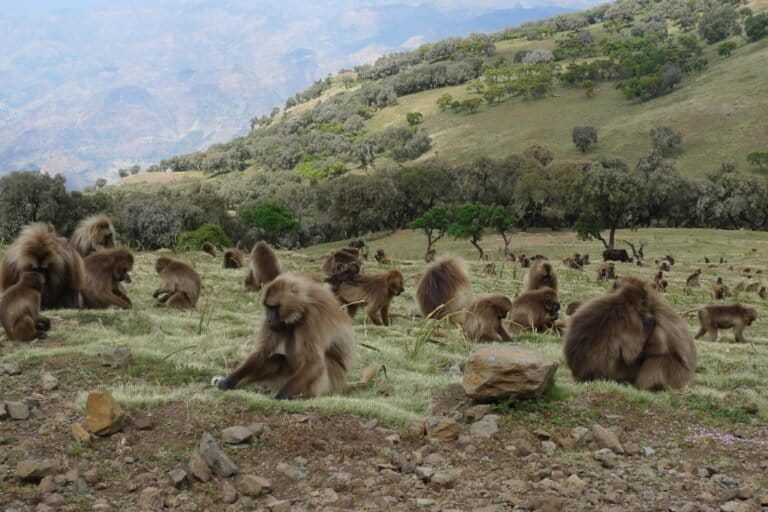
13% Overlap Signals Urgent Conflicts (Image Credits: Imgs.mongabay.com)
A recent global analysis revealed that up to 13% of high-biodiversity lands overlap with sites proposed for land-intensive carbon dioxide removal projects like forestation and bioenergy crops. Researchers examined five climate models aligned with the Paris Agreement’s 1.5° C target. These models pinpoint locations for such projects, but the study highlighted risks to biodiversity hotspots.
Lead author Ruben Prütz and colleagues assessed impacts on 135,000 species, far more than prior research focused on vertebrates and plants. The work, published in Nature Climate Change, showed models often prioritize areas unsuitable for native ecosystems, such as grasslands turned into tree plantations. Prütz noted the models consider biodiversity somewhat, yet it remains secondary to carbon goals.
Disparities Burden the Global South
Climate models allocate far more land for forestation in developing regions than in wealthy nations. Non-Annex I countries could see 15% of their climate refugia – vital remaining habitats – dedicated to these efforts, compared to 7% in Annex I countries. This pattern raises equity concerns, as high-income nations bear greater historical responsibility for emissions.
Prütz emphasized this imbalance in interviews, stating high-income countries hold more responsibility. Such allocations could exacerbate pressures on already vulnerable ecosystems in Africa, Asia, and island nations.
Hidden Benefits Amid Risks
Carbon removal strategies offer indirect gains for wildlife by curbing warming. The study calculated that widespread deployment might preserve 25% more habitat than scenarios without it, by easing climate stress on species.
However, recovery depends on ecosystems rebounding after peak warming. Experts like Mark Urban, a University of Connecticut ecologist, warned that fixing climate could worsen biodiversity if sites lack careful selection. Urban praised forests using local species but stressed thoughtful placement.
Strategies to Align Goals
Avoiding biodiversity hotspots entirely would slash available land for projects by over 50% by 2050, per the analysis. Researchers urge prioritizing degraded lands for restoration and diverse native plantings. Here are key approaches:
- Target deforested or abandoned areas to boost carbon uptake without displacing species.
- Incorporate granular biodiversity data into climate models from the start.
- Reduce emissions aggressively to lessen reliance on large-scale removal.
- Diversify methods beyond land use, like direct air capture.
- Ensure Global North funds and supports equitable implementation.
| Region Type | Forestation Overlap in Refugia (%) |
|---|---|
| Global South (non-Annex I) | 15 |
| Global North (Annex I) | 7 |
Christian Hof, a global change ecologist at the University of Würzburg, called the combined climate and land pressures “really detrimental.” He advocated decarbonizing industries over heavy CDR dependence.
Key Takeaways
- Land-intensive CDR overlaps 13% with biodiversity hotspots, demanding precise site choices.
- Equity gaps place heavier loads on low-emission nations.
- Emissions cuts create flexibility for wildlife-friendly projects.
Smart planning can turn reforestation into a win for both climate stability and species survival, but only with emission reductions at the core. What steps should policymakers prioritize next? Share your views in the comments.