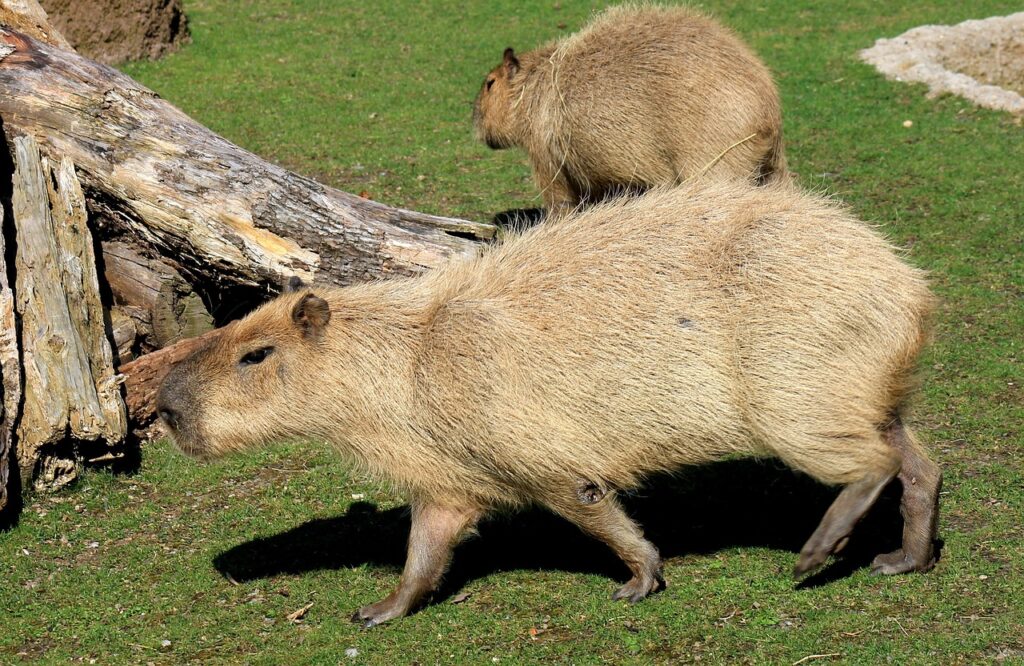
England – Deep in the countryside, WildSide Exotic Rescue faced an unexpected challenge when a capybara named George repeatedly broke free from his enclosure to join the dogs for naps.
George Arrives with a Troubled History

George Arrives with a Troubled History (Image Credits: Pixabay)
Rescuers at WildSide Exotic Rescue took in George after his difficult past left him in need of specialized care. The staff prepared a secure habitat tailored to his species’ needs, complete with ample space and enrichment activities. They aimed to create a stable environment where he could recover and thrive.
From the start, George showed signs of restlessness. His escapes began subtly but soon became a pattern. Each time, he made a beeline for the dogs’ area, settling in for relaxed naps alongside the pack.
Persistent Escapes Defy Sanctuary Protocols
The first breakout caught handlers off guard. George slipped through a gap in his fencing and curled up with the resident dogs, who welcomed him without hesitation. Staff returned him promptly, reinforcing the enclosure with additional barriers.
Undeterred, George repeated the feat multiple times. He navigated obstacles that seemed impenetrable, always ending up in the canine quarters. These incidents highlighted his determination and preference for cross-species companionship over solitary rest.
Staff Grapple with the Best Approach
WildSide Exotic Rescue prided itself on meticulous animal welfare standards. Handlers reviewed every detail of George’s setup, from feeding routines to environmental stimuli. They consulted protocols designed for exotic species like capybaras, the world’s largest rodents known for their social tendencies.
Yet George’s behavior persisted. The escapes raised questions about stress levels and enclosure suitability. Staff debated whether stricter measures would help or hinder his well-being.
Sanctuary Adapts to Promote Happiness
After observing George’s calm demeanor during these naps, the team reconsidered their strategy. They recognized that forcing separation might cause more harm than good. In a pivotal shift, the sanctuary allowed supervised interactions between George and the dogs.
This decision marked a flexible response to an animal’s clear preferences. It underscored the value of observing individual behaviors in rescue settings. George now enjoys his preferred routine without the need for daring escapes.
Insights from Capybara-Dog Dynamics
Capybaras often form bonds with other animals in captivity, drawn to group settings that mimic their natural herds. At WildSide, George’s choice reflected this instinct. The dogs, in turn, accepted him seamlessly, fostering a peaceful interspecies group.
Here are key observations from the incidents:
- George targeted the dogs’ bedding area each time.
- Escapes occurred during rest periods, suggesting a nap motive.
- Reintegration attempts failed due to repeated breakouts.
- Supervised mingling reduced stress for all involved.
- Handlers noted improved overall alertness in George.
Key Takeaways
- Animal rescues benefit from adapting to observed behaviors.
- Interspecies friendships can enhance welfare in captivity.
- Flexibility balances safety with individual needs.
This story from WildSide Exotic Rescue illustrates how listening to animals can lead to better outcomes. It reminds us that true care sometimes means bending the rules. What unusual animal friendships have you witnessed? Share in the comments.