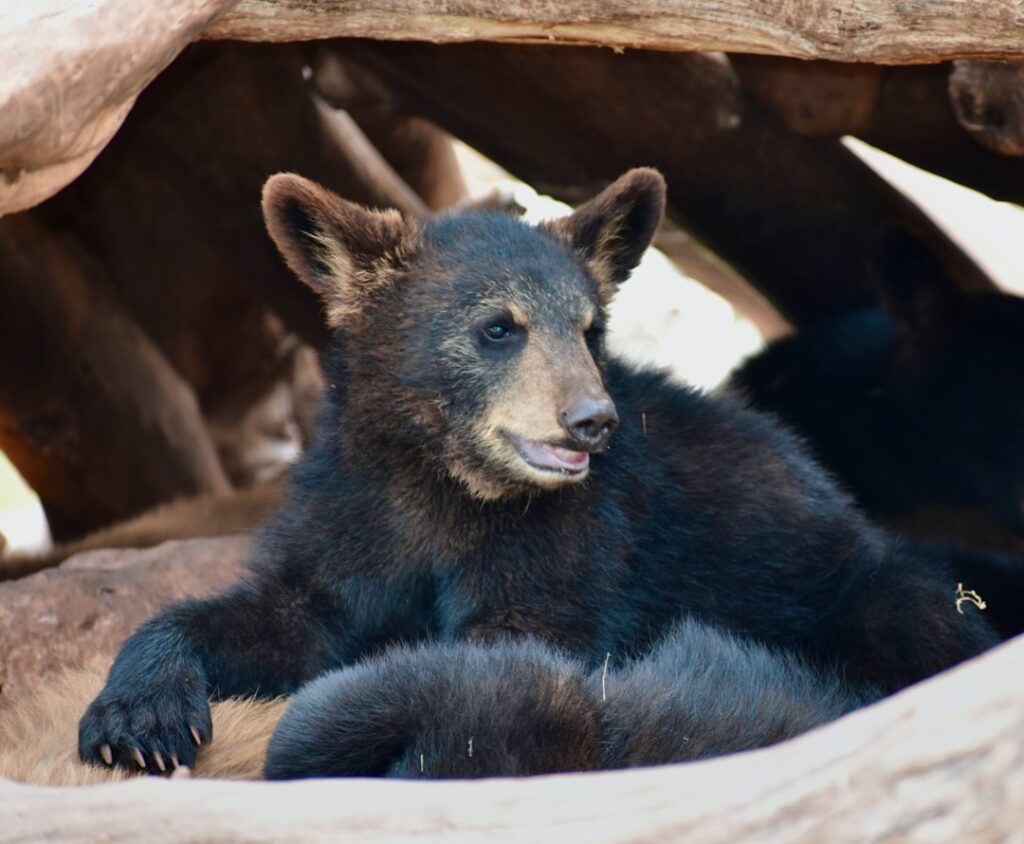
California – In the chilly December of 2024, a frail, hairless black bear cub wandered into a neighborhood in El Dorado County, drawing concern from residents who spotted the vulnerable animal slinking through backyards.
A Desperate Discovery in the Wild

A Desperate Discovery in the Wild (Image Credits: Unsplash)
The cub’s arrival marked the beginning of a critical intervention by local wildlife authorities. Weighing only about 20 pounds and stripped of its fur due to severe infections and malnutrition, the young bear appeared terrified and on the verge of collapse. Rescuers from the California Department of Fish and Wildlife acted swiftly, transporting the cub to Gold Country Wildlife Rescue in Auburn for immediate care. This facility, one of just three in the state licensed to rehabilitate black bear cubs, became the cub’s lifeline.
Upon examination, veterinarians identified multiple health crises afflicting the animal. Bacterial and fungal infections ravaged its skin, while deep ear infections added to its suffering. The cub’s condition stemmed from the harsh realities of being orphaned, likely separated from its mother during a period of foraging stress. Such cases underscore the vulnerabilities faced by black bears in the wild, where young ones depend entirely on maternal protection for survival.
Months of Meticulous Rehabilitation
Rescue teams launched an intensive treatment regimen tailored to the cub’s needs. Systemic antifungal medications targeted the widespread infections, complemented by topical applications to soothe inflamed skin. Environmental protocols ensured a clean, controlled space free from further contaminants, while nutritional support helped rebuild the cub’s weakened body. Over the ensuing months, staff monitored every aspect of the bear’s progress, adjusting care as improvements emerged.
The transformation proved gradual but steady. By mid-2025, the cub had gained nearly 60 pounds, reaching a robust 80 pounds with a full coat of fur restored. Daily routines included supervised enrichment activities to foster natural behaviors, preparing the bear for potential life beyond captivity. This phase highlighted the expertise required in wildlife rehabilitation, where patience and precision often determine long-term success.
Challenges and Decisions for Release
Despite the evident gains, experts faced tough choices regarding the cub’s future. The California Department of Fish and Wildlife evaluated the bear’s readiness for the wild, considering factors like fur density and overall resilience against seasonal hardships. Concerns arose about the cub’s ability to withstand winter conditions, given the lingering effects of its early trauma. These assessments ensured decisions prioritized the animal’s welfare over hasty returns to nature.
Ultimately, the team determined that rewilding posed undue risks. Instead, the cub found a permanent home at Sequoia Park Zoo in Eureka, about 270 miles north of the rescue site. There, it joined educational programs, allowing visitors to learn about conservation while the bear adapted to a secure environment. This outcome reflected broader strategies in wildlife management, balancing individual care with species preservation.
Broader Impacts on Bear Conservation
Stories like this one illuminate the vital role of specialized rescues across North America. Organizations such as Appalachian Bear Rescue and the N.C. Wildlife Resources Commission have rehabilitated hundreds of orphaned cubs since the 1970s, releasing many back into their habitats to bolster populations. In California alone, facilities handle dozens of cases annually, addressing threats from habitat loss and human encroachment.
Success rates vary, but programs emphasize natural rearing techniques to minimize human imprinting. For instance:
- Cubs receive diets mimicking wild foraging, including berries, nuts, and insects.
- Enclosures simulate forest environments to encourage climbing and exploration.
- Tracking devices, like GPS collars, monitor released bears to study survival patterns.
- Veterinary partnerships provide advanced diagnostics for infections common in orphans.
- Public education campaigns reduce conflicts between bears and communities.
These efforts not only save lives but also contribute to ecological balance, as black bears play key roles in seed dispersal and forest health.
Key Takeaways
- Early intervention is crucial for orphaned cubs, with survival odds improving dramatically under professional care.
- Rehabilitation focuses on holistic recovery, addressing physical, nutritional, and behavioral needs.
- Placement decisions weigh wild viability against sanctuary options to ensure long-term well-being.
The cub’s journey from a hairless, frightened orphan to a thriving bear exemplifies the dedication behind wildlife rescue work. It serves as a reminder of the resilience in nature and the human commitment to protecting it. What do you think about these recovery stories? Tell us in the comments.