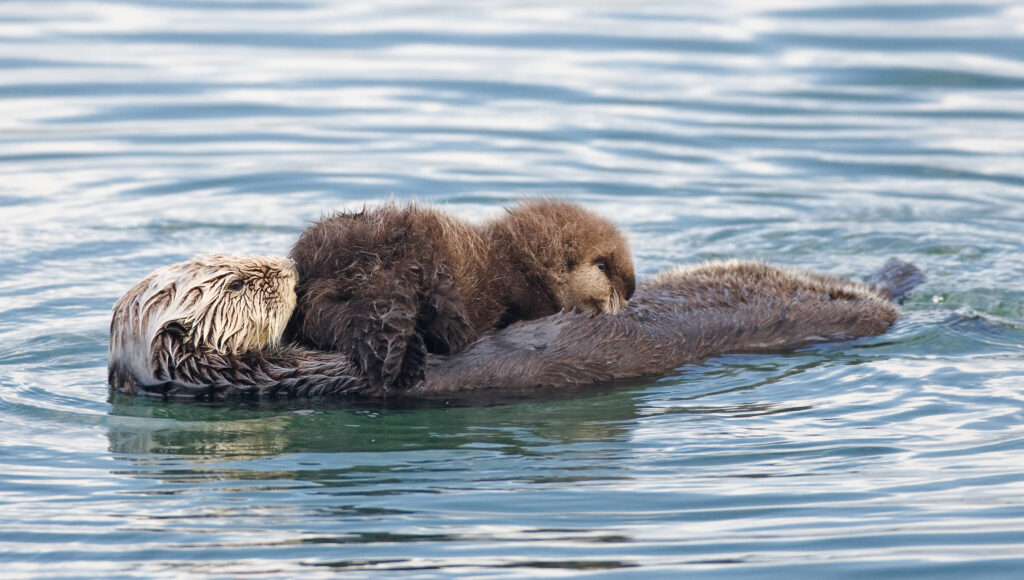
Morro Bay, California – A two-week-old sea otter pup found alone on the beach sparked a swift response from wildlife experts. Responders from The Marine Mammal Center sprang into action after a concerned bystander spotted the tiny animal and called the hotline. What followed was a creative rescue effort that highlighted the unique bonds in sea otter families and the ingenuity required to preserve them.
Tiny Survivor Spotted in Distress
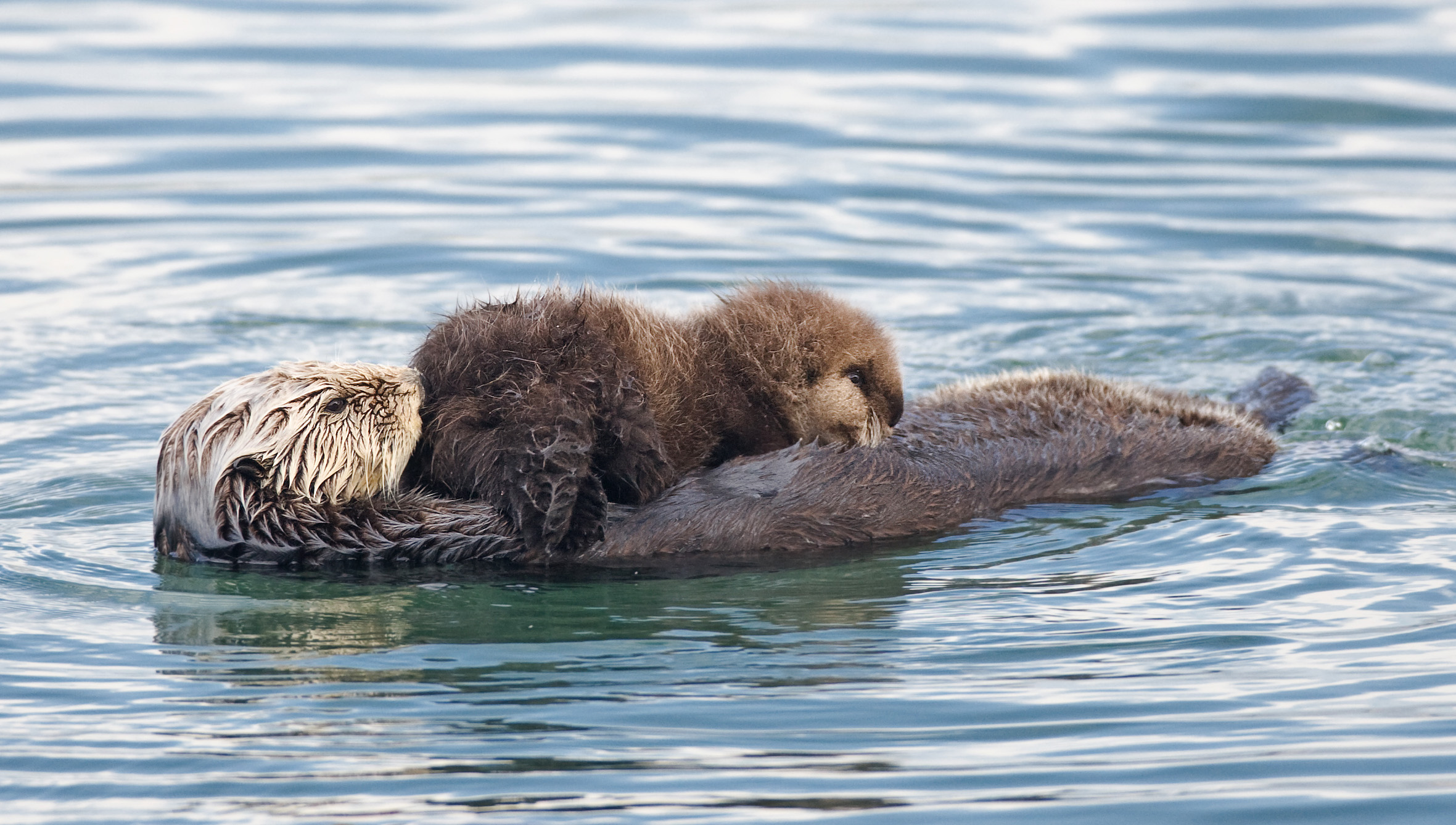
Tiny Survivor Spotted in Distress (Image Credits: Upload.wikimedia.org)
The pup, later nicknamed Caterpillar, lay vulnerable on the sand, far from the water where sea otters thrive. At just two weeks old, he depended entirely on his mother for survival, learning essential skills like swimming, diving, and grooming during their first nine months together. Separation at such a young age often proves fatal, as orphaned pups struggle without maternal guidance.
A Good Samaritan noticed the anomaly immediately. Sea otter mothers rarely leave their young unattended, so the sight raised alarms. The bystander contacted authorities without delay, understanding that every minute counted for the stranded infant.
Coordinated Effort Launches Rescue
Teams from The Marine Mammal Center arrived alongside Morro Bay Harbor Patrol. They gently secured Caterpillar in a protective carrier to shield him from wind, sun, and stress. Recognizing the pup’s individual vocalizations as a key to locating his mother, rescuers recorded his cries right there on the scene.
Sea otters rely heavily on these distinctive calls to identify and communicate with their offspring amid noisy coastal waters. The recording captured Caterpillar’s plaintive sounds perfectly. With the audio in hand, the team boarded a boat equipped with a Bluetooth speaker and headed into Morro Bay.
Cries Echo Across the Bay
As the speakers broadcast the pup’s vocalizations, eyes scanned the horizon for any response. Soon, a brown shape appeared in the distance – a wild sea otter drawn irresistibly toward the familiar cries. The mother had heard her baby’s call and closed in rapidly.
Rescuers released Caterpillar into the shallow water, allowing him to swim freely. The adult otter approached without hesitation, reclaiming her young in a seamless reunion. The moment underscored the precision of their plan and the power of natural instincts.
Broader Impact on Threatened Species
Southern sea otters remain listed as threatened, facing challenges from habitat loss and pollution. Reuniting pups with mothers supports not just the individuals but the entire population and the ecosystems they anchor, such as kelp forests that rely on otter foraging.
Operations coordinator Shayla Zink highlighted the significance in a press release. She stressed that such efforts preserve vital family bonds while benefiting conservation goals. Collaboration among the center, harbor patrol, and the public proved essential to the success.
- Sea otter pups bond with mothers for up to nine months.
- Mothers recognize pups by unique vocal patterns.
- Reunions aid threatened populations and coastal habitats.
- Public reporting enables timely interventions.
- Professional handling prevents human-induced stress or harm.
Key Takeaways
- Quick bystander action saved a vulnerable pup.
- Audio playback mimicked natural calls effectively.
- Reunions boost wild population health over rehab.
This rescue exemplified how human innovation can align with nature’s rhythms. Southern sea otters continue to need such interventions amid ongoing threats. What do you think about these creative wildlife tactics? Tell us in the comments.