
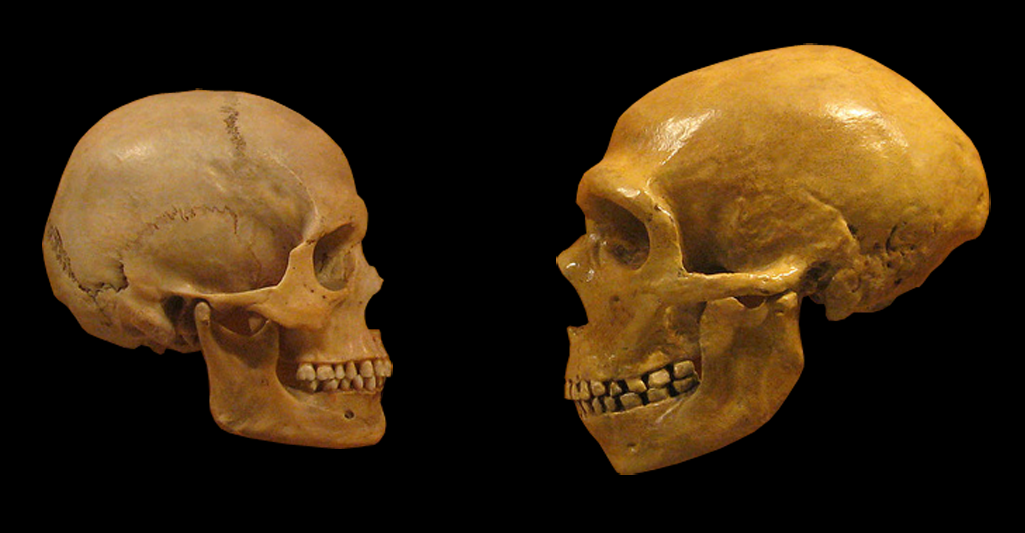
Somewhere in your cells, tiny fragments of an ancient world are still quietly humming along. You might not look anything like the classic image of a Neanderthal, but traces of their DNA are almost certainly stitched into your genome, influencing everything from your immune system to how you respond to sunlight. The idea sounds almost like science fiction: modern people walking around with genetic souvenirs from a cousin species that vanished tens of thousands of years ago.
Yet that is exactly what modern genetics has revealed. With every new study, the divide between “us” and “them” looks less like a clean break and more like a messy family saga full of encounters, shared children, and long genetic echoes. The story of Neanderthals did not end in a cave somewhere in Ice Age Europe; part of it kept going, inside us. And once you see that, questions start to pile up: How much Neanderthal DNA do we really carry, what does it do, and what does it say about what it means to be human?
Neanderthals: Not Brutes, But Close Relatives
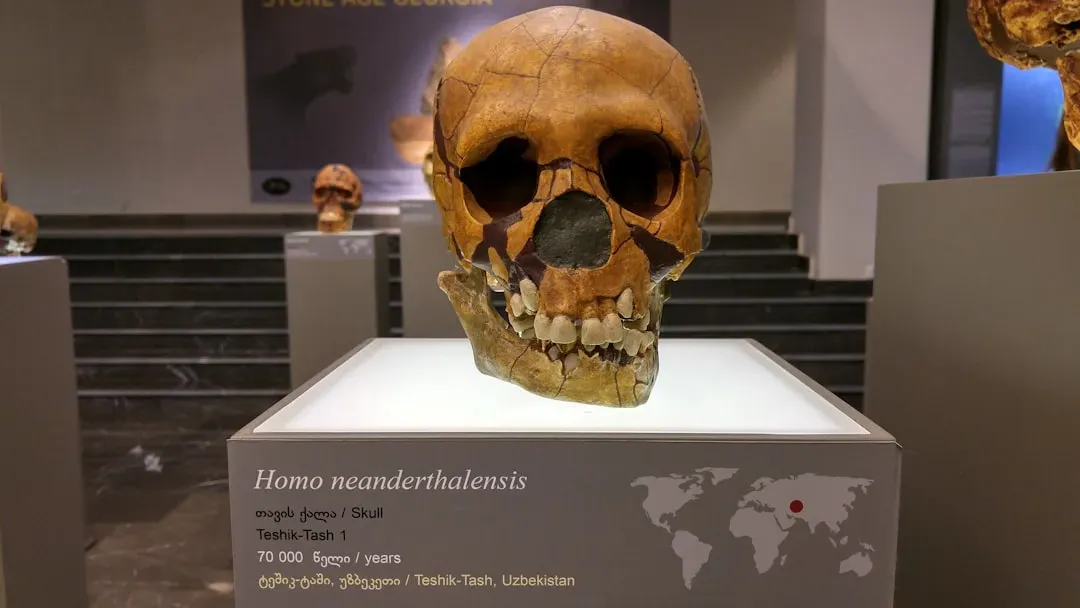
For a long time, Neanderthals were painted as the clumsy, heavy-browed villains of our origin story. Schoolbooks and museum dioramas often cast them as a kind of evolutionary dead end: strong but slow, doomed to extinction the moment our supposedly smarter species appeared on the scene. That picture was comforting in a way, because it cleanly separated “modern humans” from everyone else.
Modern research has taken a sledgehammer to that simple narrative. Neanderthals made tools, controlled fire, hunted large animals, probably organized in social groups, and lived successfully across Europe and western Asia for hundreds of thousands of years. They were not failed humans; they were a different kind of human, adapted to cold climates and harsh environments, sharing a common ancestor with us not so incredibly long ago in evolutionary terms.
How Scientists First Discovered Neanderthal DNA In Us
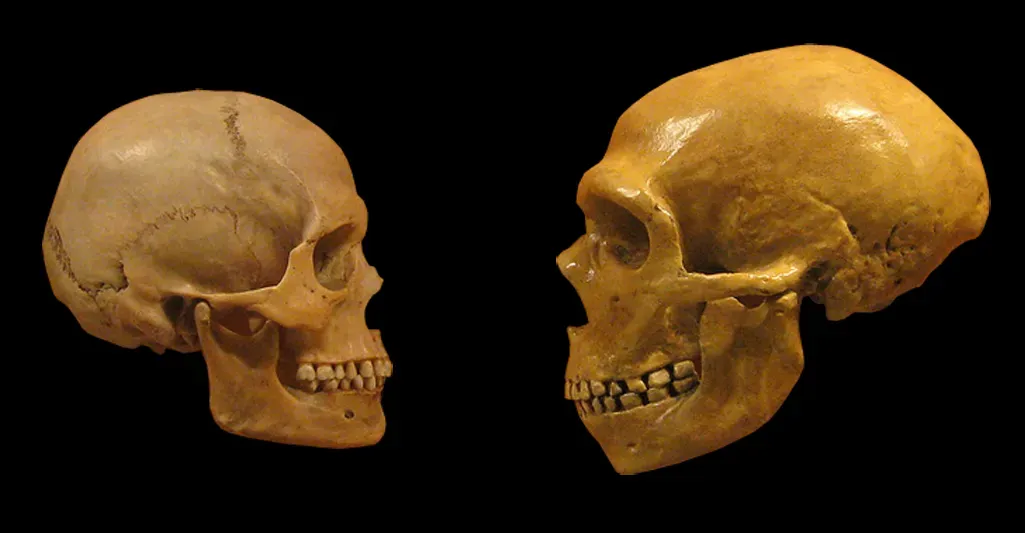
The turning point came when researchers learned to read ancient DNA pulled from Neanderthal bones. Extracting genetic material from fossils that old is like trying to piece together a shredded, water-damaged book that has been left in a cave for tens of thousands of years. Most of the DNA is broken into tiny fragments, contaminated by microbes or modern humans who handled the bones. Early attempts were frustratingly limited and incomplete.
But as sequencing technology improved, scientists managed to reconstruct multiple Neanderthal genomes in remarkable detail. When they compared these ancient sequences to modern human DNA from different parts of the world, a surprising pattern popped up. People with ancestry outside sub-Saharan Africa carried small but clear chunks of DNA that matched Neanderthals far better than they matched any modern human group. The implication was bold and unavoidable: our ancestors and Neanderthals had children together, and their genes spread forward in time.
How Much Neanderthal DNA Do Modern Humans Carry?
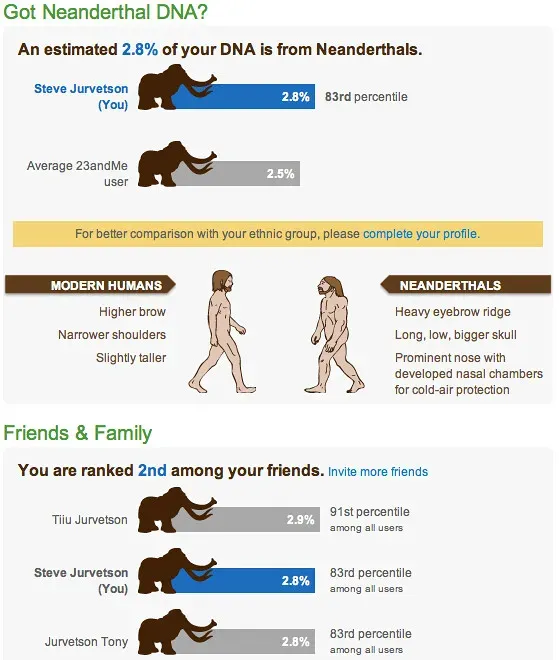
If you have ancestry from Europe, Asia, or the Americas, a small portion of your DNA almost certainly comes from Neanderthals. On average, each person with non-African ancestry carries roughly about one to two percent Neanderthal DNA. That might sound tiny, but across the entire genome, it adds up to a surprisingly large mosaic of ancient fragments scattered through different individuals. You do not carry the same Neanderthal bits as your neighbor; it is more like everyone shares different overlapping slices of the same old book.
People with primarily sub-Saharan African ancestry generally carry much less Neanderthal DNA, because their ancestors largely remained in Africa when Neanderthals lived in Eurasia. Even there, though, the story is not perfectly clean, because human populations have moved and mixed in complex ways over the last tens of thousands of years. When you zoom out, the big picture is that Neanderthal DNA is not a rare curiosity; it is an ordinary part of the genetic landscape for a vast number of people alive today.
What Neanderthal Genes Are Doing In Our Bodies Today
Neanderthal DNA is not just sitting in our genomes as historical decoration. Some of those inherited variants affect real traits: how our immune system reacts to viruses and bacteria, how our skin and hair respond to sunlight at different latitudes, even how blood clots or how we sense certain types of pain. In several cases, these genes likely gave early modern humans a helpful boost when they first encountered the colder, pathogen-rich environments of Eurasia, where Neanderthals had already been thriving for ages.
On the flip side, some Neanderthal variants appear to raise the risk of certain conditions in the modern world, from autoimmune diseases to depression or metabolic issues, depending on the study. It is a reminder that evolution only has to solve the problems of survival and reproduction in a specific context. A gene that helped someone fight infections in an Ice Age landscape might interact very differently with twenty-first-century lifestyles, medicine, stress, and diets. The same ancient legacy can be a shield in one era and a vulnerability in another.
Interbreeding: A Shared Past, Not A Clean Replacement
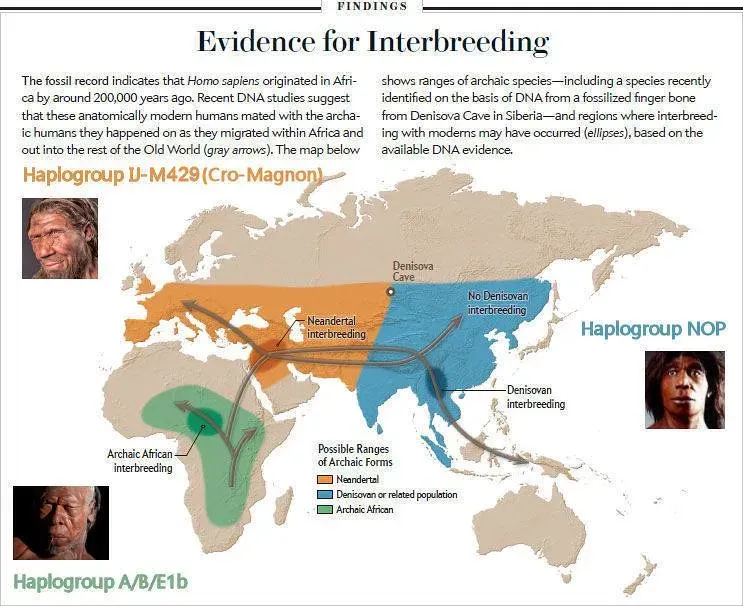
The presence of Neanderthal DNA inside us means one thing very clearly: our ancestors met Neanderthals and sometimes had children with them. This was not a single, one-off event but likely happened multiple times in different regions. Instead of a neat story where modern humans swept into Europe and simply replaced Neanderthals overnight, the genetic evidence points to a long period of contact, overlap, and mixing. In plain language, these groups were not just neighbors; they became family in some lineages.
That does not mean the meeting was harmonious or equal. There were likely conflicts, competition over resources, and times when one group had advantages the other did not. But it forces us to rethink old ideas about clear species boundaries. If two groups can interbreed and leave fertile descendants whose genes survive for tens of thousands of years, they are not separate in any simple or comfortable way. They are branches of the same larger human story, even if some branches ended as distinct cultures and others carried on in blended form.
What This Changes About Our Idea Of Being “Human”
Finding Neanderthal DNA in modern genomes subtly undercuts the idea that there was ever a pure, untouched version of humanity. Our species has always been shaped by mixing, migration, and exchange. The neat labels we like to stick on ancient populations – modern humans, Neanderthals, Denisovans – hide the fact that on the ground, individuals met, travelled, shared knowledge, and sometimes formed families. The human family tree looks less like a straight trunk and more like a braided river that splits, rejoins, and carries sediments from many sources.
Personally, I find that oddly freeing. Instead of guarding some imaginary boundary between humans and near-humans, we can admit we come from a wild, tangled past full of experiments in how to be a person on this planet. The same way a favorite recipe might carry touches from grandparents and distant relatives, our genomes carry flavors from Neanderthals and other archaic humans. Once you accept that, the question shifts from “Who really counts as human?” to “How did all these different humans shape each other?”
The Neanderthal Story Isn’t Over – It’s Inside Us
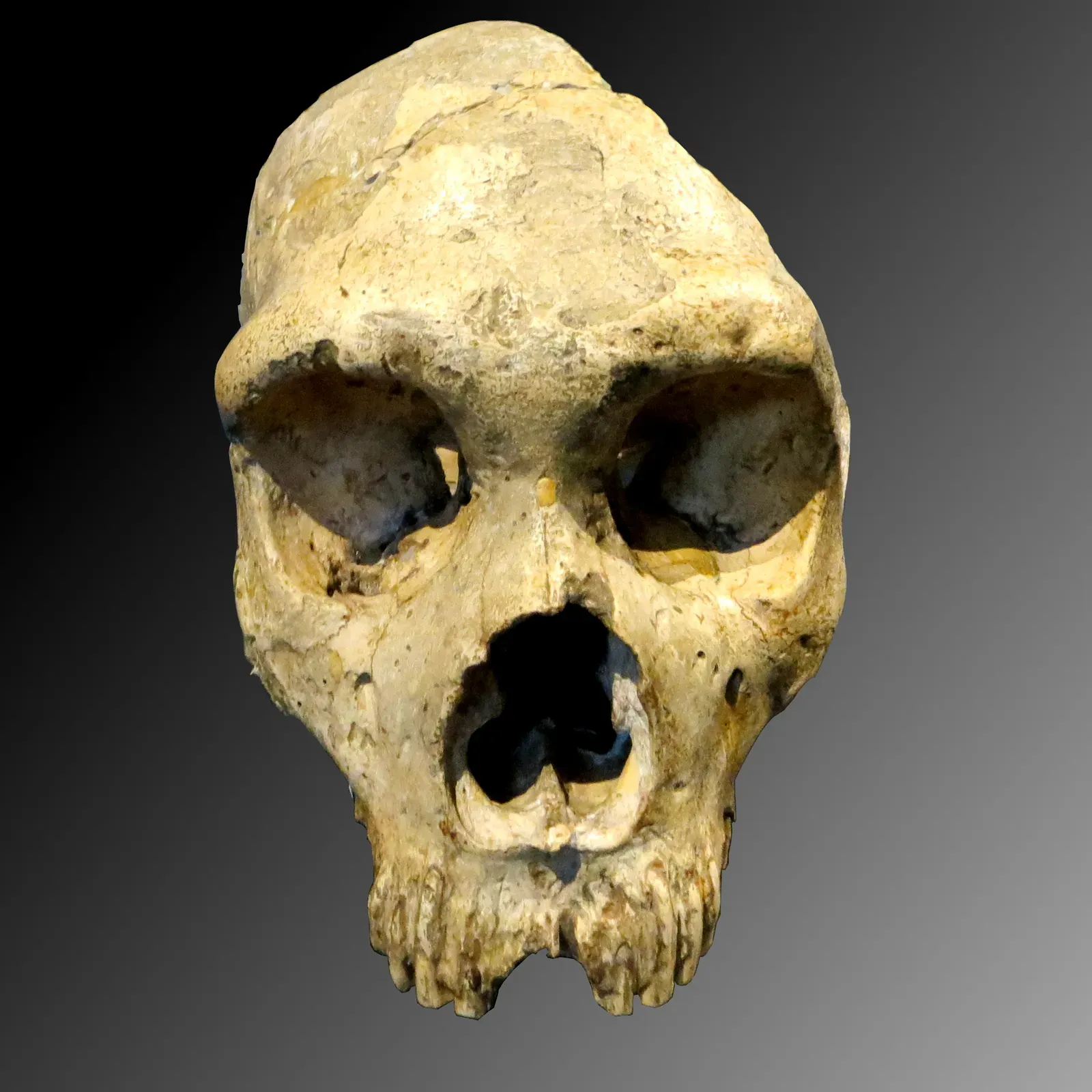
When researchers say that Neanderthal DNA lives on in us, they are not speaking metaphorically. Actual stretches of their genome have been copied and recopied through countless generations and are still being read by your cells right now. That means Neanderthals are not only remembered through bones in museums and reconstructions on posters; fragments of their biology are still active participants in modern human life. In a very real sense, part of them survived their own extinction event by hitchhiking into our lineages.
To me, the controversial but necessary conclusion is this: we should stop talking about Neanderthals as if they were a completely separate chapter that closed forever. Their independent cultures, bodies, and ways of life did end, and that loss matters. But their story branched into ours, and we are now the only living carriers of those ancient sequences. That puts a quiet responsibility on us. When we study Neanderthals, we are not just examining some distant “other”; we are looking at a slightly different version of ourselves, one whose voice now only survives as a faint echo in our DNA. What does it change for you to know that your body is, in a small way, part Neanderthal too?