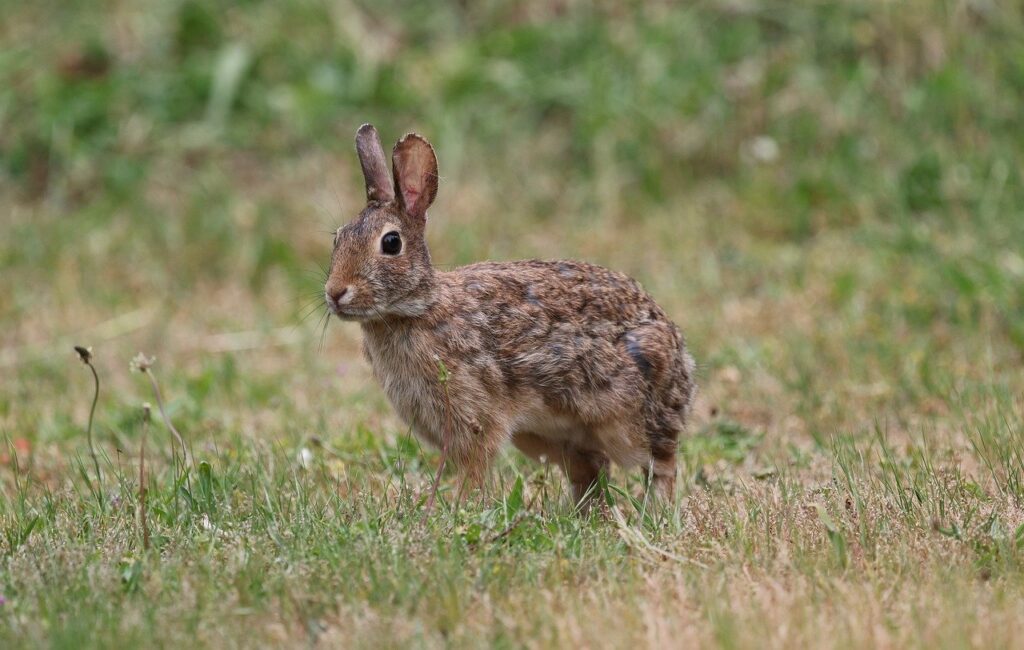
Spring’s gentle thaw offers homeowners across North America a timely chance to foster biodiversity through targeted yard improvements.
Insights from a Landscape Ecologist Ignite Action
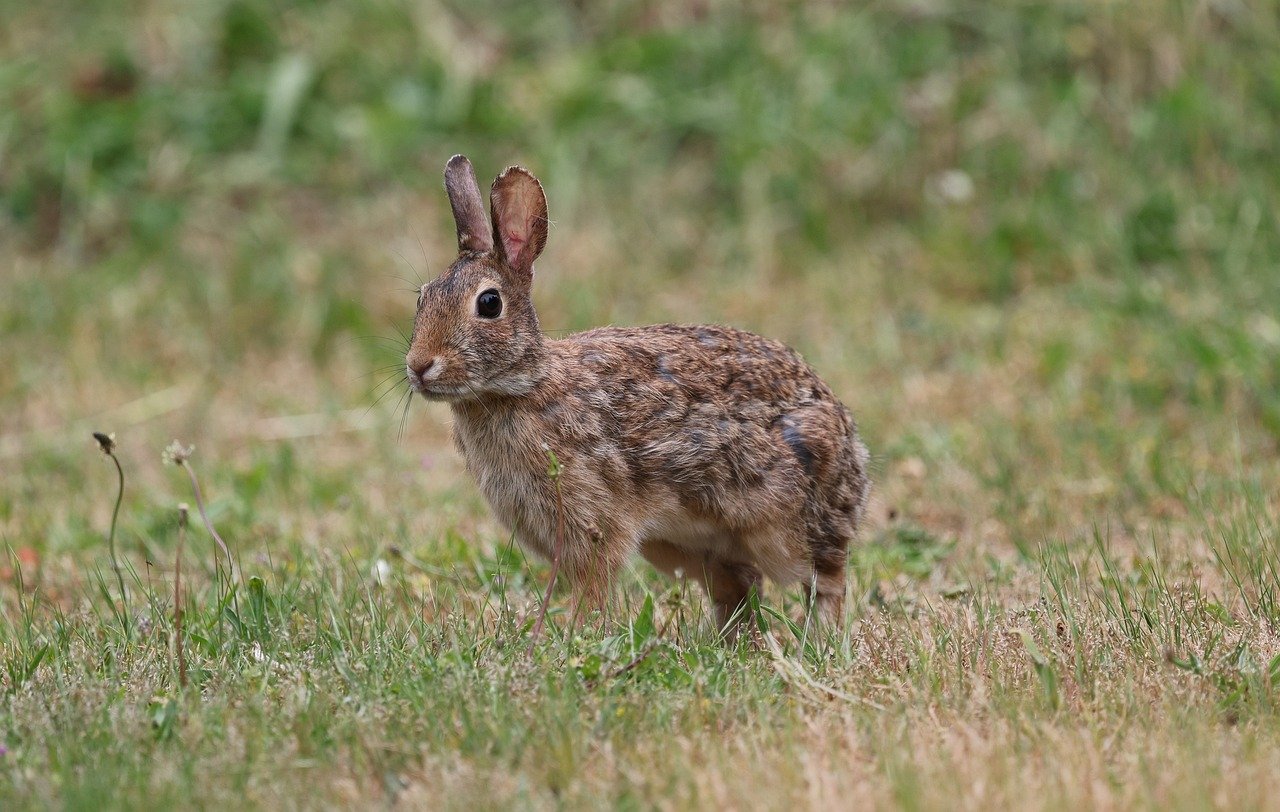
Insights from a Landscape Ecologist Ignite Action (Image Credits: Pixabay)
A recent episode of The Wildlife Society’s “Our Wild Lives” podcast featured TWS member Shaun McCoshum, a botanist and landscape ecologist, who detailed how everyday yards can counteract habitat declines. McCoshum focused on elements missing from modern North American landscapes and practical ways homeowners can replicate natural ecological functions.
His discussion went further than standard advice, emphasizing soil health, constructed features, and pollinator needs below ground. Listeners learned how such adjustments turn backyards into supportive environments for species like migrating monarch butterflies and native lizards. The full episode is available on The Wildlife Society website.
Addressing Habitat Losses in Urban and Suburban Settings
Development has stripped away diverse vegetation, dead wood, and undisturbed soils that once sustained wildlife populations. These changes disrupted food webs and shelter options essential for pollinators, reptiles, and insects.
McCoshum pointed out that mimicking processes like natural decomposition and soil layering restores balance without requiring vast spaces. Homeowners contribute meaningfully even on small lots, from patios to larger plots, by prioritizing function over aesthetics.
Core Strategies to Elevate Your Yard
Effective yard transformations start with foundational practices that support entire ecosystems. Planting native plants forms a base, providing familiar food sources and nectar for local fauna.
However, McCoshum advocated expanding efforts to include soil amendments, such as incorporating organic matter to nurture beneficial microbes and avoid compaction from heavy equipment. Building simple structures like brush piles or rock walls offers retreat spots for lizards and insects. Underground habitats demand attention too – designate patches of bare earth for ground-nesting pollinators like mining bees.
- Plant natives suited to your soil moisture and light conditions for sustained blooms.
- Amend soil with compost rather than synthetic fertilizers to promote natural fertility.
- Construct wildlife structures, such as log piles for amphibians or stone crevices for reptiles.
- Maintain bare soil areas and leaf litter for pollinator nesting.
- Incorporate water sources like shallow birdbaths with pebbles for safe access.
- Avoid pesticides to protect beneficial insects throughout the food chain.
Supporting Iconic Species Like Monarchs and Lizards
Monarch butterflies rely on milkweed during migration, so integrating these plants aids their long journeys. Local lizards thrive with sunny rock piles or wood stacks that provide basking and hiding opportunities.
These targeted features interconnect: flowering natives draw pollinators, which in turn support birds and larger predators. Pollinators benefit from diverse bloom times and pesticide-free zones, ensuring year-round activity.
| Traditional Lawn Features | Wildlife Habitat Alternatives |
|---|---|
| Uniform mowed grass | Diverse native perennials and grasses |
| Chemical treatments | Organic soil amendments |
| Bare or mulched beds | Rock piles and brush for cover |
| No nesting sites | Bare soil patches for pollinators |
Key Takeaways:
- Small-scale changes mimic lost natural processes effectively.
- Native plants and soil health form the ecosystem foundation.
- Your yard can sustain monarchs, lizards, and pollinators alike.
Homeowners who implement these steps not only boost local biodiversity but also create vibrant, low-maintenance spaces that evolve with seasons. Such efforts compound when neighbors join in, forming habitat corridors. Start small this spring – what wildlife will you welcome to your yard? Share your plans in the comments.