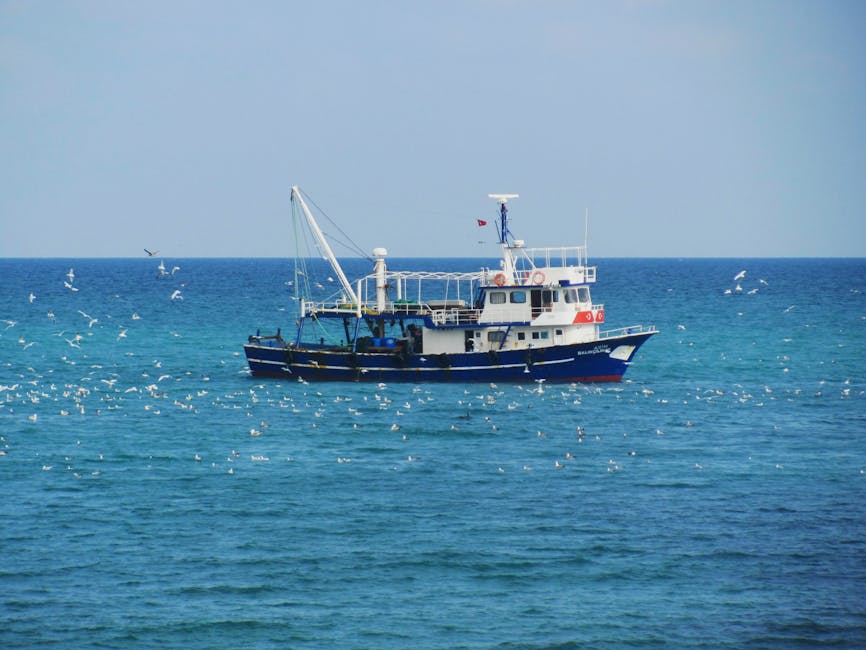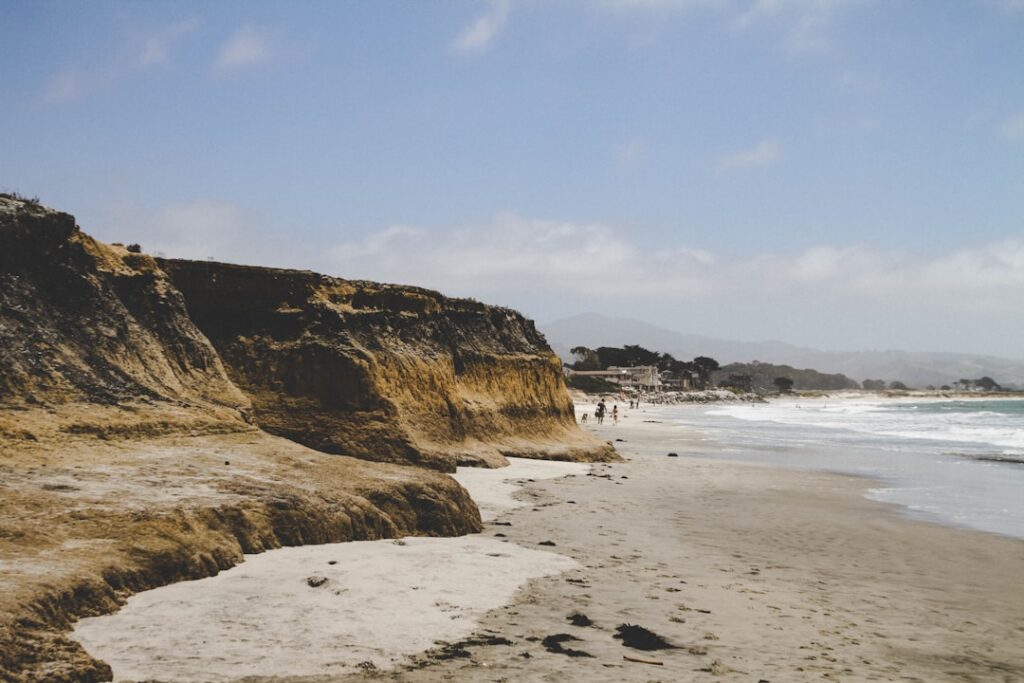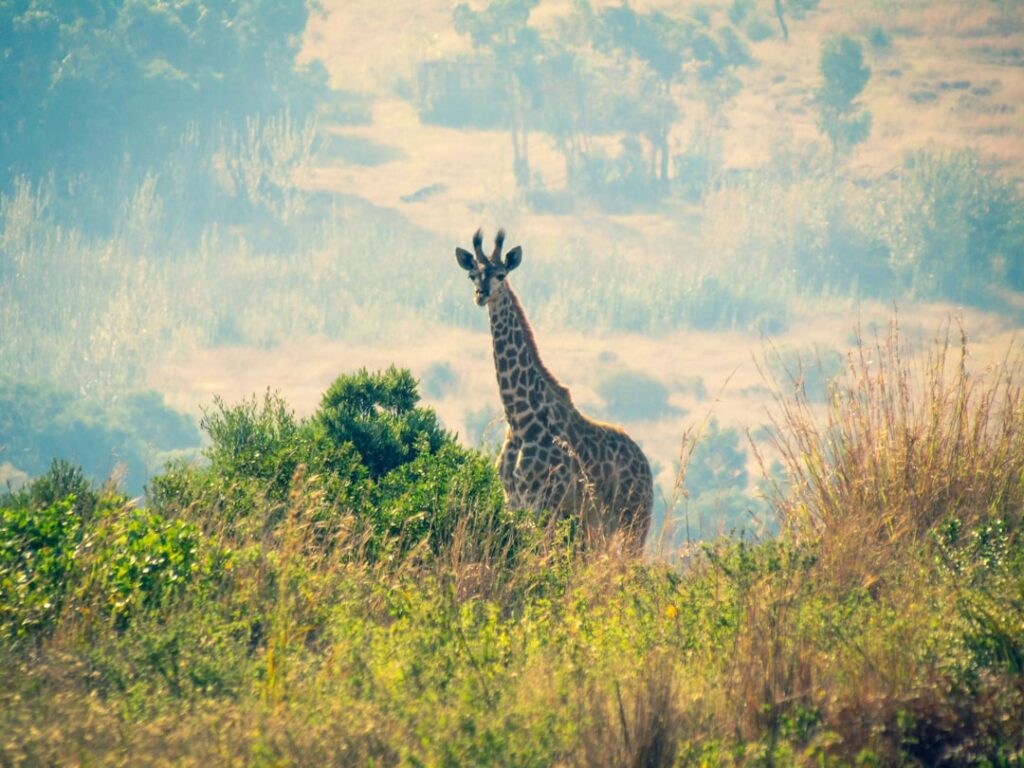
Tswalu Kalahari Reserve, South Africa — Vast savannas stretch across this 118,000-hectare expanse in the Northern Cape, where ancient dunes meet rugged mountains. Once scarred by cattle farming, the landscape now teems with native wildlife, from cheetahs sprinting across golden plains to rhinos grazing under acacia trees. Managers at the reserve have pioneered a model where carbon credits from rewilding efforts generate revenue to sustain protection of endangered species and fragile ecosystems.
A Bold Transformation from Ranch to Refuge
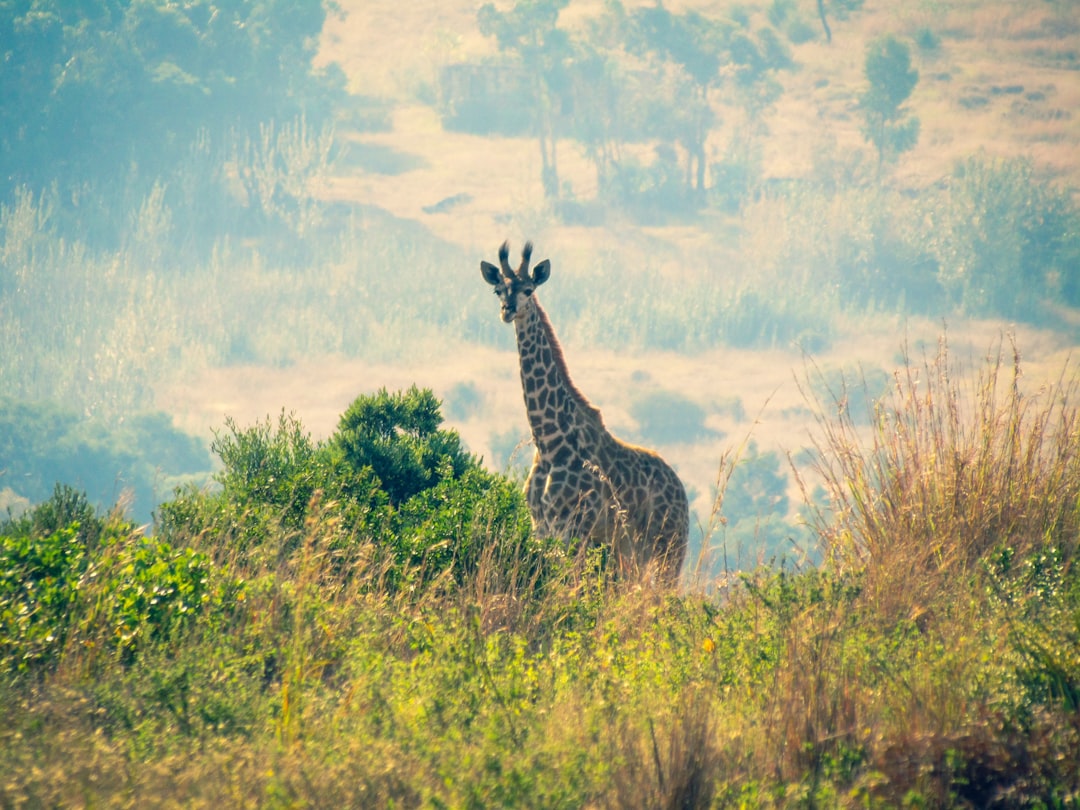
A Bold Transformation from Ranch to Refuge (Image Credits: Unsplash)
The Oppenheimer family acquired the core property in 1999 and steadily expanded it by purchasing neighboring cattle farms. They banned hunting immediately and shifted focus to restoring natural processes disrupted by decades of overgrazing. Annual wildlife counts guide relocations to maintain balanced populations of grazers, browsers, and mixed feeders.
Efforts simulate historic megaherbivore migrations that once crossed the Kalahari in massive herds. Predators like lions, leopards, and wild dogs create a “landscape of fear” that influences prey distribution, preventing localized overgrazing. Cheetah litters of four or five kittens signal breeding success, though managers watch springbok numbers closely.
Wildlife as Carbon Engineers
Herbivores play a pivotal role in soil carbon sequestration through trampling, dung, and urine that fertilize the ground and accelerate microbial activity. This process converts plant matter into stable inorganic carbon, more resilient than aboveground biomass in fire-prone savannas. Studies show wild animals outperform livestock, as their waste fosters efficient decomposition without antibiotics that hinder microbes.
At Tswalu, conservative stocking rates allowed grass cover to rise from 38% in 2017 to 57% in 2022. A network of 59 soil monitoring stations verifies gains, proving rewilding enhances storage in arid soils that hold three times more carbon than vegetation worldwide. “That’s what the animals naturally do,” ecologist Oswald Schmitz explained. “They graze, they release urine and dung, and then they move.”
Issuing the First Credits for a Private Reserve
Tswalu partnered with Rewild Capital and Oppenheimer Generations to certify its project under Credible Carbon’s standards, using U.N.-backed methodologies. Auditors confirmed 34,471 credits for 2020-2022, each representing one tonne of CO2 sequestered or emissions avoided via solar panels and reduced methane from grazing. Projections estimate over 275,000 credits by 2039, with new issuances every three years.
Revenue reinvests in anti-poaching, research, and expansions, reducing reliance on tourism or philanthropy. The reserve offset its own emissions and sold credits to partners like Nutec. Matthew Child, Rewild Capital CEO, described it as “a catalyst” for scaling conservation. This marks southern Africa’s first such achievement for a private protected area.
Biodiversity Surge and Community Gains
The reserve now shelters 75 mammal species, including threatened carnivores like brown hyenas and Temminck’s ground pangolins. Reintroductions bolster black-maned lions, desert black rhinos, and wild dogs. Biodiversity surveys document 70 dung beetle species and 24 protected plants across five ecosystems.
- Mountain zebras overlook verdant plains from rocky outcrops.
- Wild dogs hunt in packs post-rains.
- White rhinos roam alongside giraffes and kudu.
- Cheetahs and leopards maintain herd dynamics.
- Pangolin research advances rewilding techniques.
Half of carbon proceeds fund community programs, providing housing, healthcare, education, and pensions for 265 employees and families—far more jobs than prior farms created. Annual investments hit R2.63 million since 2019, with plans to add R42 million more by 2030.
Key Takeaways
- Tswalu issued 34,471 verified carbon credits in 2022, pioneering private reserve funding.
- Grass cover jumped 19% in five years, boosting soil carbon in the arid Kalahari.
- 50% of revenue expands community welfare, supporting SDGs on poverty and biodiversity.
Tswalu proves carbon markets can sustain rewilding in challenging drylands, blending climate action with wildlife protection. As droughts intensify, this model offers a blueprint for reserves worldwide. What role do you see for carbon credits in global conservation? Share your thoughts in the comments.