Singapore – Scattered forest remnants in the city-state’s historic areas shelter rare reptiles, including species absent for generations amid relentless urban growth.
A Surprising Reptile Resilience
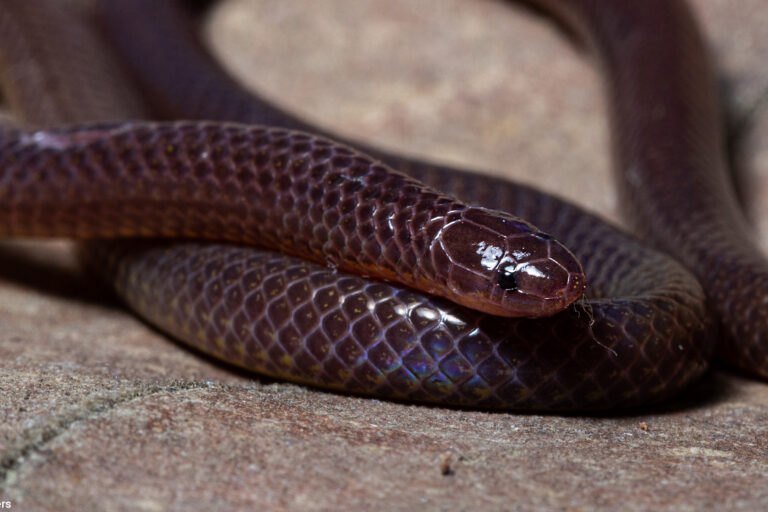
A Surprising Reptile Resilience (Image Credits: Imgs.mongabay.com)
Researchers revealed that snakes and lizards endured better than expected in Singapore’s transforming landscape. About 17% of native squamate species vanished locally over two centuries, a figure lower than losses among birds or butterflies.
This resilience stemmed from the reptiles’ adaptability to disturbed habitats. Many species thrived in sunlit clearings essential for thermoregulation. Primary forest specialists suffered most, yet secondary woodlands sustained others as canopies thickened over decades.
Experts at the National University of Singapore analyzed historical records to map these patterns. Ananthanarayanan Sankar and Ryan A. Chisholm noted that extirpations occurred quietly, often leaving only archival notes behind.
Two Waves of Habitat-Driven Loss
The first major decline hit in the early 1900s. Plantations and industry cleared nearly all primary forests, compressing wildlife into shrinking patches.
A second wave followed in the late 20th century. Urbanization fragmented secondary forests, isolating populations further. The narrow strait to Malaysia blocked natural recolonization for most non-flying reptiles.
Statistical modeling pinpointed these pulses. Primary forest dwellers declined sharply first, while edge-tolerant species persisted longer.
Rediscoveries Spark New Hope
Nature surprised conservationists with recent returns. Field surveys uncovered long-missing species in unlikely spots.
- Selangor mud snake (Raclitia indica) reappeared in 2020, after 106 years.
- Lined blind snake (Rhamphotyphlops lineatus) turned up in Bukit Timah Nature Reserve in 2019, absent for 172 years.
- Gimlett’s reed snake (Calamaria lovii gimletti) surfaced in 2017, gone for 84 years.
These finds highlighted maturing secondary forests’ potential. Restoration programs enhanced understories, mimicking lost complexity.
Targeting the Hulk Forest Gecko
Scientists now eye deliberate reintroductions. The hulk forest gecko (Gekko hulk) emerged as a top candidate.
Last seen in Singapore in 1997, it endures in nearby Malaysian forests. This insect-eating mid-level predator could slot into nature reserves’ food webs with minimal disruption.
Sankar and Chisholm’s model favored recent extirpations like this one. They argued such species suffer less “ecological memory loss,” easing reintegration into recovering habitats.
Translocation from Peninsular Malaysia offers a feasible source. Ongoing habitat protection would support establishment.
Key Takeaways
- 17% of squamates locally extirpated, lower than other groups.
- Two decline phases tied to forest loss waves.
- Hulk forest gecko primes for rewilding efforts.
Singapore’s journey underscores that local extinctions need not prove permanent. Targeted actions in restored forests could rebuild vital ecological links, even in a densely built environment. What steps should urban areas take next to aid such recoveries? Share your thoughts in the comments.