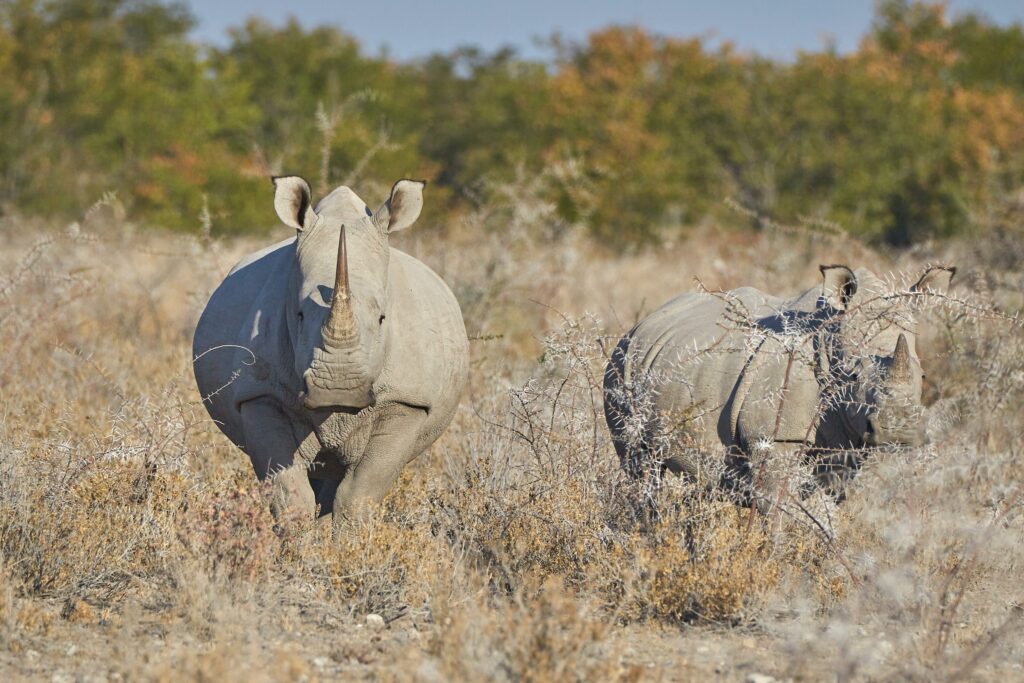
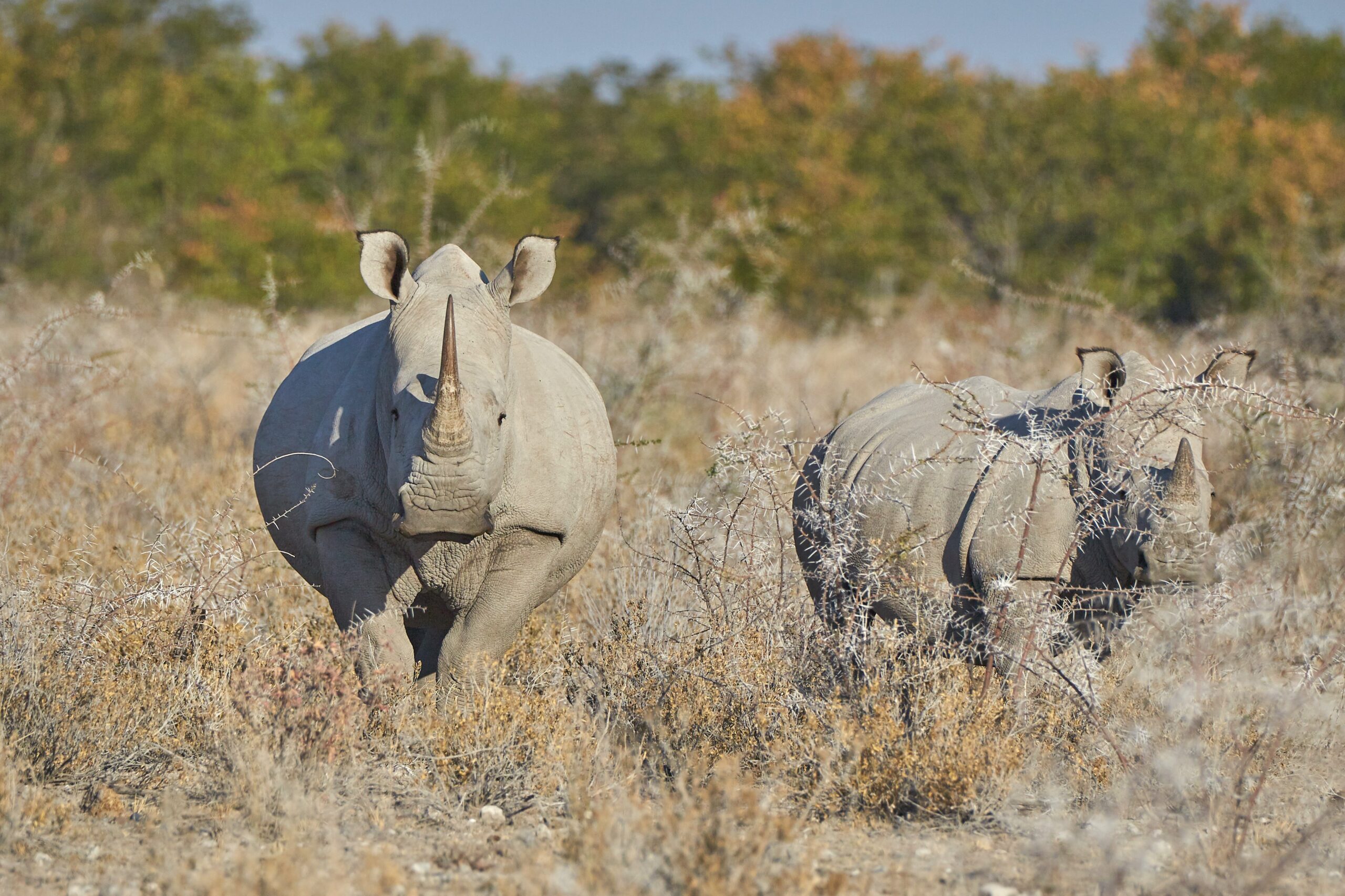
Kidepo Valley National Park, Uganda — Conservationists marked a pivotal moment in March 2026 when southern white rhinos stepped into the wild expanse of this remote northern park for the first time since 1983. The Uganda Wildlife Authority translocated the initial pair from Ziwa Rhino Sanctuary, followed swiftly by two more, as part of a plan to introduce eight animals overall. Poaching had eradicated the species from Uganda’s parks decades earlier amid civil unrest, but meticulous planning now offers a chance for revival. This effort underscores a broader commitment to restoring biodiversity in East Africa’s savannas.
A Milestone Translocation Ignites Hope
A Milestone Translocation Ignites Hope (Image Credits: Upload.wikimedia.org)
On March 17, 2026, the flag-off ceremony launched the reintroduction, with two southern white rhinos transported over 400 kilometers from central Uganda’s Ziwa Rhino Sanctuary to Kidepo’s fenced sanctuary. Dr. James Musinguzi, executive director of the Uganda Wildlife Authority, described the event as the start of a new chapter: “This moment marks the beginning of a new rhino story for Kidepo Valley National Park.” The animals, accustomed to sanctuary life, rumbled out of their crates into a prepared habitat equipped with water points and monitoring systems.
Two additional rhinos arrived days later, bringing the initial count to four, with the remaining four scheduled by May. Trained rangers and veterinarians now track their adjustment, ensuring the grazers thrive in the park’s intact grasslands. This phased approach minimizes stress and maximizes survival odds.
From Breeding Grounds to Ancient Ranges
Ziwa Rhino Sanctuary, established in 2005, served as the critical breeding hub for this endeavor. The program began with six rhinos – four from Kenya and two from a U.S. facility – and grew to 61 by recent counts, proving Uganda’s capacity for captive breeding success. These southern white rhinos, a different subspecies from the northern whites once native here, now fill a vital ecological niche.
Kidepo Valley National Park spans vast savannas in Uganda’s northeast, near the South Sudan border, where rhinos historically roamed alongside diverse wildlife. A comprehensive feasibility study confirmed the site’s suitability, factoring in forage availability, water, and security. Earlier that year, four rhinos had moved to Ajai Wildlife Reserve, expanding the national effort.
Poaching’s Shadow and Hard-Won Lessons
Uganda’s parks once sheltered about 700 rhinos, but poachers decimated them during the late 1970s and early 1980s, exploiting political instability for horns prized in Asian markets. The final rhino fell in Kidepo’s Narus Valley in 1983, leaving the wild populations extinct nationwide. Demand persists, with horns fetching prices rivaling gold on black markets.
Authorities have since bolstered enforcement, reducing incidents through arrests and prosecutions. Yet challenges linger in remote areas like Kidepo, prone to cattle raids. The reintroduction incorporates robust defenses: perimeter fencing, ranger outposts, firebreaks, and advanced surveillance.
Partners and Preparations Fuel Success
A coalition of organizations underpinned the project. Partners such as Wild Landscapes East Africa, Northern Rangelands Trust, Uganda Conservation Foundation, and Global Conservation provided funding, logistics, and expertise for infrastructure like roads and veterinary support. Their collaboration aligns with Uganda’s National Rhino Conservation Strategy, targeting historical ranges.
- Habitat assessment and modification for grazing needs.
- Security enhancements against poachers and intruders.
- Community engagement to mitigate conflicts.
- Veterinary protocols for safe translocation.
- Monitoring tech for real-time health tracking.
These measures address past failures, positioning the initiative for long-term viability. Musinguzi expressed gratitude: “We are deeply grateful to our conservation partners whose technical expertise, financial support, and logistical contributions have made this milestone possible.”
Broader Impacts on Ecosystems and Economies
Southern white rhinos, classified as near-threatened globally with around 10,000 individuals, play key roles as ecosystem engineers. Their grazing maintains grasslands, benefiting other species. In Kidepo, their presence elevates the park’s allure, promising tourism revenue for local communities.
Experts like Robert Aruho, a former UWA rhino program head, highlight ecological benefits: “Ecologically, the white rhinos are grazers, and their large food intakes keep the grasslands in check.” Success here could inspire similar restorations across Africa.
Key Takeaways
- First rhinos in Kidepo since 1983 signal a conservation triumph.
- Eight southern whites from Ziwa aim to build a self-sustaining herd.
- Enhanced security and partnerships guard against poaching threats.
This reintroduction breathes new life into Uganda’s wild heritage, proving that committed action can reverse extinction’s toll. As the rhinos adapt, they symbolize resilience amid ongoing threats. What do you think about this conservation milestone? Tell us in the comments.