Gulf of Mexico – Fewer than 50 Rice’s whales remain in these waters, making the species one of the world’s rarest great whales. Interior Secretary Doug Burgum announced plans to convene the Endangered Species Committee, known as the “God Squad,” for a pivotal meeting on March 31, 2026, in Washington, D.C. The committee will review a proposed exemption under the Endangered Species Act that would permit oil and gas exploration, development, and production activities threatening the whales’ survival. Conservation groups warn this move prioritizes industry interests over imminent extinction risks.
A Whale Unique to the Gulf
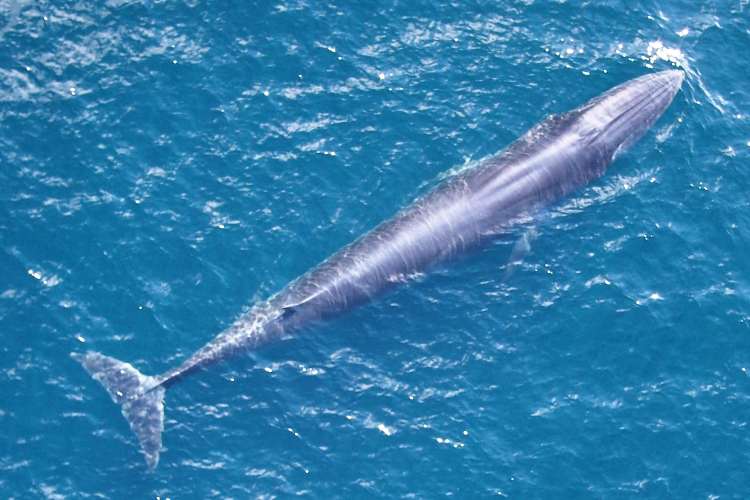
A Whale Unique to the Gulf (Image Credits: Wikimedia)
The Rice’s whale, or Balaenoptera ricei, inhabits only the northern Gulf of Mexico year-round. Scientists first documented the species in 1965, with genetic confirmation as distinct in 2021. These whales favor the continental slope, a busy corridor for shipping and energy operations.
The National Marine Fisheries Service issued a 2025 Biological Opinion highlighting severe threats. Vessel strikes and noise from seismic surveys pose lethal dangers to the tiny population. Without intervention, experts predict extinction looms.
The ‘God Squad’ Explained
Congress created the Endangered Species Committee in 1978 to handle rare exemptions when no alternatives exist under the Endangered Species Act. The Secretary of the Interior chairs the group, joined by six other Cabinet secretaries and state representatives from affected areas. It last met in 1991.
President Trump’s January 2025 Executive Order 14156 declared an energy emergency, prompting regular use of the committee. Secretary Burgum now leads this session focused on Gulf activities. Critics call it an unprecedented push to sideline protections.
- Chaired by Interior Secretary
- Includes Agriculture, Commerce, Defense secretaries
- Features state governors or designees
- Requires seven-vote majority for exemptions
- Has granted few approvals historically
Announcement Sparks Alarm
The U.S. Department of the Interior published a Federal Register notice on March 17, 2026, detailing the meeting. It targets exemptions for oil and gas operations, including vessel traffic and surveys disrupting whale habitat. Burgum emphasized streamlined coordination between energy production and conservation.
Industry operations generate billions in revenue annually. Yet environmental analyses stress that current practices endanger not just whales but sea turtles and sturgeon too. The exemption request stems from conflicts between drilling leases and species safeguards.
Conservation Pushback and Simple Fixes
Groups like the Endangered Species Coalition decry the proposal. “The oil industry rakes in billions and executives pay themselves tens of millions annually, yet instead of rebudgeting a fraction of those resources for environmentally-conscious operations, they would doom the Gulf Rice’s whale to extinction,” stated Jewel Tomasula, PhD, the organization’s national policy director.
Tomasula highlighted feasible solutions. Slower vessel speeds in whale zones, quieter seismic technology, and vigilant monitoring could prevent deaths. “These whales are beautiful, and their recovery is also essential for restoring a healthy ocean ecosystem,” she added
Broader Implications for Marine Life
Beyond Rice’s whales, the exemption could affect Gulf ecosystems broadly. Seismic blasts harm marine mammals, while spills and strikes compound pressures. A 2025 federal review deemed activities incompatible with recovery plans.
Legal challenges already surround Gulf leasing. Environmental organizations prepare to contest any approval, arguing procedural flaws and ignored alternatives.
Key Takeaways
- Rice’s whale population: Under 50 individuals.
- God Squad meeting: March 31, 2026, Washington, D.C.
- Proposed fixes: Speed limits, quieter tech, better detection.
The March 31 decision could mark a turning point for U.S. wildlife policy, pitting energy demands against biodiversity. Simple changes offer a path to coexistence, yet time runs short for these elusive Gulf giants. What measures would you prioritize to save them? Share your thoughts in the comments.