Hoja Blanco, Ecuador — Expanding road networks in the northwestern Chocó rainforest have transformed remote wilderness into accessible frontiers, altering habitats for species that once thrived in isolation.
Loggers Paved the Initial Paths
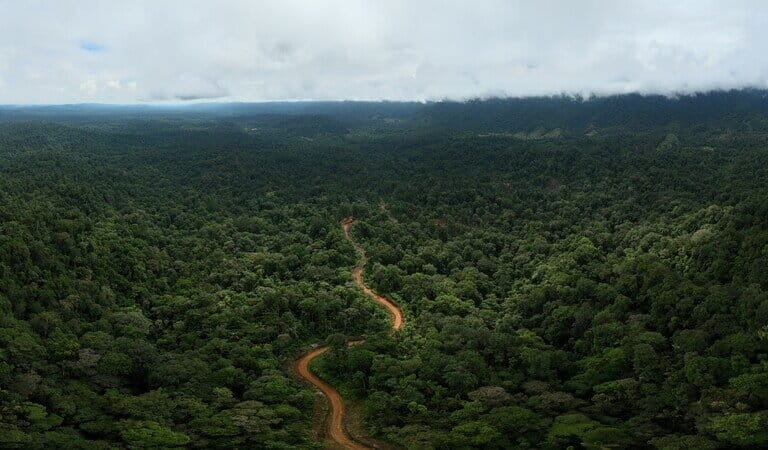
Loggers Paved the Initial Paths (Image Credits: Imgs.mongabay.com)
Timber companies first breached the dense canopy during the 1980s and 1990s. Firms like Endesa-Botrosa constructed roads to extract valuable woods such as Brazilian calophyllum and roble. These routes, initially rudimentary, took hours to navigate just a few miles through the muddy terrain.
Operations continued into the 2020s, with Botrosa halting in 2021 and Endesa shifting to plantations by 2024. The infrastructure they left behind spurred settlement and agriculture. Communities harnessed these paths for cacao transport and cattle ranching, marking a shift from isolation to economic activity.
Wildlife Faces Fragmentation
Roads have sliced through vital corridors, isolating populations of endangered animals. Camera traps in the Canandé Reserve captured 11 jaguars, alongside great curassows and 143 brown-headed spider monkeys—representing more than half the global count of this critically threatened primate.
Fragmentation disrupts migration and breeding. Hunters and settlers encroach deeper, depleting prey and increasing roadkill risks. Endemic plants like Magnolia canandeana also suffer as clearings expand. A recent study highlighted roads as the initial incision leading to broader ecosystem loss.
- Jaguars (Panthera onca): Apex predators now confined to shrinking patches.
- Brown-headed spider monkeys (Ateles fusciceps): Over half of remaining individuals in one reserve.
- Great curassows (Crax rubra): Ground-dwelling birds vulnerable to traffic and poaching.
Communities Balance Progress and Peril
Local groups in places like Chontaduro maintain roads through communal mingas, charging fees for passage. These links cut travel times for medical aid and markets, fostering small businesses. Yet, openness invites loggers, thieves, and gangs amid Ecuador’s security woes.
“Before we had a road, we didn’t have any problems,” said María Brisita de la Cruz, a community founder. “Now there’s a road, and we have problems.” Indigenous Chachi leader Marcos Tapullo noted the lack of government aid, leaving residents as “just survivors.”
Conservation Fights Road Creep
The Jocotoco Conservation Foundation has grown the Canandé Reserve to 19,000 hectares since 2000, acquiring land to halt road incursions. They erect gates and negotiate with locals, prioritizing biodiversity corridors linking to national parks. “Opening a road there… allows people to get in for hunting,” warned land manager Efraín Cepeda.
CEO Martin Schaefer emphasized safeguarding forests against inevitable paving. Reserves now host recovering magnolias and bolster jaguar numbers, offering hope amid 3% remaining lowland cover.
Roads symbolize both opportunity and existential threat in the Chocó, where wildlife clings to fragments of ancient forest. Strategic land protection could secure habitats before expansion seals their fate.
Key Takeaways
- Only 3% of lowland Chocó forest remains, largely due to logging-era roads.[1]
- Reserves shelter critical populations, like over half the world’s brown-headed spider monkeys.
- Communities gain access but face new risks from outsiders and crime.
What measures could reconcile human needs with wildlife preservation in regions like the Chocó? Tell us in the comments.