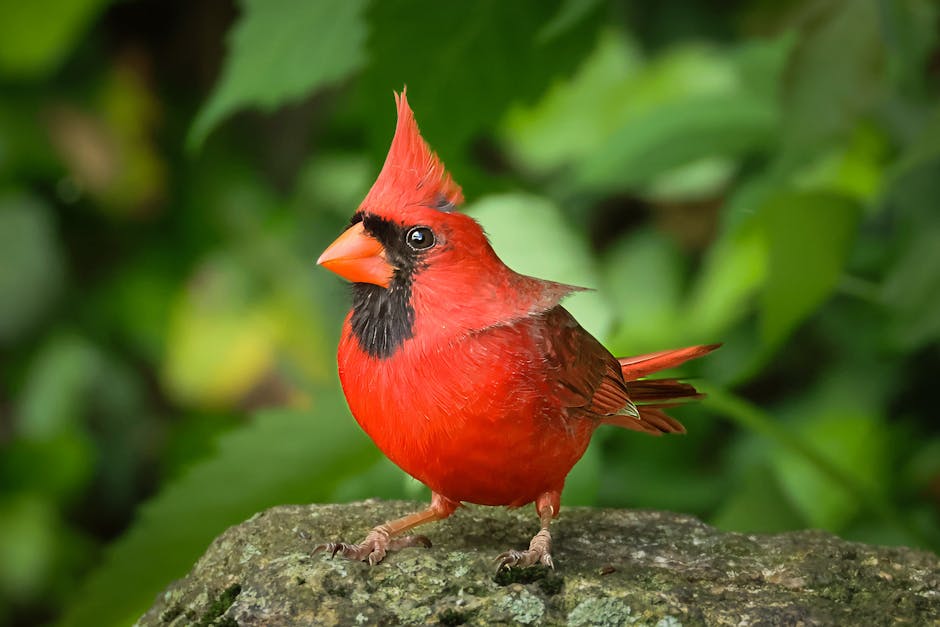
Researchers at Florida Atlantic University have demonstrated that common daily challenges trigger measurable shifts in the gut microbiomes of northern cardinals. These vibrant songbirds, known for their striking red plumage, faced simulated stressors over an 11-day period in a study published in Scientific Reports. The work reveals how even subtle disruptions influence the microbial communities essential to the birds’ digestion and immunity. Such insights offer a deeper view into wildlife health amid changing environments.
The Vital Role of Gut Microbes in Songbirds
The Vital Role of Gut Microbes in Songbirds (Image Credits: Pexels)
The gut microbiome consists of diverse bacteria and fungi that support key bodily functions. In birds like northern cardinals (Cardinalis cardinalis), these microbes assist with digestion, bolster the immune system, and influence overall vitality. Northern cardinals remain in their territories year-round, spanning from the eastern United States to Central America, without migrating.
Healthy microbial balances contribute to robust health markers. Disruptions in this ecosystem can signal underlying physiological strain. Scientists increasingly recognize the microbiome as a sensitive indicator of an animal’s internal state, beyond observable behaviors.
Simulating Real-World Pressures on Wild Birds
The Florida Atlantic University team captured and monitored free-ranging northern cardinals to assess stress responses. Over 11 days, birds encountered mild challenges mimicking natural threats. One group heard recorded territorial calls from rival males, sparking simulated disputes.
Another set experienced short-term captivity post-capture, a more intense interruption to their routines. Control birds avoided such exposures. Researchers collected samples to analyze microbial compositions before and after these events. This approach allowed precise tracking of changes in wild conditions.
Clear Microbial Changes Tied to Health Signals
Stressed birds showed distinct alterations in their gut microbial communities, though overall diversity held steady. Those held in captivity displayed the most pronounced shifts compared to the social stress group. Such variations highlight how captivity amplifies effects beyond brief social encounters.
These microbiome changes correlated directly with physical indicators. Brighter beak coloration, improved body condition, and elevated stress hormone levels aligned with specific microbial profiles. The study underscores that routine stressors produce tangible physiological footprints.
- Simulated territorial disputes prompted moderate microbial adjustments.
- Brief captivity led to more substantial community reshufflings.
- Microbial profiles linked to beak vibrancy as a health cue.
- Body condition scores reflected stressor intensity.
- Stress hormones rose alongside gut changes.
Insights from the Research Lead
Morgan Slevin, lead author from Florida Atlantic University, emphasized the study’s broader value. “These microbial shifts give us a window into the hidden ways wild animals respond to the world around them, helping us understand their resilience and overall well-being in ways we couldn’t see from behavior alone,” Slevin said. Her comments point to the microbiome’s potential as a diagnostic tool.
The findings build on growing evidence that gut health mirrors environmental pressures in wildlife. Future applications could track cumulative stress in songbird populations.
Implications for Monitoring Wildlife Resilience
Microbiome analysis may soon serve as a historical log of stressors for wild songbirds. Brief routine interruptions already provoke responses; prolonged habitat changes could intensify them. Conservationists might use these markers to gauge population health proactively.
As urban expansion and climate shifts challenge avian habitats, such research gains urgency. Northern cardinals’ responses offer a model for other resident species. Early detection of stress via gut profiles could inform protective measures.
Key Takeaways:
- Mild stressors like territorial playback alter microbial communities without reducing diversity.
- Captivity induces stronger gut changes than social challenges.
- Microbiome shifts connect to beak color, body condition, and hormone levels.
Northern cardinals demonstrate remarkable sensitivity to daily pressures through their gut ecosystems, reminding us of wildlife’s unseen vulnerabilities. This study paves the way for non-invasive health assessments in the field. How might similar stresses affect birds in your area? Tell us in the comments.