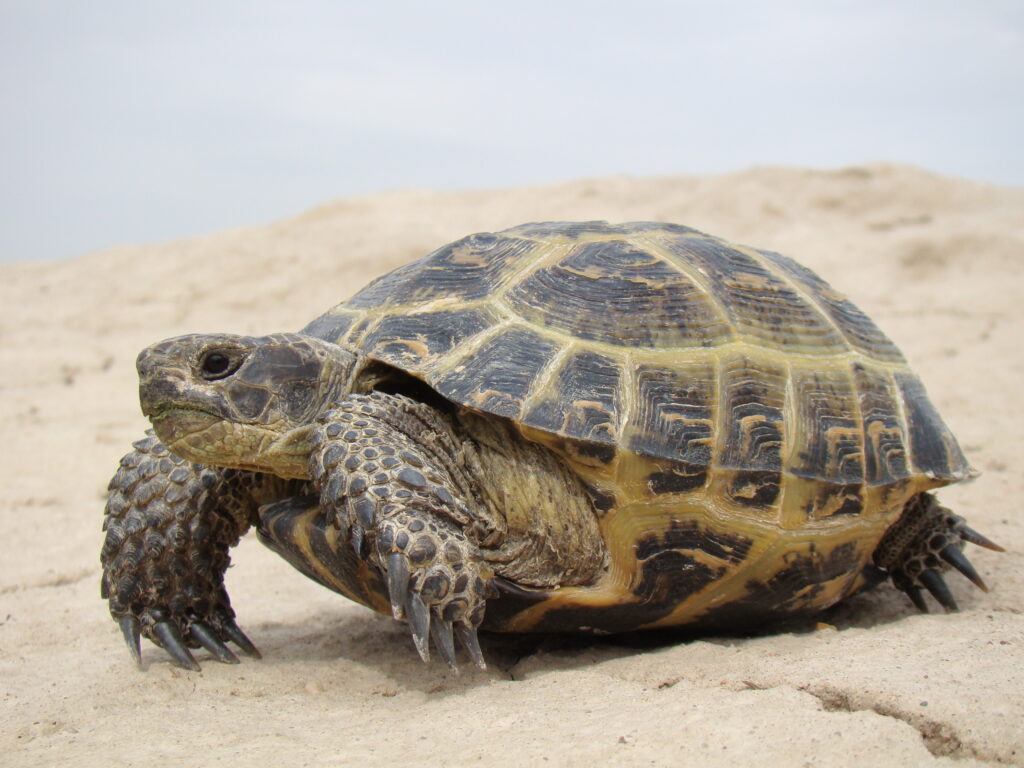
Russian tortoises demand thoughtful preparation from prospective owners, as these resilient reptiles frequently exceed 50 years in well-managed environments.
A Commitment That Spans Generations
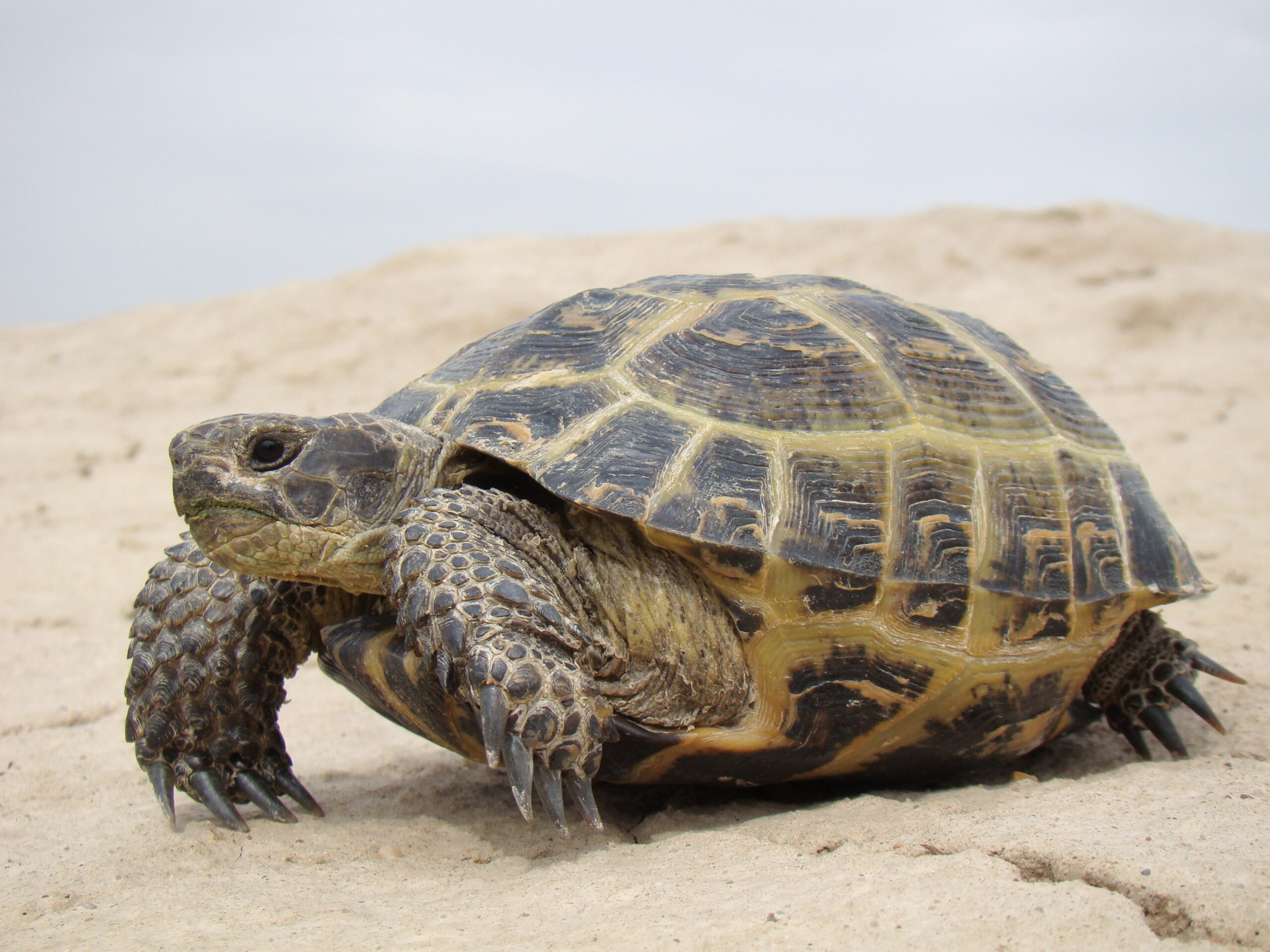
A Commitment That Spans Generations (Image Credits: Upload.wikimedia.org)
Owners often underestimate the endurance of Russian tortoises, which thrive for 40 to 50 years or more under optimal conditions. This longevity surpasses many household pets and underscores the need for sustained dedication. In captivity, these animals escape wild threats like predators and scarce resources, allowing them to reach their genetic potential. Proper husbandry turns a simple pet into a multi-generational family member. Experts emphasize three interconnected elements: habitat, nutrition, and health vigilance. Neglect in any area ripples through the others, shortening life expectancy.
Wild counterparts face harsh Central Asian steppes, where survival averages far less than in protected homes. Captive settings provide stability, boosting average lifespans significantly. This advantage hinges on replicating natural conditions indoors. Owners who master these basics witness tortoises outlasting cars, homes, and even children’s childhoods.
Designing the Perfect Enclosure
Glass tanks prove inadequate for Russian tortoises, trapping moisture and causing stress from invisible barriers. A better option emerged as the tortoise table, an open-top wooden enclosure that promotes airflow and security. These setups span several feet to allow exploration and zoning. One end features a basking area under heat, while the other remains cooler for retreat. Such designs prevent common ailments tied to poor ventilation.
Space enables natural behaviors, from foraging to hiding. Substrate like cypress mulch maintains dryness, mimicking arid habitats. This foundation supports longevity by reducing stress and infection risks. Tortoises in spacious, well-ventilated homes display vigor absent in cramped quarters.
Replicating Sunlight and Warmth
UVB lighting stands as non-negotiable for calcium metabolism, preventing metabolic bone disease that deforms shells and bones. Window light fails entirely, as glass filters out vital rays. Specialized 10.0 or 12% tube bulbs, spanning half the enclosure, require replacement every six to 12 months despite visible glow. Paired with calcium supplements, these lights build robust skeletons.
A separate heat source creates a gradient: 90-95°F basking spots aid digestion, dropping to mid-70s°F elsewhere. Tortoises self-regulate by moving between zones. This setup fuels activity and prevents gut stasis. Without it, sluggishness leads to illness. Key equipment includes:
- UVB tube for vitamin synthesis.
- Heat lamp for targeted warmth.
- Temperature gauges for monitoring.
Fueling Longevity Through Diet
Fibrous greens form the core of a Russian tortoise diet, echoing wild grazing on weeds. Favorites include dandelion, plantain, turnip, collard, and mustard greens, offered in variety daily. High fiber supports digestion, while calcium dusting two to three times weekly strengthens shells. UVB activates this mineral, forming an essential duo.
Prohibited items shorten lives dramatically. Fruits ferment, fostering parasites; proteins damage kidneys, causing pyramiding – lumpy shell growth. Iceberg lettuce offers empty calories, leading to malnutrition. Avoid these pitfalls with strict herbivore feeding. A sample safe menu:
- Dandelion greens.
- Collard greens.
- Plantain weed.
- Turnip greens.
Vigilance Against Health Risks
Healthy tortoises show bright eyes, steady appetite, smooth shells, and active daytime exploration. Issues like wheezing, puffy eyes, or lethargy signal respiratory infections from damp colds or poor heat. Pyramiding stems from dietary errors and light deficiencies. Early detection via observation proves vital.
Exotic veterinarians handle reptile specifics, unlike general practitioners. Locate one preemptively. Skip hibernation, as it risks fatality in imperfect health; year-round warmth sustains better. Age assessment relies on records, not shell rings, which vary unpredictably.
Key Takeaways
- Prioritize tortoise tables with UVB and heat gradients.
- Feed weeds/greens with calcium; ban proteins and fruits.
- Monitor for clear eyes, activity, and smooth shells – consult reptile vets promptly.
Success with Russian tortoises rewards consistent effort across habitat, diet, and monitoring, fostering companions for decades. Compared to giants like Sulcatas, their compact size eases long-term care. What steps will you take to ensure your tortoise’s enduring health? Share in the comments.