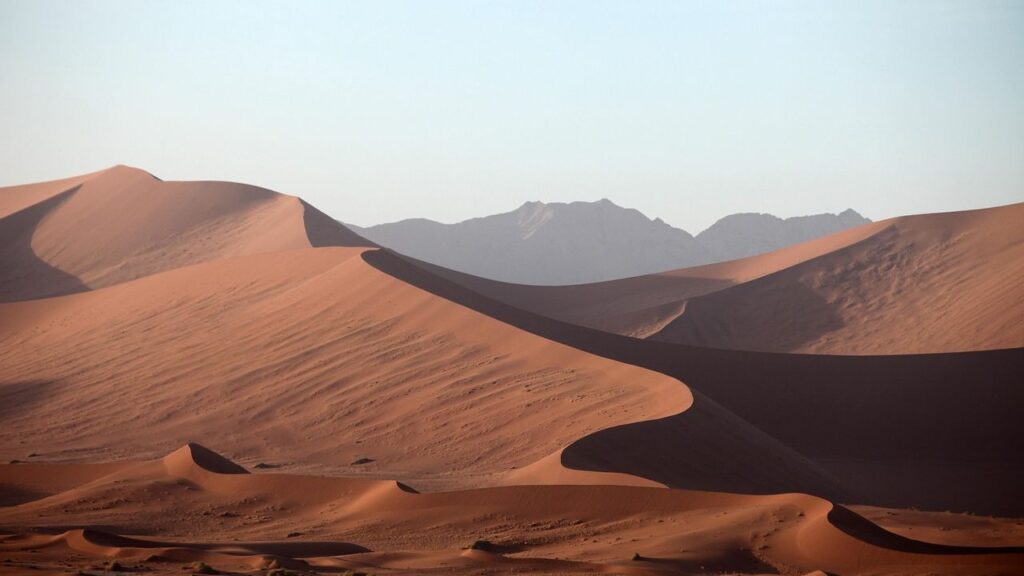
In the vast Sahara Desert, archaeologists have uncovered 260 burials that push back the timeline of organized human communities in the region. The discoveries include large, circular mass graves that predate the emergence of ancient Egypt by centuries or more. These sites offer a rare window into societies that thrived when the landscape was far less arid than it is today.
Unexpected Scale of the Burials
Teams working across multiple locations documented the graves through careful excavation and dating methods. The circular structures stood out immediately because of their size and consistent design. Researchers noted that the burials appeared in clusters rather than isolated plots, suggesting deliberate communal practices. Further analysis showed that many graves contained multiple individuals interred together. This pattern differs from later Egyptian traditions that emphasized individual tombs for elites. The sheer number of sites indicates sustained occupation over generations rather than a single event.
Insights Into Early Desert Life
The burials reveal that people maintained complex rituals even in a challenging environment. Grave goods and positioning of remains point to beliefs about the afterlife that existed long before pharaonic culture took shape. Such evidence challenges assumptions that the Sahara was largely empty before the rise of Nile Valley civilizations. Climate records tied to the sites suggest the area once supported more vegetation and water sources. Communities likely relied on herding and seasonal movement to survive. These adaptations allowed populations to flourish in places now considered uninhabitable.
Broader Historical Implications
The findings add new layers to understanding human migration and cultural development across North Africa. They demonstrate that sophisticated burial customs emerged independently in different parts of the continent. Scholars now have fresh material to compare with later Egyptian practices. Ongoing studies continue to refine the dates and examine skeletal remains for clues about diet and health. Each new detail helps reconstruct daily life in these early groups. The work underscores how much remains hidden beneath shifting sands. The discoveries remind researchers that history often lies in unexpected places. They also highlight the value of sustained fieldwork in remote regions. Future excavations may reveal even earlier chapters of human presence in the Sahara.