Antarctica – Researchers stumbled upon dozens of previously unknown emperor penguin molting grounds while analyzing satellite images of the continent’s icy coasts. These sites, essential for the birds’ annual feather replacement, now face severe risks from rapidly diminishing sea ice. The findings, drawn from years of remote sensing data, paint a troubling picture for a species already under pressure from environmental changes.
An Unexpected Revelation in the Ice
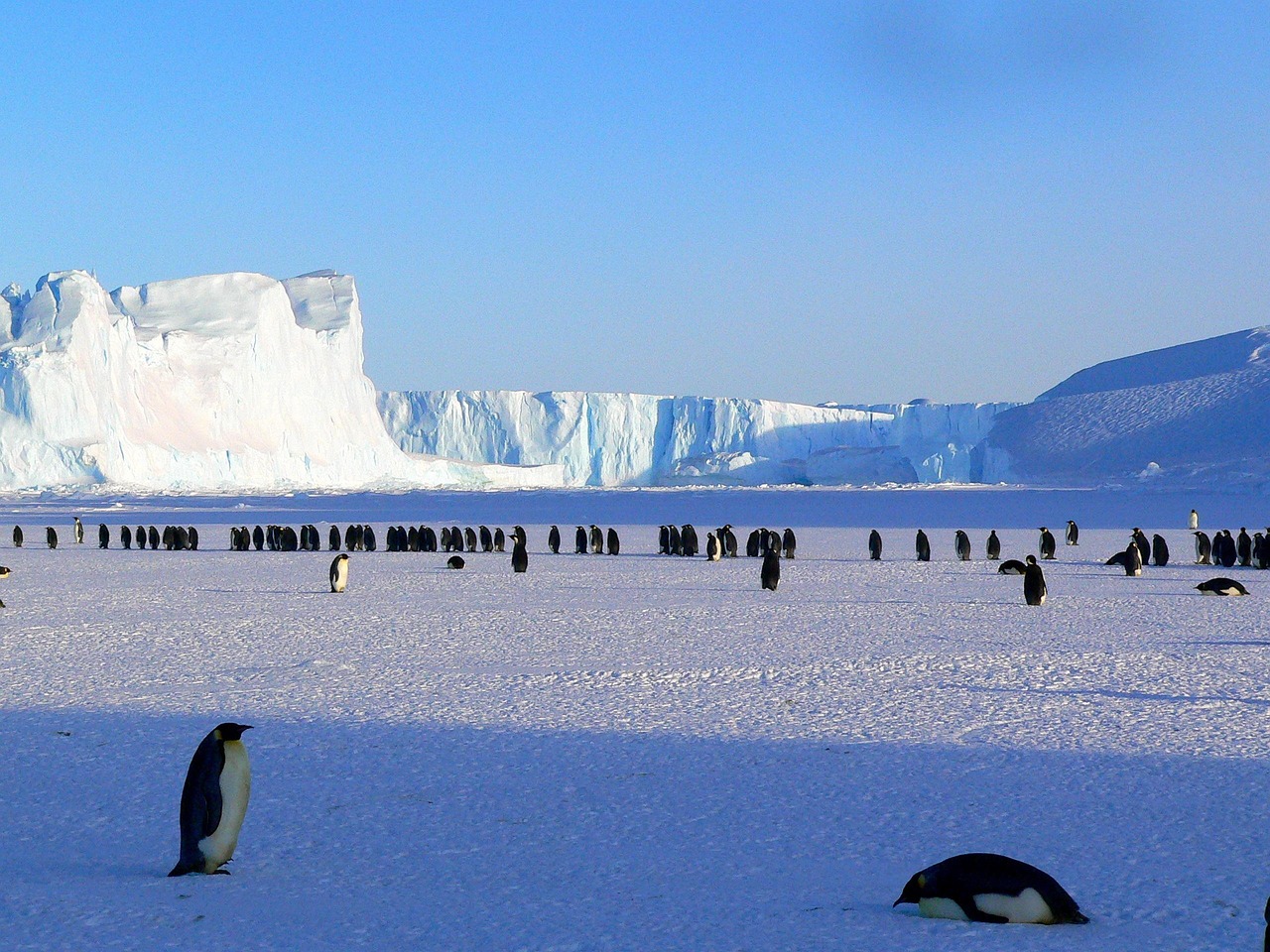
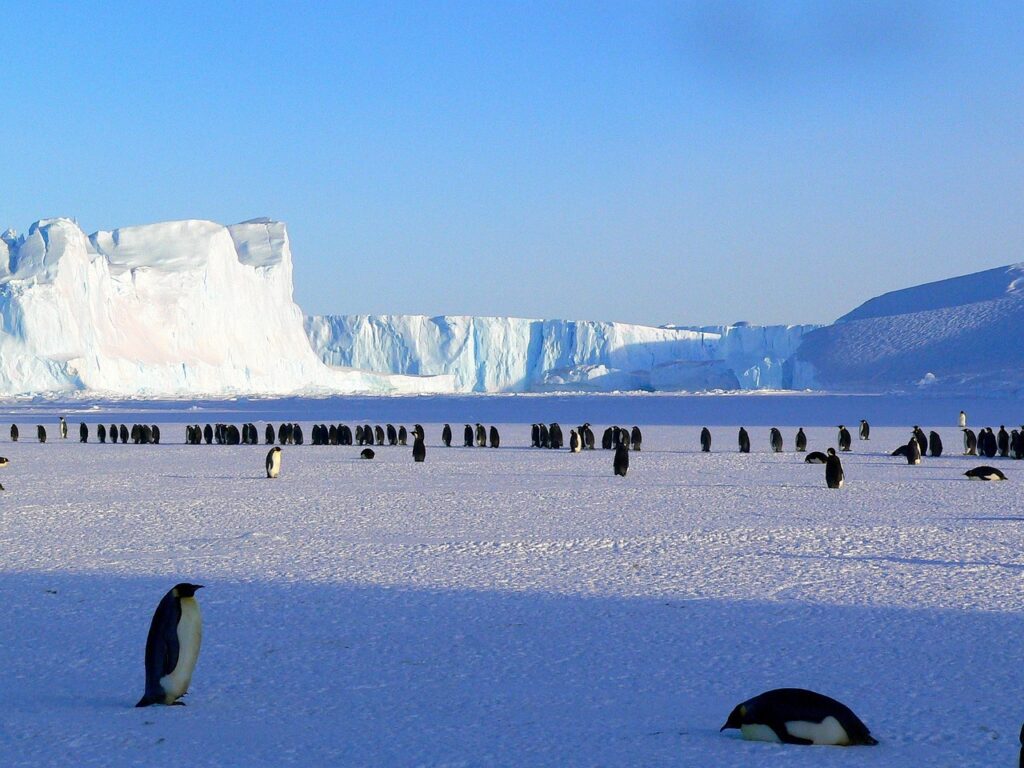
An Unexpected Revelation in the Ice (Image Credits: Pixabay)
Scientists at the British Antarctic Survey spotted distinctive brown patches on fast sea ice along Marie Byrd Land’s coastline. These marks, visible during the Southern Hemisphere summer, aligned perfectly with the timing of emperor penguin molting. Closer examination confirmed they were clusters of birds shedding old feathers.
The team reviewed seven years of imagery from 2019 to 2025 and identified over 100 groups annually in stable ice years. Located off the Saunders Coast, particularly near Guest Peninsula, the sites span a 200-kilometer stretch. Penguins travel up to 1,000 kilometers from Ross Sea breeding colonies – home to 30 to 40 percent of the global population – to reach these refuges.
The Critical Molting Ritual
Emperor penguins undergo a high-stakes transformation each year. For 30 to 40 days between January and March, adults fast on stable ice platforms, replacing insulating feathers to restore waterproofing. They lose up to half their body mass in the process, making it the most perilous phase for adults.
During this period, the birds cannot enter the water. Immersion risks hypothermia, exhaustion, and predation before new plumage sets. Stable fast ice provides the necessary sanctuary, but summer conditions in Antarctica grow increasingly unpredictable.
Power of Satellites in Tracking Wildlife
Sentinel-2 satellites, with 10-meter resolution, captured the brown feather mounds against white ice. Very-high-resolution WorldView images, at 50 centimeters per pixel, verified the patches as penguin aggregations, estimating occupied areas up to 76,000 square meters in one sector.
This marked the first detection of molting colonies remotely. Groups ranged from 20 to 50 birds, swelling larger in low-ice years as animals crowded remaining platforms. The approach offers a non-invasive way to monitor hard-to-reach populations across vast regions.
Sea Ice Collapse Spells Disaster
Antarctic sea ice reached record lows from 2022 to 2024, slashing fast ice near coasts from an average 500,000 square kilometers to under 2,000 in some areas. In 2023, platforms shattered in late January, stranding birds mid-molt. Similar breakups occurred around early February 2024.
Here is a breakdown of molting groups observed each year:
- 2019: Fewer groups, spread out
- 2020: 224 groups
- 2021: 132 groups
- 2022: 141 groups
- 2023: 247 groups (peak, but early ice loss)
- 2024: 67 groups
- 2025: 25 small groups despite better ice
Dr. Peter Fretwell, lead researcher, noted the gravity: “Emperor penguins already faced a myriad of threats, and the loss of moulting sites is yet another pressure.” He warned that thousands may have perished entering frigid waters prematurely.
Long-Term Shadows Over Survival
The Ross Sea birds’ plight underscores emperor penguins as sentinels for Antarctic health. Adult losses hit harder than chick mortality, given slow maturation and 20-year lifespans. Relocation to distant sites could delay breeding and weaken future generations.
Even 2025’s ice recovery showed scant groups, hinting at population crashes or shifts eastward. Models predict most colonies gone by 2100, but recent events suggest faster decline. Urgent surveys and finer imagery will clarify the toll.
| Year | Max Molting Groups | Fast Ice Notes |
|---|---|---|
| 2020 | 224 | ~14,000 km² late Jan |
| 2023 | 247 | ~100,000 km² Feb, broke late Jan |
| 2024 | 67 | Broke ~9 Feb |
| 2025 | 25 | Extensive but few birds |
Key Takeaways
- Satellite tech first revealed molting sites, vital for 30-40% of global emperor penguins.
- Early ice breakup in 2022-2024 likely killed thousands mid-molt.
- Declining numbers signal broader ecosystem strain from climate change.
Emperor penguins’ struggle during molt reveals how swiftly climate shifts can upend survival strategies. As ice refuges vanish, conservation demands global action to curb warming. What do you think about these findings? Tell us in the comments.